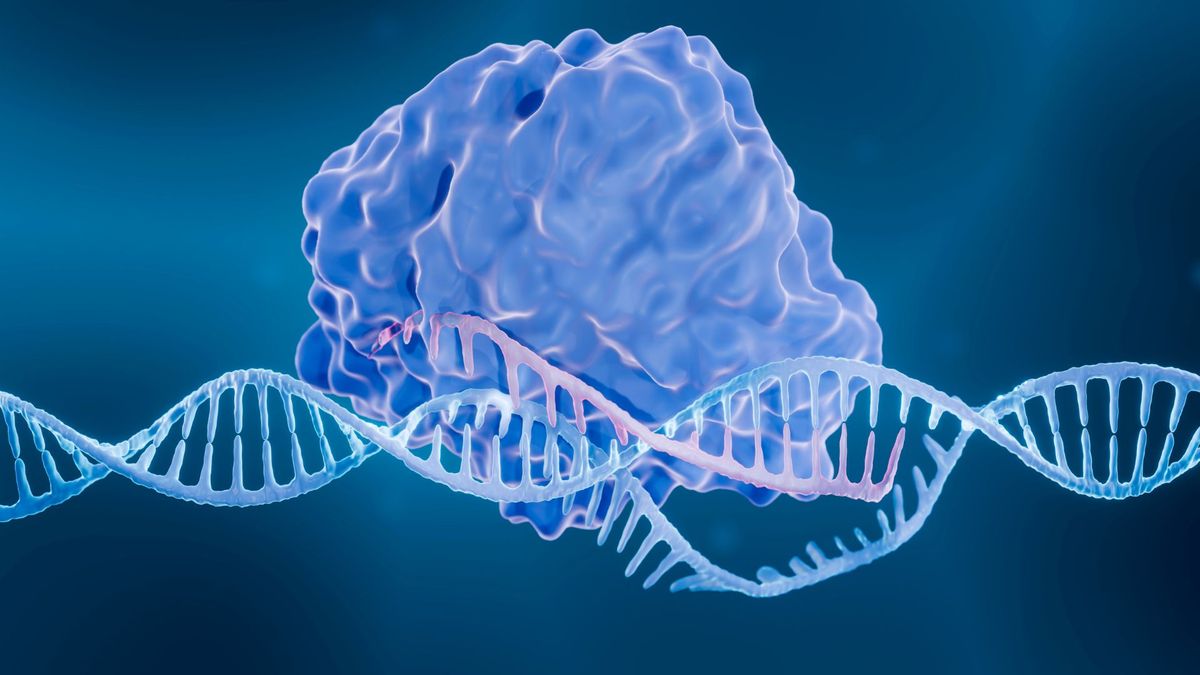
Scientists have discovered a new gene-editing system called Fanzor, similar to CRISPR, in complex organisms such as fungi, algae, amoebas, and a species of clam. This finding demonstrates that DNA-modifying proteins exist across all kingdoms of life. Fanzor proteins interact with guide RNA to cut DNA, but they are currently less efficient than CRISPR. However, Fanzor has the potential to complement CRISPR in gene therapy due to its compact size and reduced off-target effects. Researchers are now eager to search for similar systems in other organisms.
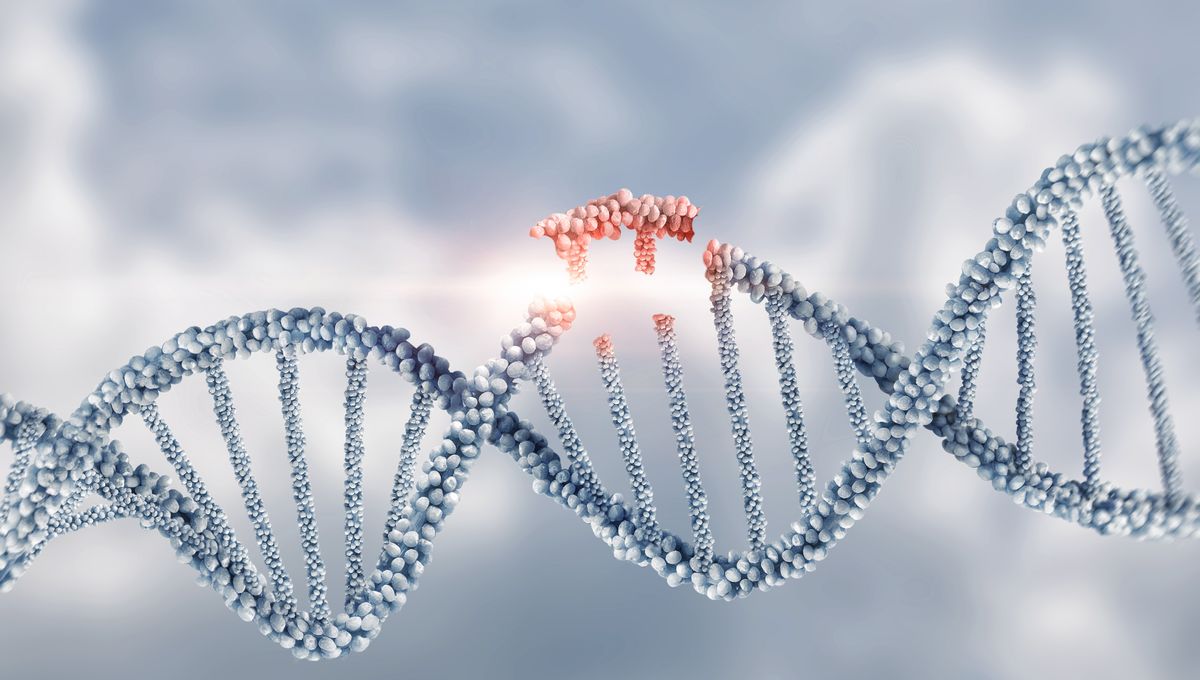
Scientists have discovered a genetic editing system similar to CRISPR-Cas9 in eukaryotes, which include fungi, plants, and animals. This system, based on a protein called Fanzor, can be guided to precisely target and edit sections of DNA, potentially opening up the possibility of using it as a tool for human genome editing. Fanzor proteins are more compact than CRISPR proteins and have the potential to be more easily delivered to cells and tissues. They also show less risk of off-target effects and can be engineered to increase their activity. Further research is needed to fully understand the impact and potential of Fanzor as a gene editing technology.
Researchers have discovered a new RNA-guided system called Fanzor in eukaryotes, including animals, which can be reprogrammed to edit the human genome. Fanzor proteins use RNA as a guide to precisely target DNA, and they have the potential to be more easily delivered to cells and tissues as therapeutics compared to CRISPR-Cas systems. The study demonstrates that RNA-guided DNA-cutting mechanisms are present across all kingdoms of life, expanding the possibilities for precise genome editing.
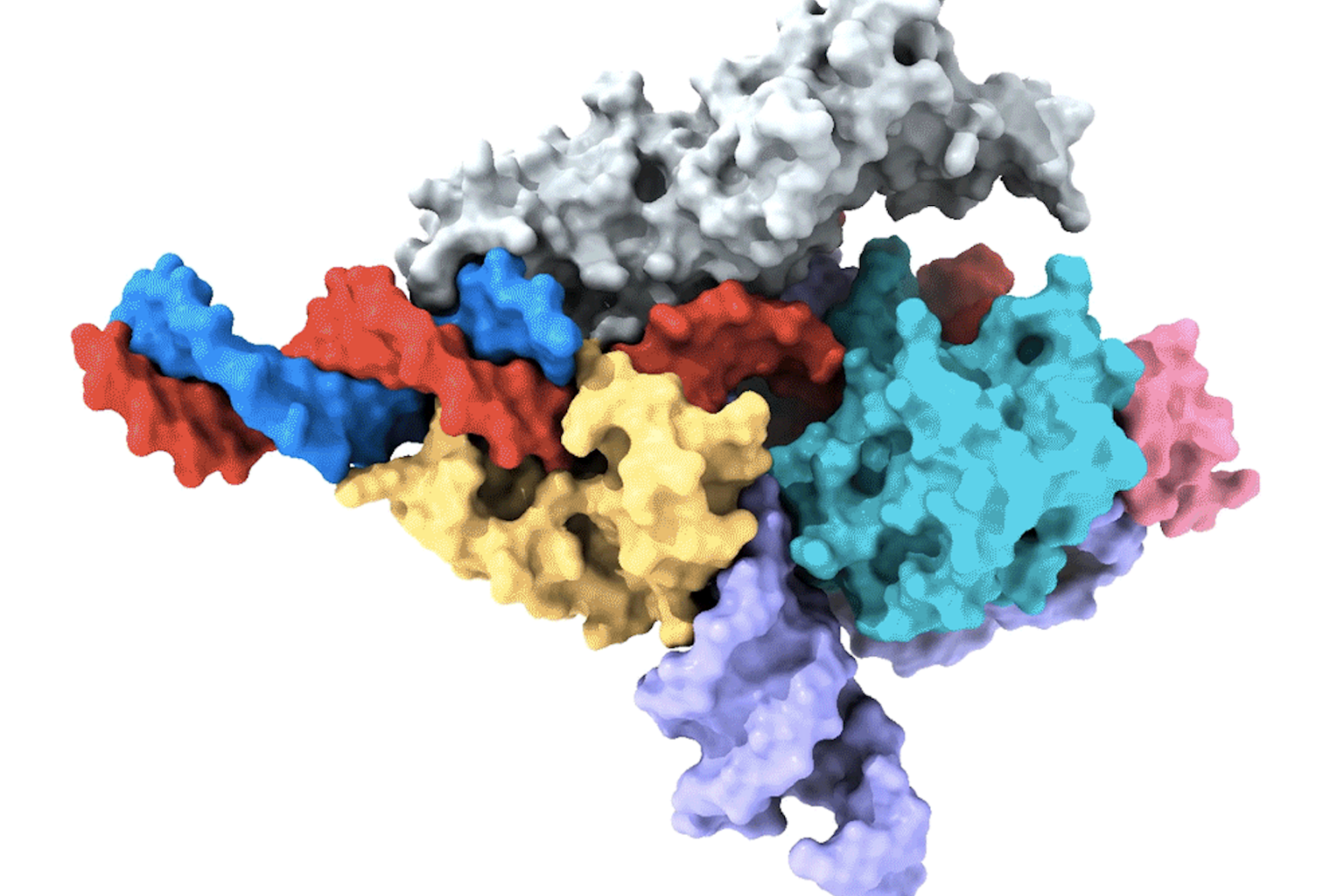
Researchers have discovered a new class of RNA-guided endonuclease called Fanzor, which is found in eukaryotes. Fanzor has the ability to cleave DNA and can be reprogrammed for genome engineering applications in humans. The structure of Fanzor has been resolved, revealing its similarity to other RNA-guided systems like Cas12. This discovery demonstrates that RNA-guided endonucleases are present in all three domains of life.