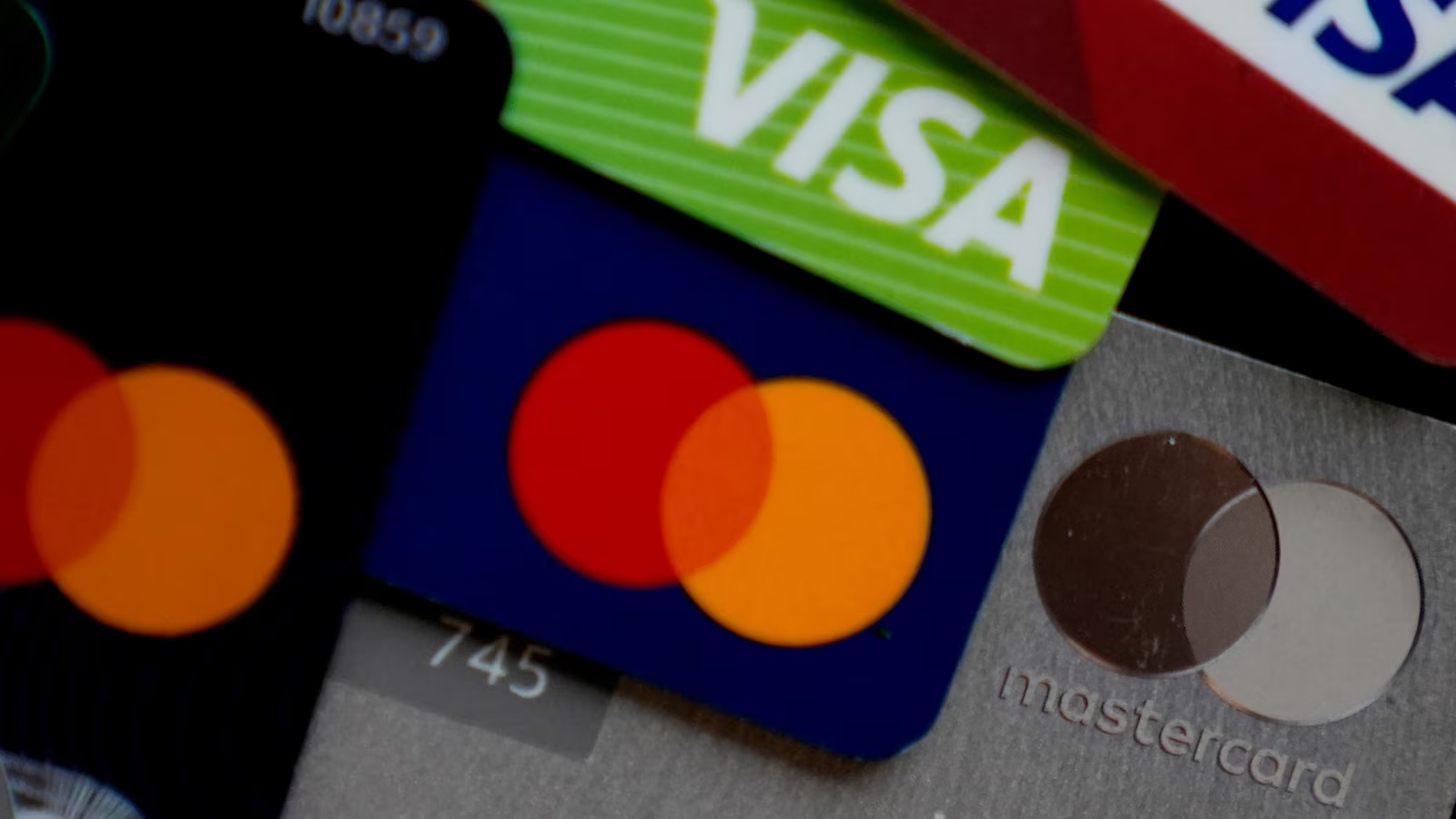
President Trump advocates for a one-year, 10% cap on credit card interest rates, aiming to save Americans billions, but faces opposition from banks and industry groups who argue it could harm high-risk borrowers and reduce credit availability. Legislation supporting the cap is being considered, with some experts suggesting it could significantly lower interest costs for consumers.
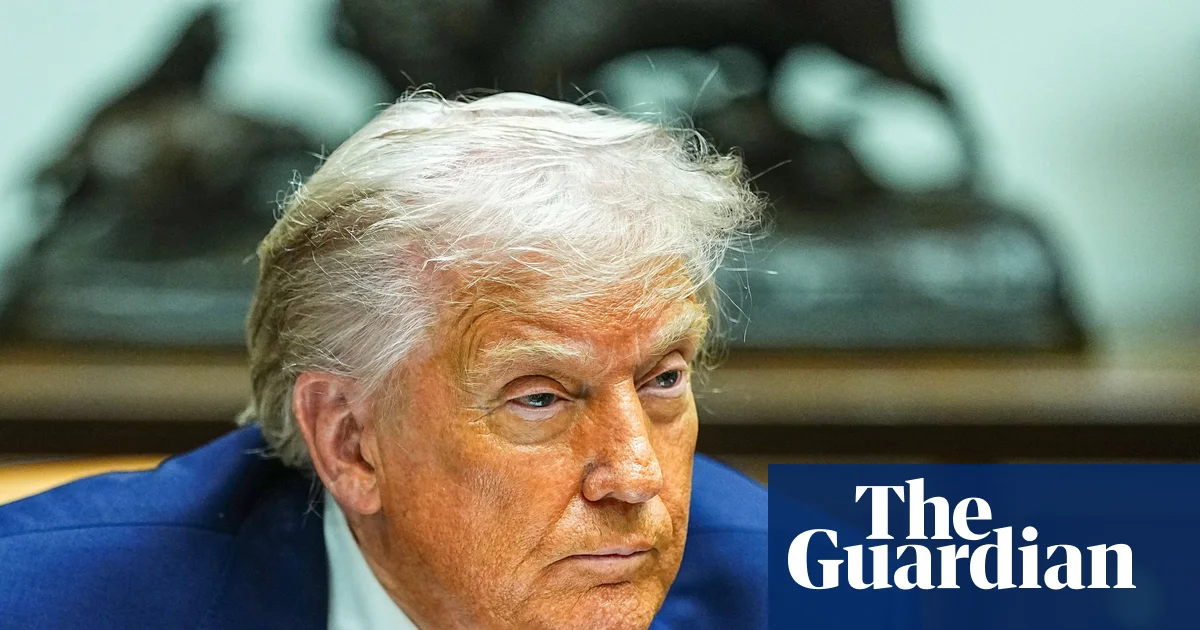
Donald Trump announced a one-year plan to cap credit card interest rates at 10%, sparking mixed reactions from lawmakers, financial institutions, and critics, with concerns about implementation and potential impacts on credit availability.
President Trump advocates for a one-year, 10% cap on credit card interest rates, aiming to save Americans billions, but faces opposition from the banking industry and lawmakers, with potential legislative support from some Republicans.
President Trump has proposed a one-year cap of 10% on credit card interest rates, aiming to reduce consumer costs, but financial institutions criticize the move, arguing it could limit access to credit.
Bill Ackman criticized President Trump's proposal for a one-year 10% cap on credit card interest rates, warning it could lead to widespread credit card cancellations and push consumers toward higher-cost loans. Ackman acknowledged the goal of reducing rates is important but argued that making the market more competitive and fostering new entrants would be a better approach. The proposal would require congressional approval, and its implementation remains uncertain.
President Trump proposed a one-year cap of 10% on credit card interest rates starting January 2026, but the plan lacks details on implementation and congressional support, with critics arguing it is ineffective without legislative approval and warning it could reduce credit availability.
President Trump has proposed capping credit card interest rates at 10% for one year, a move supported by some lawmakers but opposed by credit card issuers and financial groups, citing potential reductions in credit availability and economic impact amid rising credit card debt levels.
President Donald Trump has called for a one-year cap on credit card interest rates at 10%, citing consumer affordability concerns amid economic pressures, though details on implementation remain unclear. The proposal is part of his broader populist economic messaging, which has faced mixed public reception and political challenges, including previous efforts by the Biden administration to regulate credit card fees.
The Consumer Financial Protection Bureau (CFPB) has reported that credit card interest rates have reached record highs, with the average consumer paying a 22.8% interest rate on their credit card balance at the end of 2023, the highest since 1994. The analysis attributes the increase to a rise in the average "APR margin," which is the difference between the total APR and the "prime rate," leading to higher profits for card issuers. The CFPB questions whether these higher profits are justified, as the share of consumers with "subprime" credit scores holding credit cards has remained relatively stable. Industry concentration and credit card delinquencies may also be contributing factors. Consumers are advised to pay credit card bills on time and in full each month to avoid paying interest, and those with good credit may consider transferring balances to cards with 0% APR introductory offers.
Lawmakers and regulators are pushing for measures to address the rising credit card debt, which surpassed $1 trillion in the second quarter of 2023. Some proposals include capping credit card interest rates at 18% and reducing fees for late payments. However, the success of these measures remains uncertain, as they face challenges in gaining sufficient support and overcoming filibusters. The financial services industry opposes imposing a ceiling on rates, citing potential adverse effects on credit availability and popular card features. Consumers are advised to pay their credit card bills in full and on time to avoid accruing interest charges, regardless of the interest rate cap.