Tag

Coping Skills

All articles tagged with #coping skills

mental-health1 year ago

"Self-Care Strategies for Managing Stress, Anxiety, and Loneliness"

Not everyone needs therapy for mental health symptoms such as stress, anxiety, and loneliness. Therapy is a science-backed treatment for significant impairments in daily functioning, and building coping skills can be done through workbooks, memoirs, mental health apps, podcasts, coaching, and community groups. Seeking professional support is necessary if self-help strategies do not improve symptoms or if safety concerns arise.


psychology2 years ago

"7 Common Emotional Mistakes Made by Stable Individuals"

Many people make emotional mistakes that lead to cycles of low mood, anxiety, and strained relationships, often due to the trap of seeking short-term relief. These mistakes include believing thoughts unconditionally, trying to control emotions, blaming external factors for feelings, fearing emotions, trusting emotions blindly, judging oneself for emotions, and relying solely on coping skills. Understanding and working with emotions healthily can lead to greater emotional stability and well-being.

personal-account2 years ago

"Overcoming Carjack Trauma: The Power of EMDR Therapy"

The author shares their personal experience of being carjacked and the subsequent trauma they faced. They turned to EMDR therapy, a technique that helps process trauma and develop coping skills. Through the therapy sessions, the author gradually regained control and learned to accept and grow stronger from the experience. While their life has changed, they now see themselves as a survivor rather than a victim.

mental-health2 years ago

"Mastering the Art of Preventing Anxiety: 7 Effective Strategies"

While it's impossible to completely eliminate anxiety, there are ways to significantly reduce its impact. Developing healthy mental and emotional habits can help manage anxiety before it becomes overwhelming. Some strategies include acknowledging worries and anxiety early, expressing wants and needs assertively, prioritizing quality sleep, expanding emotional vocabulary, setting aside time to worry on purpose, engaging in regular exercise, and setting and enforcing personal boundaries. These habits can help individuals better cope with anxiety and improve overall emotional well-being.

health2 years ago

"Beating the Winter Blues: Preparing for Seasonal Depression in Fall"

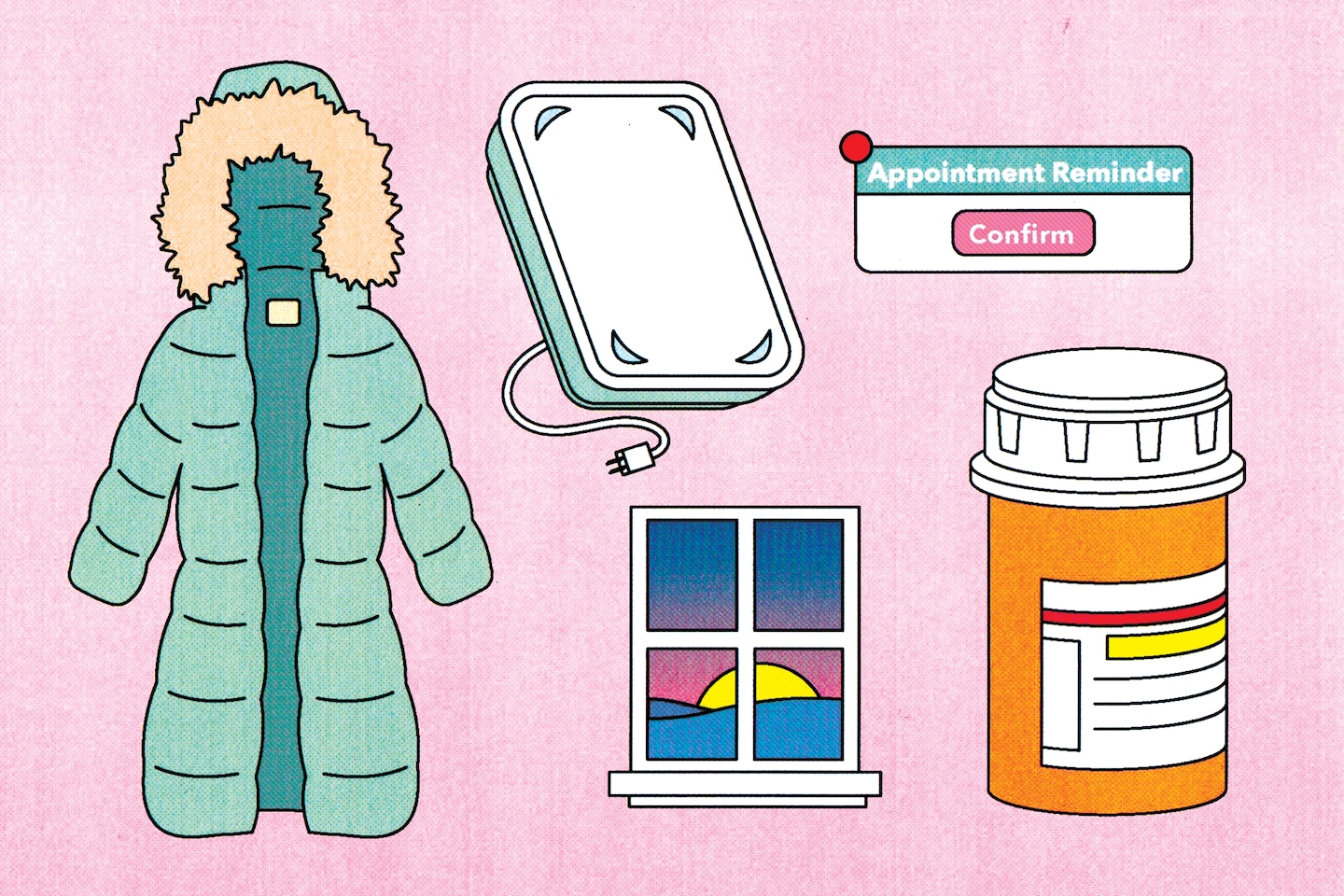
Fall is the ideal time for individuals with winter seasonal affective disorder (SAD) to prepare and check in with their mental health. SAD, which affects an estimated 5 percent of Americans, is likely caused by reduced daylight and can lead to lower moods, lethargy, and excessive sleep. To prepare for winter SAD, experts recommend starting light therapy early, checking in with physicians and therapists, maintaining routines that support mental health, and reevaluating one's outlook on the changing seasons. Taking proactive steps in the fall can help prevent and manage symptoms of winter depression.

mental-health2 years ago

Conquering Germophobia: Expert-Backed Strategies to Overcome Fear of Germs

Fear of germs, also known as mysophobia, can cause severe anxiety and interfere with daily life. Treatment options include Cognitive Behavioral Therapy (CBT) to understand and manage fears. At home, establish a reasonable cleaning routine and limit excessive hand washing. In public, carry hand sanitizer or wipes and create checks to avoid spiraling. Practice mindfulness to deactivate the threat response and remain in the present. Seek professional help when the fear of germs starts affecting daily life and relationships.

relationships2 years ago

Navigating Neighborly Challenges: From Progressive Dinners to Garage Music Disputes

A woman who organizes progressive dinners in her neighborhood is frustrated when her friends invite additional couples from out of town to join, resulting in tension and fights. Amy suggests being more open to new people and flexible with the parameters of the dinners. In another letter, a person seeks advice on dealing with a friend who lacks coping skills and falls apart during difficult situations. Amy suggests discussing the impact of her behavior on the friendship and encouraging her to seek professional help. Lastly, Amy acknowledges the toxic nature of Facebook and shares her own decision to step away from the platform.

relationships2 years ago

Navigating Social Dynamics: Dealing with Unwanted Changes in Saturday Dinners

A woman is frustrated with her progressive dinner group as some couples want to invite new couples who don't live in the area, causing tension and arguments. Amy suggests being more open to including new people and allowing them to contribute to the meal. In another letter, a friend is exhausted by another friend's lack of coping skills and dramatic behavior. Amy advises expressing concern and suggesting professional help. Lastly, Amy acknowledges the toxicity of Facebook and the need to set boundaries when it comes to online rants and rumors.

health2 years ago

Anxiety, ADHD, or Both: How to Differentiate.

Anxiety and ADHD can have similar symptoms, and it can be difficult to tell them apart. Women with ADHD are more likely to have depression, anxiety, eating, and sleep disorders. ADHD can be diagnosed in adults who did not show signs of it in childhood. To be assessed for ADHD, a GP referral to a psychiatrist is needed. ADHD treatments can include medication, counseling, and developing coping skills. Successful treatment of co-existing ADHD may be the best way of getting relief from chronic anxiety.

health2 years ago

Understanding Mental Health.

Mental health includes emotional, psychological, and social well-being, and affects how we think, feel, and act. Mental illnesses are disorders that affect a person’s thinking, mood, and/or behavior, and nearly one-in-five adults live with a mental illness. Early warning signs of a problem include changes in eating or sleeping habits, pulling away from people and activities, and feeling helpless or hopeless. With early and consistent treatment, it is possible to manage mental health conditions and lead a meaningful, productive life. Coping skills, good self-care, and reaching out to family and friends are important strategies for living well with a mental health condition. Help is available for those in crisis or needing support.

mental-health2 years ago

"Making Informed Decisions About Therapy: Science and Self-Reflection"

Before deciding if therapy is right for you, ask yourself questions such as whether you are seeing unhealthy patterns in your life, struggling with self-love, feeling hopeless and unmotivated, feeling overwhelmed or unmanageable, experiencing constant anxiety, receiving advice but not changing behaviors, needing better coping skills, dealing with a crisis, struggling with abuse or addiction, or wanting better relationships. If you answered yes to even a handful of these, consider reaching out to a professional in your area.