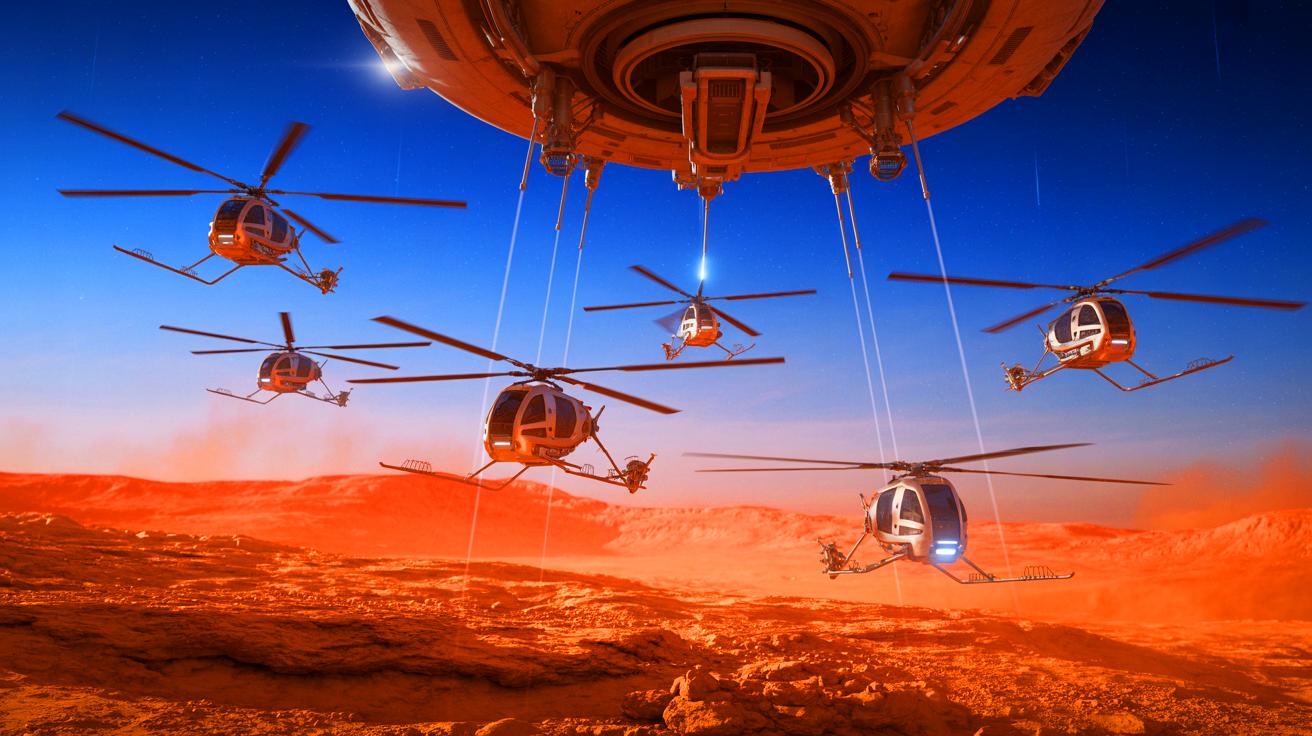
NASA and AeroVironment are launching the Skyfall mission to deploy six autonomous helicopters on Mars, building on Ingenuity's success, to enhance exploration, identify landing sites, and potentially answer whether life ever existed on Mars, with a planned launch by 2028 and human landings targeted for 2030.
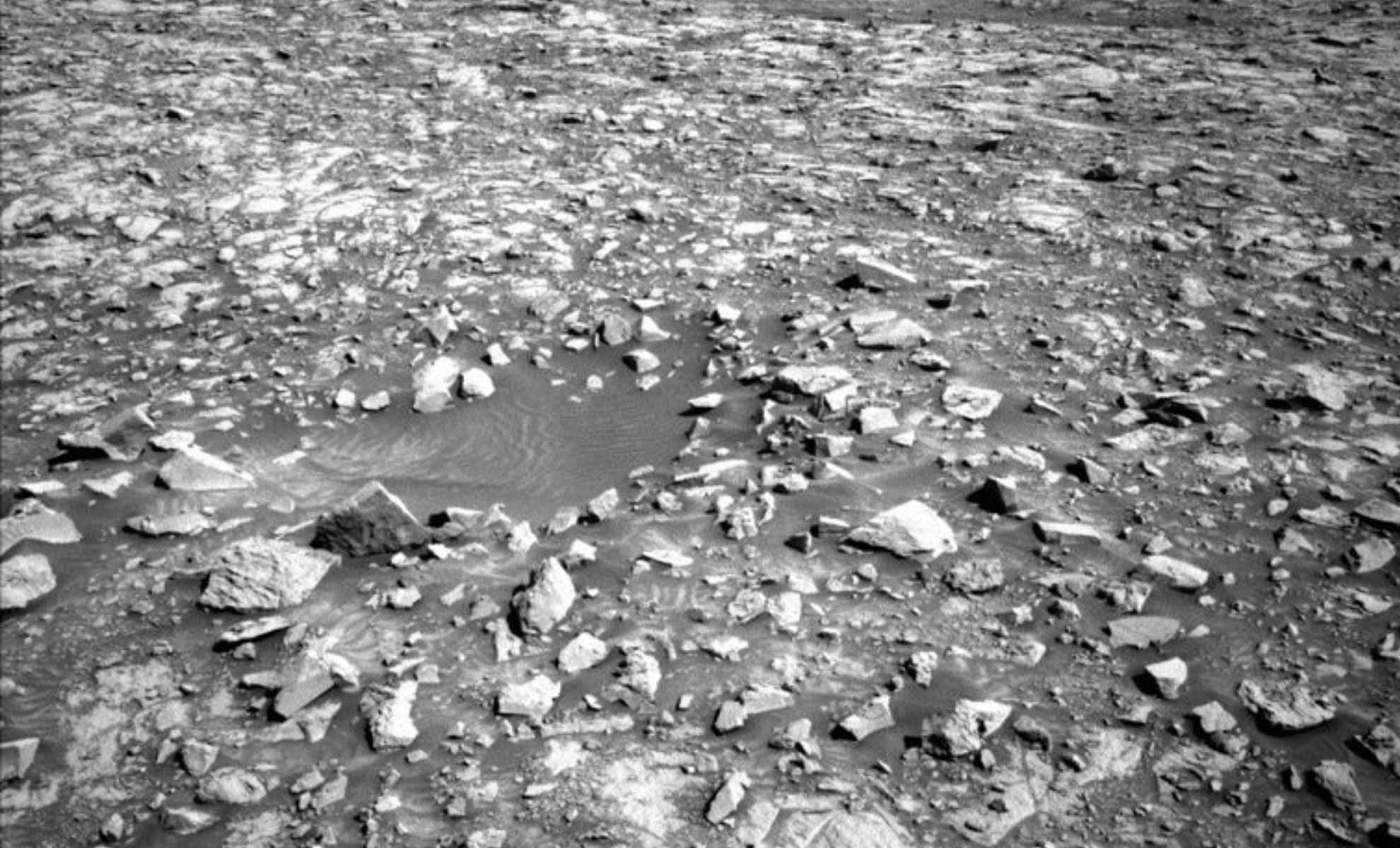
NASA's Curiosity Rover continues its exploration of Mars, conducting geological analyses, imaging surface features, and studying the planet's mineral composition to uncover Mars' geological history and environmental conditions, even during the winter months, while carefully navigating the terrain and monitoring atmospheric phenomena.
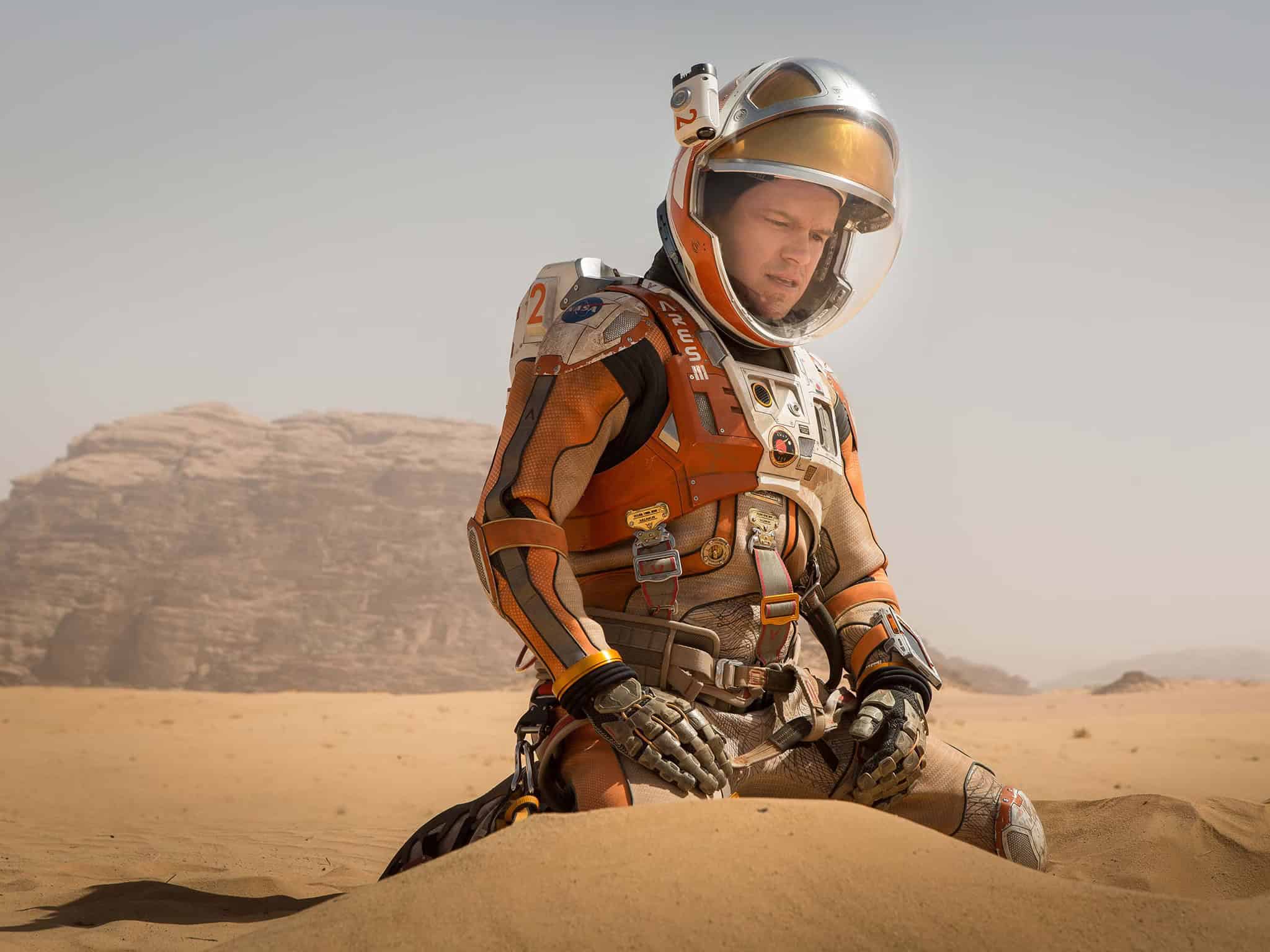
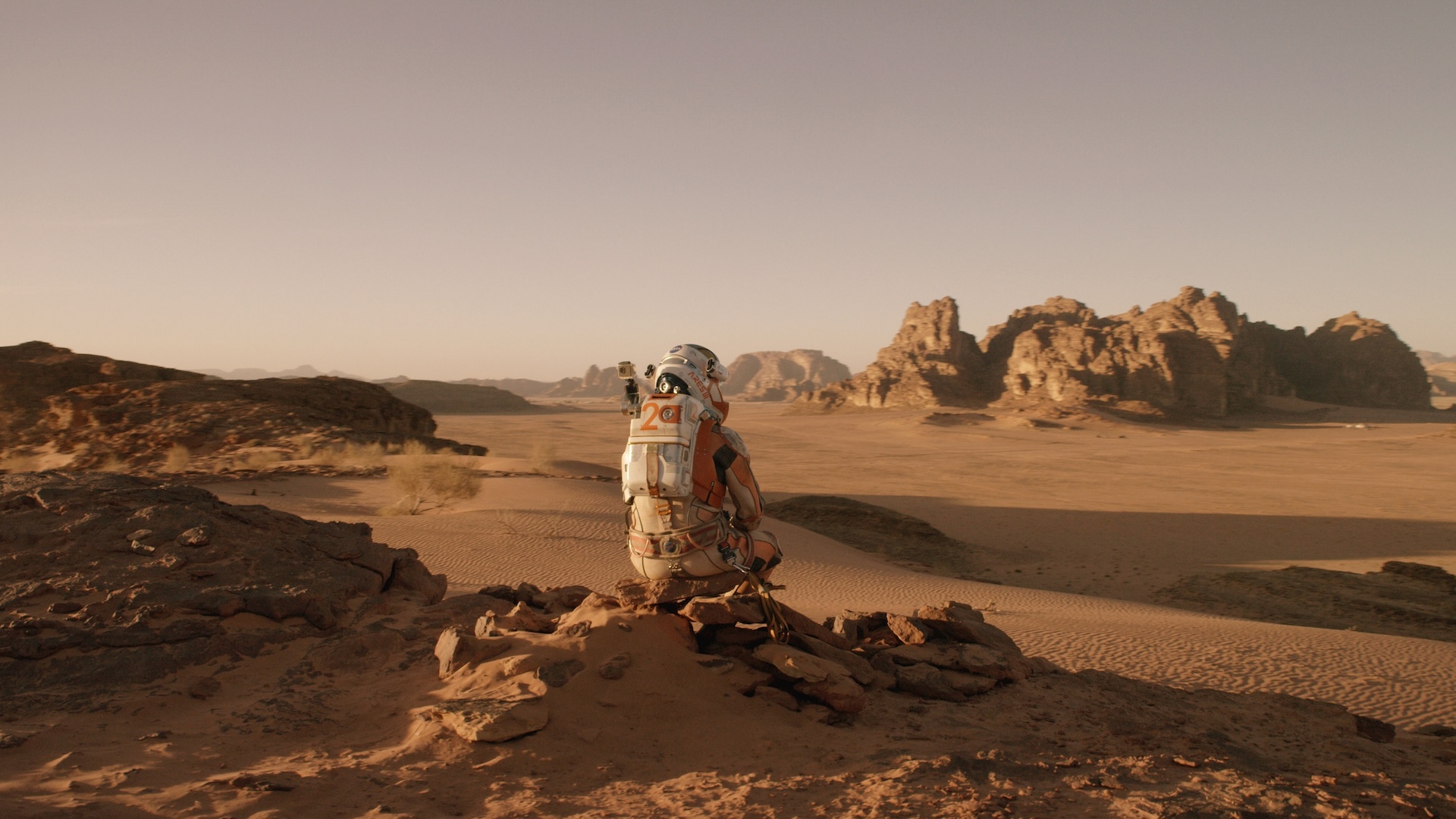
A decade after the release of 'The Martian,' robotic missions have surpassed human efforts in Mars exploration, revealing the planet's past habitability and raising questions about future colonization, amid shifting space policy priorities and funding challenges.
A decade after 'The Martian,' actual Mars exploration has focused more on robotic discoveries and scientific research than human landings, with ongoing missions revealing new insights into Mars' climate history and potential habitability, despite shifting priorities and funding challenges.
While 'The Martian' predicts humans reaching Mars by 2035, current exploration relies heavily on robotic missions that have significantly advanced our understanding of Mars' climate, geology, and potential habitability, though human colonization remains a complex and uncertain goal amid shifting priorities and funding challenges.