
Water-Based Peptide Synthesis Could Cut Waste From Popular GLP-1 Weight-Loss Drugs
TL;DR Summary
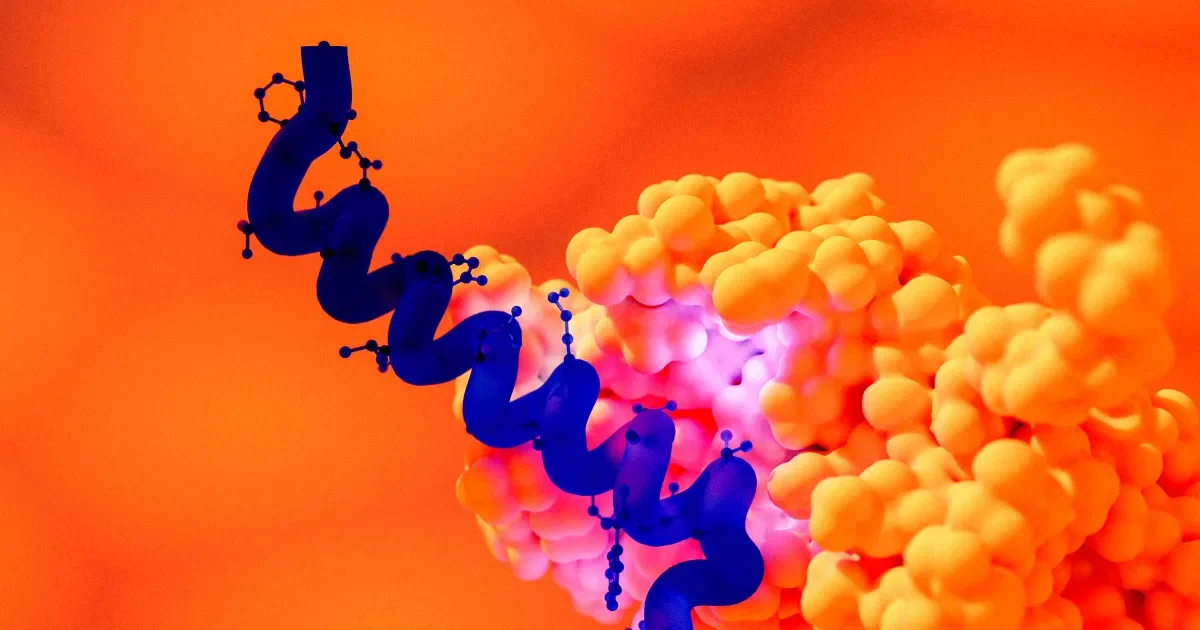
The article reports that GLP-1 weight‑loss drugs like Ozempic are produced via solid‑phase peptide synthesis using solvents such as dimethylformamide, generating massive toxic‑chemical waste (estimates exceed 123 million pounds annually for semaglutide alone) and affecting over 80 peptide drugs. A Nature Sustainability study from the University of Melbourne proposes a water‑based synthesis approach—using salts and a biodegradable activating method—to enable high‑concentration peptide production in water, potentially reducing environmental impact if scalable, though industrial rollout remains to be seen.
- GLP-1s Are an Environmental Catastrophe Futurism
- Weight-loss drugs are creating an environmental disaster—a new water-based method aims to change that Phys.org
- Peptide Synthesis: New Sustainable Strategies for Regulatory and Market Demands, Upcoming Webinar Hosted by Xtalks PR Newswire
- The Hidden Ecological Price of Ozempic: How the GLP-1 Boom Is Fueling an Environmental Crisis in Our Waterways WebProNews
- Water-based coupling of amino acids for sustainable solid-phase peptide synthesis Nature
Reading Insights
Total Reads
0
Unique Readers
7
Time Saved
2 min
vs 3 min read
Condensed
86%
555 → 78 words
Want the full story? Read the original article
Read on Futurism