Tag

Mofs

All articles tagged with #mofs

Australian Chemist Wins Nobel Prize for World-Changing Work

Originally Published 3 months ago — by The Conversation

Featured image for Australian Chemist Wins Nobel Prize for World-Changing Work
Source: The Conversation

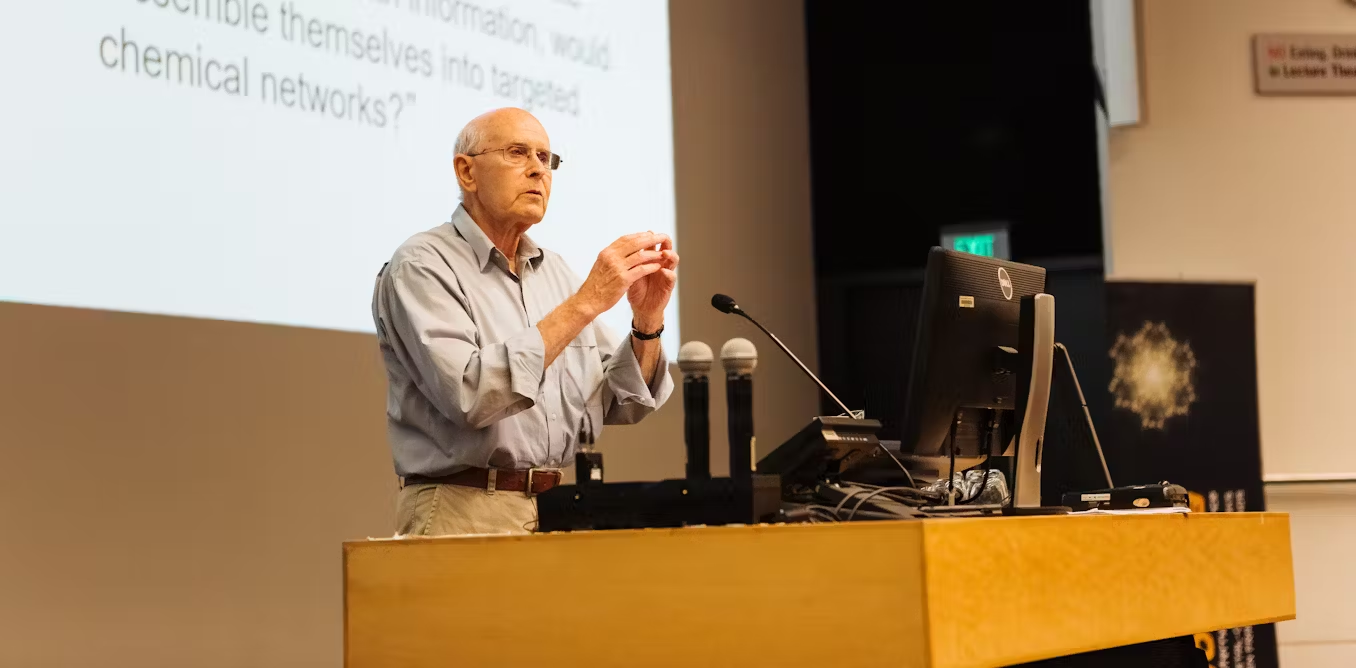
Australian chemist Richard Robson, along with Susumu Kitagawa and Omar Yaghi, won the 2025 Nobel Prize in Chemistry for developing metal–organic frameworks (MOFs), porous materials that have significant applications in gas capture, environmental cleanup, and medical fields, highlighting the importance of fundamental scientific research and its long-term impact.
Omar Yaghi and Team Win 2025 Nobel in Chemistry for Metal-Organic Frameworks

Originally Published 3 months ago — by Berkeley News

Featured image for Omar Yaghi and Team Win 2025 Nobel in Chemistry for Metal-Organic Frameworks
Source: Berkeley News

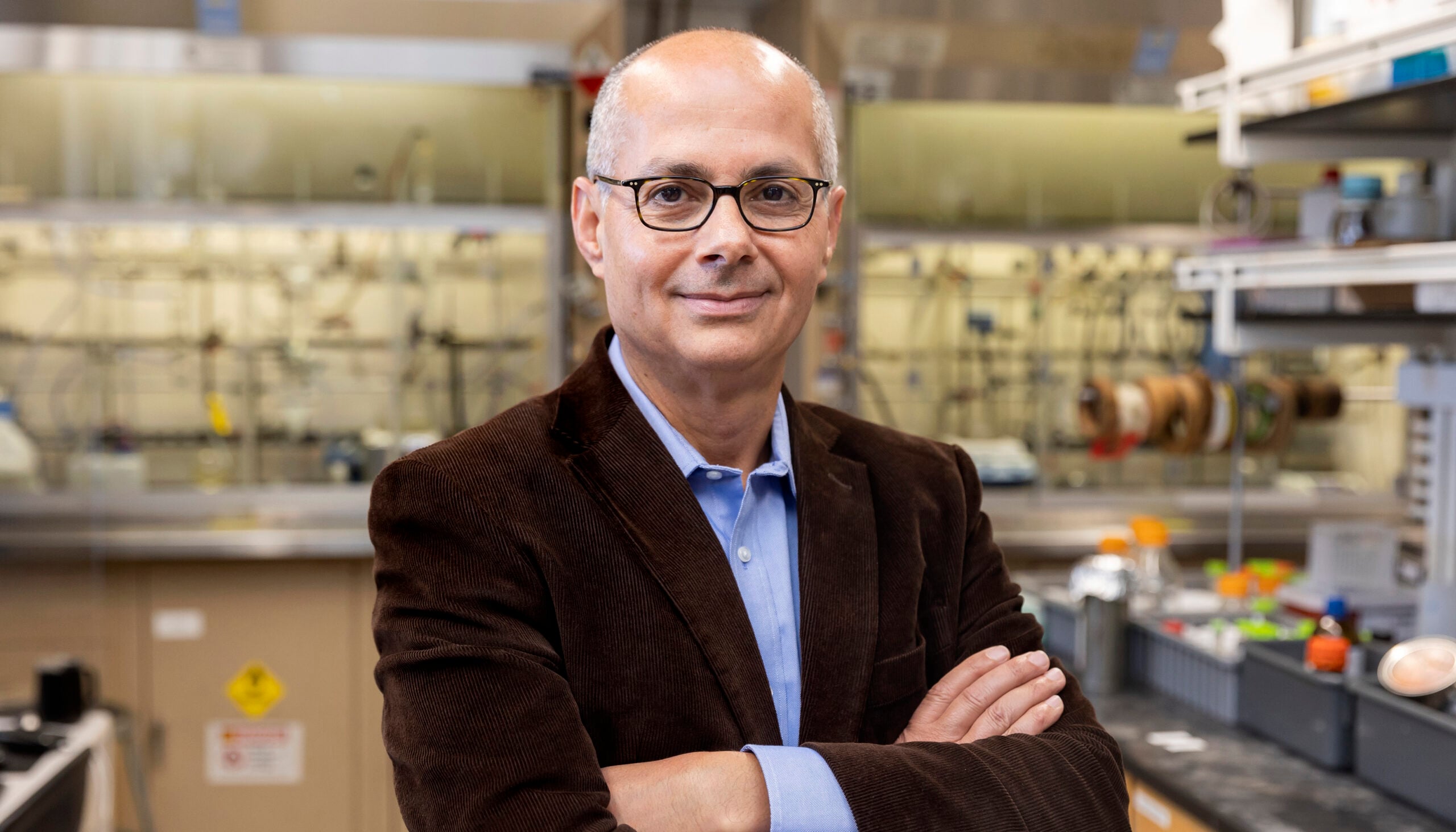
Omar Yaghi, a UC Berkeley chemist, was awarded the 2025 Nobel Prize in Chemistry for his pioneering work in reticular chemistry, creating metal-organic frameworks (MOFs) with vast applications including water harvesting, carbon capture, and clean energy storage, significantly advancing sustainable technology and climate change mitigation.

Nobel Prize in Chemistry Honors Breakthroughs in Porous and Metal-Organic Frameworks

Originally Published 3 months ago — by The Guardian

Featured image for Nobel Prize in Chemistry Honors Breakthroughs in Porous and Metal-Organic Frameworks
Source: The Guardian

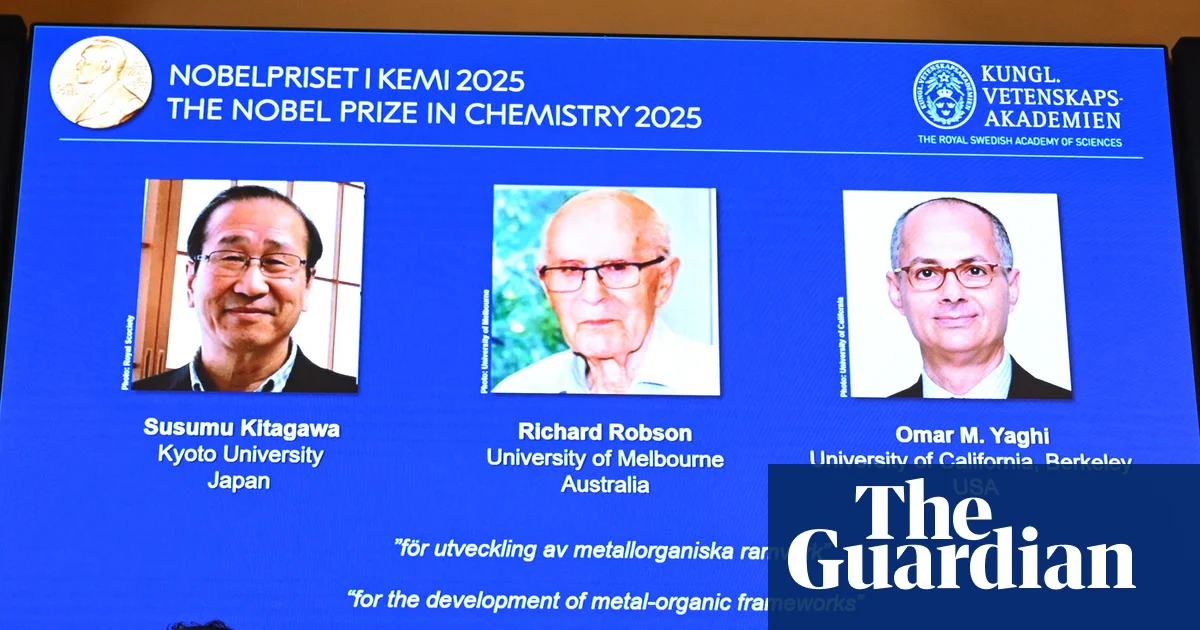
The Nobel Prize in Chemistry was awarded to Susumu Kitagawa, Richard Robson, and Omar Yaghi for developing metal-organic frameworks (MOFs), revolutionary porous materials capable of harvesting water from desert air, capturing CO2, and removing toxins from water, with potential applications in energy, environment, and industry.

Breakthrough in Water-Repellent Materials: Near-Perfect MOF Innovation

Originally Published 1 year ago — by Phys.org

Featured image for Breakthrough in Water-Repellent Materials: Near-Perfect MOF Innovation
Source: Phys.org

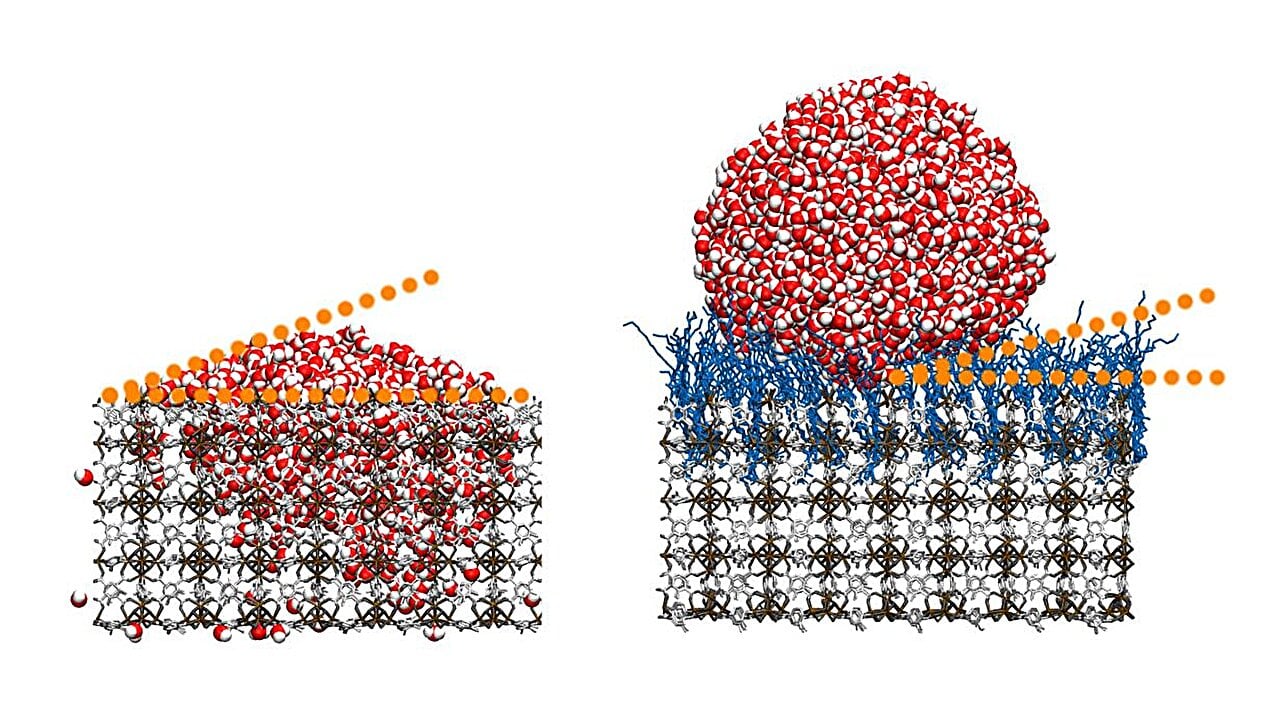
Researchers from Karlsruhe Institute of Technology and Indian Institute of Technology Guwahati have developed a new superhydrophobic material by modifying metal-organic frameworks (MOFs) with hydrocarbon chains. This innovative approach results in a water contact angle exceeding 160 degrees, making the material nearly completely water-repellent. The material's unique properties, attributed to a high-entropy state of the grafted chains, offer potential applications in self-cleaning surfaces for automobiles and architecture. The study was published in Materials Horizons.