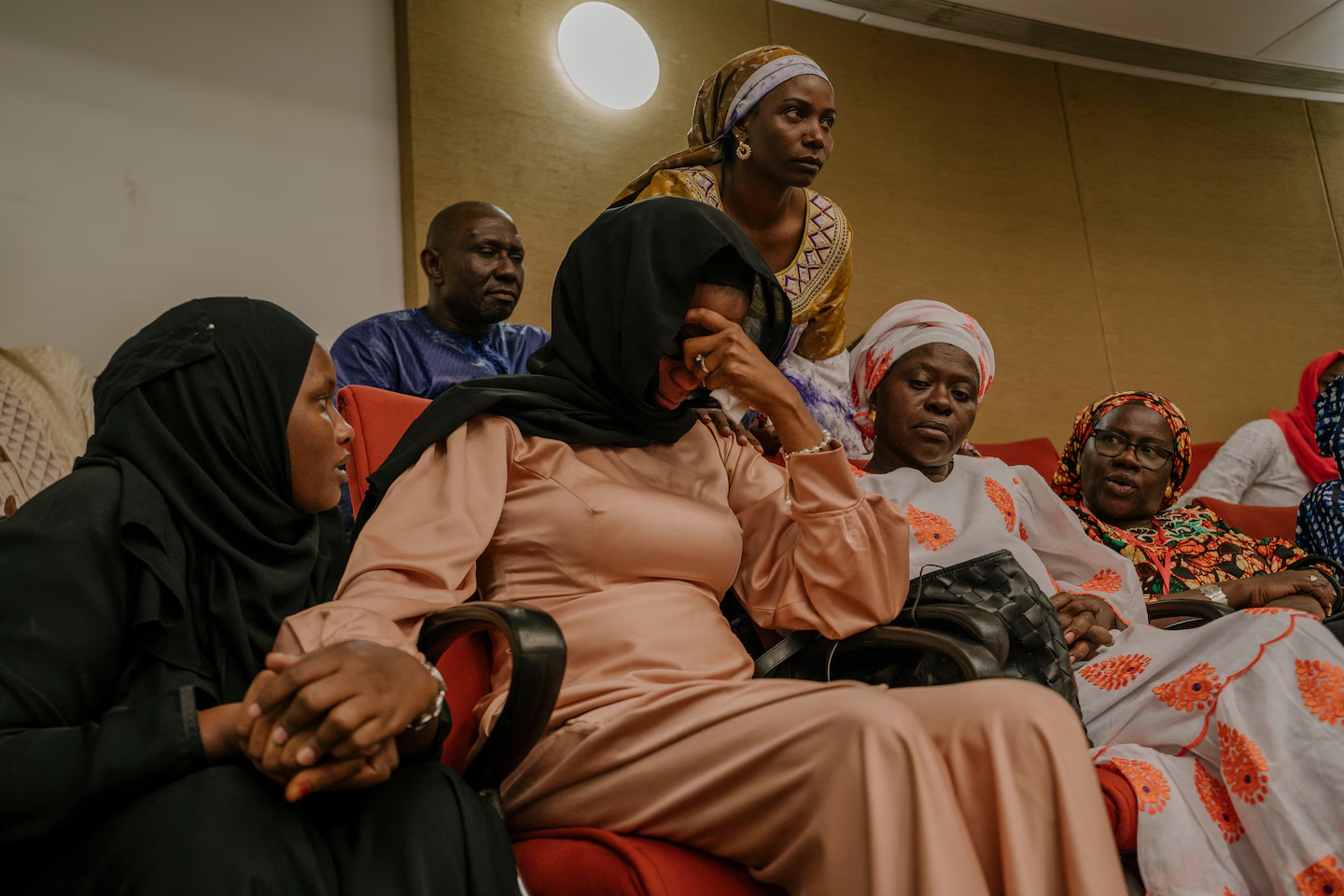
The Gambia's supreme court is hearing a case to overturn the ban on female genital mutilation (FGM), amid protests from religious leaders and some MPs who argue it infringes on cultural and religious freedoms. Despite FGM being criminalized in 2015 and associated health risks, efforts to decriminalize it continue, reflecting a broader global regression in women's rights and ongoing cultural debates.

Facial disfigurement has historically been used across cultures as a form of punishment and social control, often to humiliate, mark deviance, or signify moral transgressions, with motivations evolving from symbolic hostility in ancient times to revenge and humiliation in modern contexts.
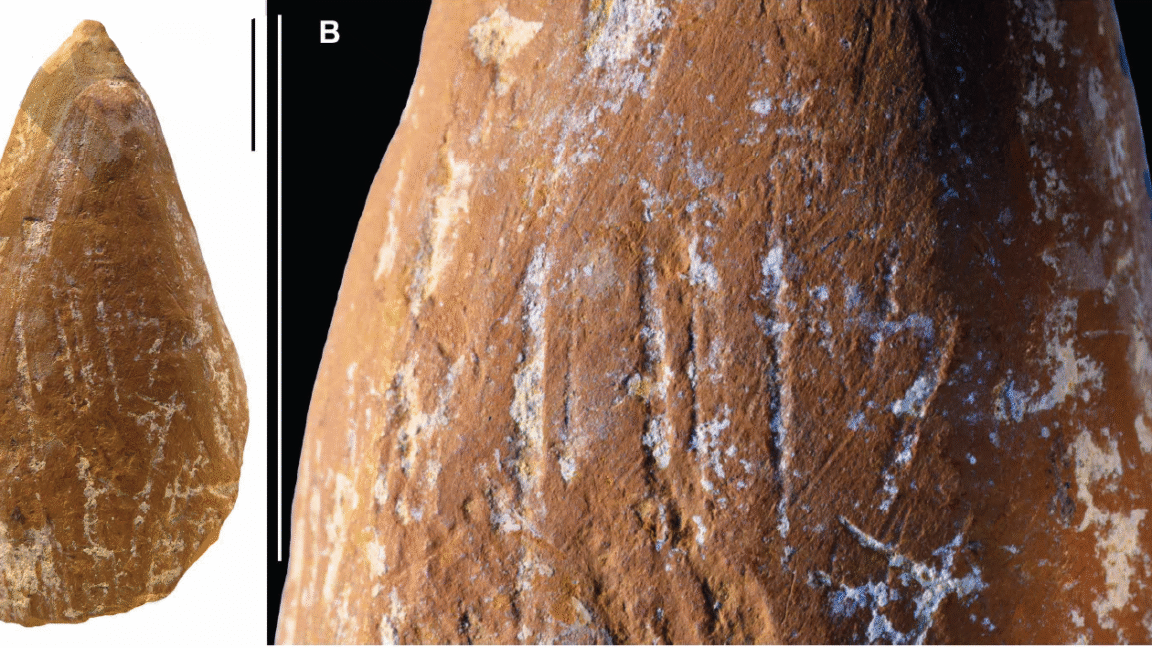
Evidence suggests Neanderthals made and used ocher crayons for drawing or marking, with wear marks indicating they were used on soft surfaces. A 73,000-year-old drawing from South Africa and carved ocher pieces from Crimea demonstrate that Neanderthals engaged in complex cultural and artistic activities, challenging the view that they lacked symbolic or aesthetic behavior.
The article reflects on the author's nostalgic memories of seeing performing monkeys in Delhi, India, highlighting the cultural tradition despite its illegality and ongoing controversy over animal rights, and notes a recent sighting of the same monkeys, now older, on a bike.
Gambia's National Assembly has voted to advance a bill that would overturn the ban on female genital cutting, potentially making it the first nation in the world to roll back such a protection. The decision has sparked a national dialogue about religion, culture, patriarchy, and reproductive health, with many survivors and activists opposing the move, citing the physical and emotional harm caused by the practice. The bill's proponents argue that it upholds religious rights and cultural norms, setting the stage for months of national dialogue and possible amendments before a final vote.
A new study published in Nature Human Behavior reveals that height differences between men and women in Neolithic Europe were strongly influenced by cultural and environmental factors. Researchers analyzed skeletal remains from the Early Neolithic Period and found that women in North Central Europe experienced high environmental stress but did not reach the same height as men, suggesting cultural preferences that favored men's recovery time. In contrast, the height differences between sexes in the Mediterranean population were less pronounced, indicating a more equal distribution of rest and recovery time. The study highlights the importance of culture in shaping physical development and calls for further research to explore the interactive impact of genetics, environment, and culture on human biology.
Experts argue that concerns over "digital necromancy," the use of generative AI to interact with digital simulations of the dead, are overblown. They point out that throughout history, people have used various mediums like photographs and relics to keep the memory of the deceased alive. The emergence of generative AI simply expands on these existing practices of remembrance and commemoration. While there are concerns about the integrity of the reanimated and the potential for fraud, experts argue that these technologies are not meant to replace the deceased but rather serve as conduits for communication and reflection. Overall, they believe that worries about digital necromancy are exaggerated and fail to recognize the ways in which these technologies align with human behavior and practices.
A study published in PLOS ONE reveals that caves in the Iberian Peninsula were used as burial sites and later manipulated for thousands of years. Researchers examined human remains from Cueva de los Marmoles in southern Spain and found evidence of intentional post-mortem modifications, including fractures and scrapes, possibly for extracting tissues. Some remains were modified for use as tools or for dietary purposes. These findings suggest a widespread practice of modifying and utilizing buried human remains for food and tools in the region, with potential symbolic significance.
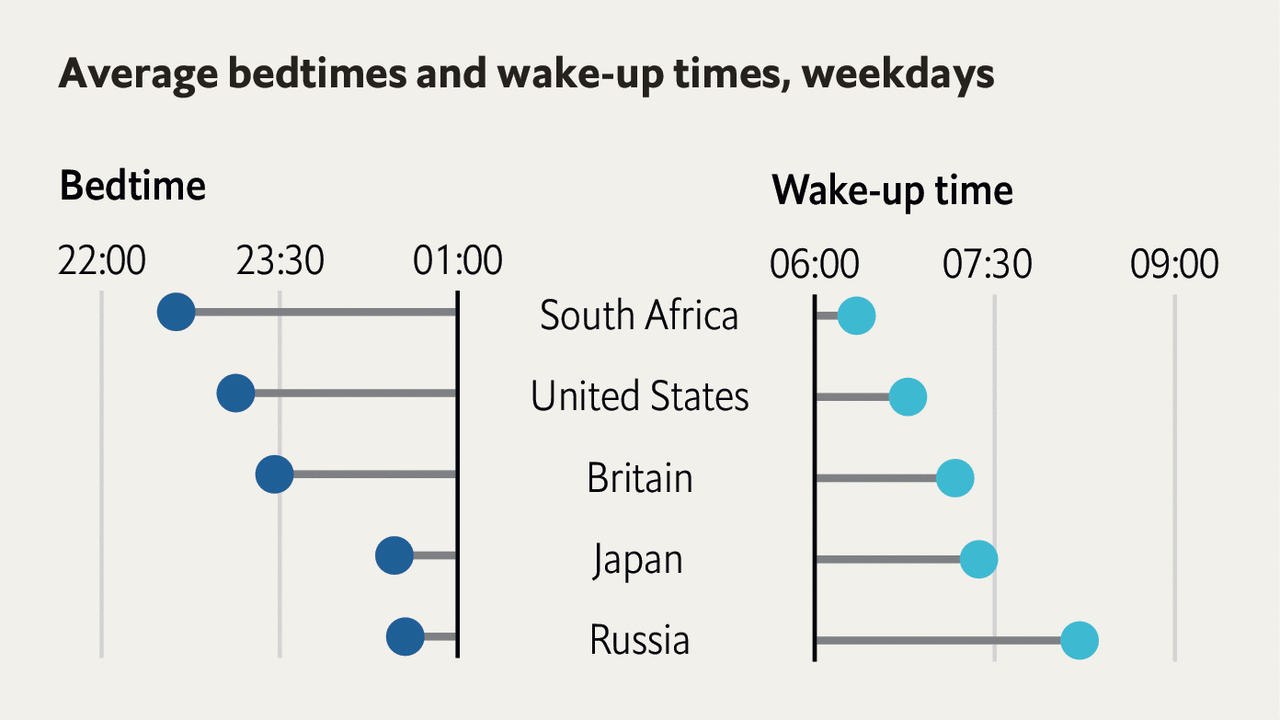
A study analyzing sleep habits of over 220,000 people across 35 countries found that Asian countries have the worst sleep patterns, with people sleeping less than six and a half hours on average. Northern European countries, Australia, and New Zealand have the best sleepers, logging a solid seven hours. Bedtimes and wake-up times tend to move together, but Asian sleepers tend to fall asleep later and have less consistent sleep. Social factors, such as child-care, work, and cultural practices, may play a significant role in shaping sleep patterns worldwide.
A new mom shared her positive postpartum experience on Reddit, which involved receiving practical and emotional support from her husband and his family. Her sister criticized her for not struggling like other mothers, calling her "not a real mother and wife." The new mom defended herself, stating that not struggling 24/7 doesn't make her any less of a mother. People on Reddit pointed out that the differences in their experiences highlight how American society fails mothers, and that the sister's anger is misplaced. The new mom's experience shows the benefits of tangible support for parents, while also highlighting the flaws in the way motherhood is structured in America.
Archaeologists have reconstructed a spectacular 9,000-year-old necklace found in the grave of an 8-year-old girl in Jordan. The necklace, made of thousands of beads, provides insights into the culture and burial practices of the Neolithic village of Ba`ja. The carefully arranged beads, including calcite, turquoise, and hematite, were found spilled across the child's chest and neck. The necklace also features a mother-of-pearl ring and a double-perforated pendant. The ornament's complexity and beauty suggest great wealth and prosperity, and its unique design sets it apart from other artifacts found in the Levant region. The necklace is now on display at the New Museum of Petra in Jordan.
South Korean dog meat farmers are facing growing opposition as politicians and activists push for a ban on the industry. While dog meat consumption is not explicitly banned or legalized in South Korea, there is increasing public awareness of animal rights and concerns about the country's international image. The anti-dog meat campaign gained momentum when the first lady expressed support for a ban and lawmakers submitted bills to eliminate the trade. However, farmers and restaurant owners are protesting against the proposed ban, and surveys show that one in three South Koreans opposes it. The future of the anti-dog meat legislation remains uncertain, but the industry has already seen a decline in demand and the number of farms.
South Korean dog meat farmers are pushing back against growing efforts to outlaw their industry, which has been a centuries-old practice on the Korean Peninsula. While dog meat consumption is neither explicitly banned nor legalized in South Korea, there is increasing public awareness of animal rights and concerns about the country's international image. The anti-dog meat campaign has gained momentum with the support of the first lady and the submission of bills to eliminate the dog meat trade. However, the prospects for passing an anti-dog meat law remain uncertain due to protests from farmers and others involved in the industry. The number of dog farms in South Korea has declined, and younger generations are increasingly avoiding dog meat consumption.