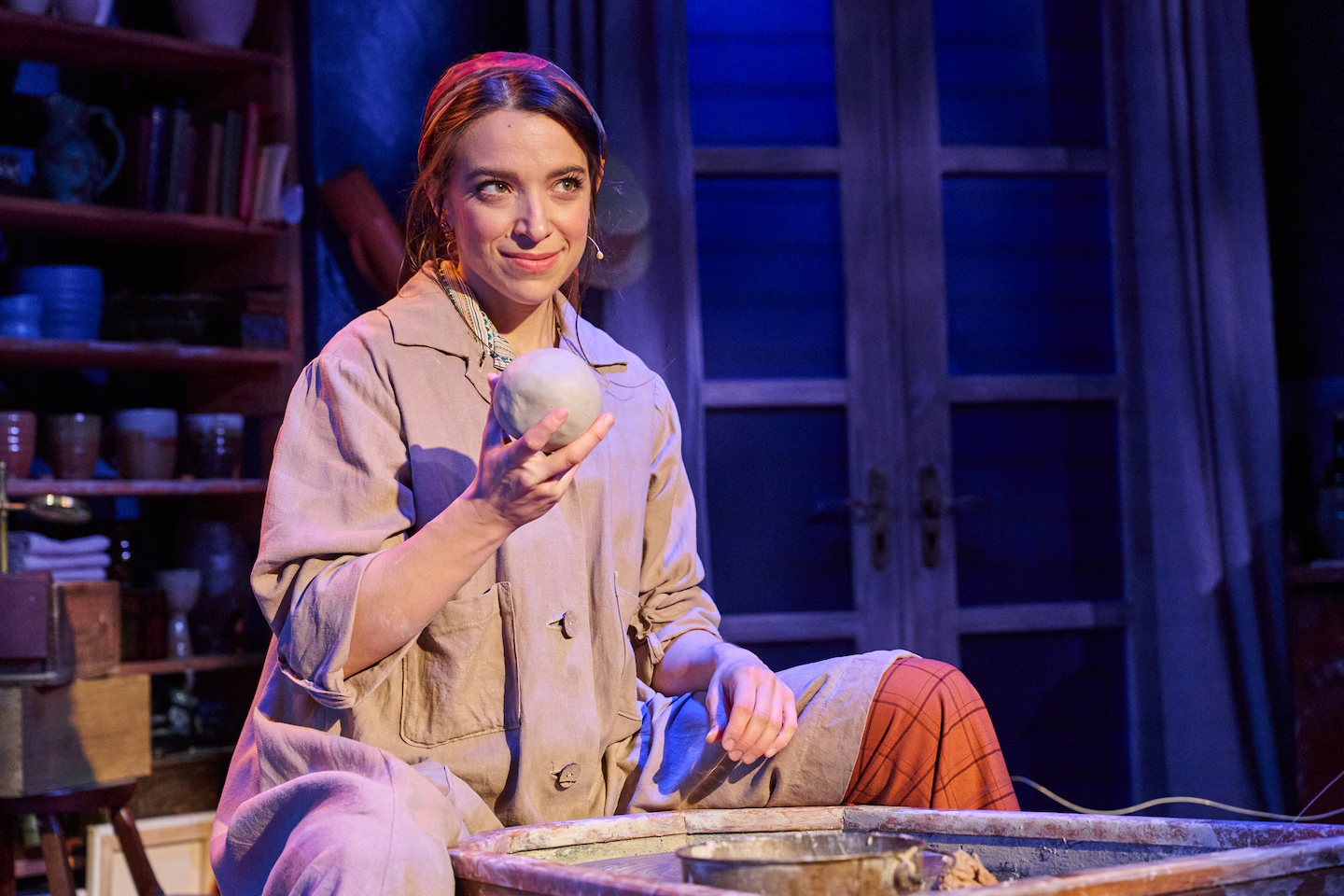
The article reviews the American premiere of the musical 'In Clay' at Signature Theatre, which celebrates the creative journey of an overlooked artist, highlighting themes of artistic struggle and legacy.
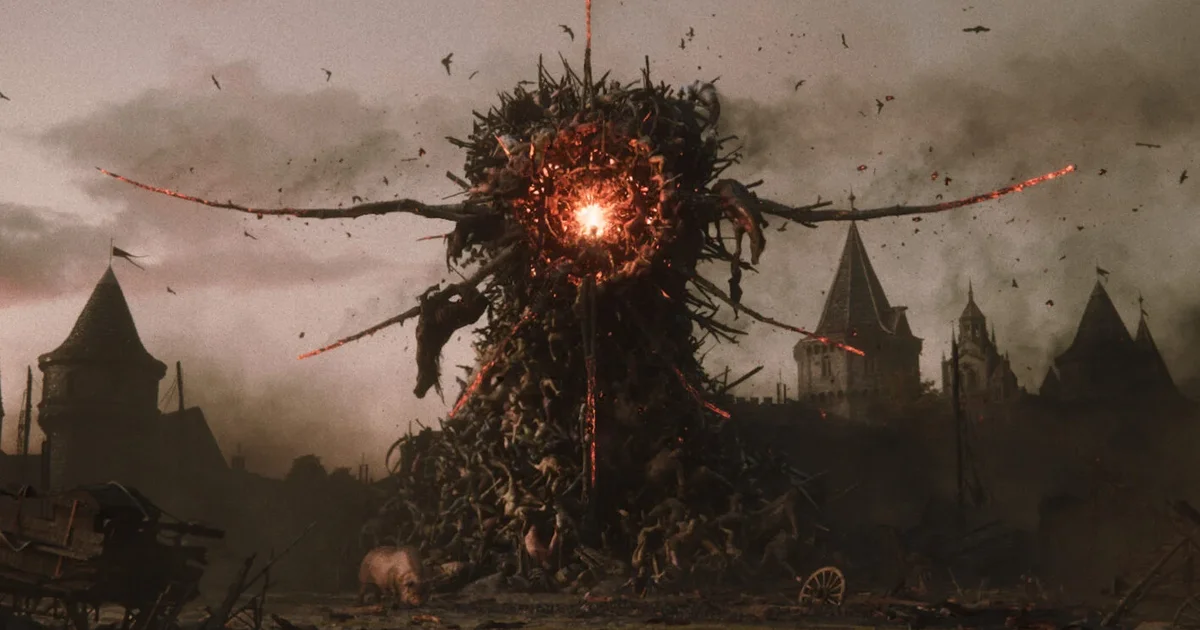
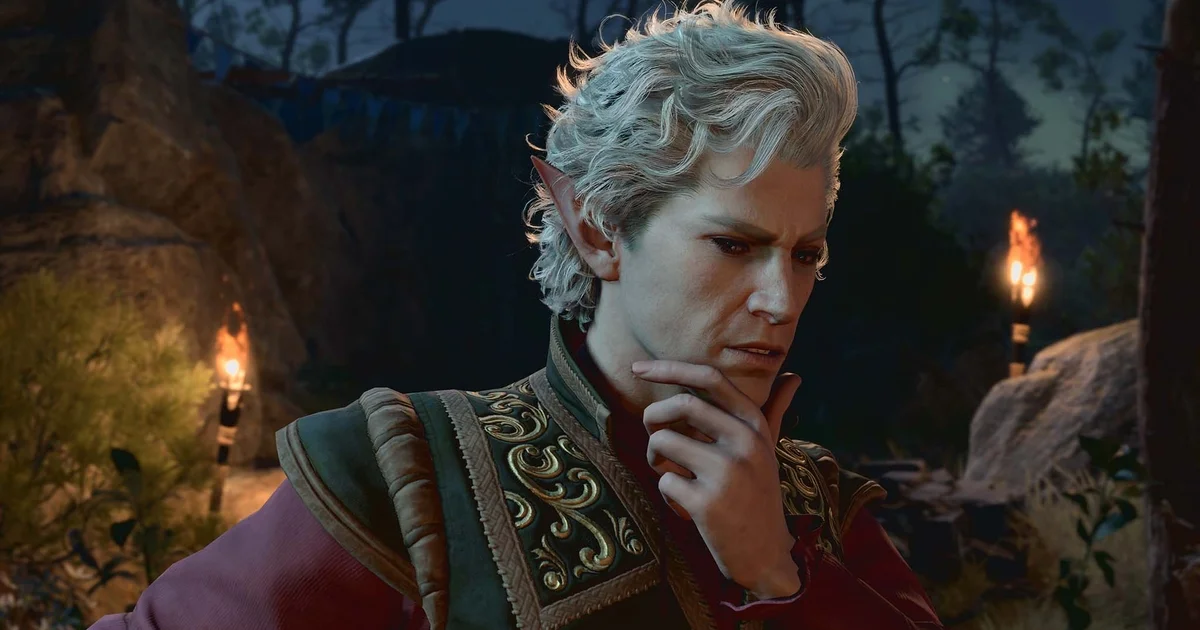
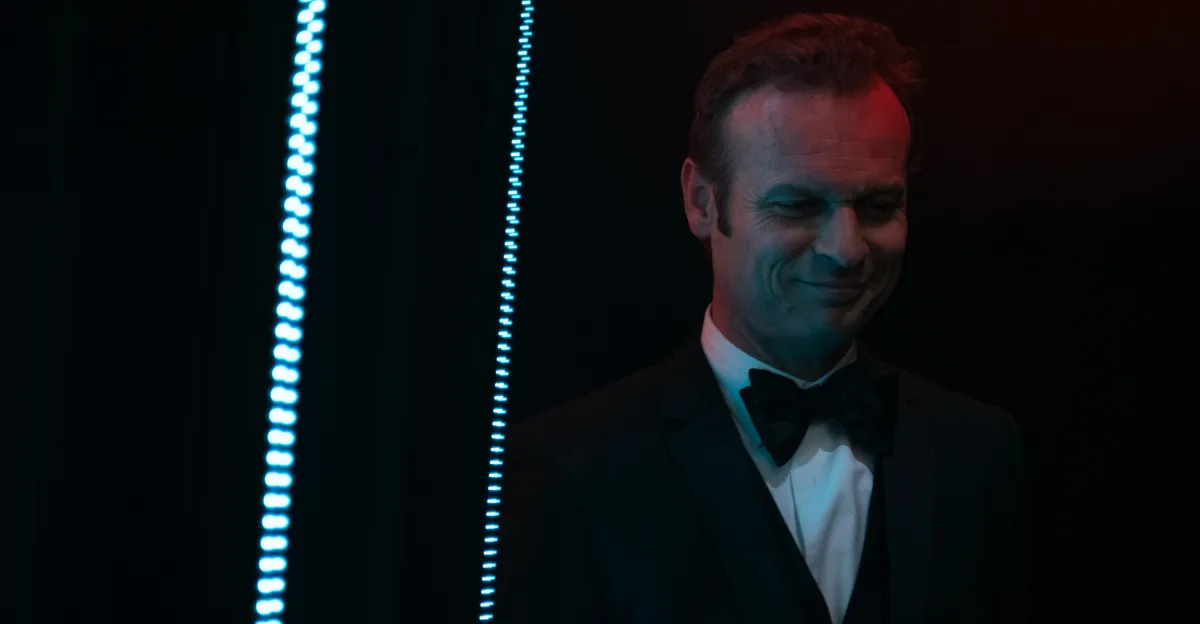
Larian Studios CEO Swen Vincke clarified that the studio is not replacing concept artists with AI, but uses AI tools at early ideation stages to explore ideas and references, emphasizing that human artists still create the final concept art. The studio employs AI to speed up experimentation and stay competitive in the industry, despite concerns about AI's controversial impact on artists and creativity.
Larian Studios' CEO Swen Vincke emphasizes that AI tools, when used properly, are additive to creativity and not replacements for skill, with the studio exploring AI mainly for idea exploration and efficiency, while maintaining that the core creative process remains human-driven and that AI has not significantly accelerated development times.
PlayStation co-CEO Hermen Hulst emphasized the importance of maintaining a balance between AI-driven innovations and human creativity in gaming. While AI is used to streamline tasks in game development, there is concern about its impact on creative roles like writing and voice acting. The Screen Actors Guild-American Federation of Television and Radio Artists (SAG-AFTRA) is striking to protect performers' rights against AI misuse. Hulst's views align with Microsoft Gaming CEO Phil Spencer, who also values the creative process in the face of AI advancements.
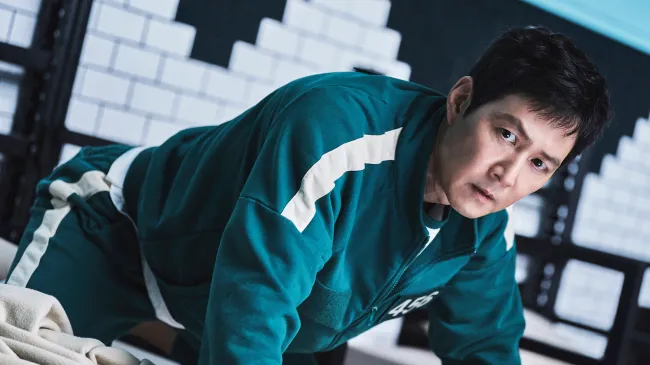
The creator of 'Squid Game,' Hwang Dong-hyuk, revealed that the writing process for the upcoming second season led to a significant change in the show's ending, as he discovered a new creative direction he wanted to pursue.
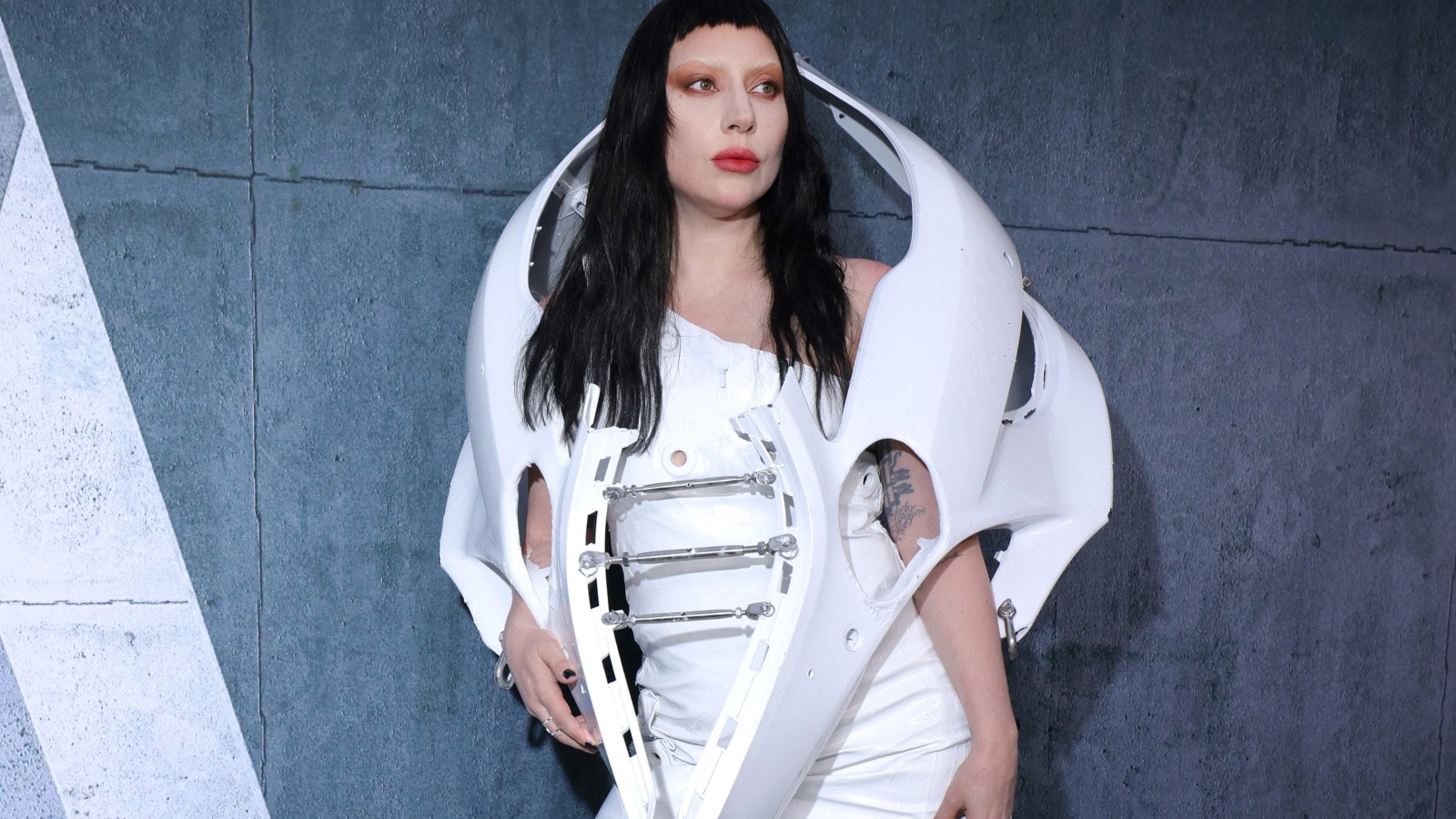
At the Los Angeles premiere of her concert film Gaga Chromatica Ball, Lady Gaga revealed she has been working on new music that is a significant departure from her previous work. She discussed her creative process, which began during her 2022 Chromatica Ball Tour, and emphasized her love for breaking genres. The film, which captures her Los Angeles performance, will premiere on HBO and Max on May 25. Gaga also reflected on the challenges of touring during the pandemic and hinted at a new artistic direction.
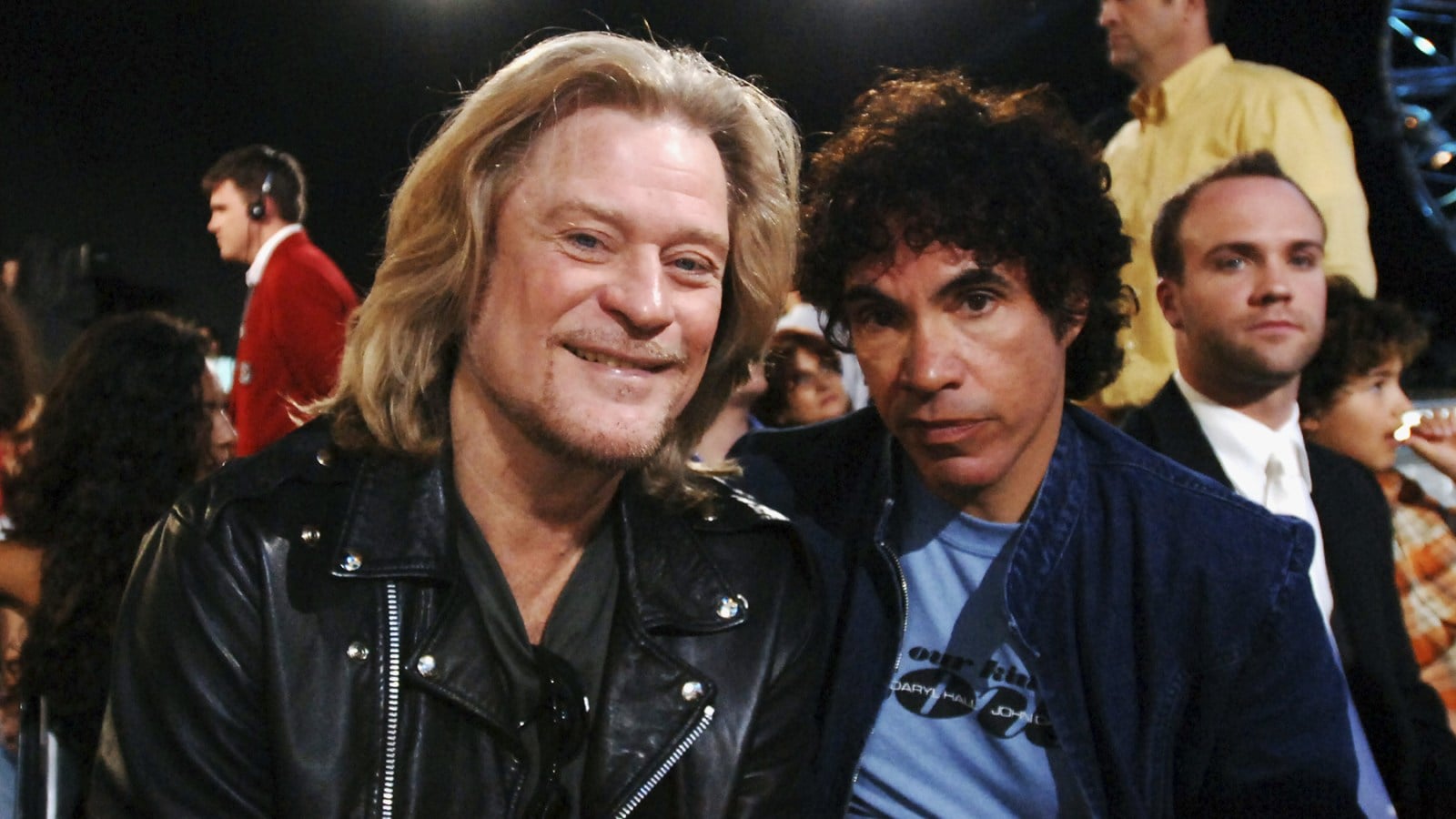
Despite multiple attempts, two Hall & Oates musicals have failed to materialize on Broadway. The first concept, titled "Modern Love," was a fictional college reunion story that the duo approved but struggled to find a producer and faced impatience during the development process. The second concept, "Maneater," was a meta-musical about the making of a fictional musical using Hall & Oates songs, but also faced challenges in raising funds and securing the duo's approval. The failed projects shed light on Broadway's early snobbery towards pop music and the internal dynamic between Daryl Hall and John Oates.
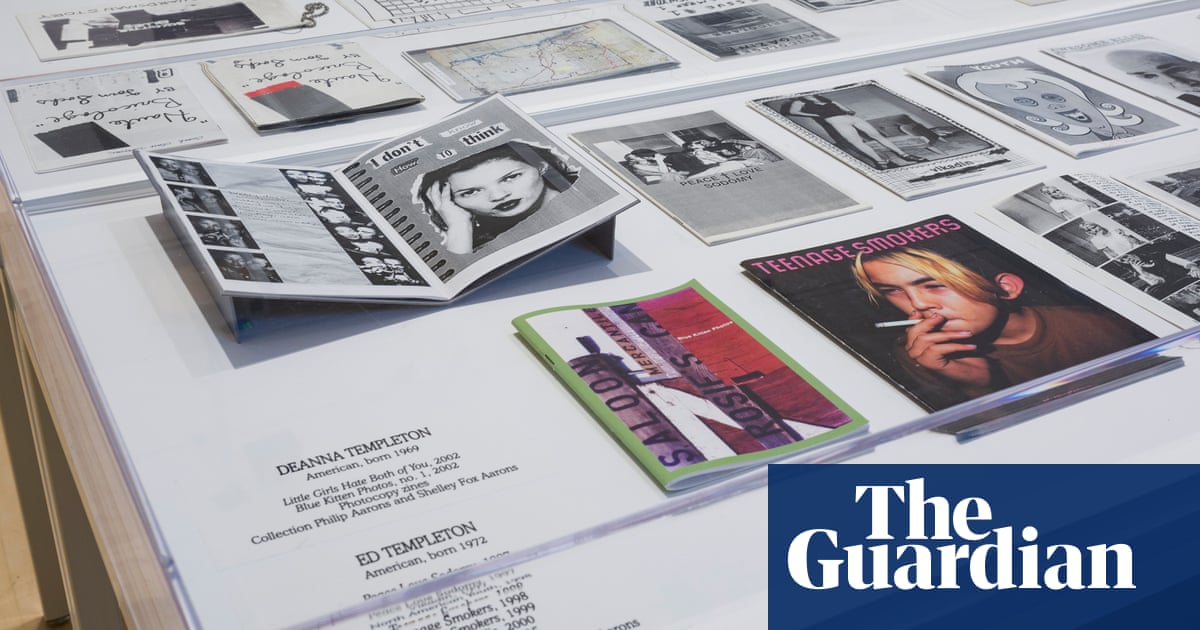
The Brooklyn Museum is hosting an exhibition called "Copy Machine Manifestos" that celebrates the radical history of zines. With over 800 objects on display, the exhibition explores the role of zines in art, their democratizing nature, and their ability to foster artistic communities. Starting in the late 1960s and early 1970s, the exhibition traces the evolution of zines, from their origins in correspondence networks to their relevance in punk, queer, and feminist movements. The exhibition aims to provide an alternative history of art and highlight the ongoing vitality of zines as a medium.
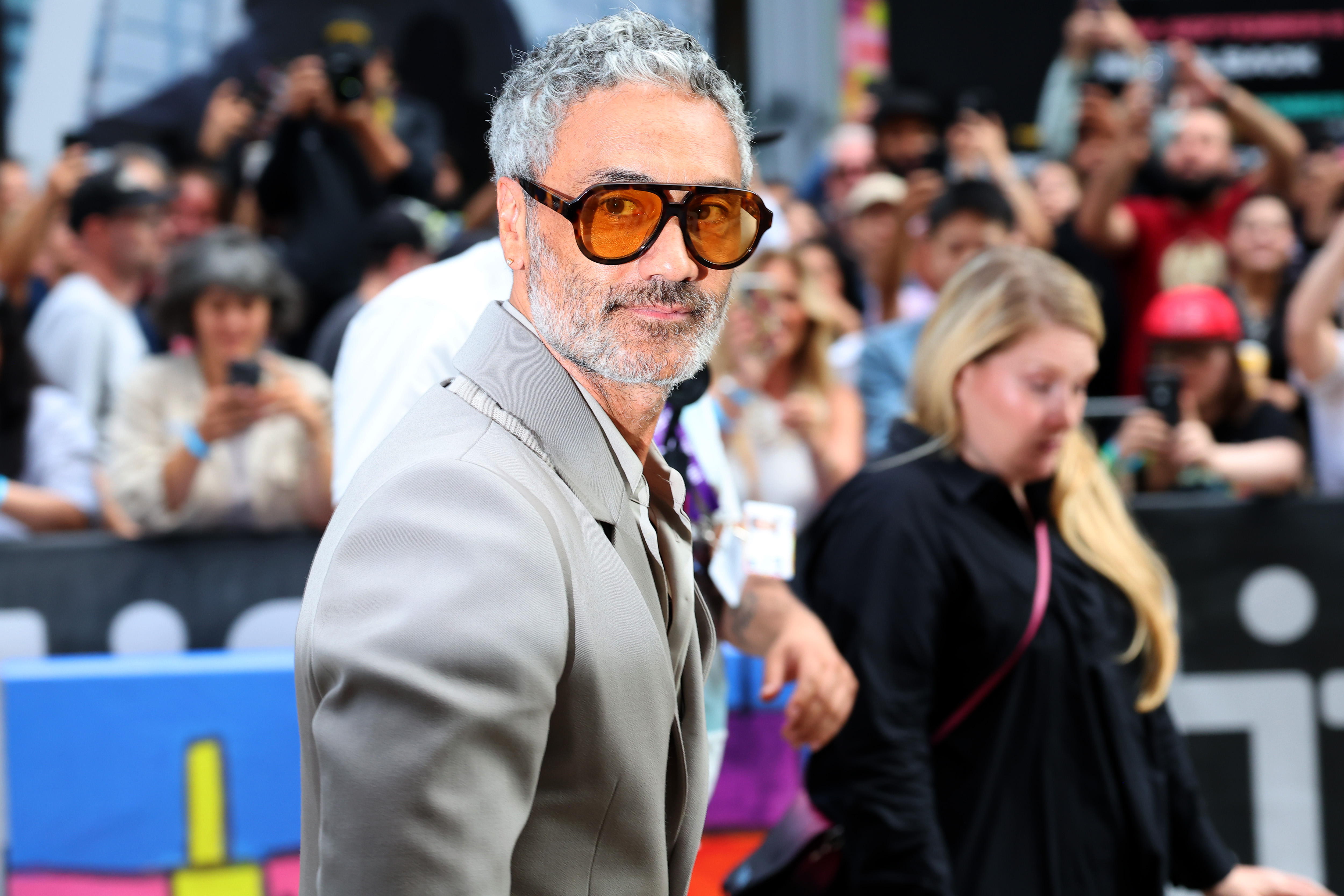
Taika Waititi discusses the delayed release of his film "Next Goal Wins" and expresses gratitude for the extra time it gave him to work on post-production. He explains that his independent film background has always led him to prefer relaxed timelines and that rushing the editing process is a shame. Waititi also reveals that the pandemic-induced delays allowed him to revisit certain creative aspects of the film, including casting himself as a priest who narrates the story. He jokes about taking artistic license with the truth, comparing himself to the authors of the Bible. "Next Goal Wins" is now playing in theaters.
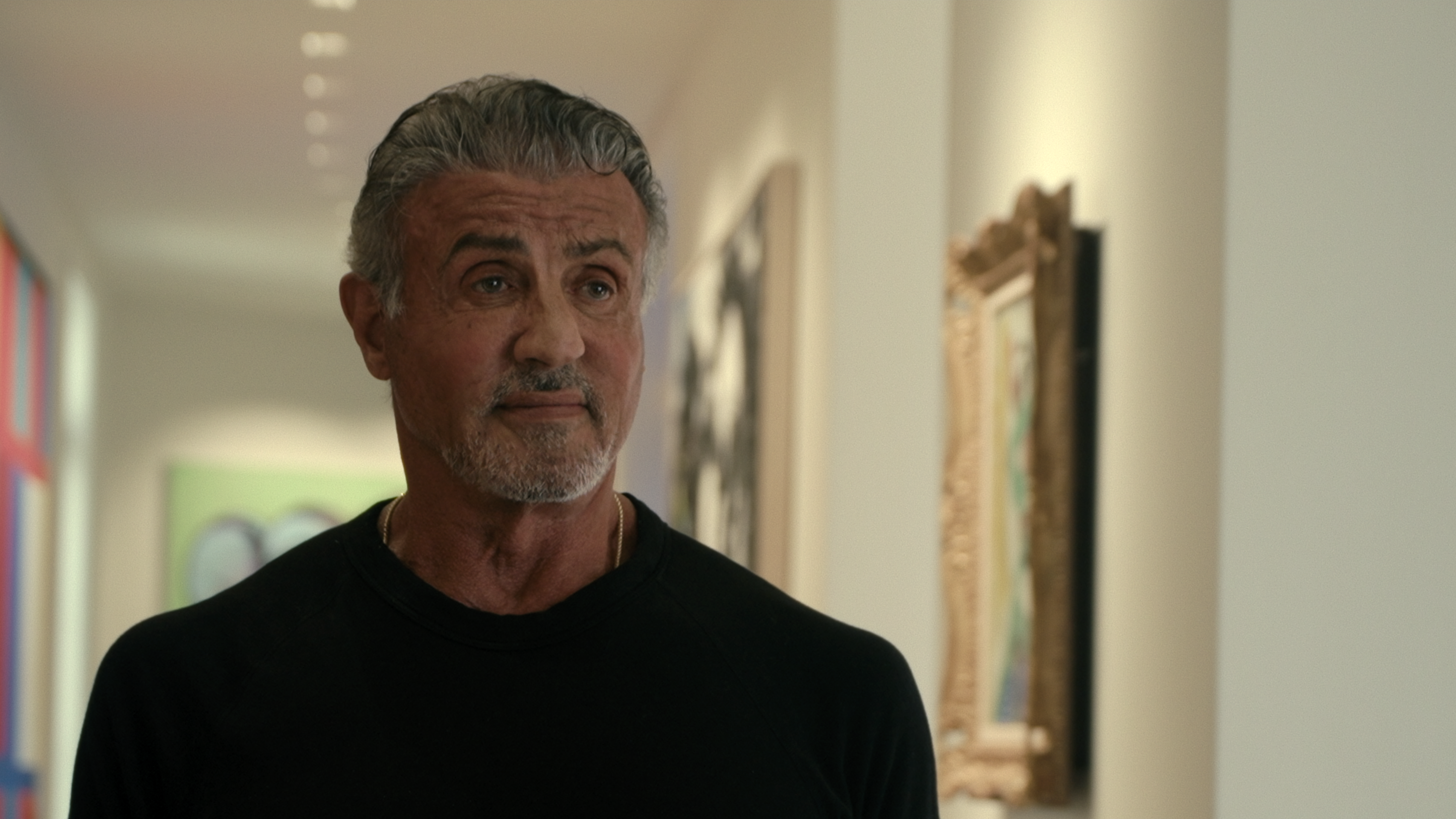
Sylvester Stallone explains his decision to move from Los Angeles to Palm Beach, Florida, in his Netflix documentary "Sly." Feeling complacent and in need of a creative jump-start, Stallone decided to leave his LA home and start fresh. He reflects on the disconnect between home and work, stating that his house no longer serves as a source of inspiration. Adele purchased Stallone's LA home for $58 million, with the condition that she could keep the iconic Rocky statue. Stallone has since purchased a $35.4 million home in Palm Beach, Florida, to continue his creative journey.
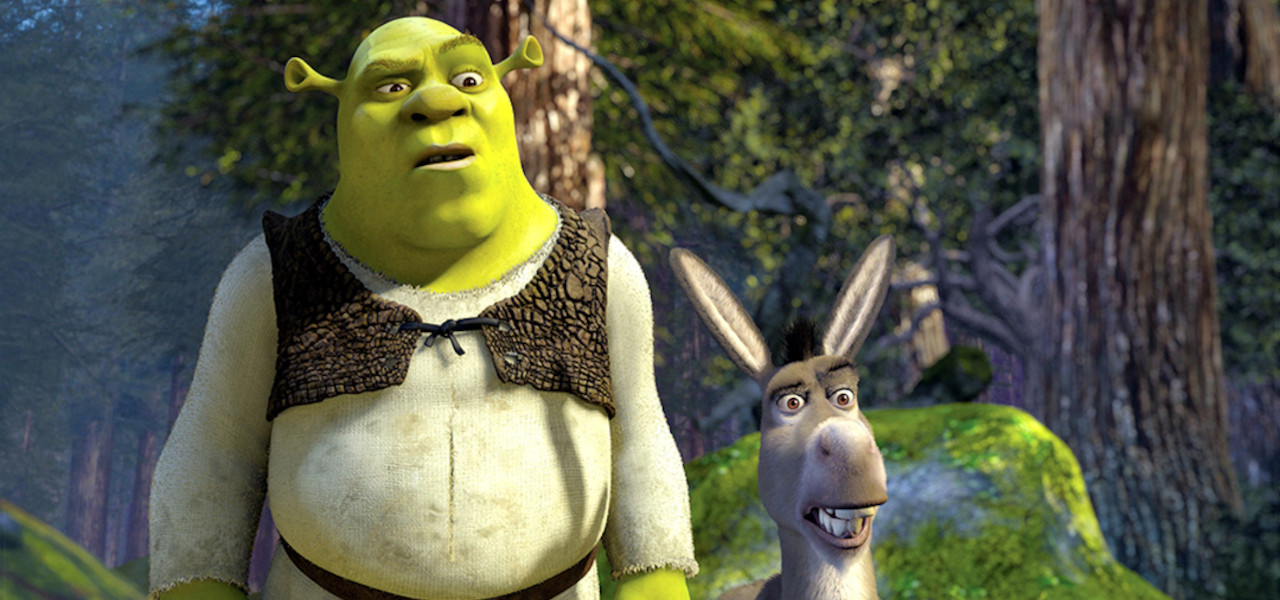
Former Dreamworks Animation CEO Jeffrey Katzenberg predicts that within the next three years, AI will reduce the time and labor required to create a world-class animated film by 90%. He believes that AI will be a creative tool that democratizes the creative process and opens up new storytelling opportunities for artists. While it may disrupt and commoditize certain aspects of the industry, Katzenberg emphasizes that creativity and individual inspiration will still play a crucial role in producing compelling stories.
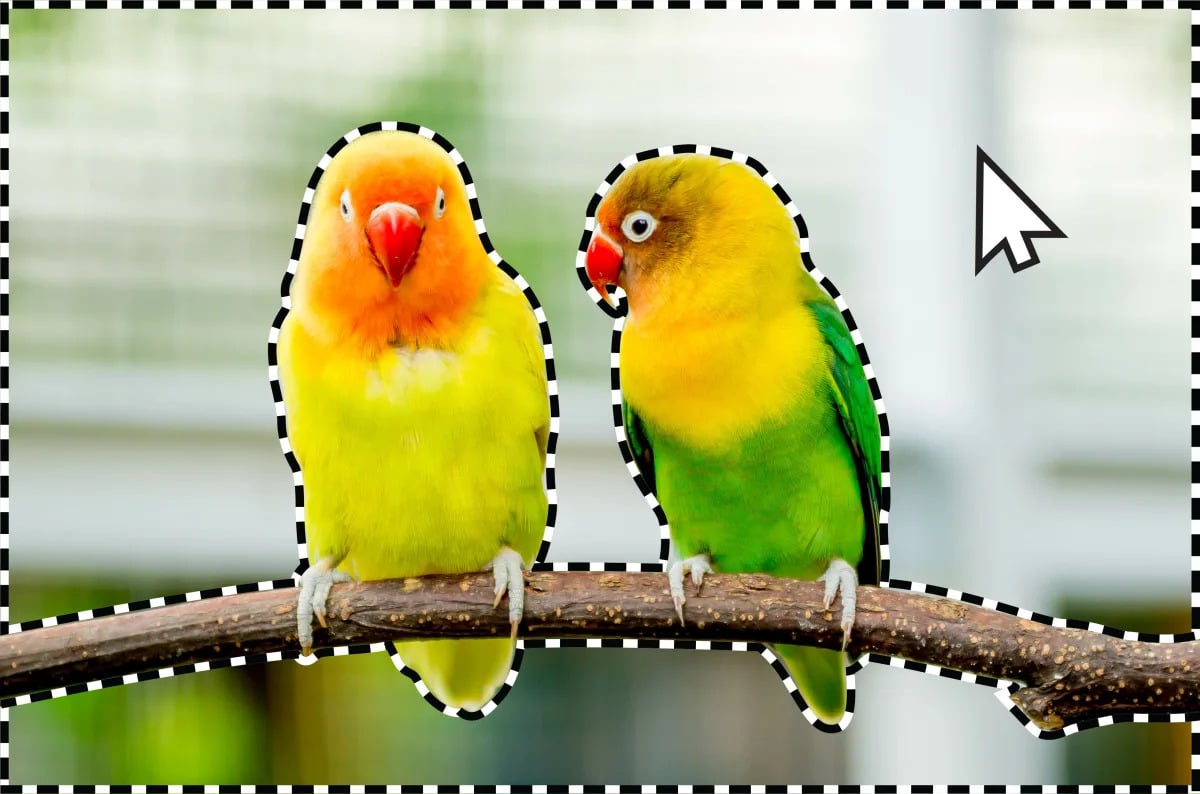
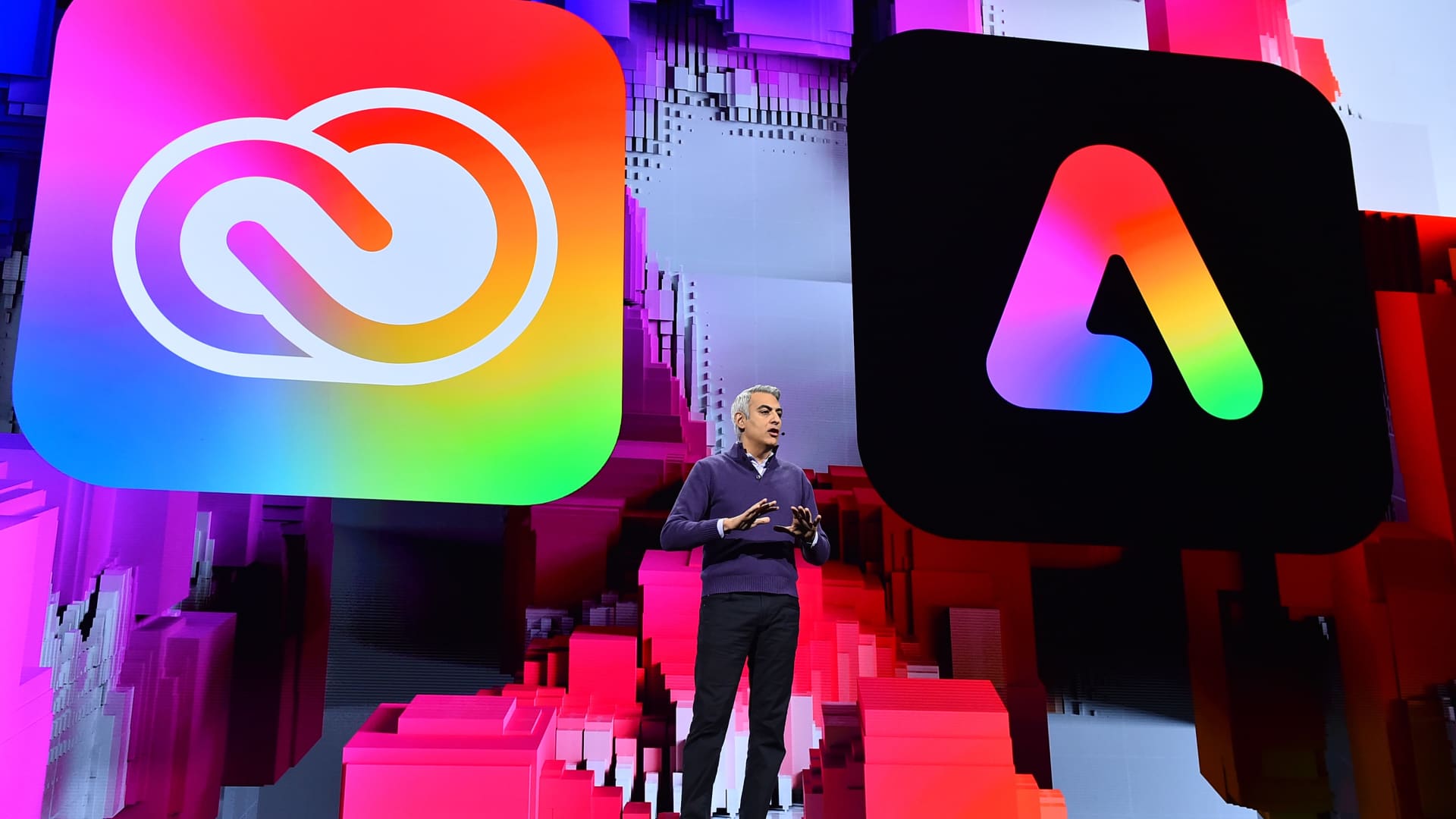
Adobe has released the latest versions of Photoshop Elements and Premiere Elements, featuring numerous AI-powered tools that streamline the creative process. In Photoshop, there is a new tool for automatically selecting and editing objects and backgrounds, as well as AI-powered skin smoothing and artistic effects. Premiere now uses AI to create highlight reels from uploaded footage. Both software suites also include additional features and aesthetic updates.
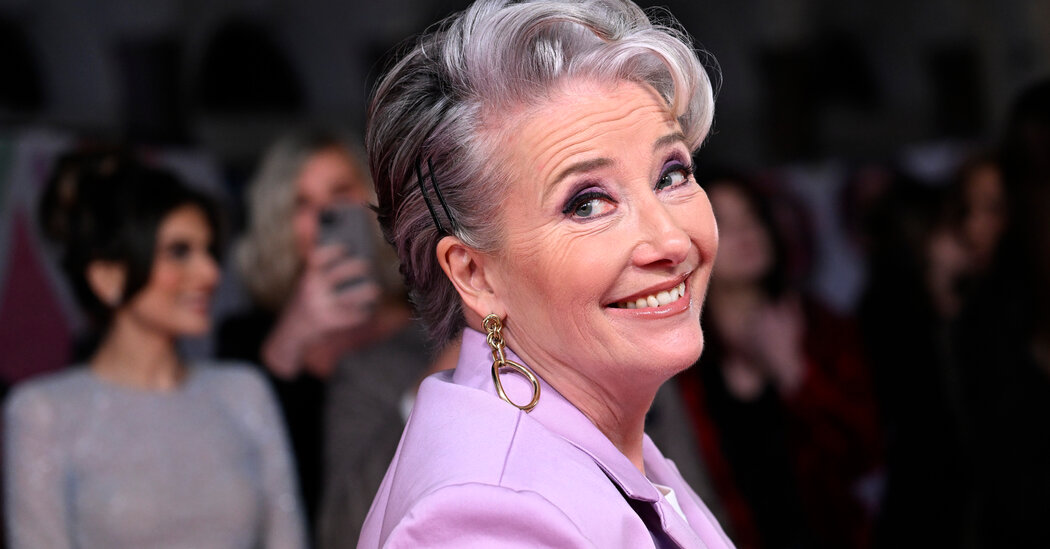
Emma Thompson criticizes the term "content" for devaluing creative work in the entertainment industry. She argues that the catchall phrase diminishes the talent and effort of writers, directors, and actors, suggesting that entertainment is simply churned out and could be done by anyone. Thompson emphasizes the importance of language in shaping our perception and calls for more clarity in describing different forms of entertainment. She believes that using terms like "streaming movie" or "theatrical release" communicates more precisely than the vague term "content."
Fatboi Sharif, an experimental rapper from New Jersey, discusses his creative process, performing live shows, and his aversion to being labeled as "weird." Sharif's unique lyricism and enigmatic persona have garnered attention in the underground hip-hop scene. He attributes his confidence to his upbringing and emphasizes the importance of self-acceptance. Sharif's music blends elements of hip-hop, grunge, and soul, creating a distinct sound that defies categorization. He is currently working on multiple projects and remains committed to staying true to his artistic vision, regardless of accessibility.
Graphic designers are recognizing the value of generative artificial intelligence (AI) tools, such as OpenAI's DALL-E and Adobe's Firefly, in meeting the growing demand for visual content. While concerns exist that AI may replace creative professionals, designers are leveraging the current limitations of the technology, which relies on human prompts for optimal results. AI is seen as a tool to enhance the creative process, saving time and scaling workloads. However, designers emphasize the importance of maintaining the upper hand over AI by using it as part of a larger creative process and infusing it with purpose and originality. Legal complexities surrounding copyright and ownership of AI-generated artwork remain unresolved. Adobe's integration of generative AI tools into its products, such as Photoshop's AI Generative Fill, is making a significant impact in the industry. Overall, designers view AI as a playground for experimentation and a means to better understand its potential applications.