
Tag

Climate Fluctuations

All articles tagged with #climate fluctuations

earth-sciences2 years ago

"Unveiling Paratethys: Earth's Enormous Ancient Lake"

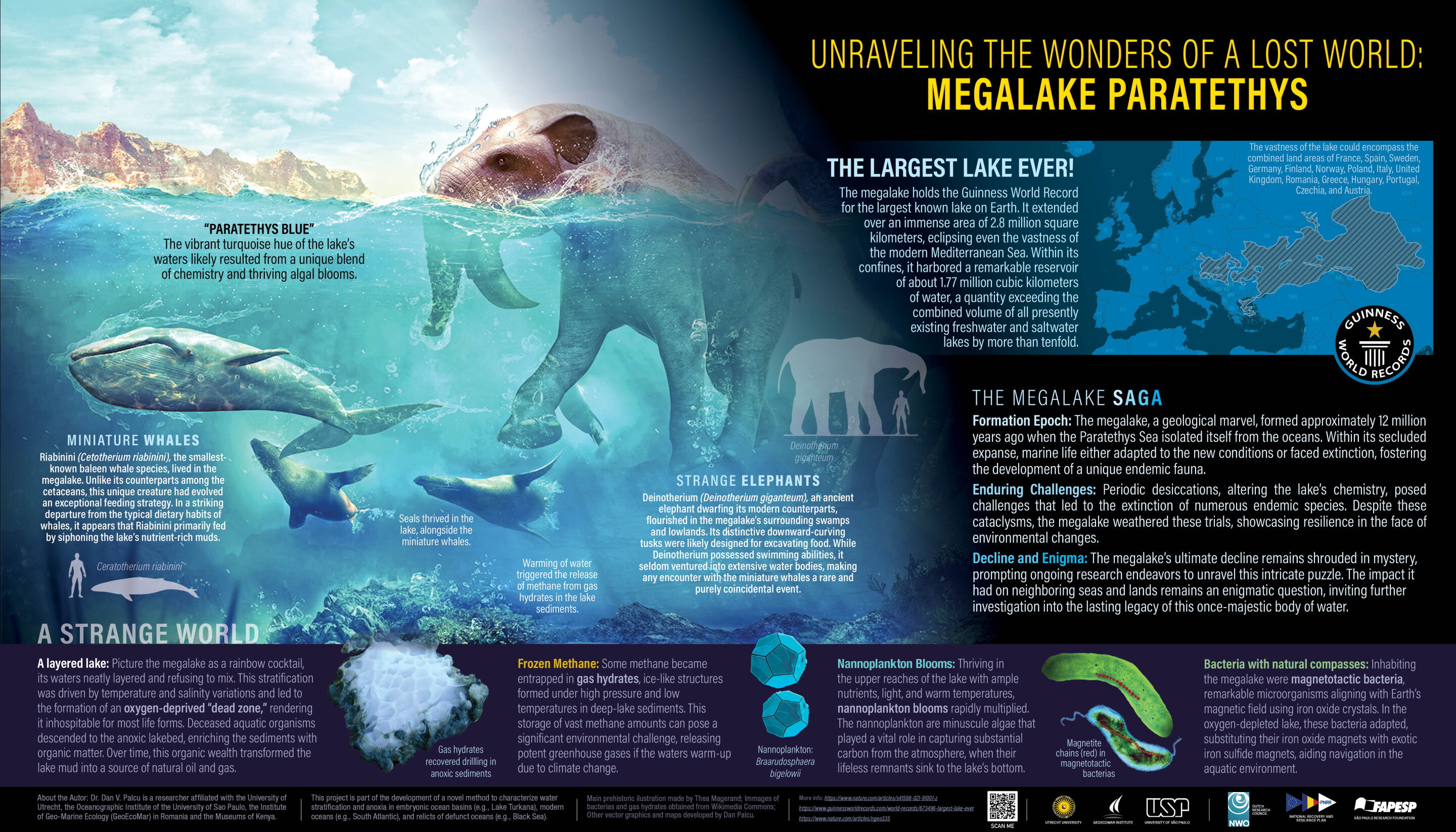
The Paratethys, a megalake that existed around 11 million years ago, has been recognized by the Guinness World Records as the largest lake ever on Earth. Spanning an area of 2.8 million square kilometers and containing 1.77 million cubic kilometers of water, the Paratethys surpassed the size and volume of all current freshwater and saltwater lakes combined. Research led by Dr. Dan Palcu from Utrecht University used magnetostratigraphy to determine the lake's dimensions and revealed its tumultuous history marked by hydrological crises and desiccation periods. Understanding the Paratethys provides insights into climate fluctuations and offers hope for addressing current and future environmental crises.
anthropology2 years ago

Ancient humans favored diverse and mosaic landscapes, study shows.

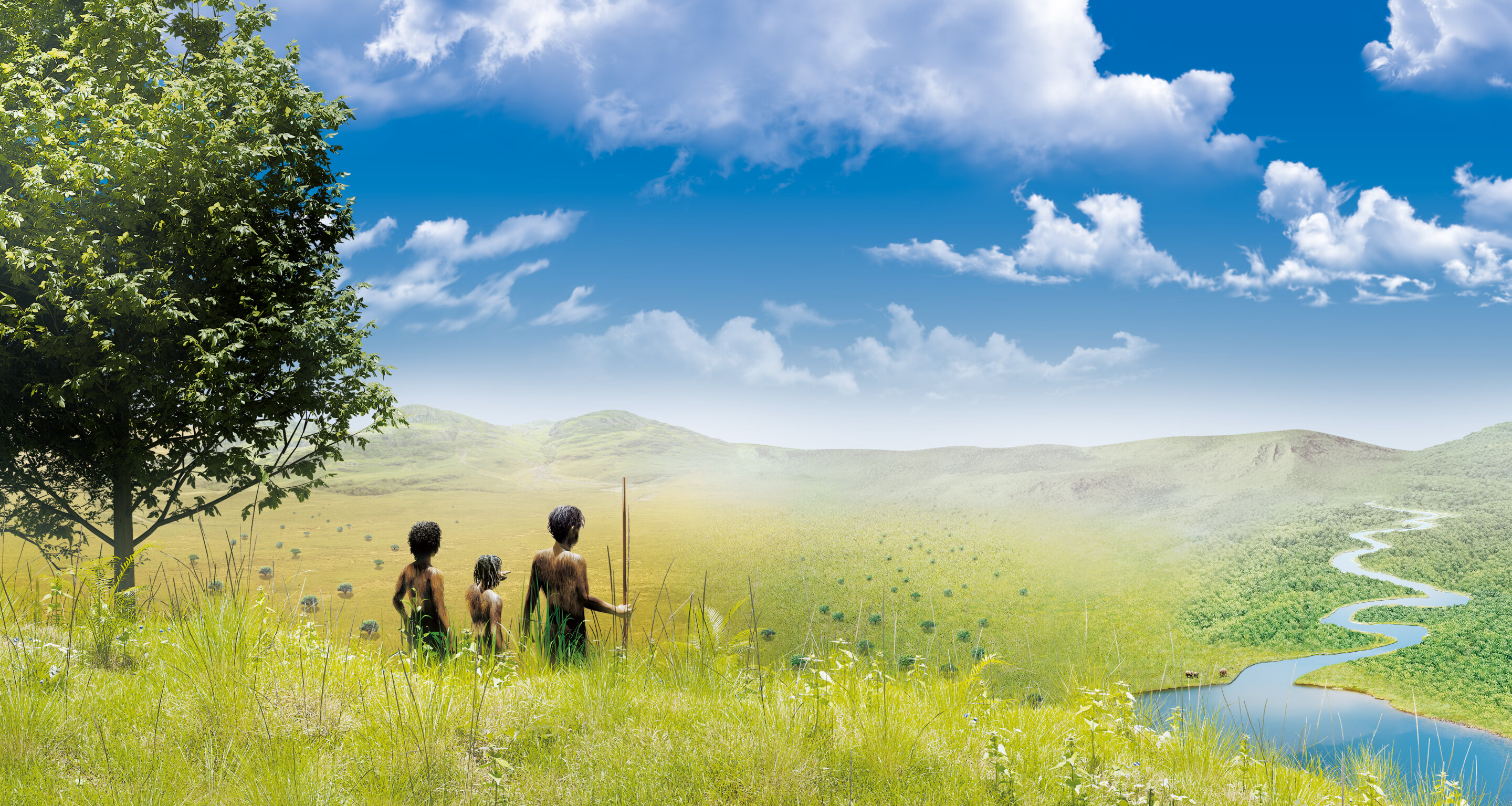
A new study published in the journal Science finds that early human species adapted to mosaic landscapes and diverse food resources, which would have increased our ancestor's resilience to past shifts in climate. The scientists used a compilation of more than three thousand well-dated human fossil specimens and archaeological sites, representing six different human species, in combination with realistic climate and vegetation model simulations, covering the past 3 million years. The results indicate that ecosystem diversity played a key role in human evolution.

science2 years ago

Unraveling the Ancient Mediterranean Climate through Mummies.

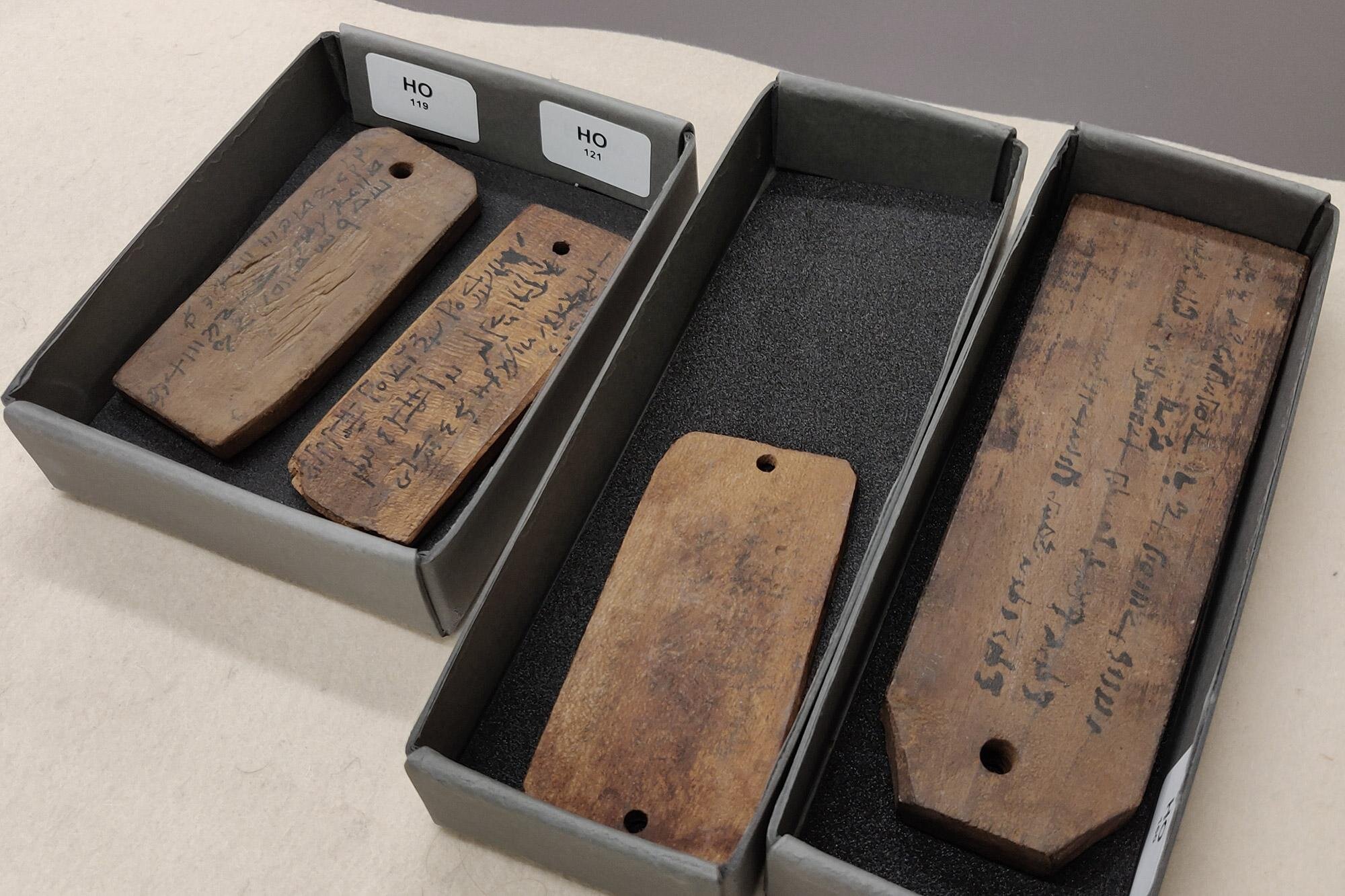
Swiss scientists are using wooden artifacts attached to Roman-era mummies to reconstruct the climate of the ancient Mediterranean. The wooden labels, which were used to identify the deceased, contain growth rings that provide information about the climate at the time. By analyzing the ring sequences of over 300 labels, the researchers have identified overlaps that provide an initial outline of what the climate used to be like in the eastern Mediterranean. The next step will be to locate these events in history and pinpoint the exact date using radiocarbon dating.