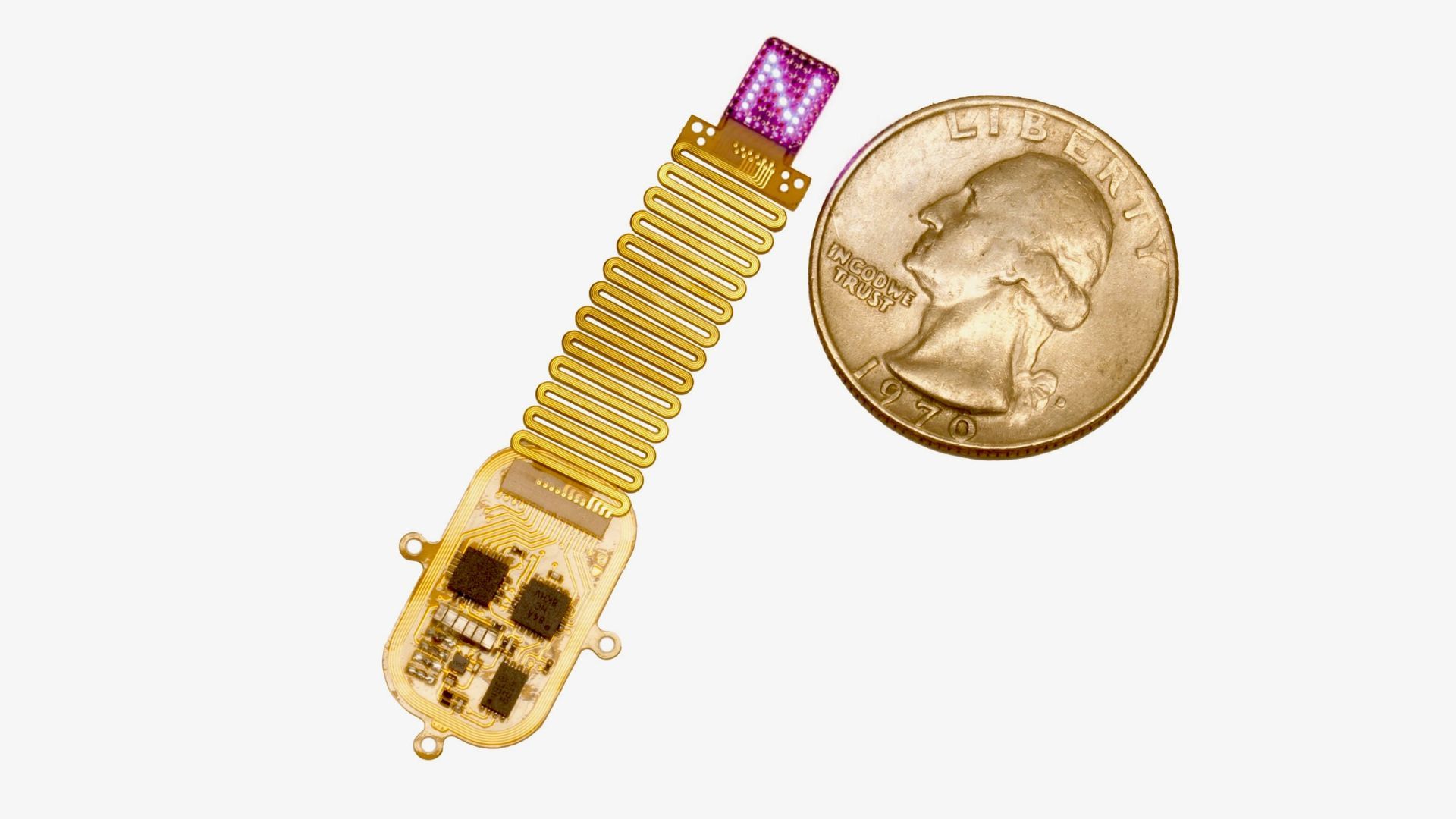
A small, wireless implant uses LED light and genetic modification to communicate directly with the brain's neurons in mice, enabling new ways to study and potentially treat neurological conditions without invasive procedures or external wires.
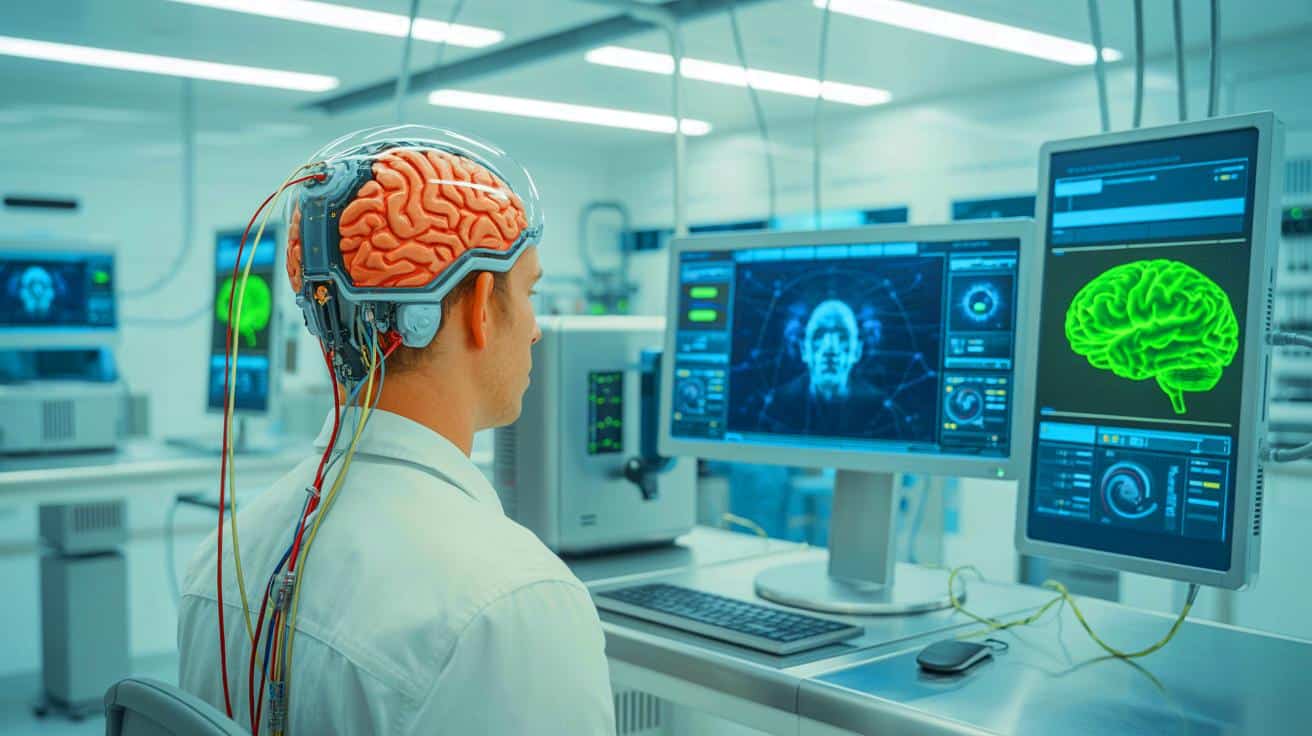
Neuralink, founded by Elon Musk, is developing a brain implant that translates thoughts into text, initially aimed at helping speech-impaired individuals, with future plans for healthy users, raising ethical questions about human enhancement and technological integration. Clinical trials are set to evaluate safety and efficacy, while the technology sparks debates on the boundaries of human augmentation.
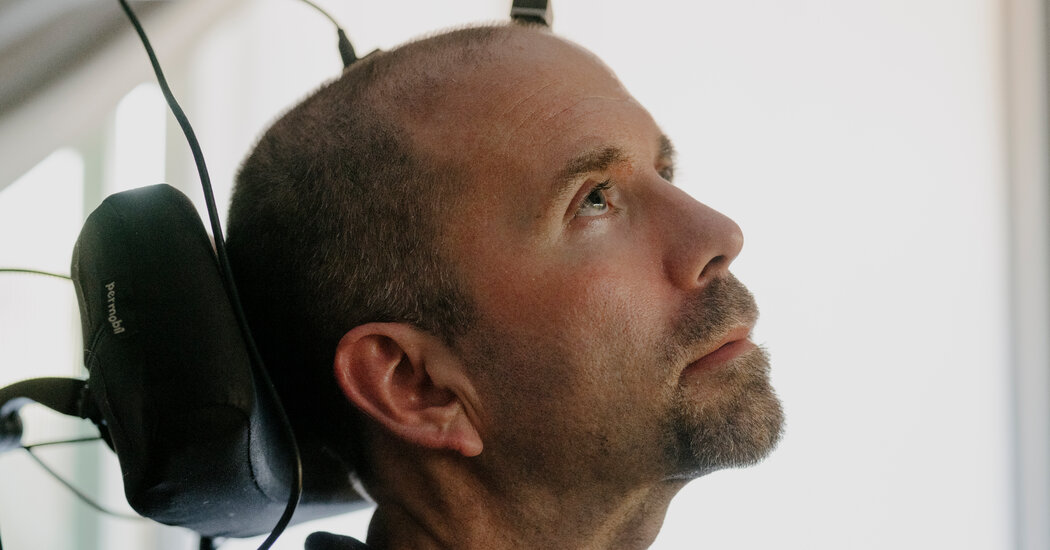
Scientists have made significant progress in decoding not only spoken words but also imagined speech using brain-machine interfaces, offering hope for patients with speech impairments like A.L.S. and stroke victims to communicate through their 'inner voice.'
Researchers at Kobe University have developed an AI algorithm that can predict mouse movement with 95% accuracy by analyzing whole-cortex functional imaging data, without the need for data preprocessing. The AI model can make accurate predictions based on just 0.17 seconds of imaging data and has the potential to contribute to the development of non-invasive, near real-time brain-machine interfaces. The researchers also devised a technique to identify which parts of the data were pivotal for the prediction, offering insights into the AI's decision-making process and enhancing the interpretability of deep learning in neuroscience.
Researchers at ETH Zurich have developed a groundbreaking approach to prosthetic technology that aims to improve connectivity with the nervous system, potentially revolutionizing the field and offering new hope for those with limb impairments.
Documents obtained by DailyMail.com reveal that Elon Musk's Neuralink project has killed at least 1,500 animals, including monkeys, sheep, and pigs, during its quest to develop a brain implant that allows people to control electronic devices with their minds. The animal testing involved drilling holes into monkeys' heads, implanting devices, and subjecting the animals to multiple surgeries before euthanizing them. The Physicians Committee for Responsible Medicine has raised concerns about the "extreme suffering" endured by the animals and the "systematic disregard" for their lives, while Neuralink has stated its commitment to working with animals in a humane and ethical way.
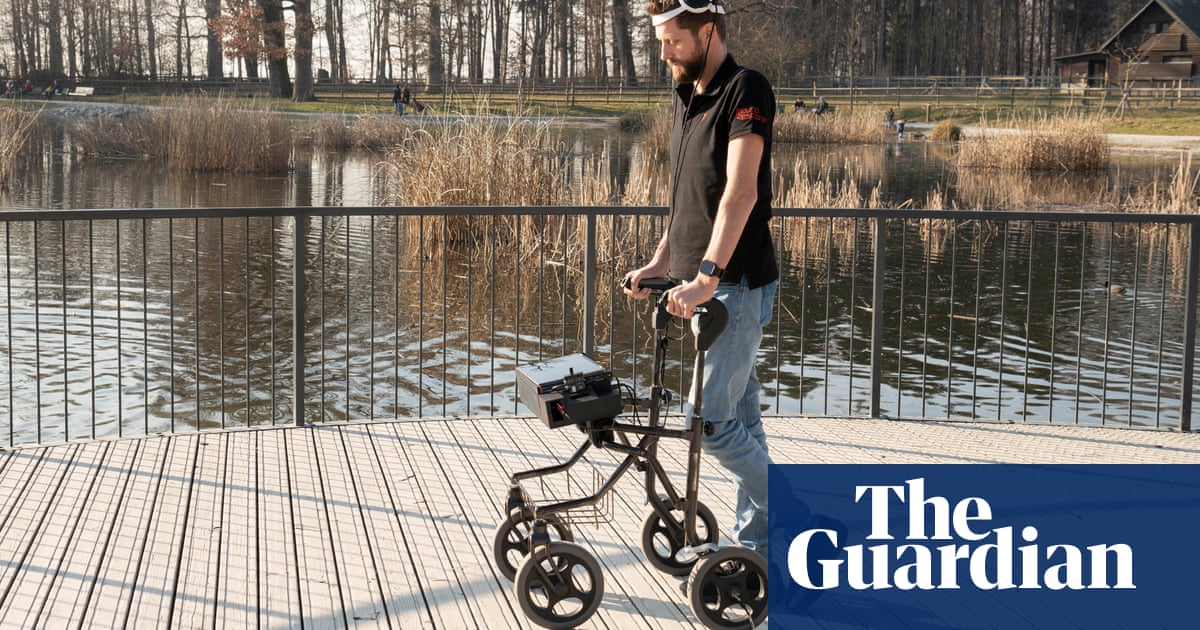
A man who was paralysed in a cycling accident in 2011 has been able to stand and walk with an aid after doctors implanted a device that reads his brain waves and sends instructions to his spine to move the right muscles. The “digital bridge” is the latest from a team of neuroscientists in Switzerland who have a longstanding programme to develop brain-machine interfaces to overcome paralysis. The device does not produce swift, smooth strides, but the implant allowed for more natural movements than before, because standing up and walking were initiated and controlled by thinking about the actions.