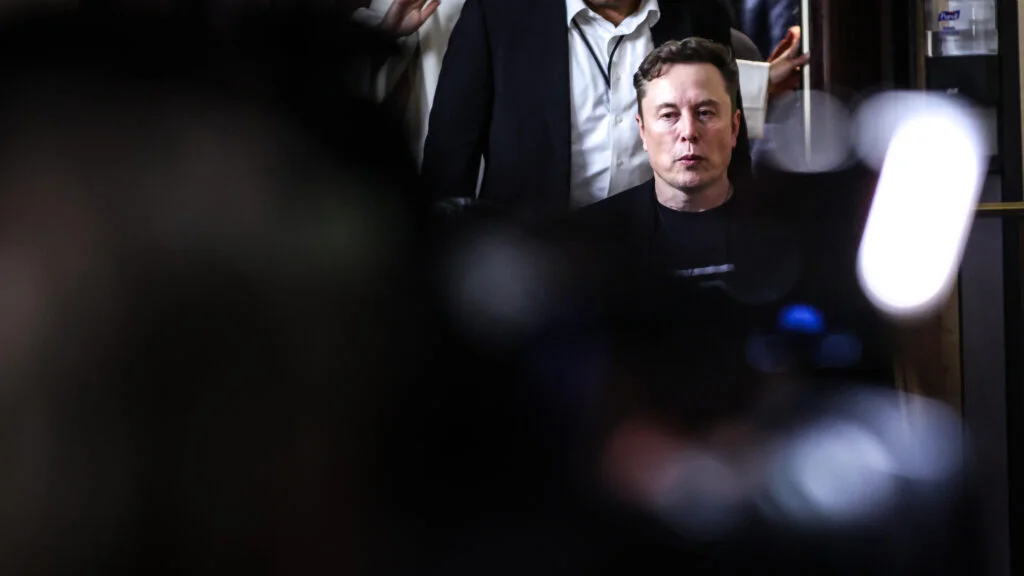
Neuralink, led by Elon Musk, is at a crossroads between developing technology to help people with disabilities and pursuing broader ambitions like AI integration and potential future AI conflicts, with recent leadership moves fueling questions about its true priorities.
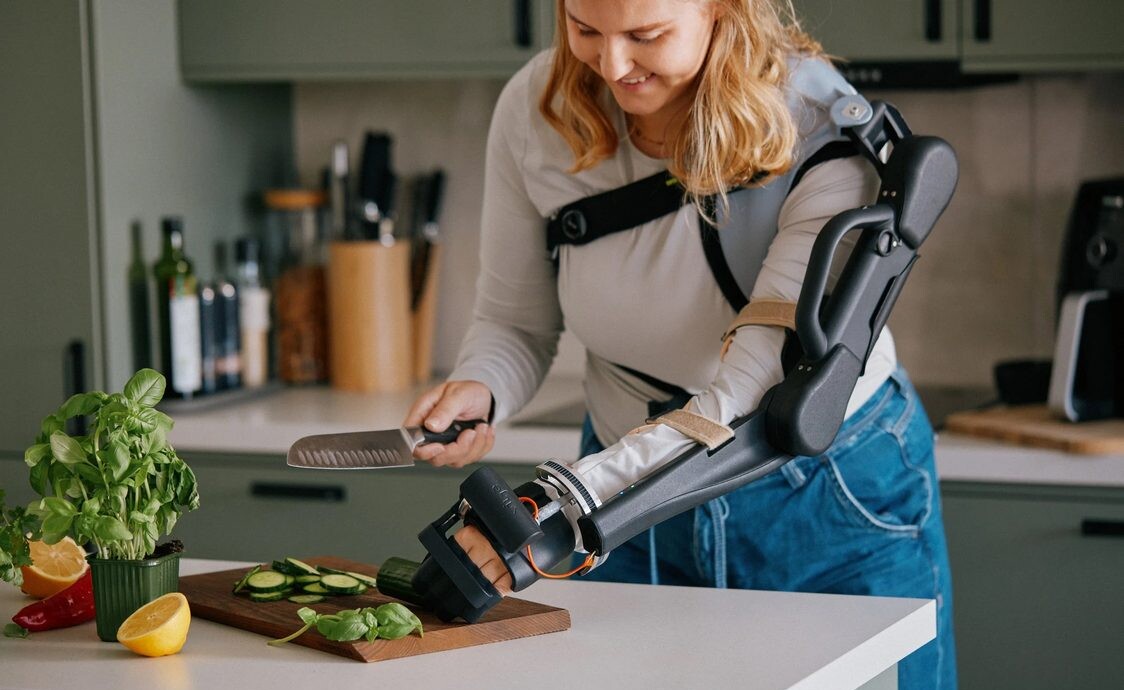
Vilje Bionics in Norway has developed the world's first full-arm exoskeleton, Vilpower, to help stroke victims regain arm movement and independence by amplifying tiny residual movements, with plans for commercial release in 2026.
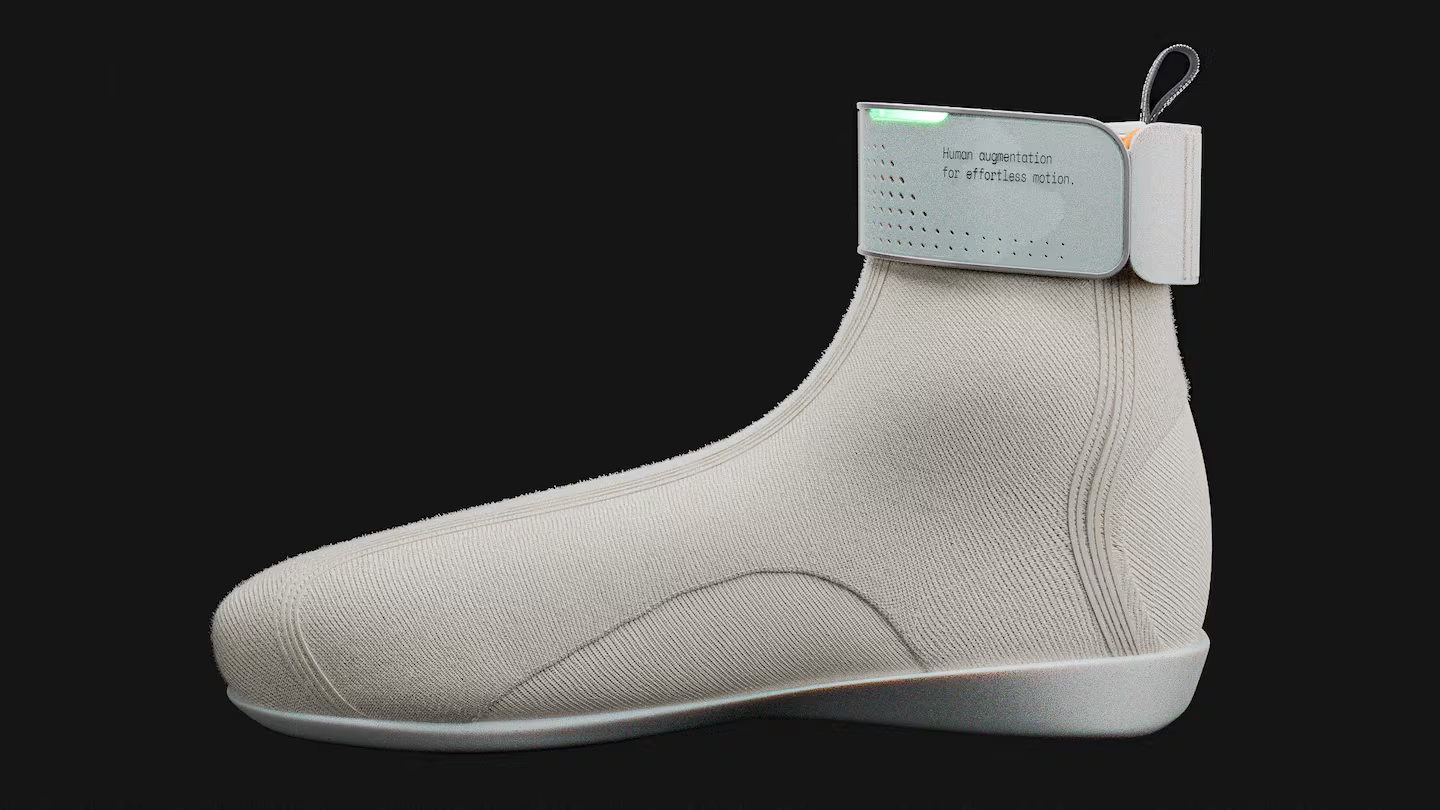
Harvard engineering students and US Army veterans Bradley Wagman and Viktor Bokisch developed Sole1, a robotic sock using artificial tendons and AI to help people with foot drop, a walking disability.
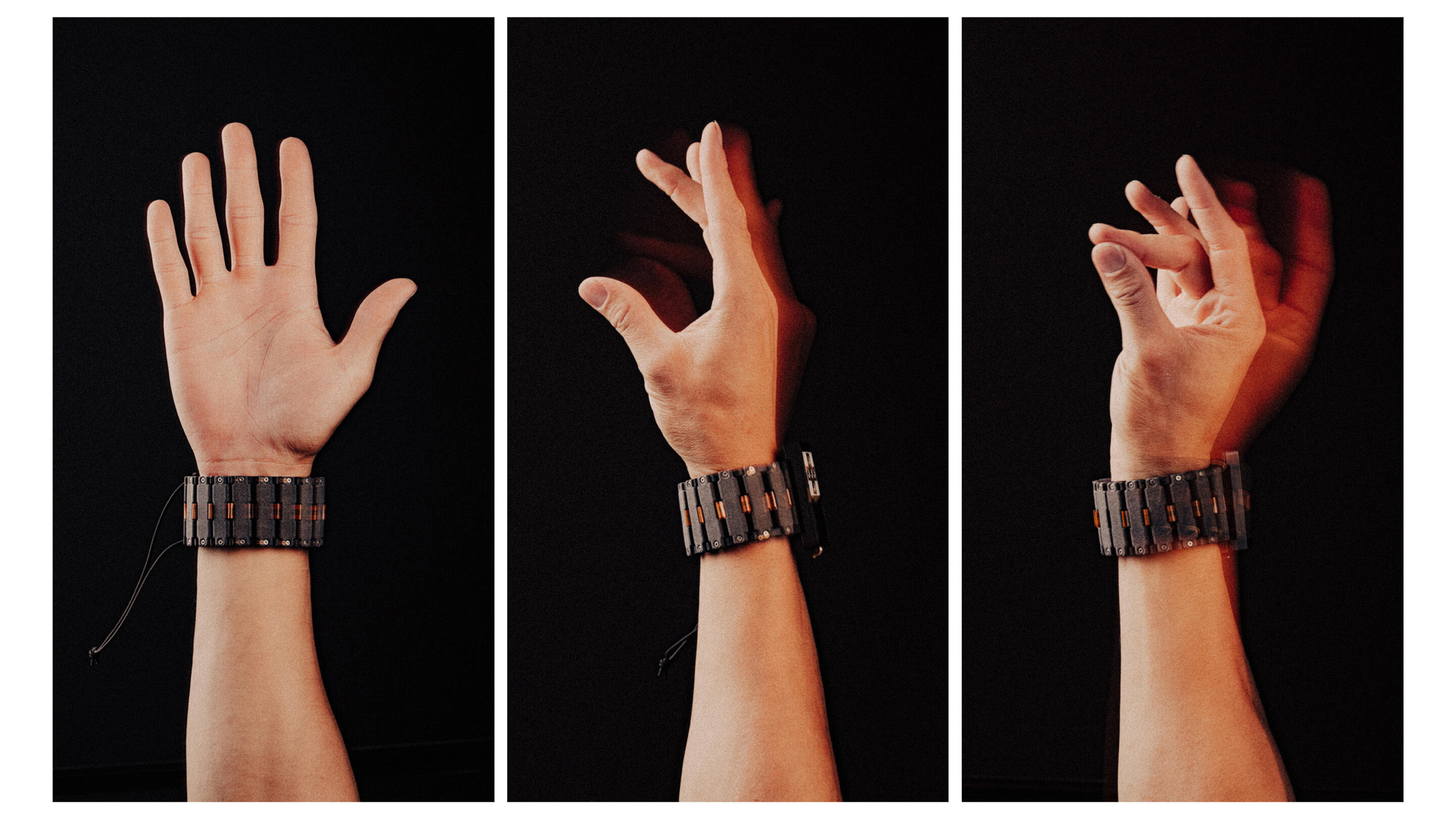
Meta's Reality Labs has developed an experimental wristband that translates hand gestures and subtle finger movements into commands for digital devices, potentially enabling touchless control and aiding individuals with severe disabilities. The device uses electromyography and AI to adapt to users without prior training, and could be available within a few years.