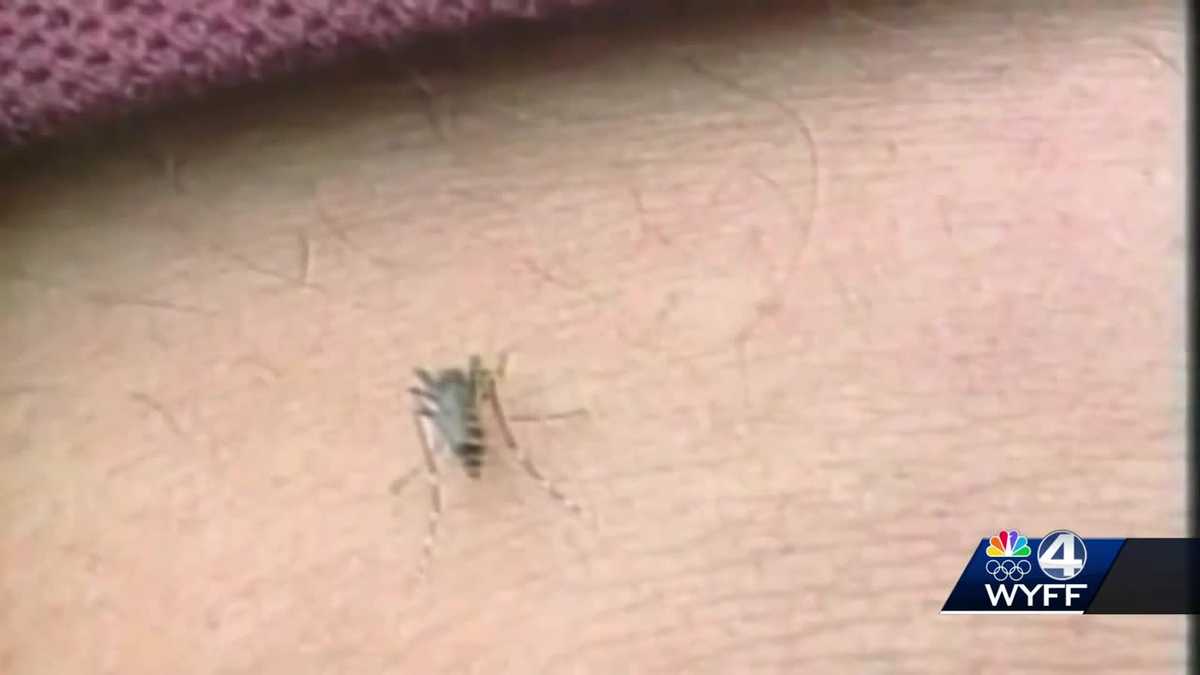
Eric Benson, an extension entomologist at Clemson University, discusses the prevalence of mosquitoes in South Carolina, noting that while there's no specific data indicating an increase this year, warm weather and rainfall support their numbers. The most common species in the area is the Asian Tiger Mosquito, which bites during the day and early morning/evening. Mosquitoes are attracted to certain blood types, body temperatures, odors, and darker colors like red and black.
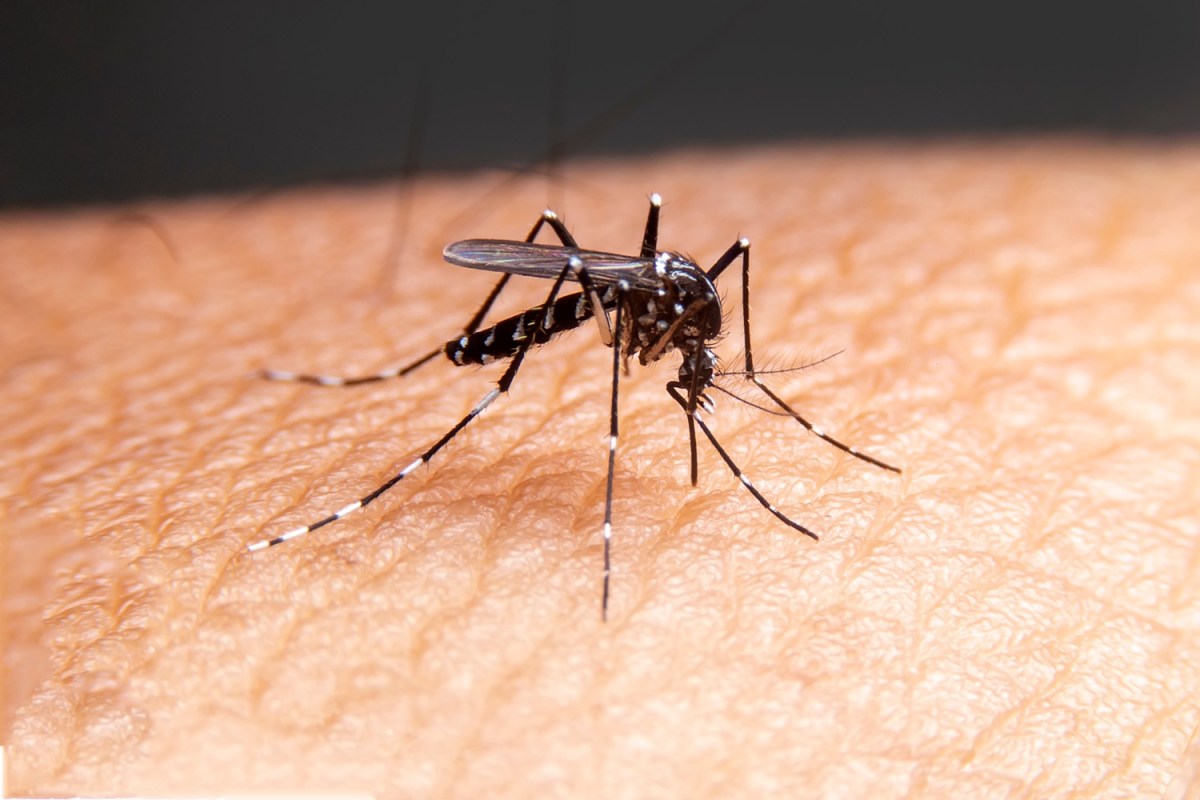
The Asian Tiger mosquito, a species that arrived in the US in the 1970s, is spreading diseases such as dengue, West Nile virus, Zika, chikungunya, and malaria across the country. Experts warn that the US is unprepared for the threat posed by this mosquito species, and inaction will only make the situation worse. The workshop on mosquito-borne illnesses highlighted the increasing presence of tropical diseases in the US and the need for proactive measures to address the issue.
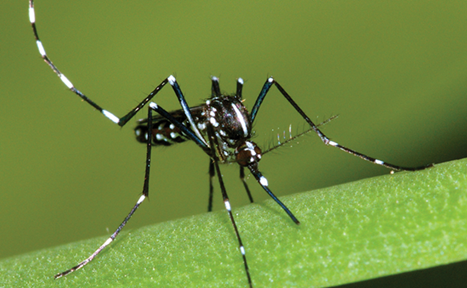
The Rhode Island Department of Environmental Management has detected West Nile Virus in a mosquito sample collected from Westerly, marking the first case of the virus in the state this year. Residents are urged to help control mosquito populations by eliminating larval habitats and being aware of the Asian Tiger Mosquito, a daytime biter with a distinctive black and white pattern. Connecticut and Massachusetts have also reported positive cases of West Nile Virus in mosquitoes, while no cases of Eastern Equine Encephalitis have been found yet. Horse owners are advised to vaccinate their animals early in the season.
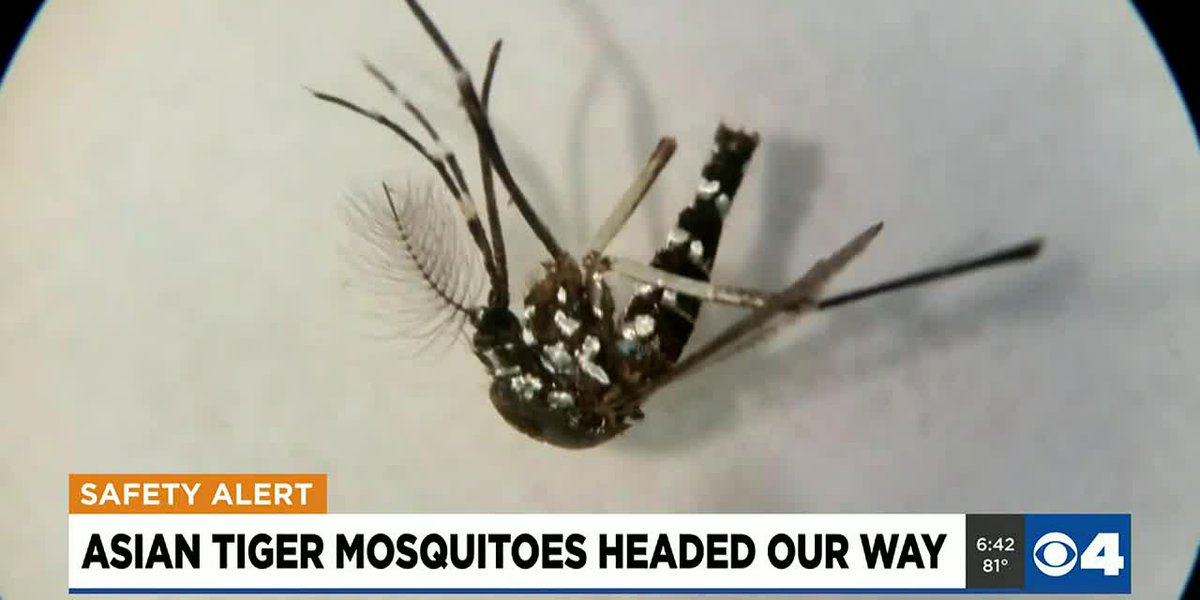
The Asian Tiger Mosquito, which is known for carrying diseases like the Zika virus, is making its way to Missouri due to the region's warm and moist summers and mild winters. Pest control experts warn that these mosquitos require very little water to breed and can be found near any standing water source, making it important to remove any potential breeding grounds.