Most consumer gut-mapping kits offer limited, hard-to-interpret benefits for healthy individuals; while results can aid care when ordered by a clinician, misinterpretation can cause distress and the science is still evolving—so consult a GP or dietitian and focus on evidence-backed gut health basics and screening.
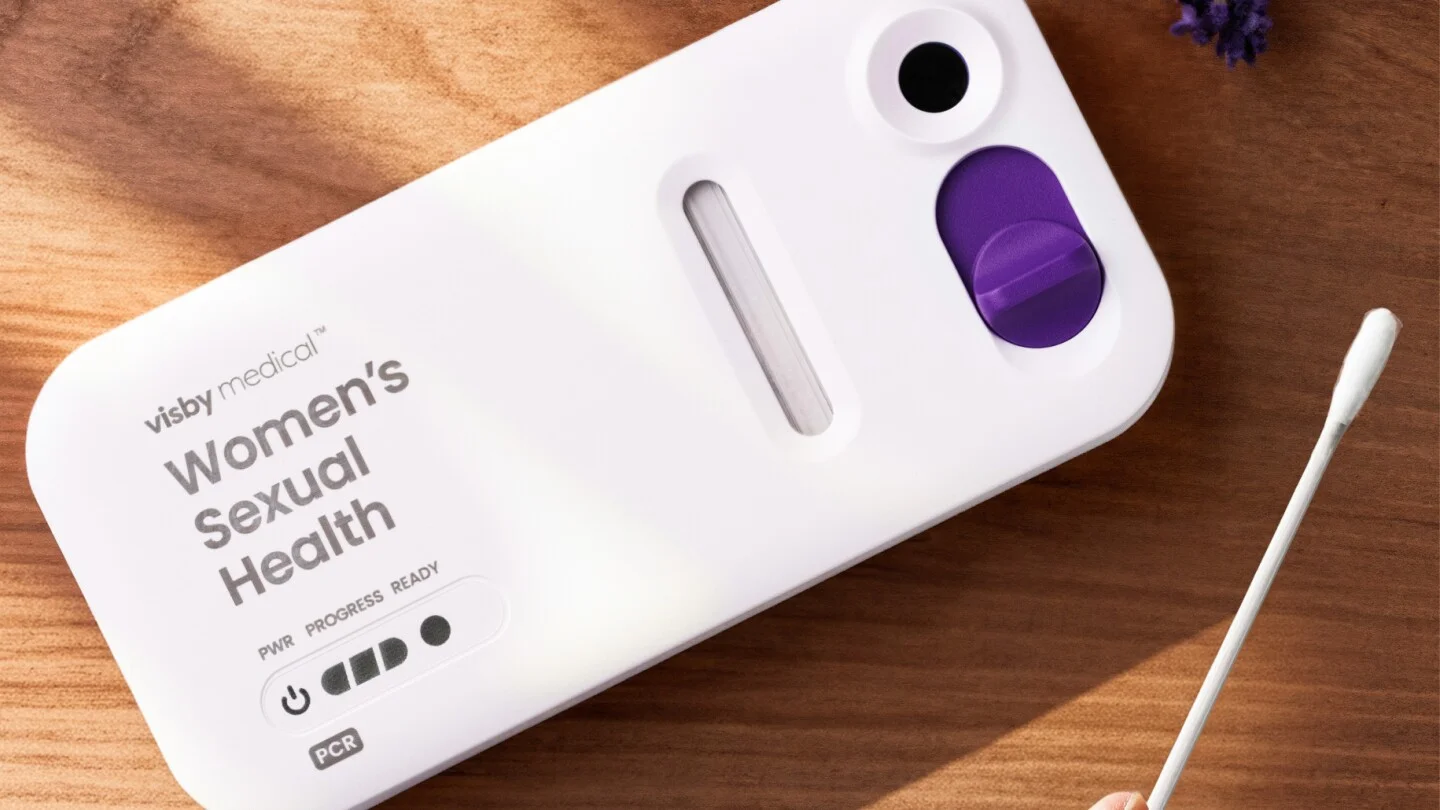
The FDA has approved at-home testing kits for the sexually transmitted diseases gonorrhea, chlamydia, and trichomoniasis, including three-in-one options such as Visby Medical’s device, expanding private, convenient STD screening.
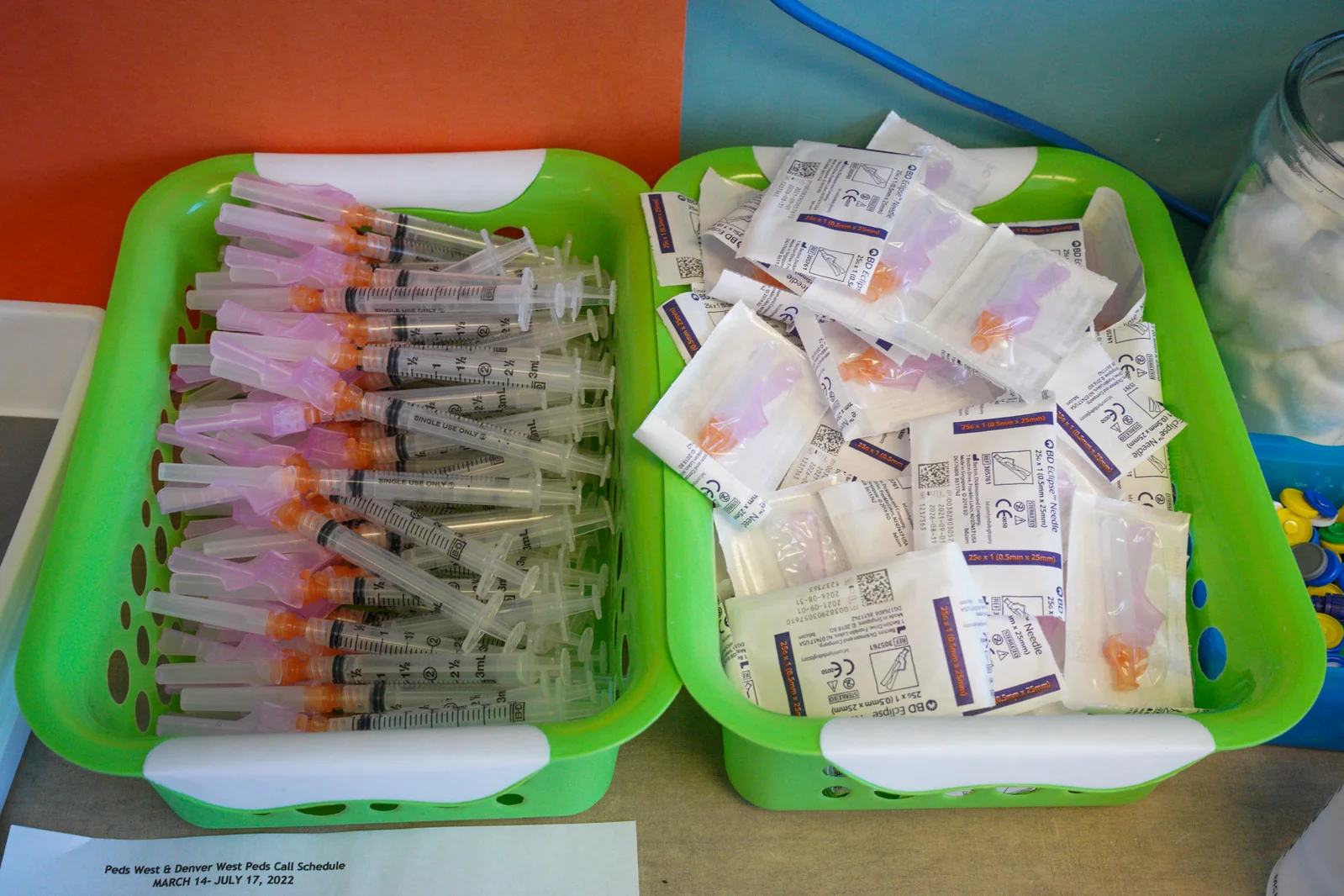
Influenza is hitting Colorado hard this season with rising hospitalizations and pediatric deaths, but at-home testing kits and nasal spray vaccines like FluMist offer easier ways to test and vaccinate, emphasizing the importance of vaccination to prevent severe illness and death.
Researchers have developed a novel molecular sensor that releases a thyme flavor when it detects the influenza virus, potentially enabling at-home flu screening through gum or lozenges, which could help identify pre-symptomatic infections and prevent transmission.
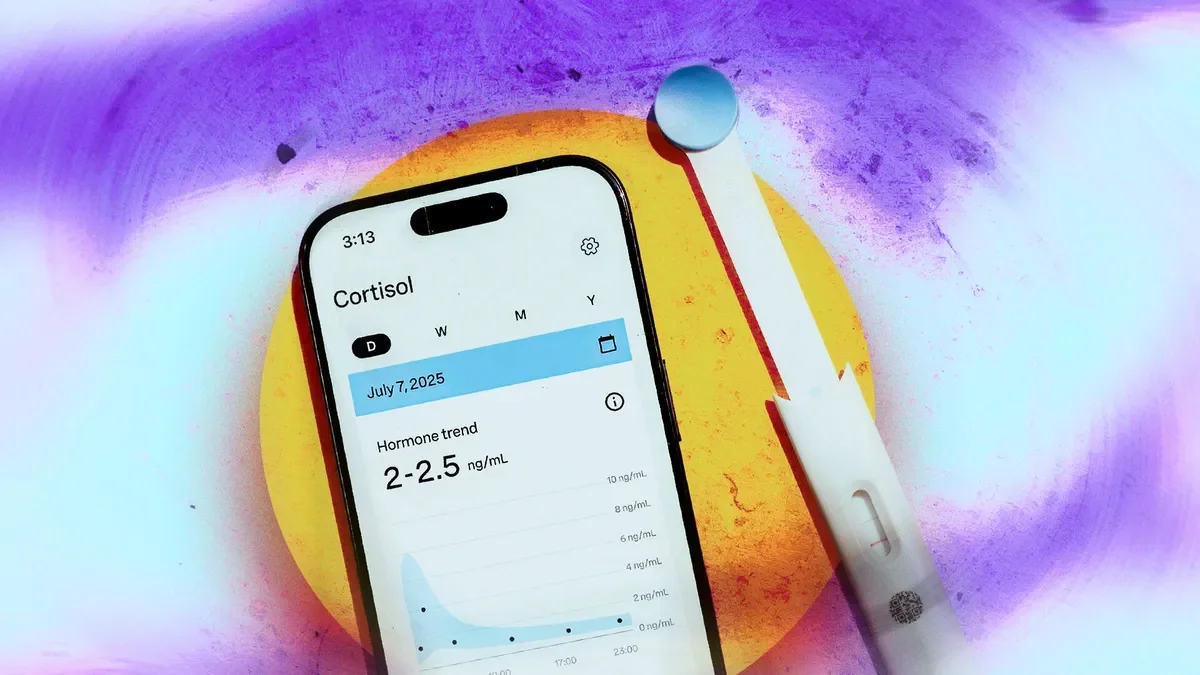
Eli Health has launched the Hormometer, the first at-home, instant cortisol testing device that uses saliva samples and smartphone scanning to provide quick insights into hormonal health, aiming to make hormone tracking accessible and convenient for everyday use.
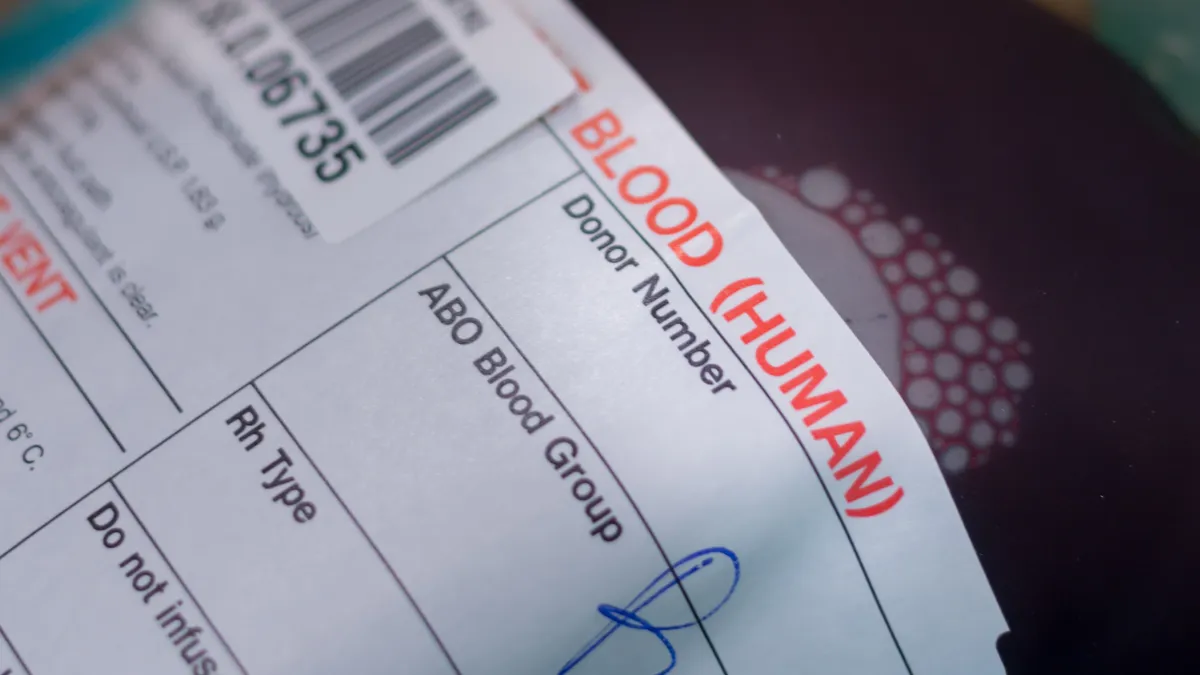
The article explains the importance of knowing your blood type and outlines three main methods to find it: through a clinical blood test, donating blood, or using an at-home blood test kit, emphasizing the significance of this information in medical emergencies and health management.
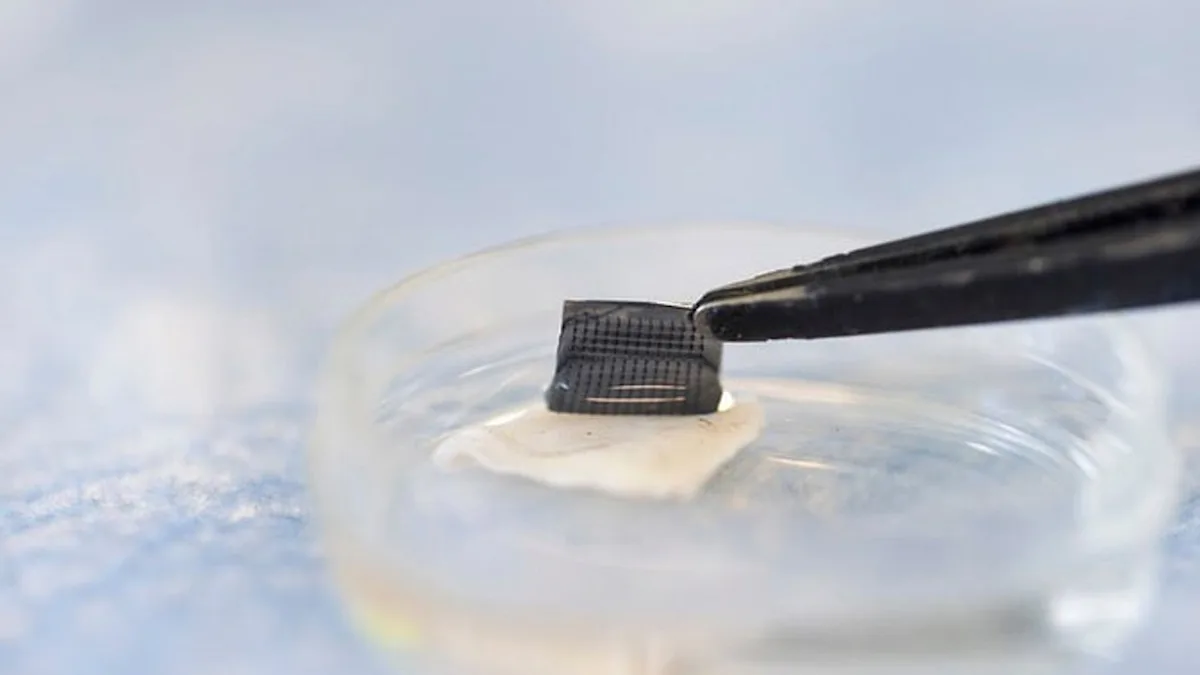
Researchers at the University of Michigan have developed the ExoPatch, a silicone microneedle patch that can distinguish melanoma from healthy skin in mice, potentially enabling rapid at-home skin cancer testing without biopsies, with plans for human trials and possible adaptation for other cancers.
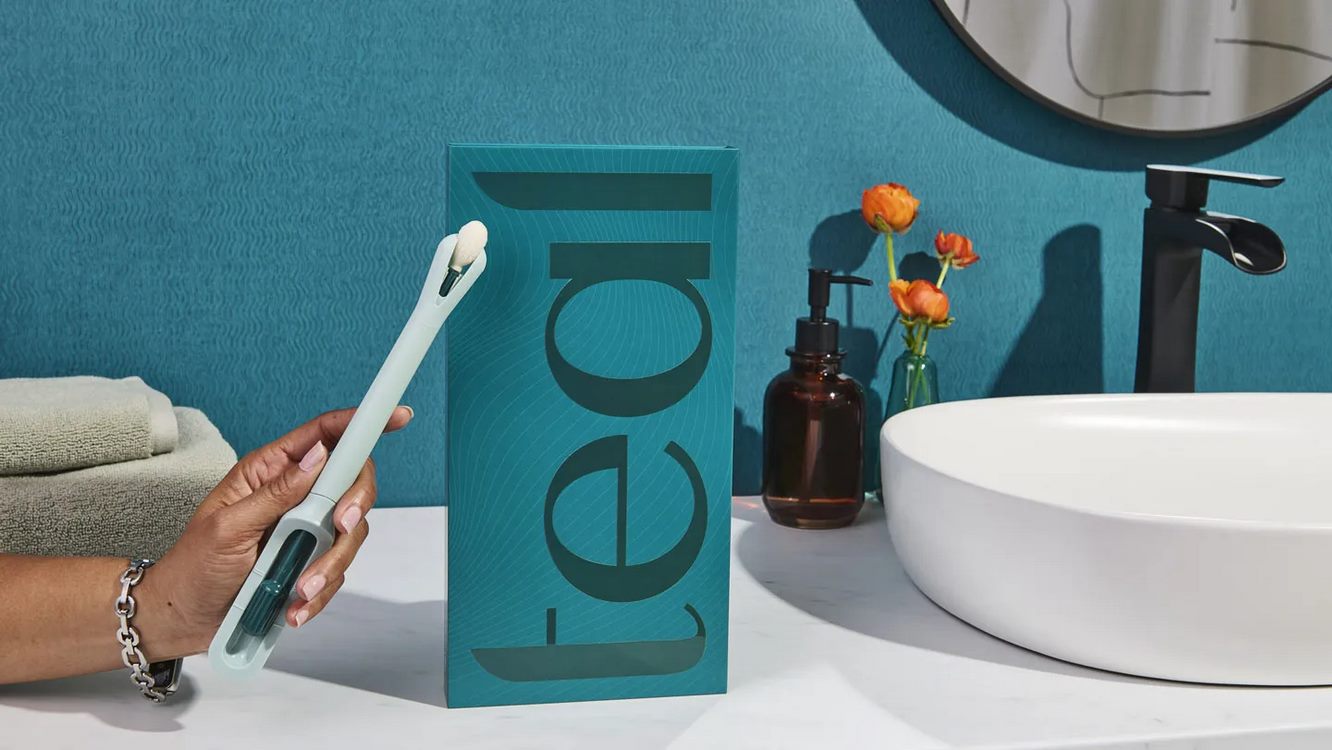
The FDA has approved the Teal Wand, the first at-home cervical cancer screening device, which allows women to perform vaginal swabs at home and send samples to a lab for HPV testing, potentially increasing screening rates and early detection, especially among underserved populations.
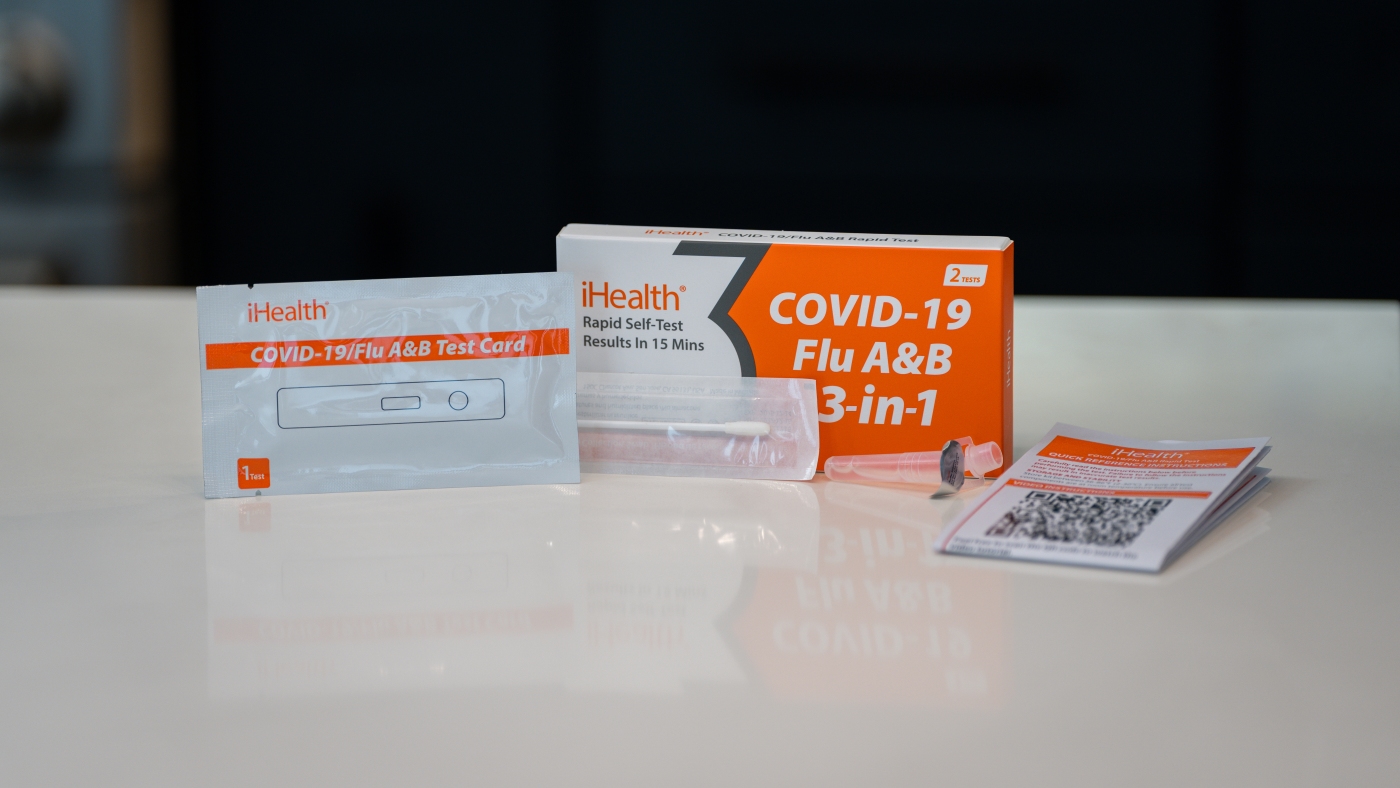
The FDA has authorized new at-home tests that can simultaneously detect COVID-19 and two strains of the flu, offering a convenient way for individuals to determine which virus they have without visiting a doctor's office. These tests, available over-the-counter for about $15, provide results within 15 to 30 minutes and can help guide treatment decisions and prevent virus transmission. This development is seen as a significant advancement in managing respiratory illnesses during the flu season.
Dr. Jill Krapf, a vulvovaginal specialist, attributes New York City's surge in sexually transmitted infections (STIs) to female shame and societal pressures, with women at higher risk due to anatomical vulnerabilities. She emphasizes the importance of open conversations, regular testing, and at-home testing to combat the stigma and increase accessibility. At-home testing, offered by platforms like Evvy, provides discreet and effective solutions, empowering women to take control of their sexual health and bridge gaps in education.
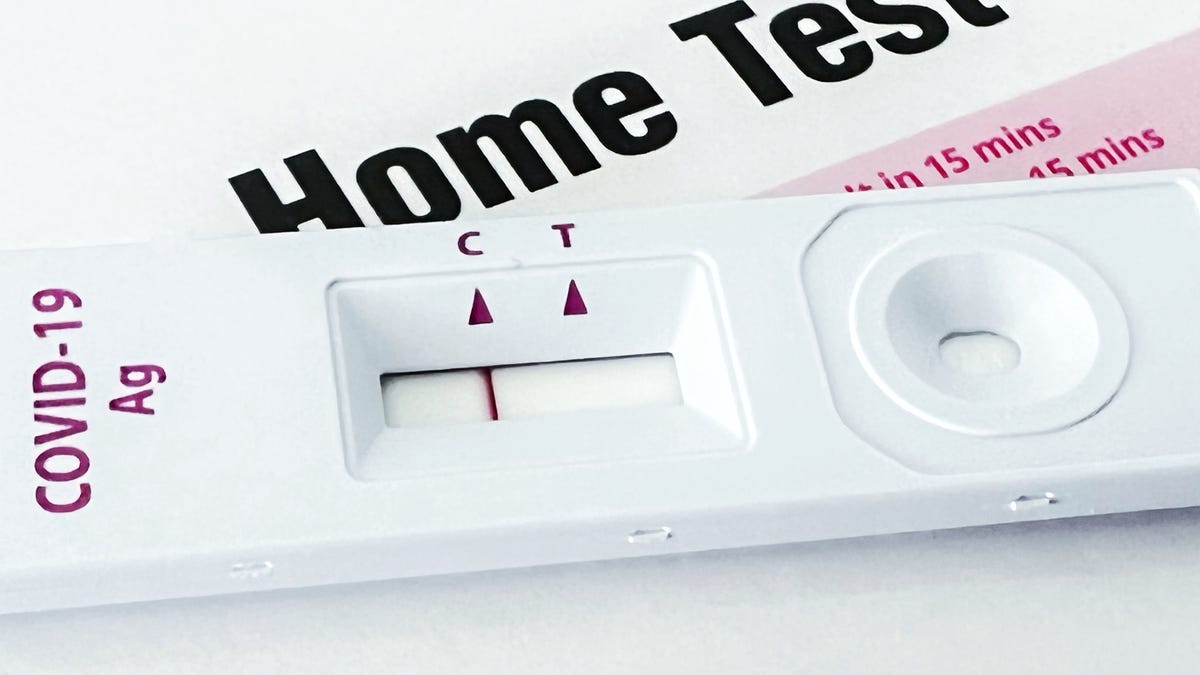
The National Institutes of Health (NIH) has expanded its Home Test to Treat program nationwide, offering eligible adults free at-home rapid tests, telehealth sessions, and at-home treatments for COVID-19 and influenza. Any adult with a positive test can enroll to receive free telehealth care and medication delivered to their home. Uninsured or insured individuals through select federal programs can also receive free tests. The program aims to improve healthcare access and is set to expire in 2024, with the potential for transfer to the private sector. The initiative provides the Pfizer COVID-19 & Flu Home Test, the first FDA-authorized test that detects both viruses in one swab at home. Starting treatment as soon as possible after infection is crucial for respiratory illnesses like COVID-19 and influenza.
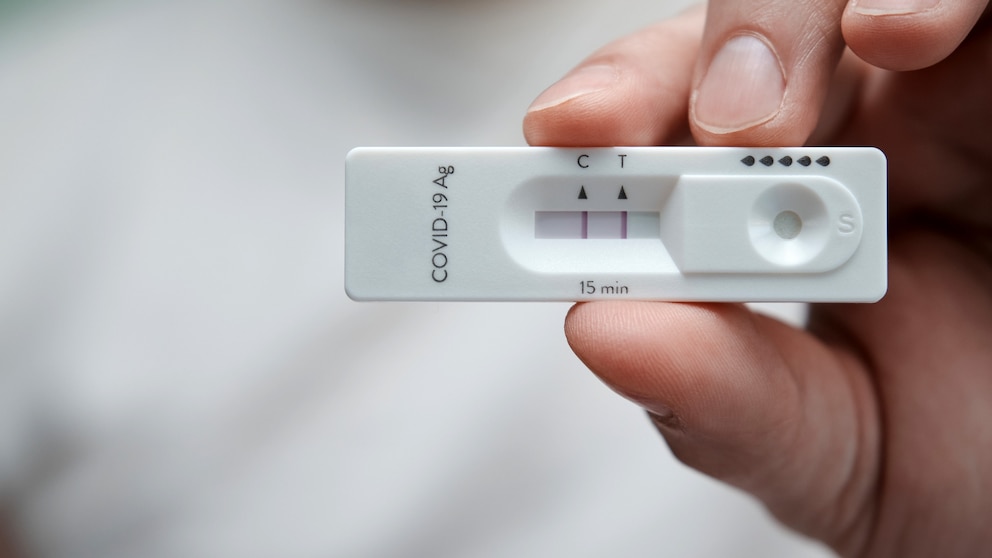
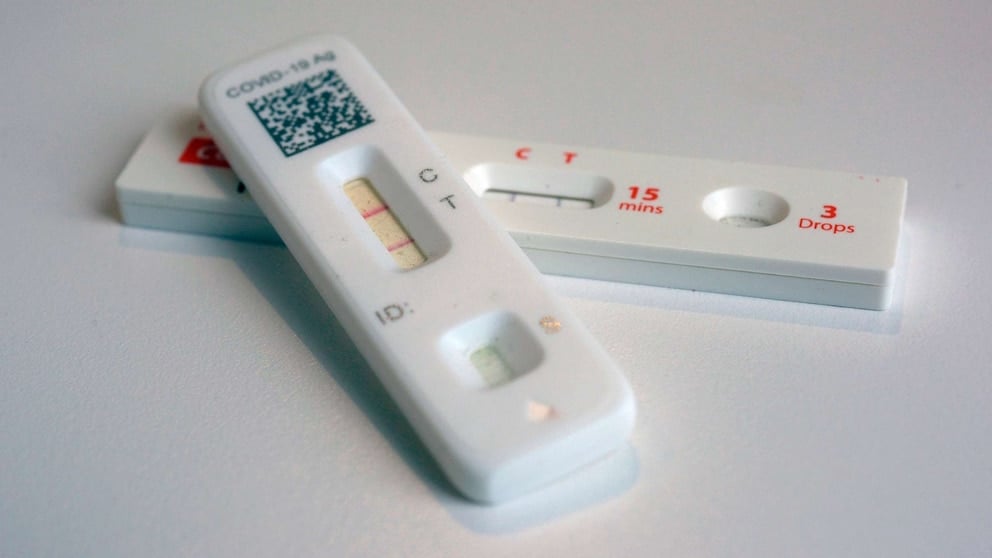
The expiration date on your box of COVID-19 tests indicates the final day the test is expected to perform effectively. While the FDA authorizes at-home test kits with a shelf life of about four to six months, manufacturers can request an extension if they find additional data showing the tests are still accurate past the expiration date. It is not recommended to use expired tests as the components may degrade, leading to inaccurate results. To check if the shelf life of your COVID-19 tests has been extended, you can refer to the FDA's At-Home OTC COVID-19 Diagnostic Tests webpage, which lists the expiration dates and extensions for various brands.
A study published in the journal Clinical Infectious Diseases suggests that the best time to take an at-home COVID-19 test is on the fourth day of experiencing symptoms. The study found that viral load, or the amount of virus replicating in the body, peaked a few days after symptoms started. At-home tests were most accurate on the fourth day of symptoms, although they could still detect some infections in the first three days. The findings highlight the importance of not ruling out COVID-19 based solely on a negative test early on after symptoms begin. Current guidelines recommend testing immediately if symptoms are present and following up with another test if the initial result is negative.
As flu season approaches, at-home flu tests are becoming more popular. There are two options available: one that requires sending a nasal swab to a lab for analysis and another that provides results at home within 30 minutes. These new tests target the genetic material of the virus, making them more accurate than rapid antigen tests. However, the cost of these tests may be a deterrent for some, raising concerns about equity in testing. While getting a flu diagnosis is important, it doesn't necessarily have to be through at-home testing. Experts suggest that for many cases, visiting a doctor's office may be the most efficient option. Nonetheless, having pipelines in place for the development of new at-home test systems could be beneficial in handling future pandemics.
As COVID-19 cases surge, it's important to check the expiration dates on your at-home COVID-19 test kits. While the FDA typically authorizes a shelf life of four to six months, manufacturers can request an extension if they have data showing the tests remain accurate. It is not recommended to use expired tests as the components may degrade, leading to inaccurate results. To determine if your test's shelf life has been extended, check the FDA's website or contact the manufacturer. Free COVID-19 tests can also be ordered through USPS.