Tag

Larynx

All articles tagged with #larynx

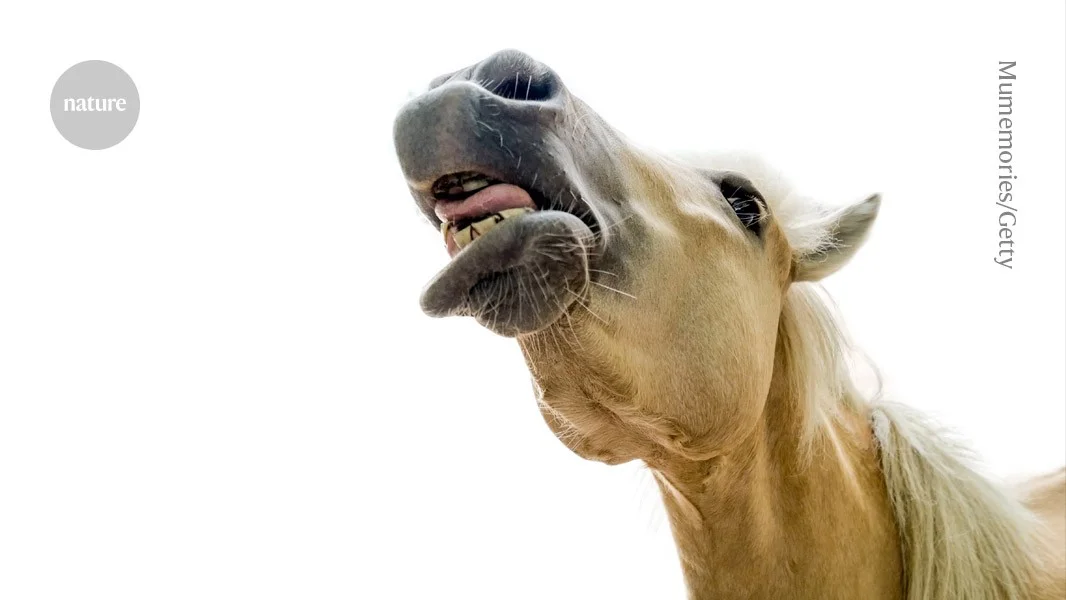
Horses' whinny unveils a two-tone vocal trick: low rumble and high whistle
science5 days ago

Horses' whinny unveils a two-tone vocal trick: low rumble and high whistle

Researchers show the horse whinny is produced by two simultaneous sounds: a low-frequency vibration from the vocal folds and a high-pitched whistle created as air passes through laryngeal cartilage. This biphonation—a rare multi-tone vocalization—may convey complex social messages. Endoscopic observations and ex vivo larynx experiments (including helium tests) confirmed the mechanisms, placing horses among a small group of species capable of such vocal tricks.

Uncovering the Secrets of Whales' Underwater Singing
science2 years ago

Uncovering the Secrets of Whales' Underwater Singing

A recent study published in the journal Nature has shed light on how baleen whales produce sounds using their vocal cords. By conducting experiments on the larynx of three deceased whales, scientists discovered that the whales' larynx has evolved to accommodate their need to expel large amounts of air quickly while breathing at the sea surface. This adaptation allows them to produce the diverse range of sounds, including singing and whistling, that have intrigued humans for centuries.

"Dinosaur Fossil Unveils Surprising Bird-Like Chirping Behavior"
paleontology2 years ago

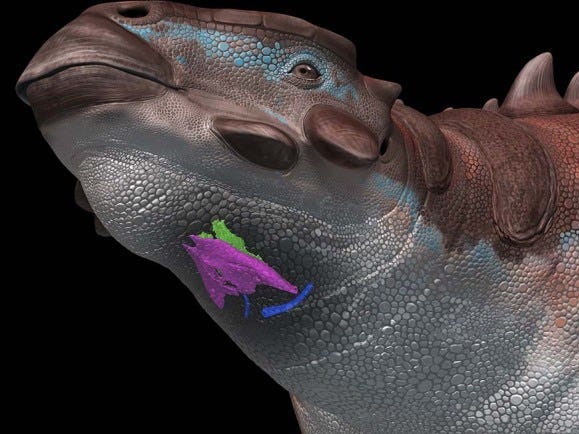
"Dinosaur Fossil Unveils Surprising Bird-Like Chirping Behavior"

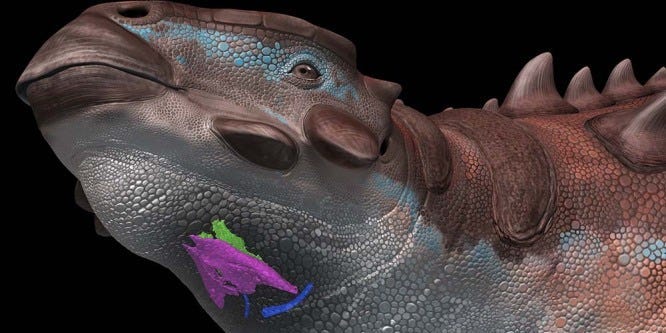
Paleontologists have discovered the first intact larynx bone from a dinosaur, belonging to the Pinacosaurus grangeri species. The bone suggests that some large dinosaurs, like this 16-foot-long dinosaur, may have made bird-like chirping noises instead of roaring like lions. Fossils of voice boxes are rare due to their cartilaginous composition, which usually deteriorates over time. This finding provides valuable insight into understanding dinosaur vocalizations.

"Dinosaur Chirping: Evidence Found in Ancient Throat Bone"
paleontology2 years ago

"Dinosaur Chirping: Evidence Found in Ancient Throat Bone"

Paleontologists have discovered the first intact larynx bone from a dinosaur, belonging to the Pinacosaurus grangeri species. The bone suggests that some large dinosaurs may have made bird-like chirping noises instead of roaring like lions. Fossils from voice boxes are rare due to the cartilage composition, and previous findings have only been from birds. This discovery provides insight into understanding dinosaur vocalizations.