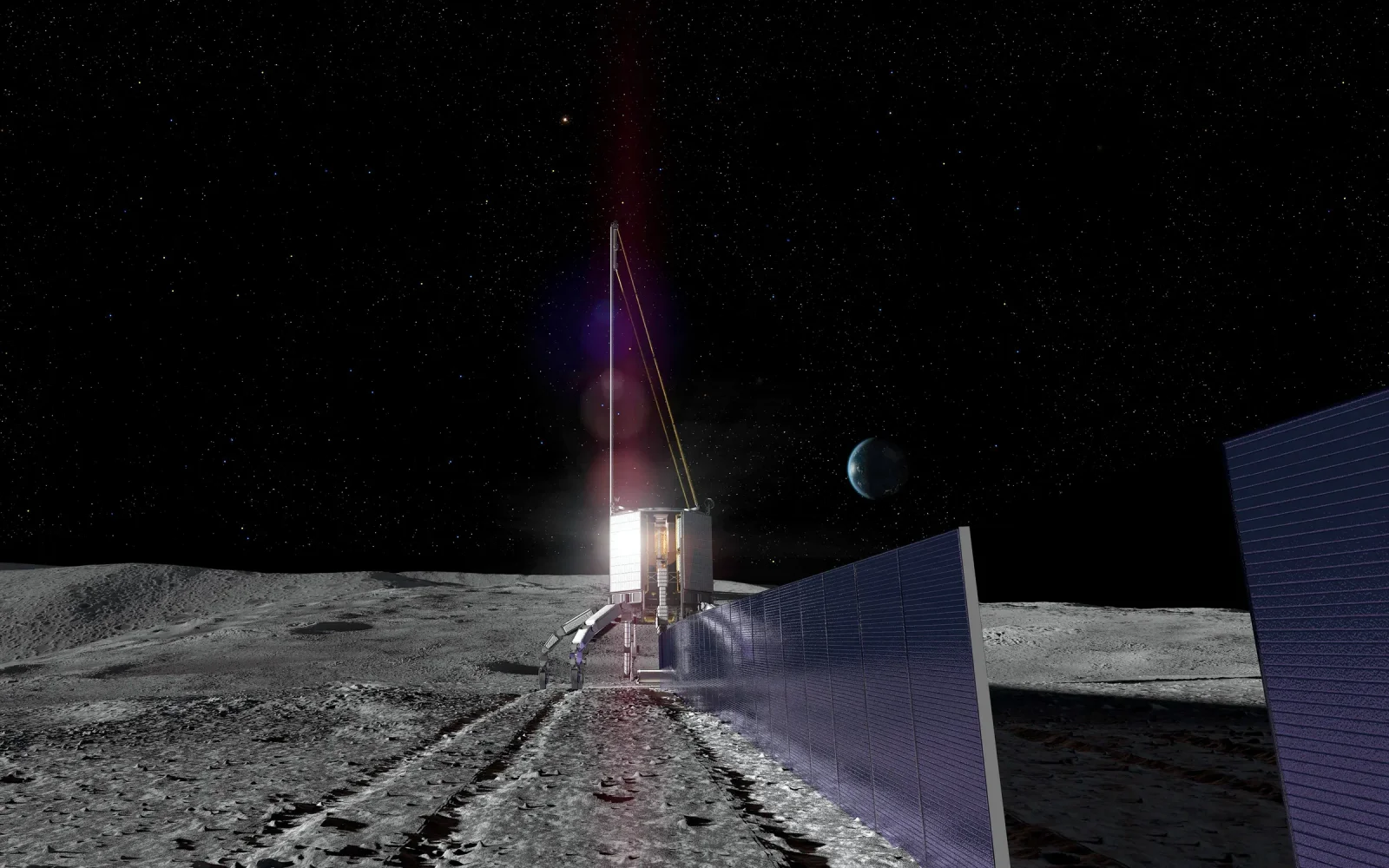
Blue Origin is developing a process to produce rocket fuel from moon dust by melting it and using electrolysis to extract oxygen, potentially enabling sustainable space missions and reducing the need to carry fuel from Earth.
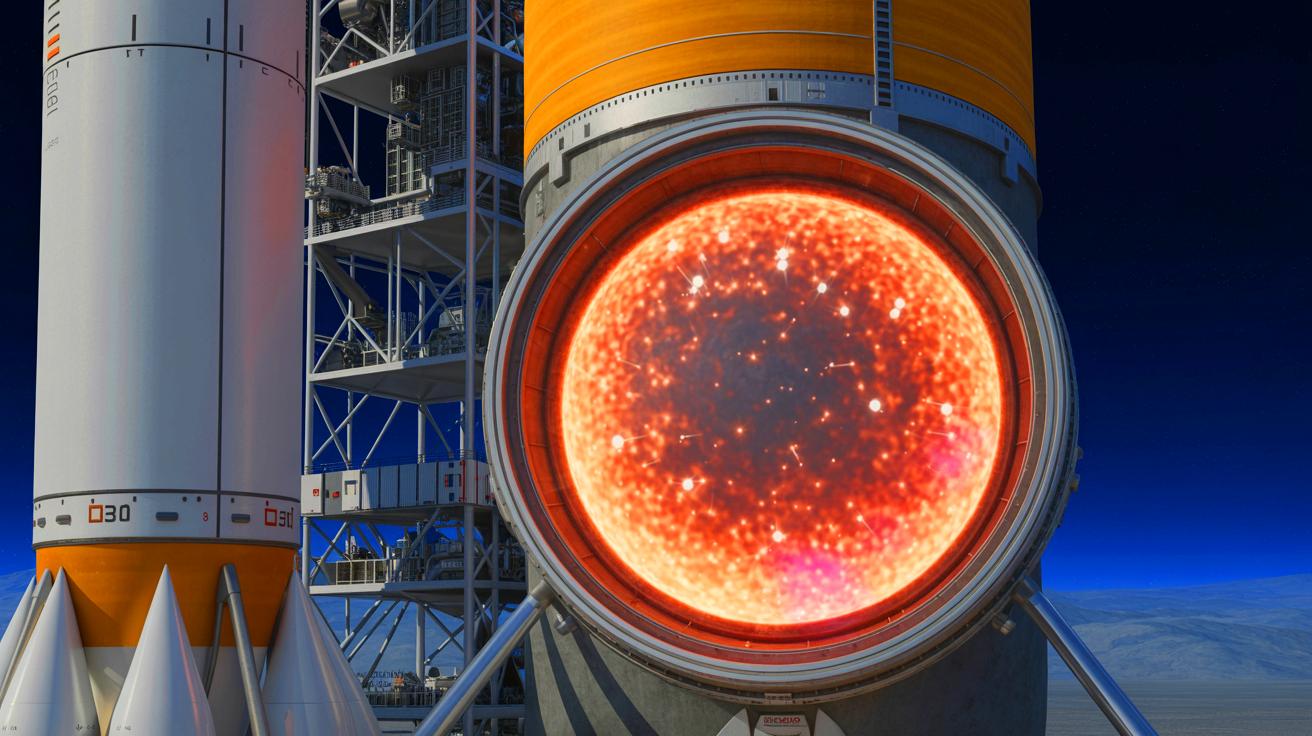
Scientists at the University of Albany developed a boron-based rocket fuel compound, manganese diboride (MnB2), that offers 150% more energy than aluminum, with a spring-like structure that stores and releases energy efficiently, potentially revolutionizing space propulsion and payload capacity.
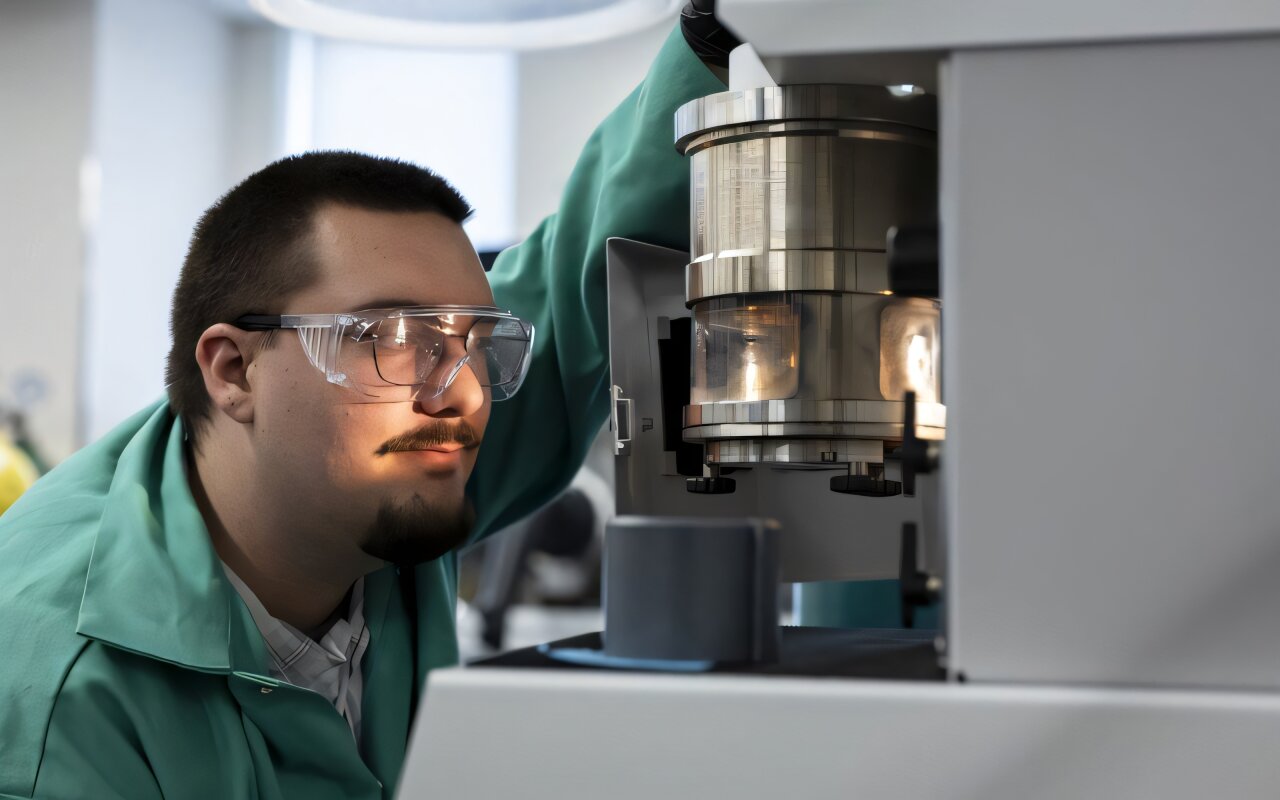
University at Albany chemists have synthesized a new high-energy compound, manganese diboride, which is more efficient and safer than current rocket fuels, potentially revolutionizing space travel by reducing fuel requirements and increasing payload capacity.
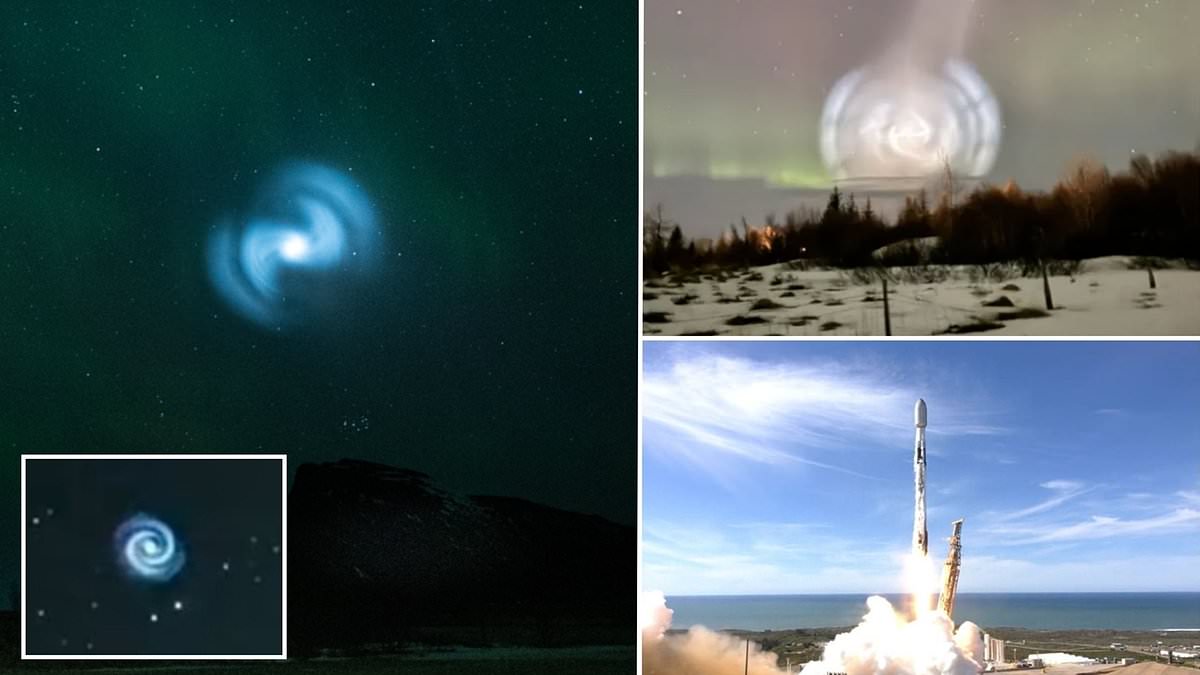
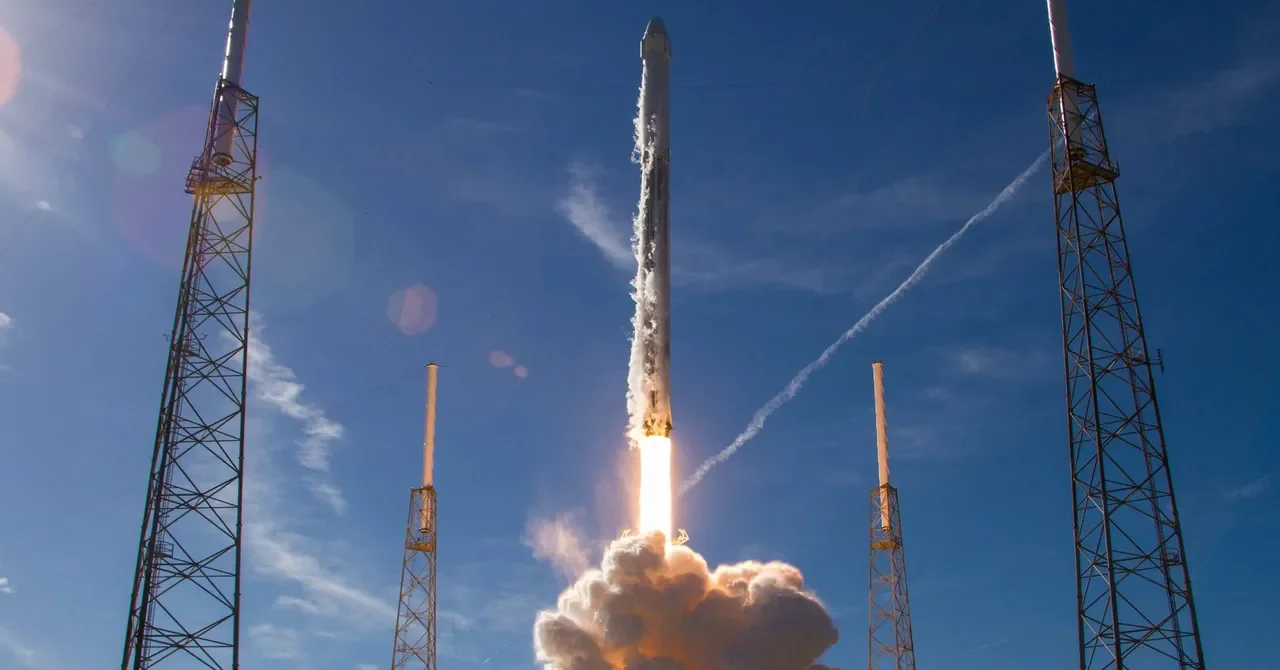
A mysterious blue spiral that appeared in the Northern Lights was actually caused by SpaceX's rocket venting unneeded fuel during its descent into the ocean, freezing and crystallizing in the shape of a spiral illuminated by the sun. This phenomenon has been captured by photographers in Iceland and Norway, and is a routine by-product of SpaceX operations. The next predicted occurrence of this spiral is expected during SpaceX's Transporter-12 mission in October, potentially coinciding with auroras and meteor showers.
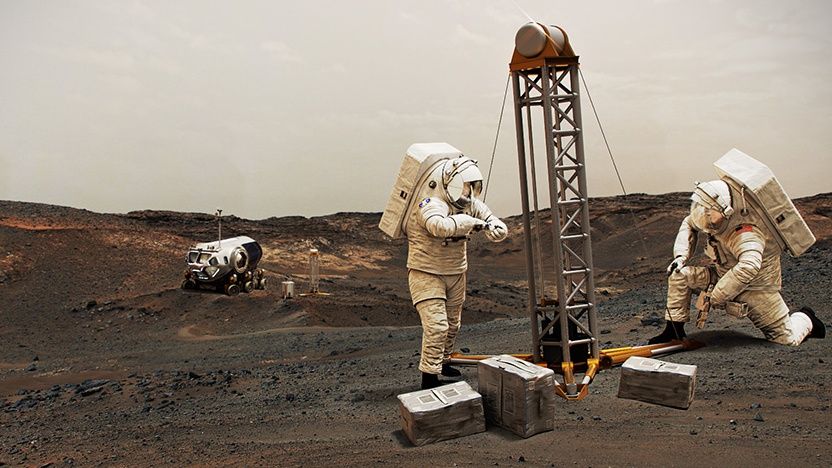
Scientists have proposed a method to produce oxygen on Mars using electrolysis, which could potentially generate 3 kilograms of oxygen per hour. The process involves compressing and heating carbon dioxide from the Martian atmosphere, running electricity through the molecules to split out oxygen atoms, and then cooling the oxygen into a liquid. If operated for a typical 14-month mission, astronauts could create about 30 metric tons of oxygen, enough to break free of Martian surface gravity. This method could be crucial for future crewed missions to Mars.
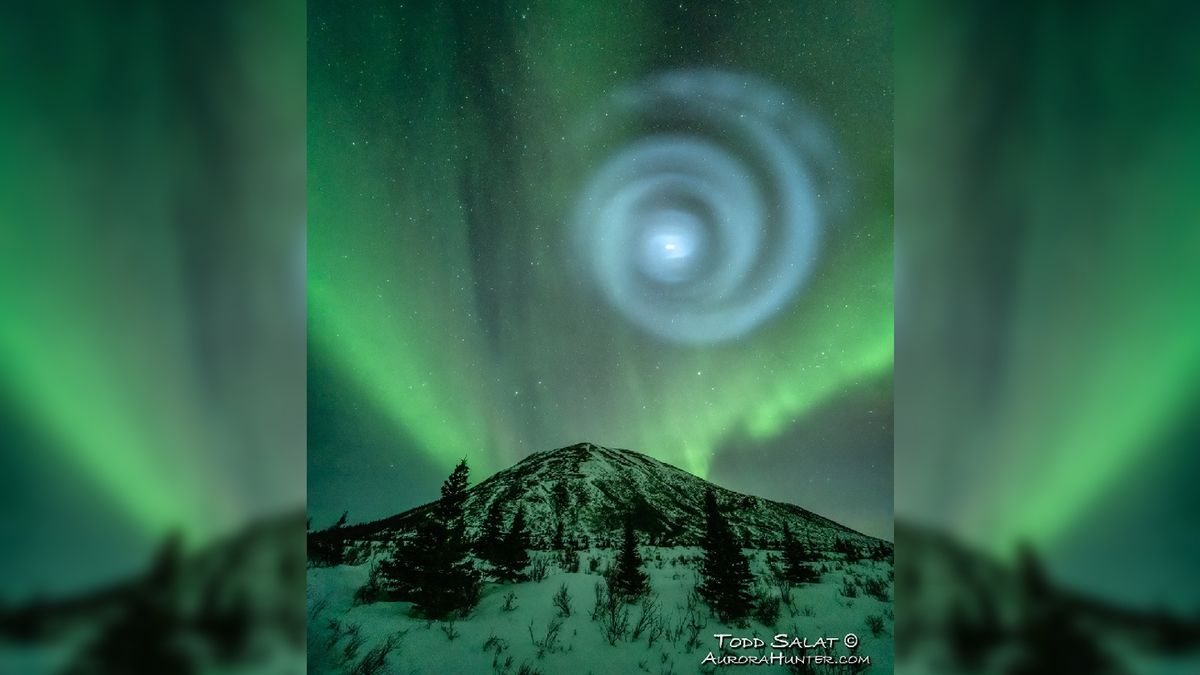
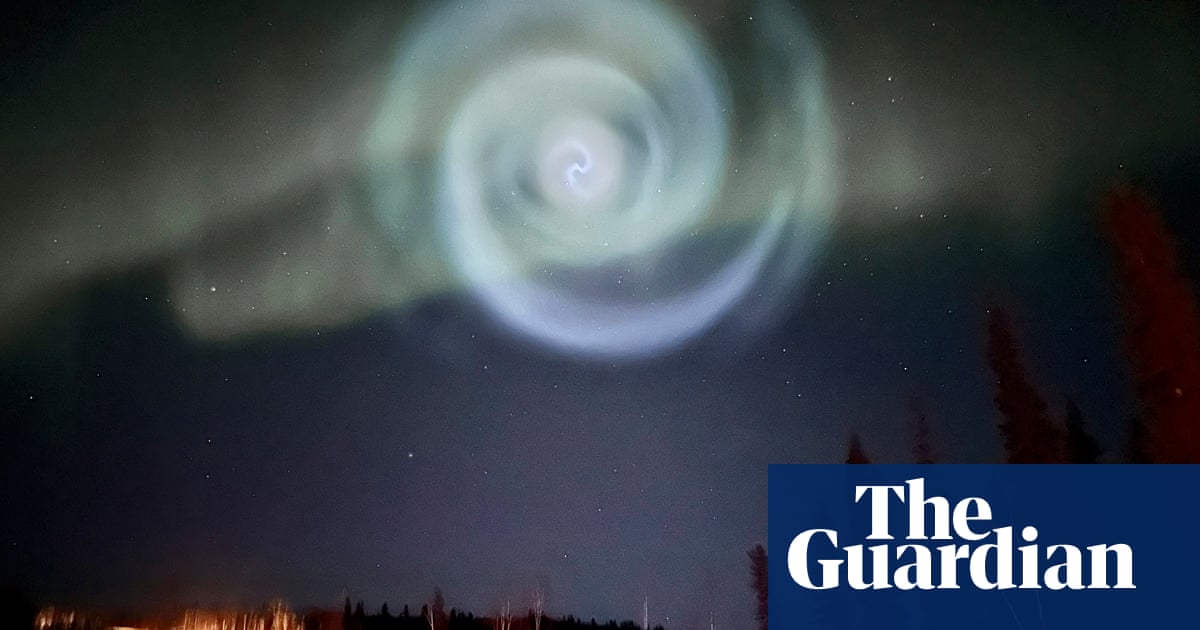
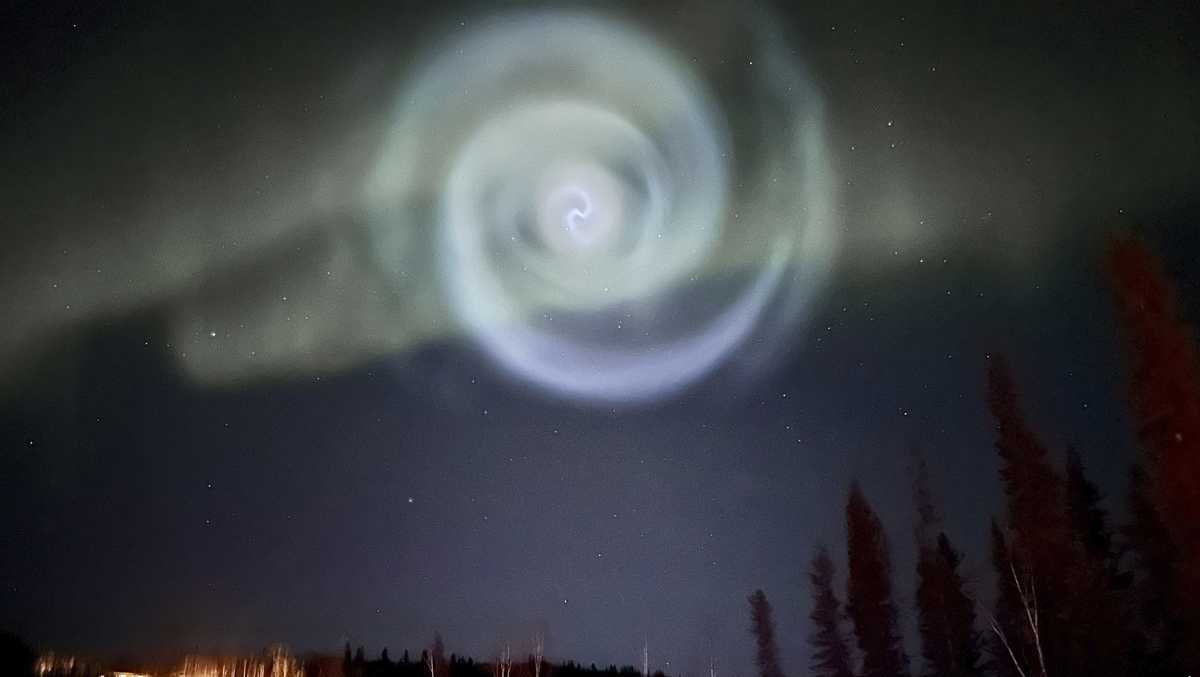
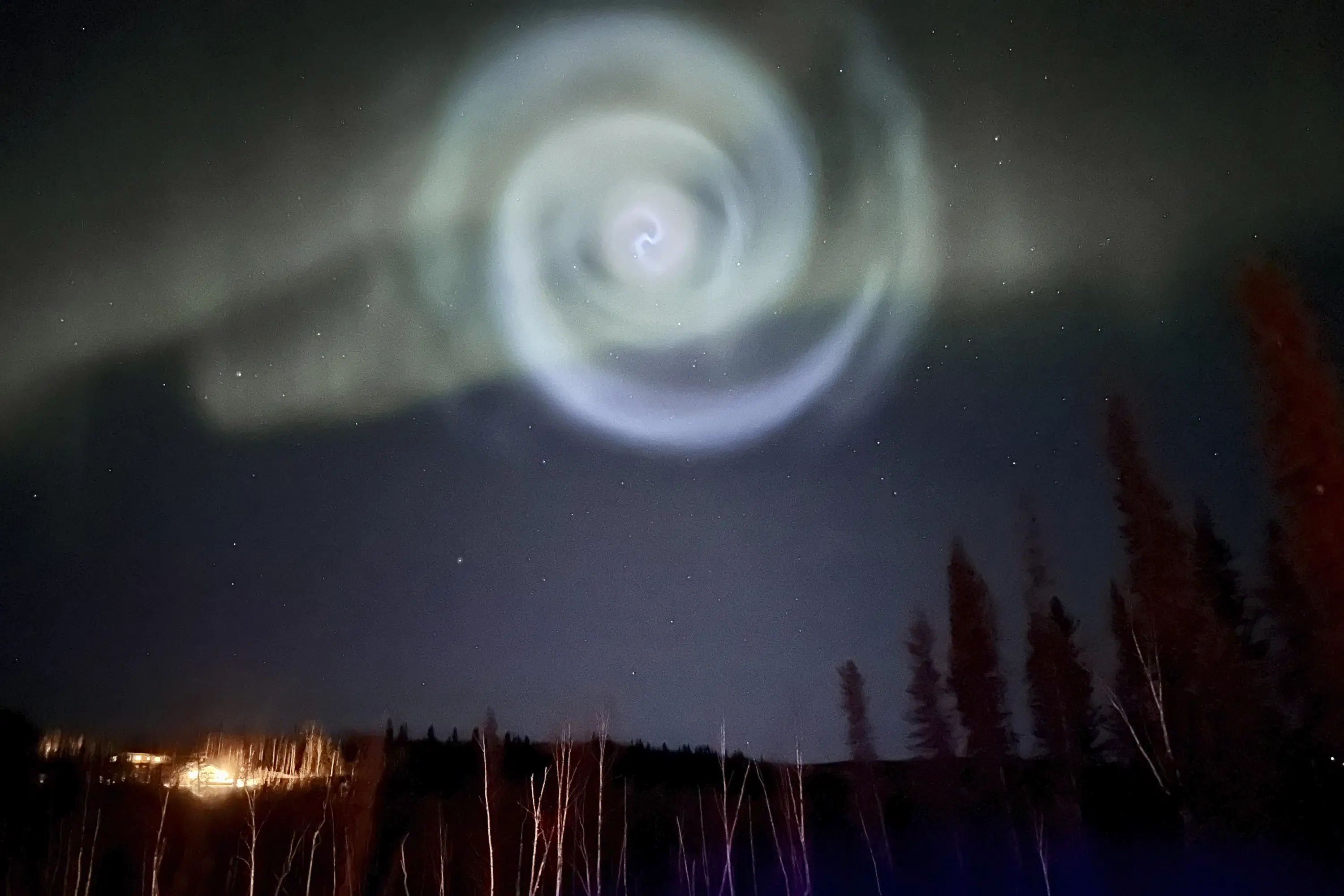
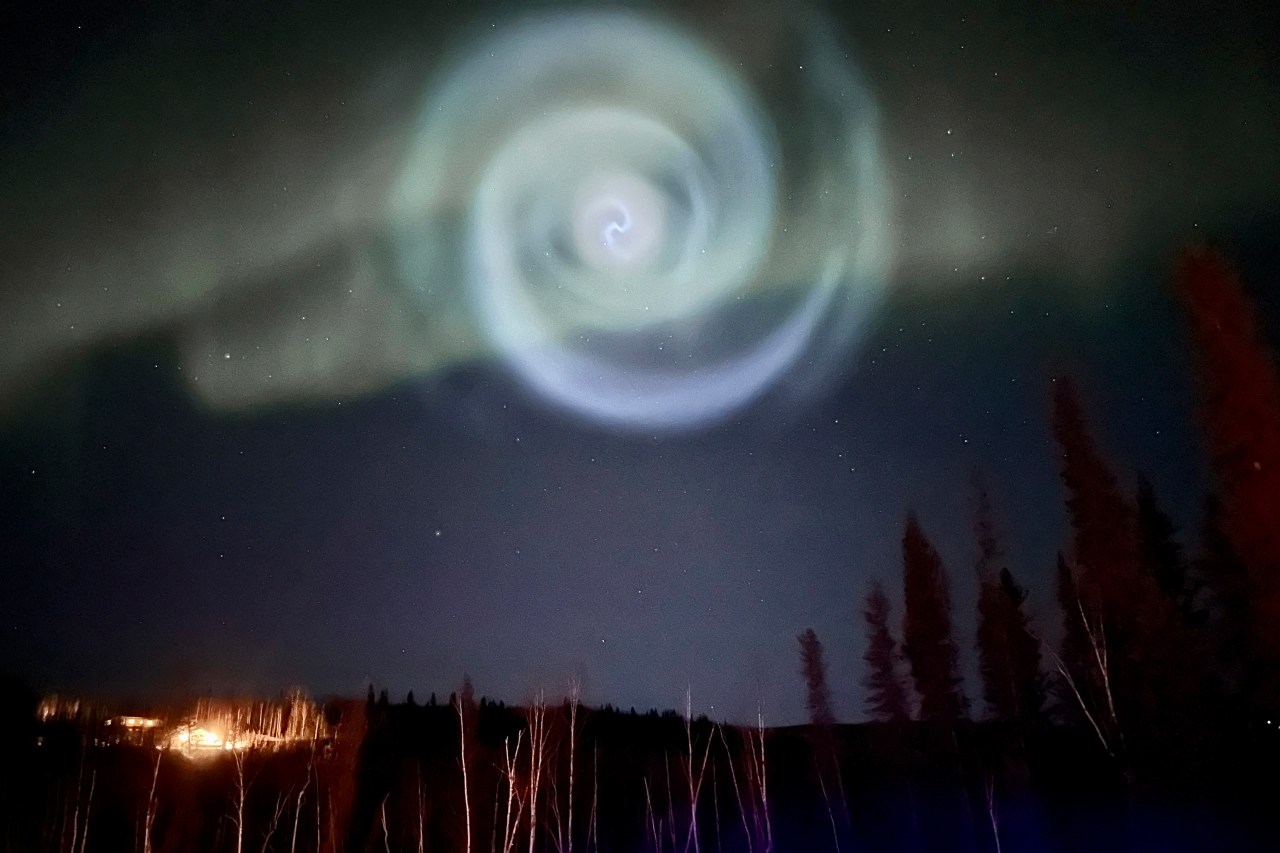
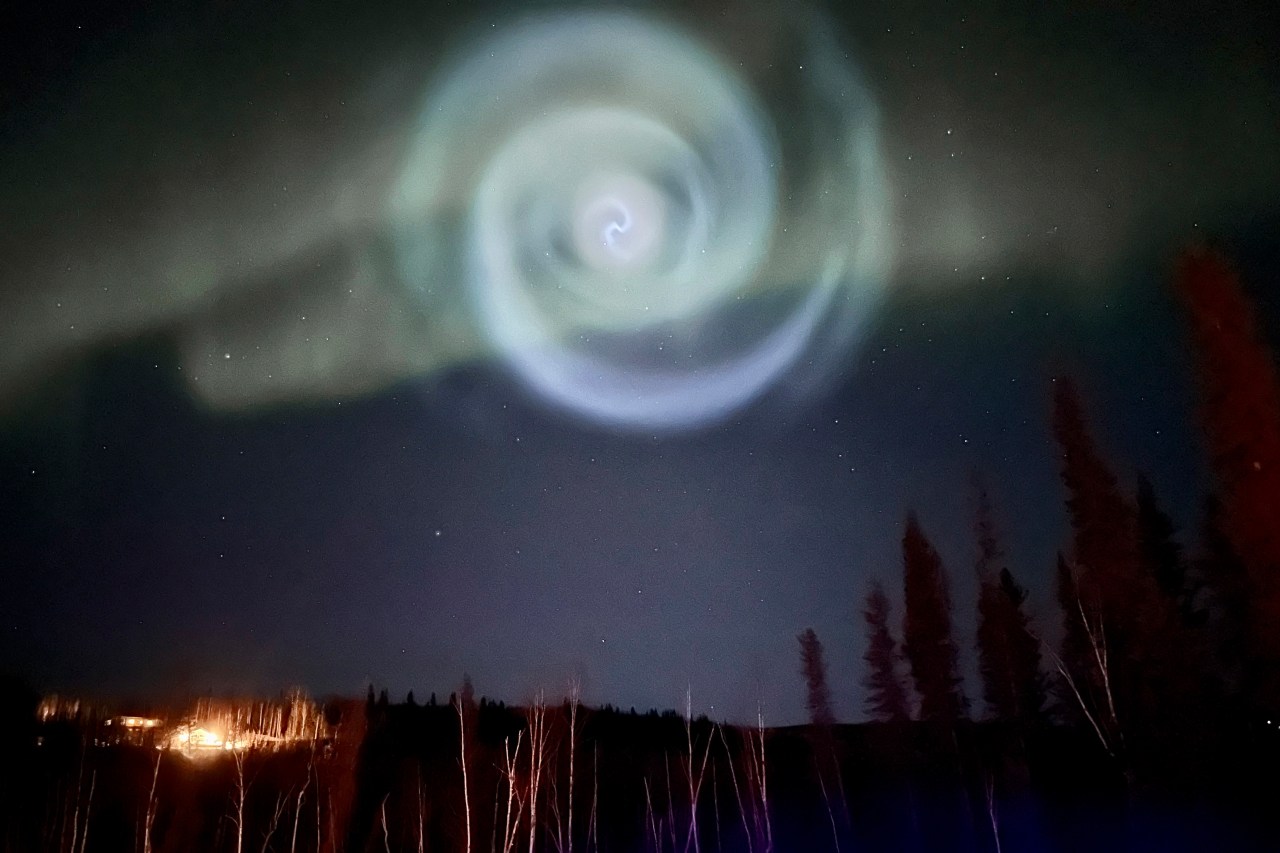
A spiral-shaped object, nicknamed "SpaceX spirals," appeared in the night sky above Alaska on April 15, formed by rocket fuel ejected from the fast-spinning upper stages of Falcon 9 rockets that gets frozen in space and reflects sunlight back towards Earth. The spiral was visible for around seven minutes and was captured on video by cameras at the University of Alaska's Poker Flat Research Range. SpaceX spirals have become more common in recent years as the number of SpaceX launches has increased.
An ethereal spiral-shaped object appeared in the night sky above Alaska on April 15, which was captured on camera by the University of Alaska's Poker Flat Research Range. Astronomers have nicknamed these spirals "SpaceX spirals," which form when rocket fuel ejected from the fast-spinning upper stages of Falcon 9 rockets gets frozen in space and reflects sunlight back towards Earth. The spiral was made up of fuel ejected by a Falcon 9 rocket that launched from California's Vandenberg Space Force Base around three hours before the whirlpool appeared. These spirals have become more common in recent years as the number of SpaceX launches has increased.
A light baby blue spiral resembling a galaxy appeared amid the aurora in Alaska's night sky, caused by excess fuel released from a SpaceX rocket that launched from California. The fuel turned into ice in high altitudes and reflected sunlight, creating a spiral cloud. The appearance of the swirl was caught in time-lapse on the Geophysical Institute’s all-sky camera and shared widely. While not a common sight, similar occurrences have been seen before.
A light blue spiral resembling a galaxy appeared amid the aurora in Alaska, caused by excess fuel that had been released from a SpaceX rocket that launched from California. The swirl was caught in time-lapse on the Geophysical Institute’s all-sky camera and shared widely. The SpaceX rocket took off from Vandenberg space force base in California Friday night with about 25 satellites on board. It was a polar launch, making it visible over a large swath of Alaska.
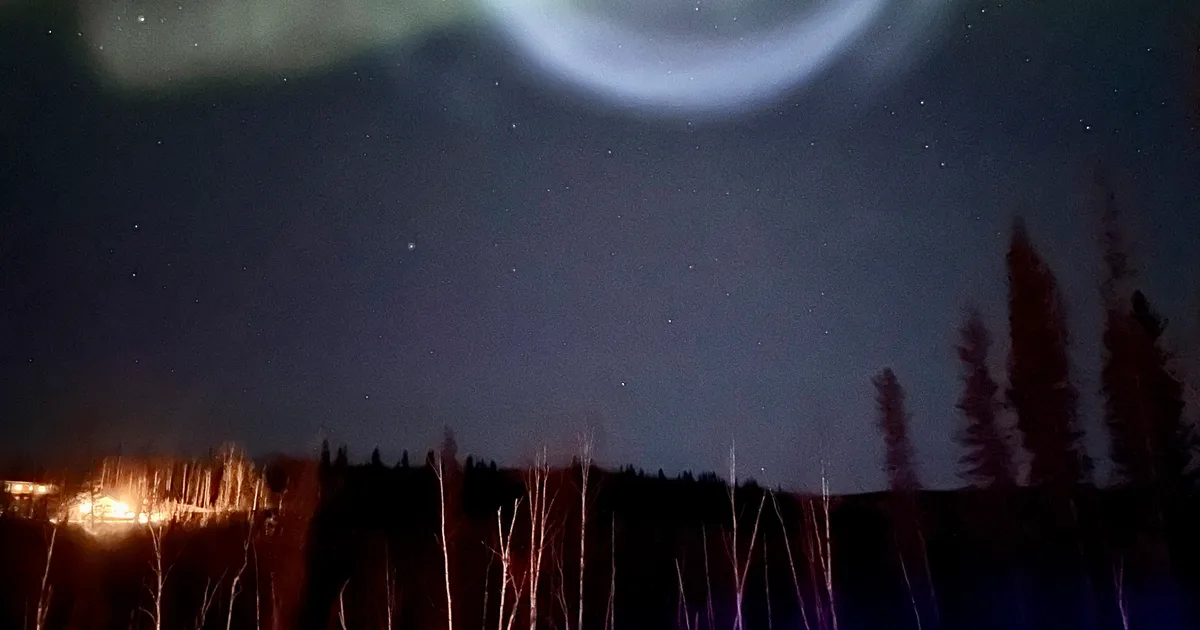
A light baby blue spiral resembling a galaxy appeared amid the aurora in the Alaska skies for a few minutes. The cause was excess fuel that had been released from a SpaceX rocket that launched from California about three hours before the spiral appeared. The rocket took off with about 25 satellites as its payload. The appearance of the swirl was caught in time-lapse on the Geophysical Institute's all-sky camera and shared widely. It was just water vapor reflecting sunlight, not a galaxy.
A light baby blue spiral resembling a galaxy appeared amid the aurora in Alaska's night sky, caused by excess fuel released from a SpaceX rocket that launched from California. The fuel turned into ice and reflected sunlight, creating a spiral cloud. The appearance of the swirl was caught in time-lapse on the Geophysical Institute’s all-sky camera and shared widely. While not a common sight, similar occurrences have been seen about three times.
A light baby blue spiral resembling a galaxy appeared amid the aurora in Alaska's night sky, which was caused by excess fuel released from a SpaceX rocket launched from California. The fuel turned into ice and reflected sunlight, creating a swirly cloud. The spiral was caught on camera and shared widely on social media. This is not a common sight, but space physicist Don Hampton has seen such occurrences about three times.
A light baby blue spiral resembling a galaxy appeared amid the aurora for a few minutes in the Alaska skies, which was caused by excess fuel that had been released from a SpaceX rocket that launched from California about three hours before the spiral appeared. The appearance of the swirl was caught in time-lapse on the Geophysical Institute’s all-sky camera and shared widely. While not a common sight, such occurrences have been seen about three times.
A light baby blue spiral resembling a galaxy appeared amid the aurora in Alaska's night sky, which was caused by excess fuel released from a SpaceX rocket launched from California. The fuel turned into ice and reflected sunlight, creating a swirly cloud. The spiral was caught on camera and shared widely on social media. This is not a common sight, but space physicist Don Hampton has seen such occurrences about three times.