Tag

Comet 21pgiacobini Zinner

All articles tagged with #comet 21pgiacobini zinner

astronomy2 years ago

"Your Guide to Watching the Spectacular Draconid Meteor Shower This Weekend"

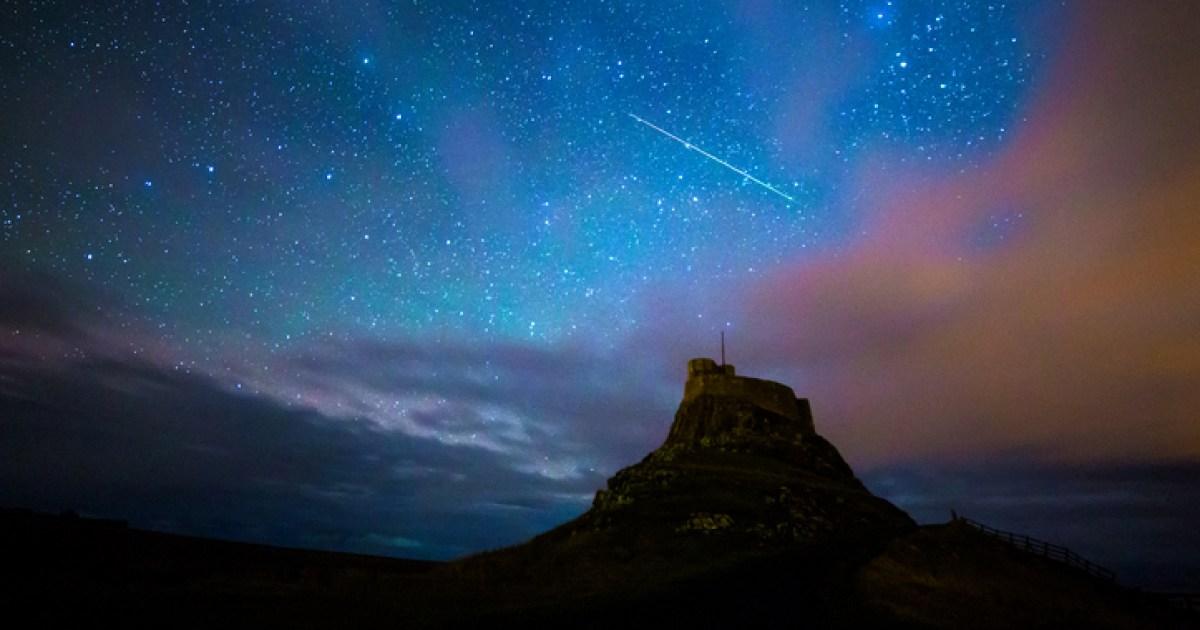
The Draconid meteor shower, created by debris from the comet 21P/Giacobini-Zinner, is expected to peak on October 8. Unlike other meteor showers, the Draconids are most visible just after nightfall and throughout the evening hours. Although the shower is on the sparse side, with about 10 meteors streaking across the sky per hour, there is a possibility of witnessing a meteor storm. The best way to view the shower is by lying on your back or sitting in a reclining lawn chair and looking up at the sky with a wide view. It is recommended to be as far from artificial light as possible for better visibility. If you miss the Draconids, there are several other meteor showers expected to peak later this year. Additionally, there will be an annular solar eclipse on October 14 and a partial lunar eclipse on October 28.
astronomy2 years ago

"Your Guide to Watching the Draconid Meteor Shower This Weekend"

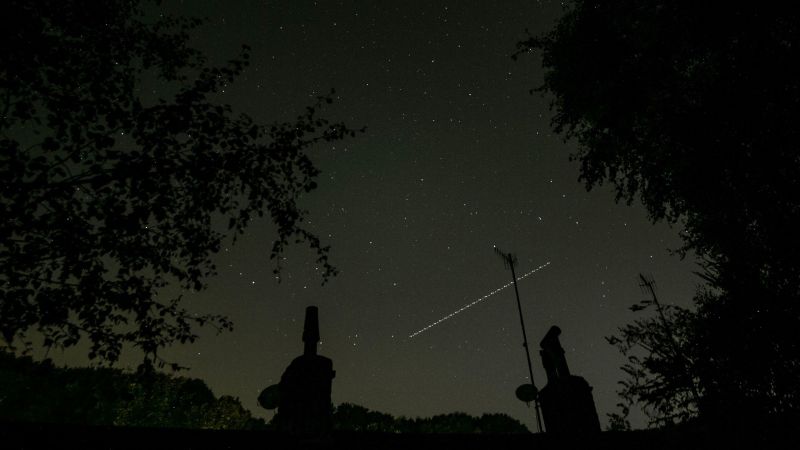
The annual Draconid meteor shower will peak this weekend, offering favorable viewing conditions. The shower will be active from Oct. 6 to Oct. 10, with the peak occurring around Sunday or Monday. The moon will be less than 20% illuminated, providing dark skies for skywatchers. To see the shower, locate the Draco constellation, from where the meteors appear to originate. Find a spot away from light pollution, set up a comfortable chair, and allow your eyes to adjust. The Draconids are caused by debris from Comet 21P/Giacobini-Zinner burning up in Earth's atmosphere.

astronomy2 years ago

"Get Ready for a Spectacular Meteor Show: Draconid and October Meteor Showers to Peak Soon"

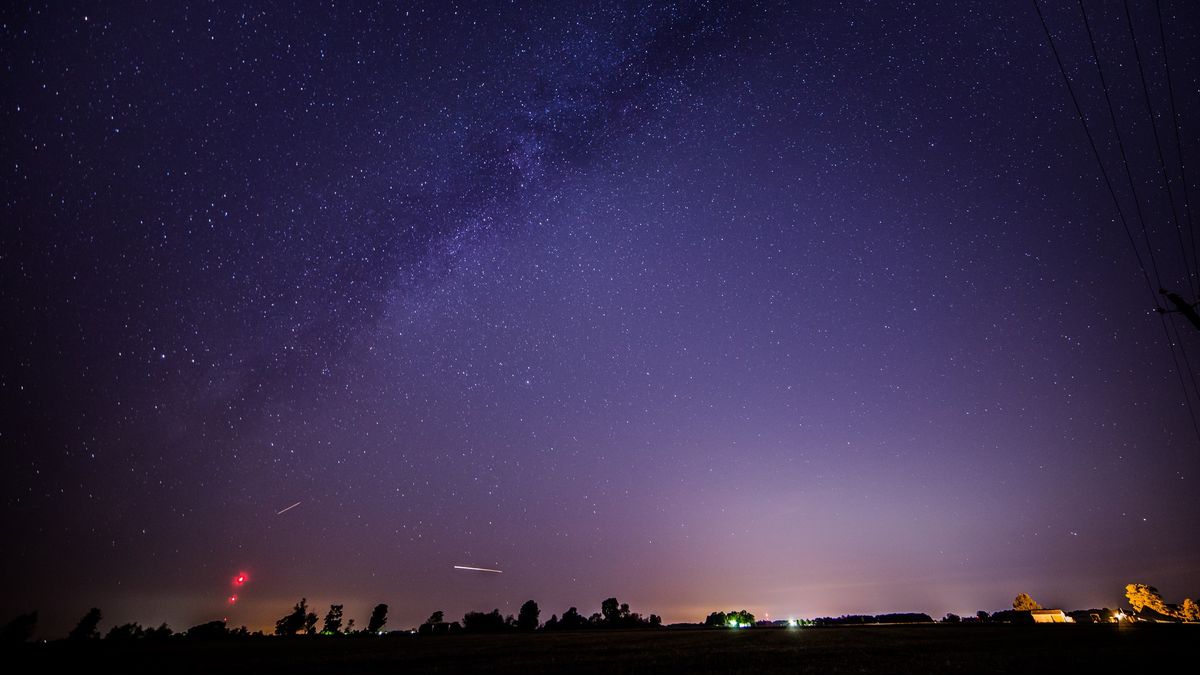
The Draconid meteor shower, also known as the Giacobinids, will be visible from October 6 to October 10. The best time to watch is around 8 pm on October 8 in the northwest sky. Although not the busiest meteor shower, the Draconids have the potential to turn into a meteor storm, with over a thousand meteors visible. The shower occurs when Earth passes through the debris left behind by comet 21P/Giacobini-Zinner. If you miss the Draconids, the Orionids will peak on October 21 and 22, caused by debris from Halley's Comet.

astronomy2 years ago

"Draconid Meteor Shower 2023: A Guide to Watching the Spectacular 'Meteor Storm' in the UK"

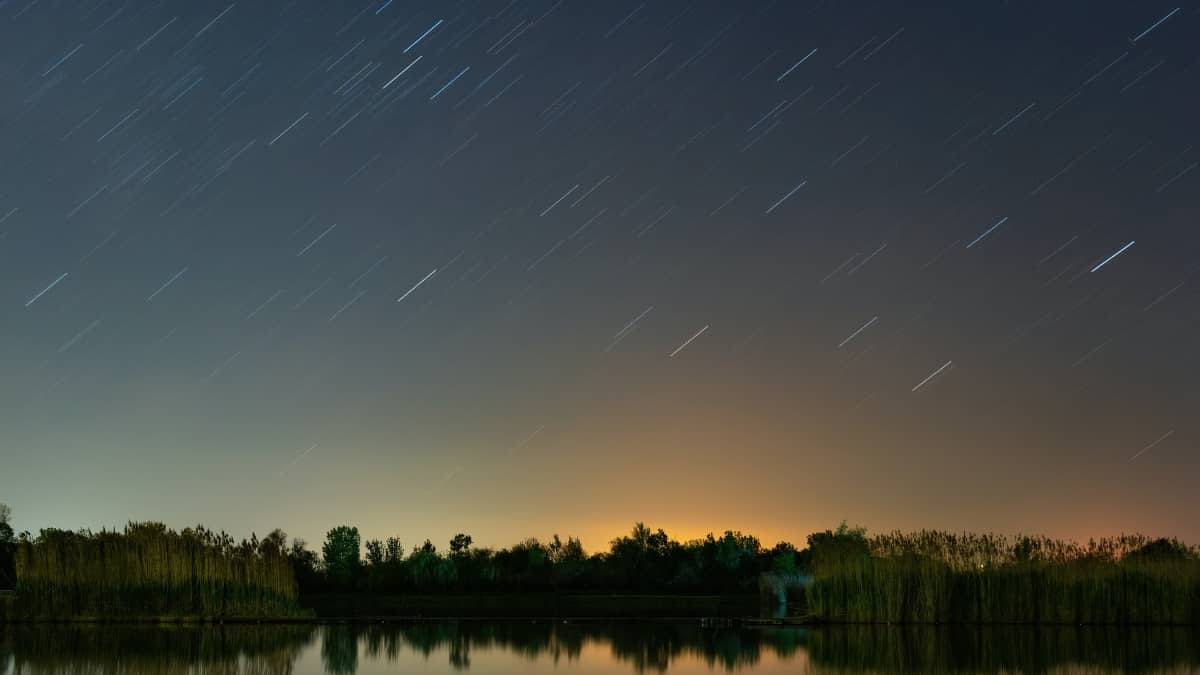
The Draconid meteor shower, caused by debris from the comet 21P/Giacobini-Zinner burning up in Earth's atmosphere, will be visible from October 6 to 10, with the best viewing time on October 8 around 8pm. The shower is named after the constellation Draco, as the meteors appear to radiate from within it. While not the busiest meteor shower, it has the potential for a meteor storm, where over a thousand meteors can be seen in one location. Observers are advised to find a dark area with clear skies and allow their eyes to adjust to the darkness for about 20 minutes.