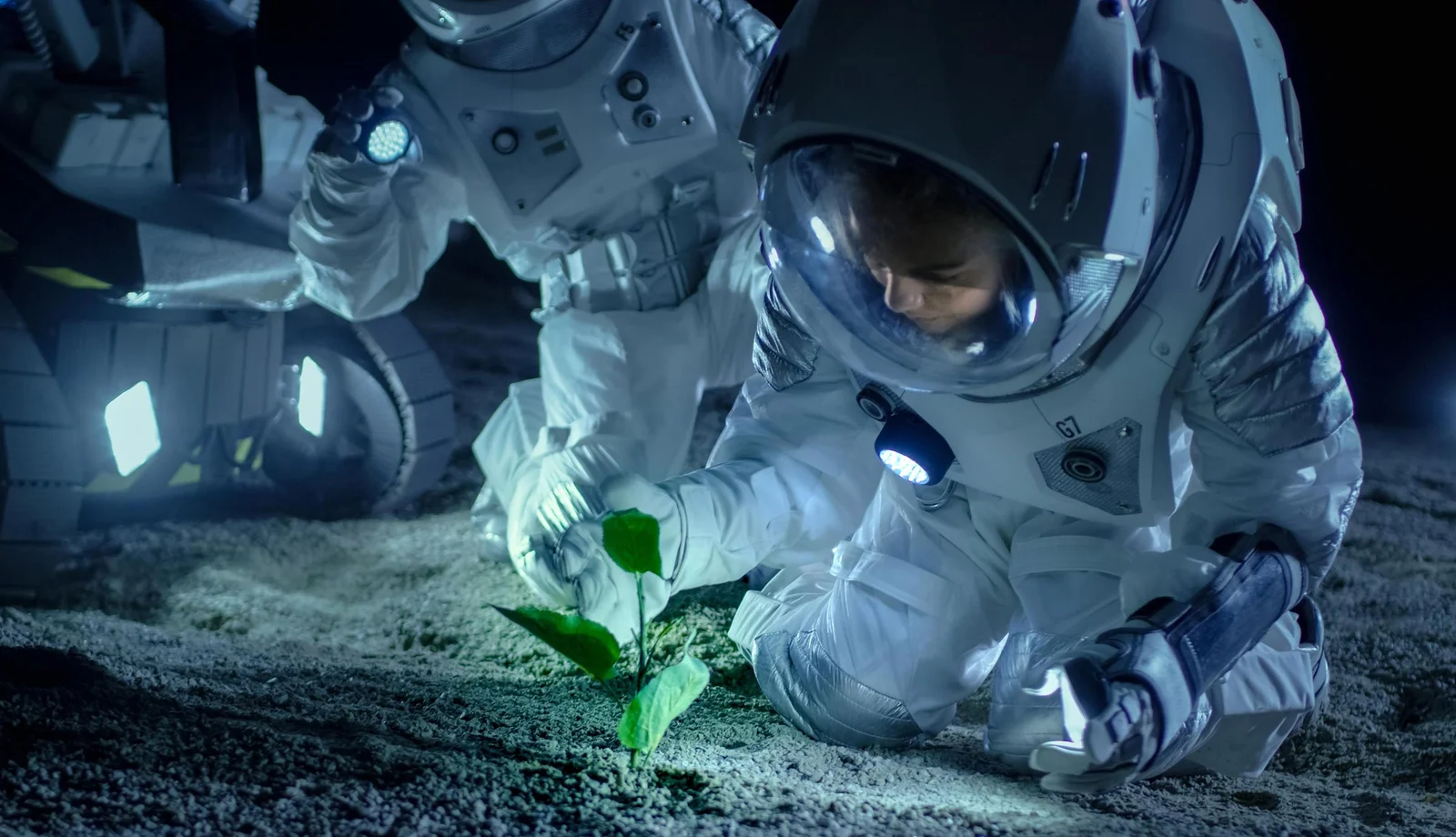
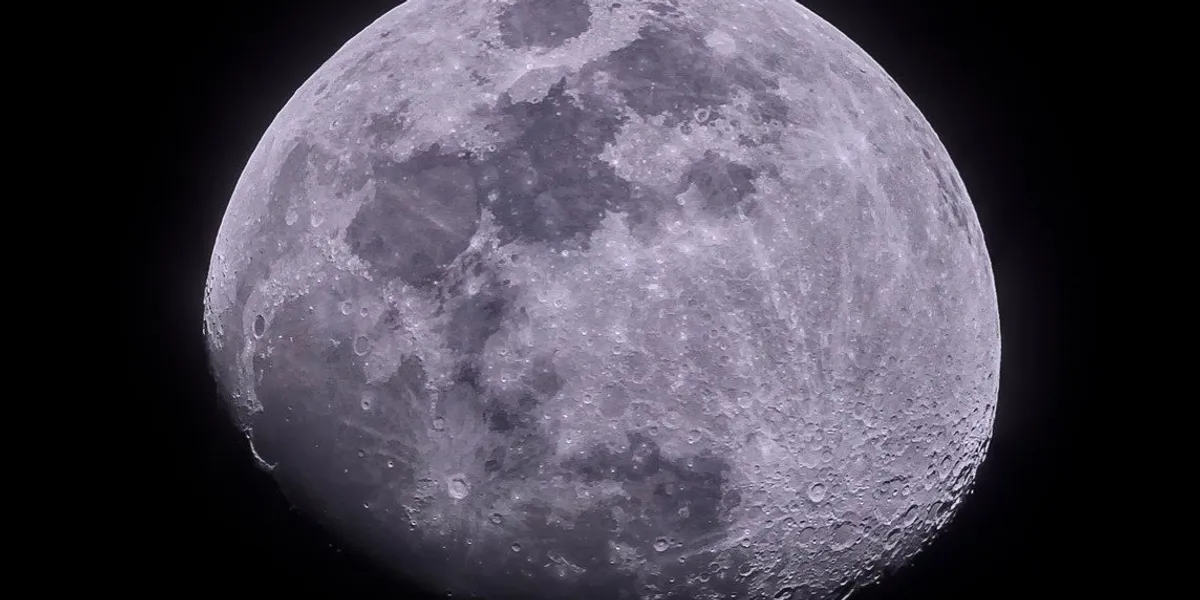
Scientists have developed a solar-powered technology that extracts water from lunar soil and converts astronaut CO₂ into oxygen and fuel, potentially enabling sustainable long-term human presence on the Moon without transporting resources from Earth.
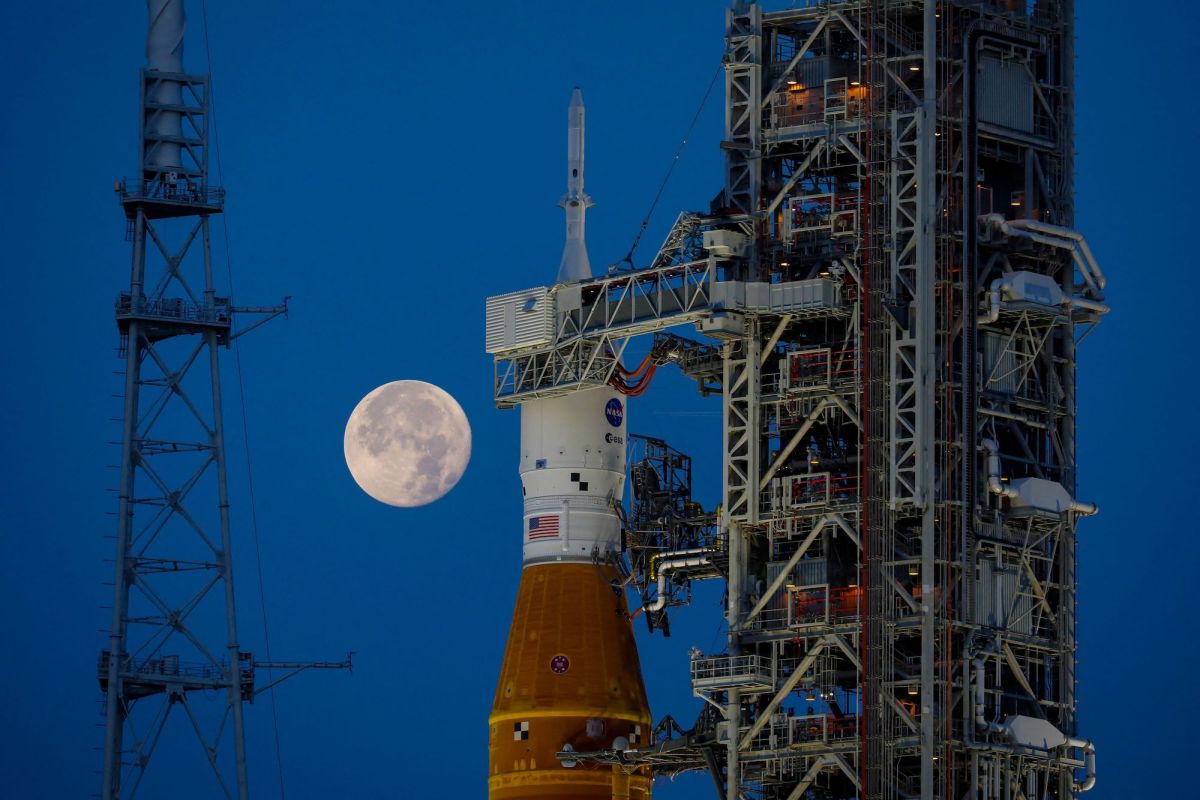
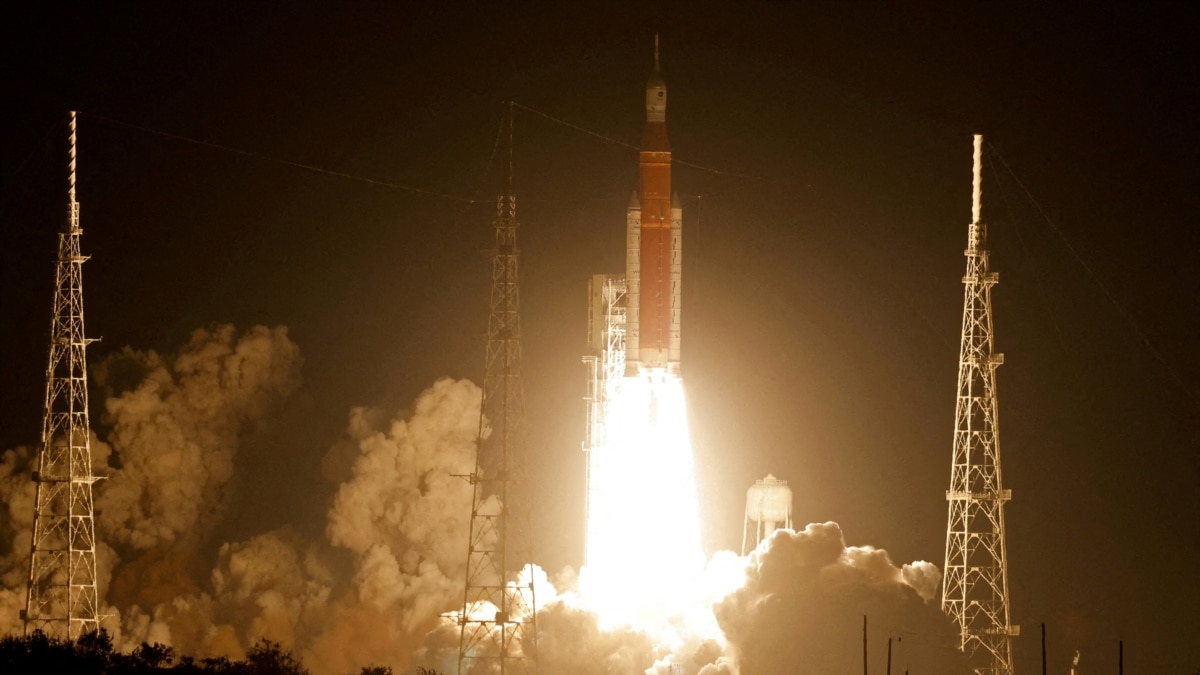
NASA's Artemis mission will deploy advanced instruments on the lunar surface and orbit to map the moon's minerals, volatiles, and subsurface structures, aiming to uncover lunar secrets, support future human missions, and enhance our understanding of the moon's geology and history.
Interlune, a secretive startup led by ex-Blue Origin leaders, has raised $15.5 million in new funding for its mission to harvest natural resources from the moon. The company aims to develop technology for lunar in-situ resource utilization, enabling the sorting of lunar regolith for various applications such as oxygen extraction and 3D printing. With a focus on creating a sustainable in-space economy, Interlune joins a growing number of space startups and organizations working on ISRU technology to support long-term human presence on the moon and beyond.
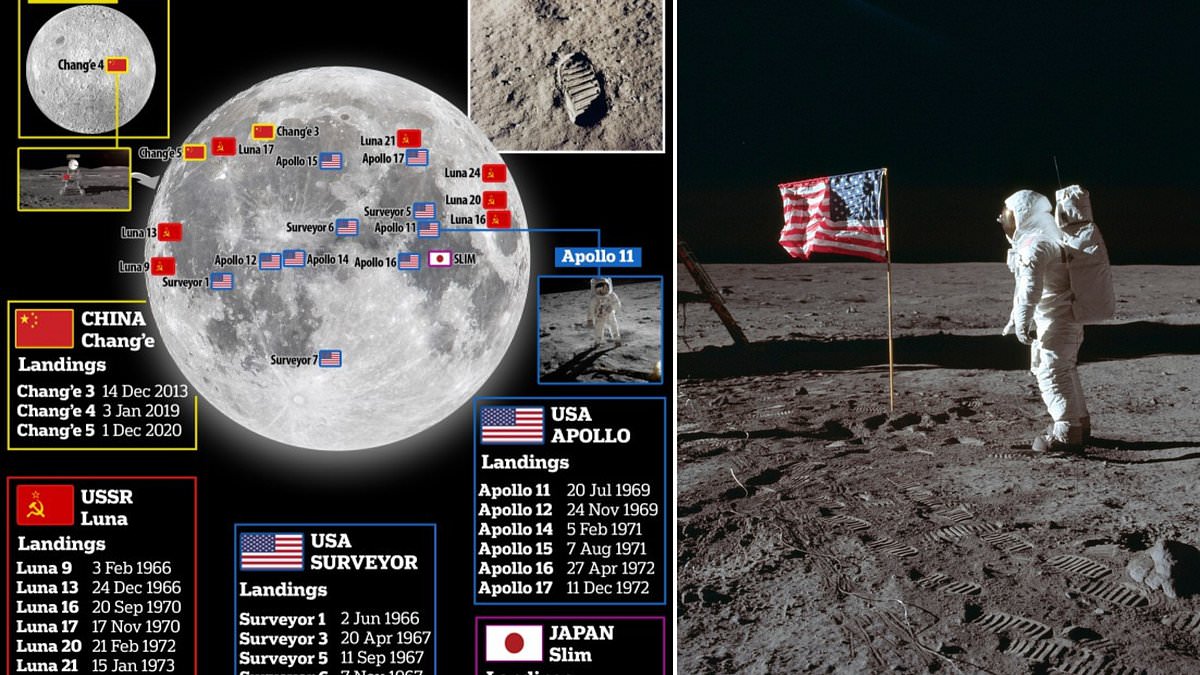
The Outer Space Treaty, signed in 1967, prohibits any country from claiming ownership of the moon or other celestial bodies. While individuals cannot own the moon, states retain ownership of objects they send into space. The treaty's open-ended approach to the definition of "use" may lead to future activities that resemble ownership. The debate over mining moon resources under the treaty continues, with some advocating for usage rights and others opposing any form of appropriation. As the race to establish lunar settlements heats up, the legal framework for space activities is being tested, raising concerns about potential conflicts and the need for updated regulations.
NASA is gearing up for lunar exploration with the upcoming Peregrine mission, but concerns have been raised about the potential impact of resource exploitation on the Moon's scientific value. Astronomers emphasize the need for careful consideration in choosing sites for mining and bases to protect the moon's unique scientific features. Urgent action is urged to establish international agreements safeguarding these resources, as a privately built US lander is set to touch down on the moon, marking the first commercial mission of its kind.
NASA aims to develop resources on the moon, starting with oxygen and water, and later potentially mining iron and rare earth metals. The agency plans to dig into the moon's soil by 2032 as part of its Artemis mission, with the goal of advancing commercial use of space and attracting external investment. NASA plans to send a test drilling device to the moon soon and a larger digging project in 2032, with the first customers expected to be commercial rocket companies. The Australian Space Agency is also involved in developing a device to collect lunar soil samples for NASA.