Tag

Hermit Crabs

All articles tagged with #hermit crabs

environment1 year ago

"Hermit Crabs Embrace Plastic Waste as New Shells, Study Reveals"

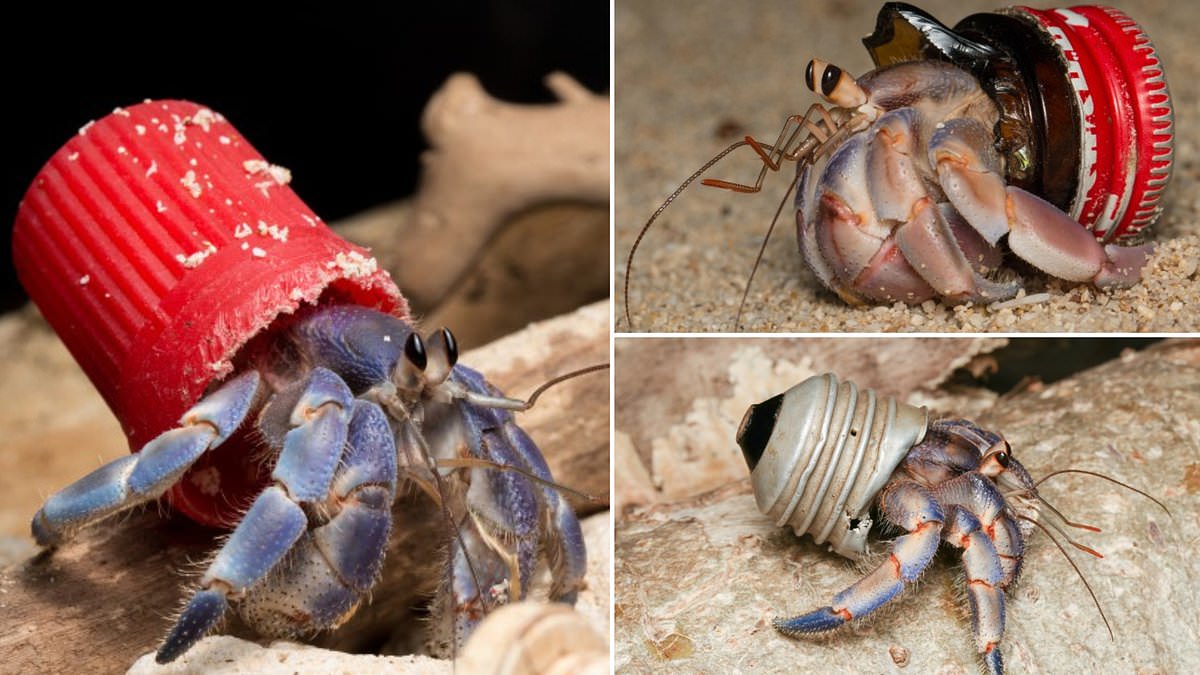
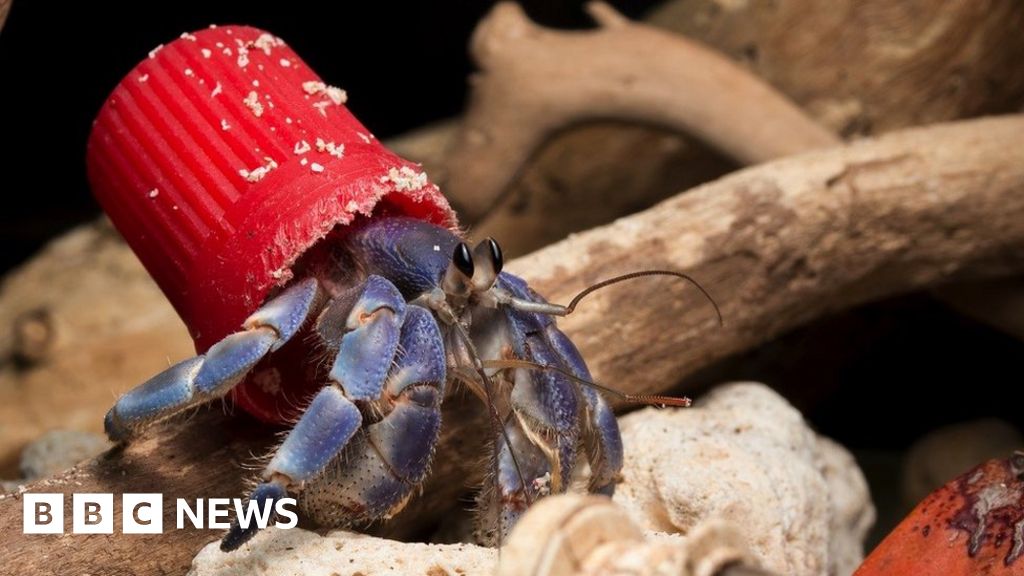
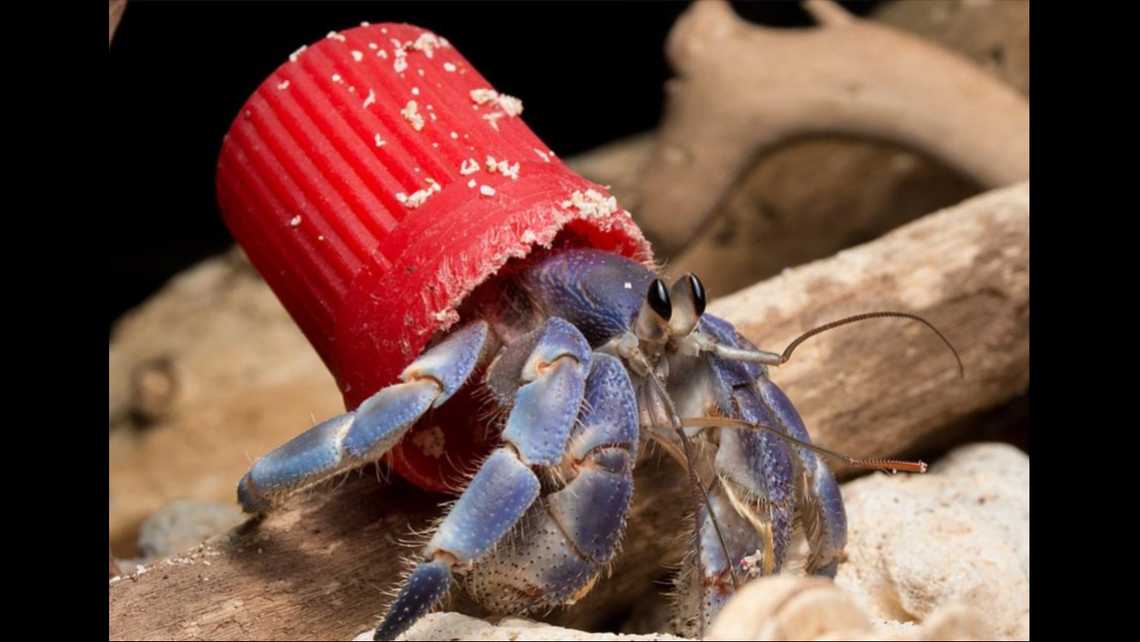
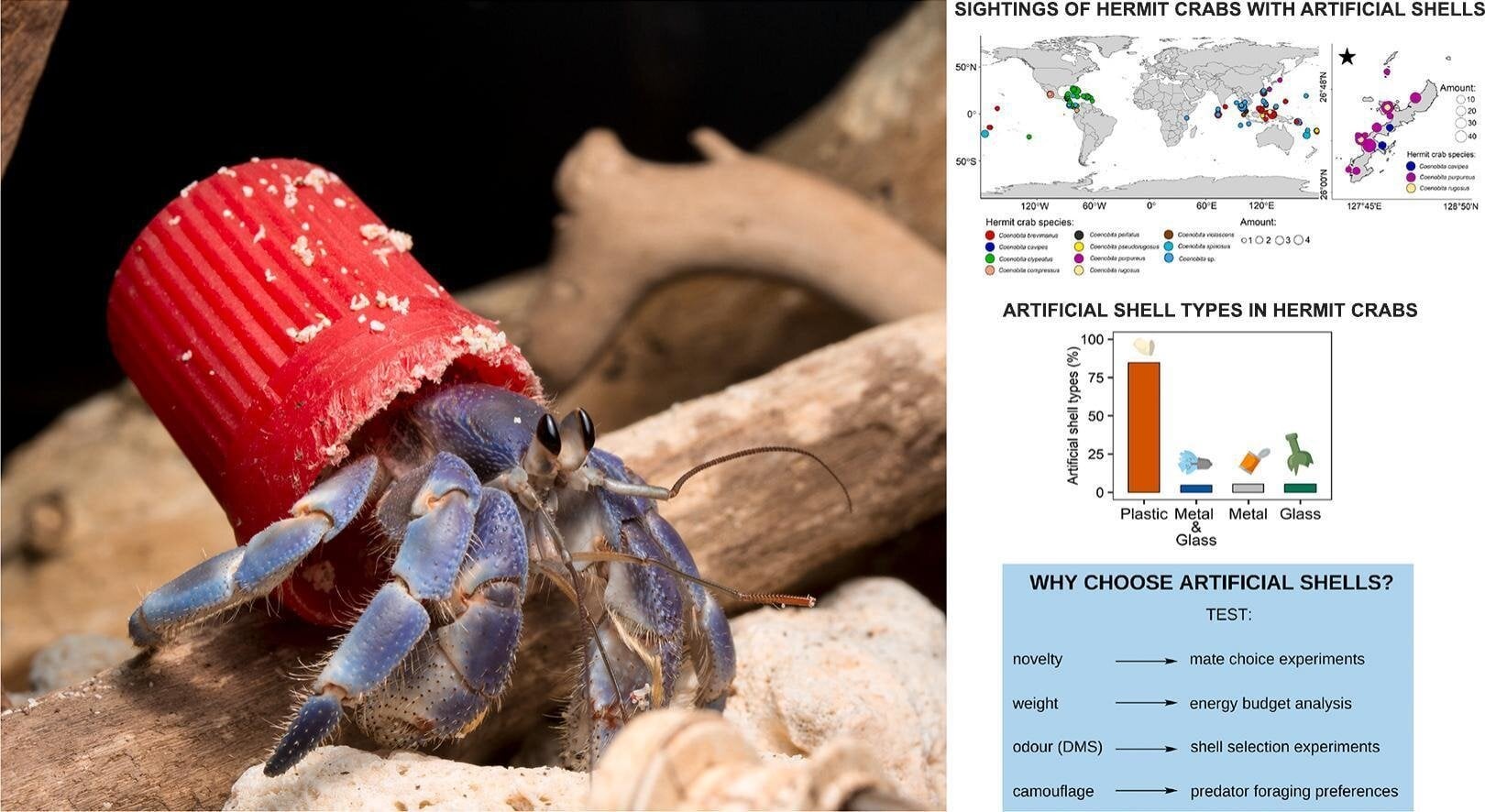
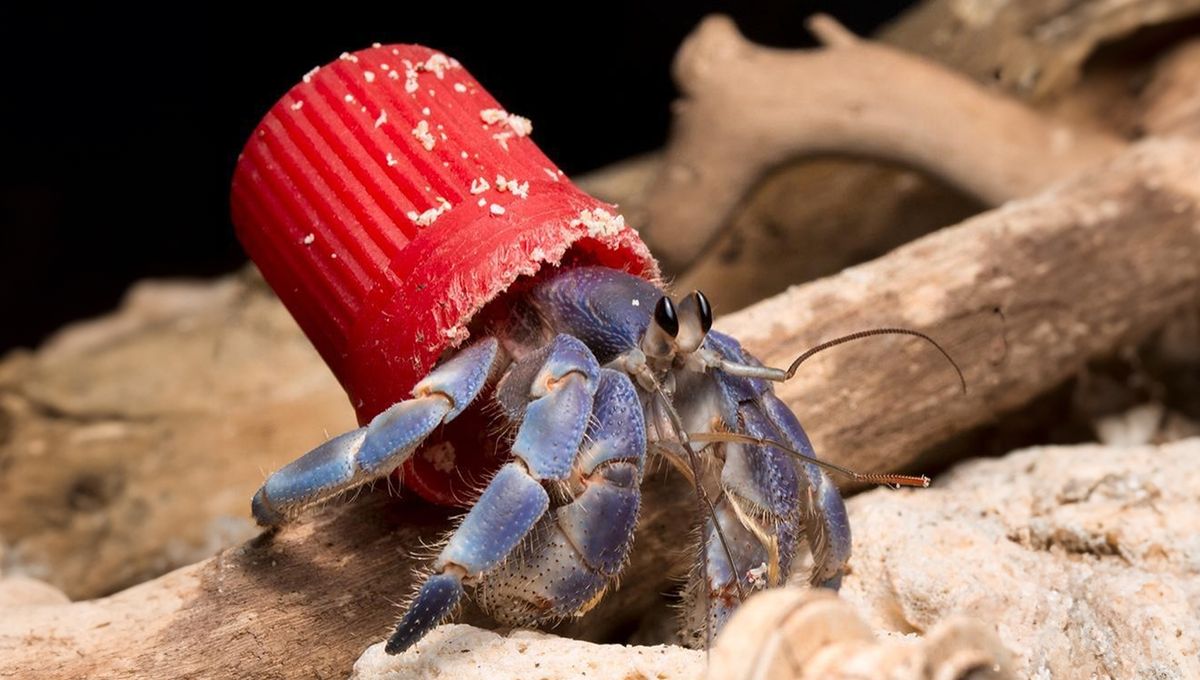
Researchers have found hermit crabs around the world using plastic waste, particularly plastic caps, as "homes" instead of natural shells, with almost 400 examples discovered. The behavior is attributed to the widespread availability of plastic waste, its lighter weight, different smell, potential attractiveness to females, and efficient camouflage in polluted environments. The long-term impacts of this behavior on hermit crabs are not yet known, but it highlights the pervasive impact of plastic pollution on marine life.
environment1 year ago

Hermit Crabs Embrace Plastic Waste as New Shells

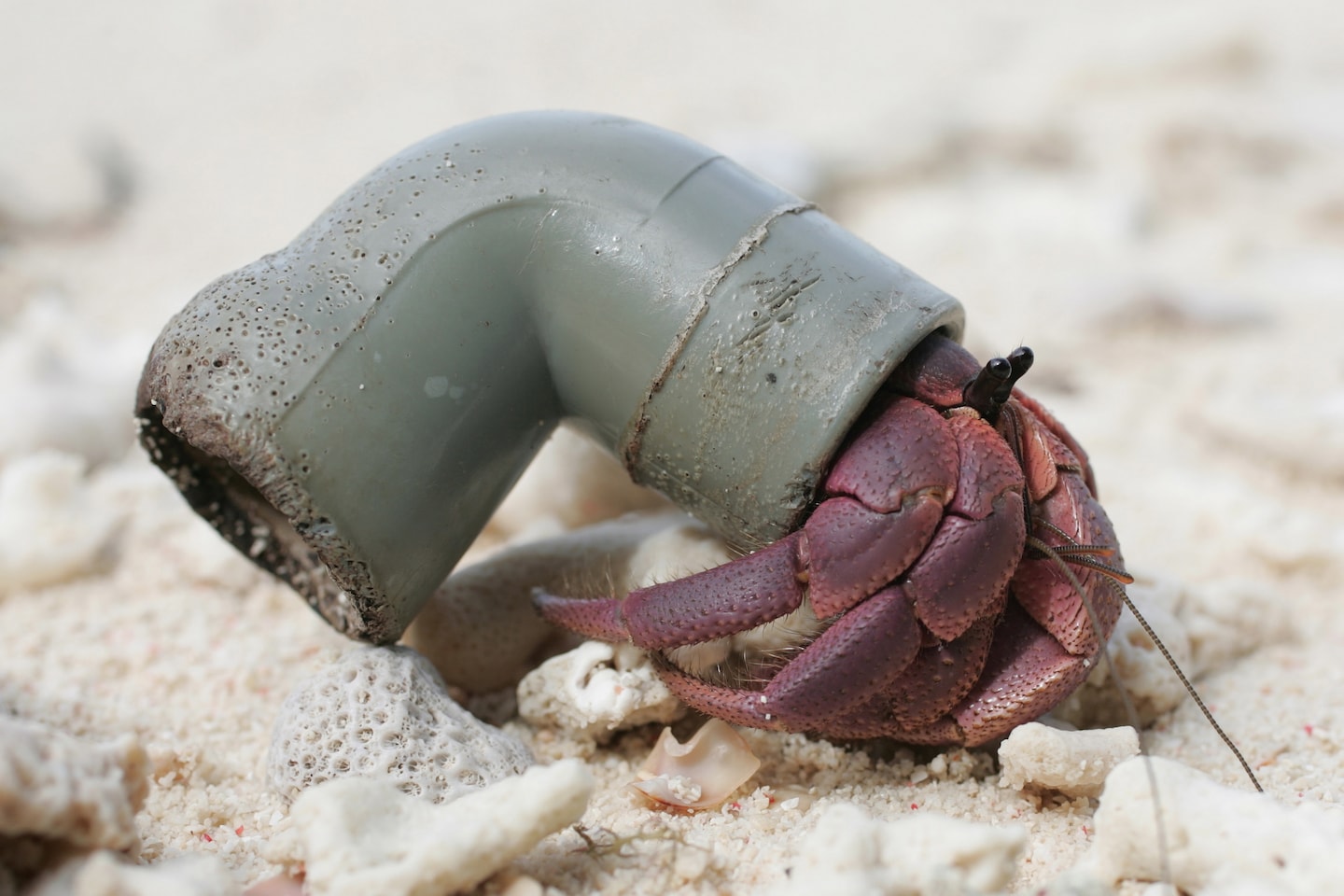
Terrestrial hermit crabs, typically known for using discarded mollusk shells as protection, are increasingly turning to plastic waste found on tropical coastlines as their new homes. New research, using an iEcology approach, has identified 386 individual crabs from 10 species using artificial shells, predominantly made of plastic. Factors such as the environmental availability of plastic waste and the scarcity of natural shells due to human activities may be driving this behavior. The study raises questions about the potential ecological and evolutionary impact of this shift in habitat for hermit crabs.

environment1 year ago

"Global Hermit Crabs Embrace Plastic Trash as Shells"

Hermit crabs around the world are increasingly using plastic trash as shells, with a study revealing that at least 10 of 16 terrestrial hermit crab species are affected. Researchers found that plastic caps, like those on soda bottles, accounted for up to 85 percent of the artificial shells. The study suggests that factors such as sexual selection and practicality may be driving this behavior, and it remains unclear whether the plastic shells are impacting the well-being of the hermit crabs. The researchers hope to further investigate the consequences of plastic pollution on marine ecosystems and the evolution of species in the Anthropocene.

environment1 year ago

"Hermit Crab's Toothpaste Lid Home: A Heartbreaking Display of Earth's Impact"

Hermit crabs are increasingly using plastic waste such as metal bottle caps and bulb fragments as shells, as shown in photos analyzed by experts from the University of Warsaw. This behavior is observed in tropical regions and may be due to a shortage of traditional snail shells and the lighter weight of plastic. The impact of this behavior on the crabs' evolution is not yet clear, but with plastic pollution in oceans expected to triple by 2040, experts are concerned about the devastating impact on wildlife.

environment1 year ago

"Land Hermit Crabs Embracing Trash Shells"

A study has found that the majority of land hermit crab species worldwide are using trash as shells, with about 85 percent using plastic caps. The use of artificial materials by hermit crabs is a global phenomenon, potentially driven by factors such as better camouflage in polluted environments, the abundance of trash compared to seashells, and unique shell usage in sexual signaling. However, plastic pollution poses dangers to hermit crabs, as seen in a study of the Cocos Islands where over half a million crabs died after crawling into trash items. The prevalence of human-generated trash in the oceans may be setting hermit crabs on a new evolutionary trajectory, raising questions about the ecological and evolutionary impact of artificial shells in the Anthropocene era.

environment2 years ago

"Land Hermit Crabs Embrace Plastic Trash as Shells"

Hermit crabs around the world are increasingly using plastic waste as shells, as revealed by an analysis of photos shared by wildlife enthusiasts. The study found that two-thirds of hermit crab species were pictured in artificial shells, mainly made of plastic caps. Scientists are concerned about the impact of this behavior on the vulnerable crustaceans and are exploring whether the plastic shells are harmful or helpful. The findings highlight the global phenomenon of hermit crabs adapting to the abundance of plastic waste in their environment, raising questions about their interaction with plastic and its potential effects on their evolution.