Tag

Burial

All articles tagged with #burial

DNA Pinpoints Northern Britain’s Oldest Known Mesolithic Burial
science7 days ago

DNA Pinpoints Northern Britain’s Oldest Known Mesolithic Burial

DNA analysis of an 11,000-year-old child from Heaning Wood Cave in Cumbria confirms the remains belong to a young girl and marks her as Northern Britain’s oldest known burial from the Mesolithic era. The find, one of the NW European region’s oldest Mesolithic burials, includes a perforated deer tooth and shell beads radiocarbon dated to about 11,000 years ago, suggesting deliberate burial practices by early hunter-gatherers. Local archaeologist Martin Stables helped uncover the site, which also reveals multiple burials across distinct periods, underscoring long-term use of caves for funerary rites in post-Ice Age Britain.
Ancient Italian teen fell to a bear 28,000 years ago, new bone analysis confirms
science29 days ago

Ancient Italian teen fell to a bear 28,000 years ago, new bone analysis confirms

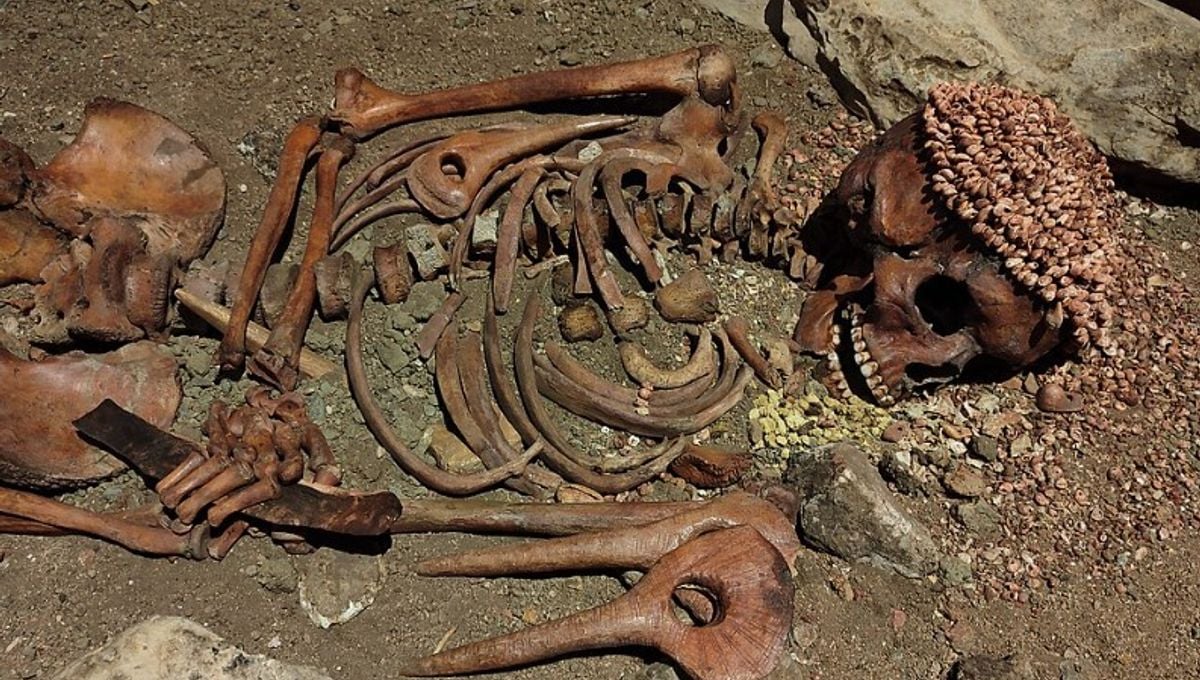
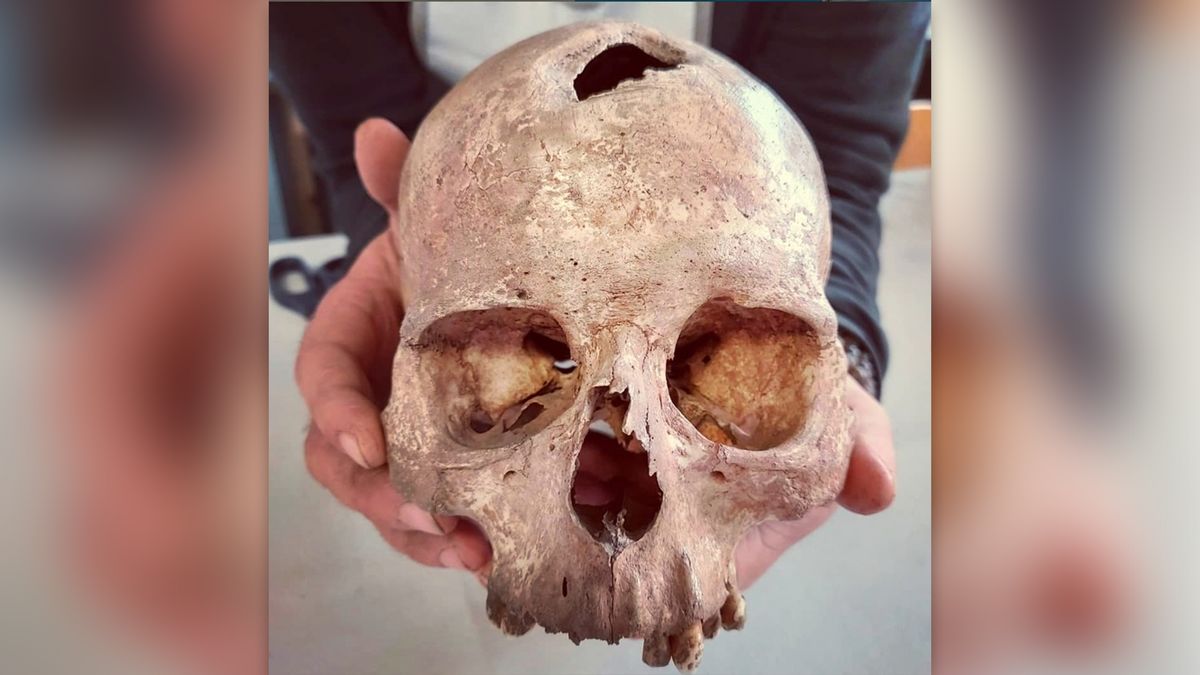
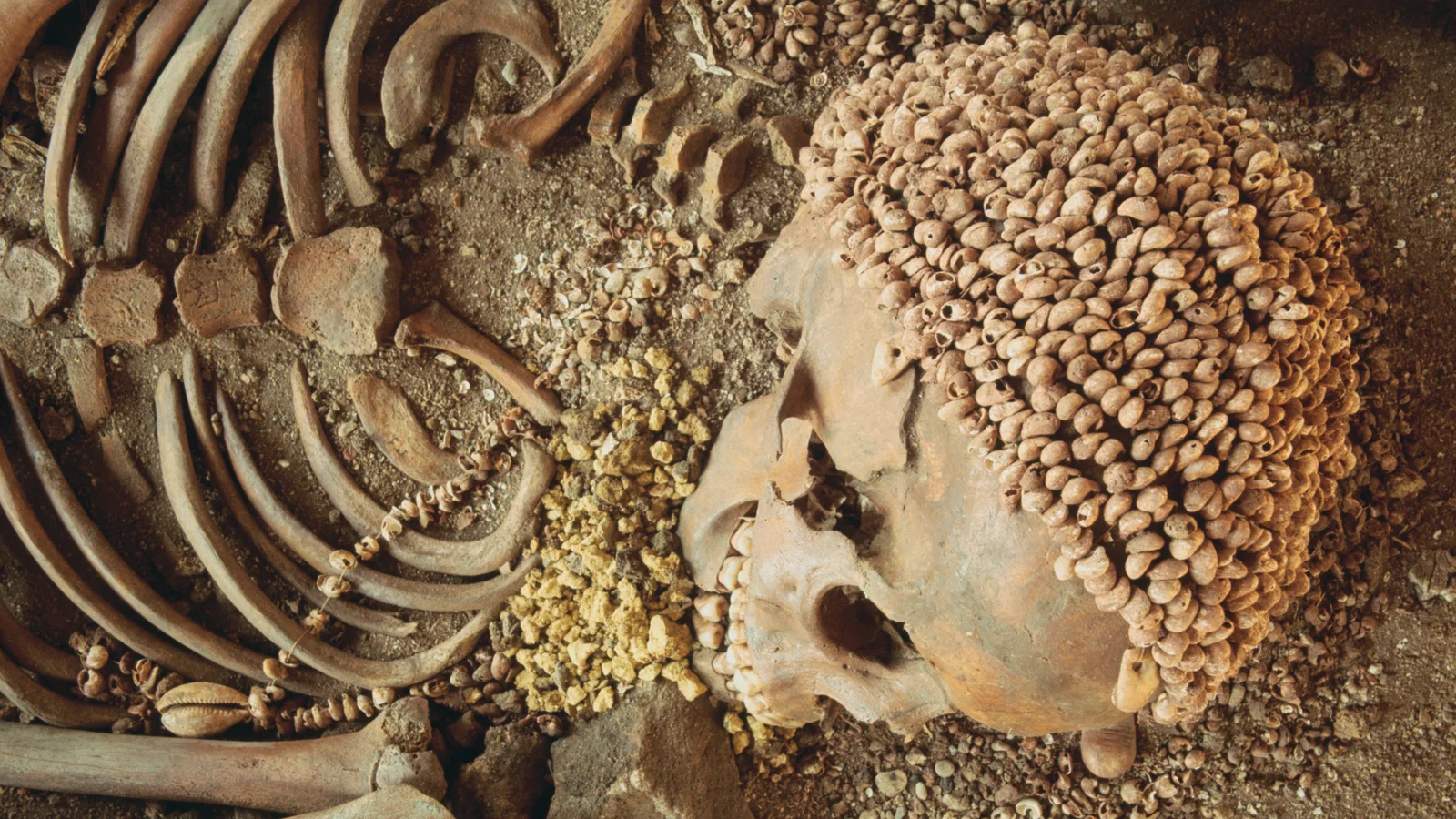
A Paleolithic teen buried in the Arene Candide cave in Liguria, Italy, has been identified as Il Principe. Microscopic and 3D analyses show massive shoulder and facial trauma at death, consistent with a bear attack (likely brown or cave bear), with bone healing indicating the teen survived the mauling for up to three days. The well-preserved grave goods—a shell headdress, shells and teeth, and a flint blade—mark a formal burial, and the individual lived about 28,000 years ago at age 14–17. This find sheds light on dangerous encounters with megafauna and ritual treatment of exceptional burials in Late Paleolithic hunter‑gatherer communities.

Gold-Laden Burials Unearthed by Archaeologists in Crimea
archaeology1 year ago

Gold-Laden Burials Unearthed by Archaeologists in Crimea

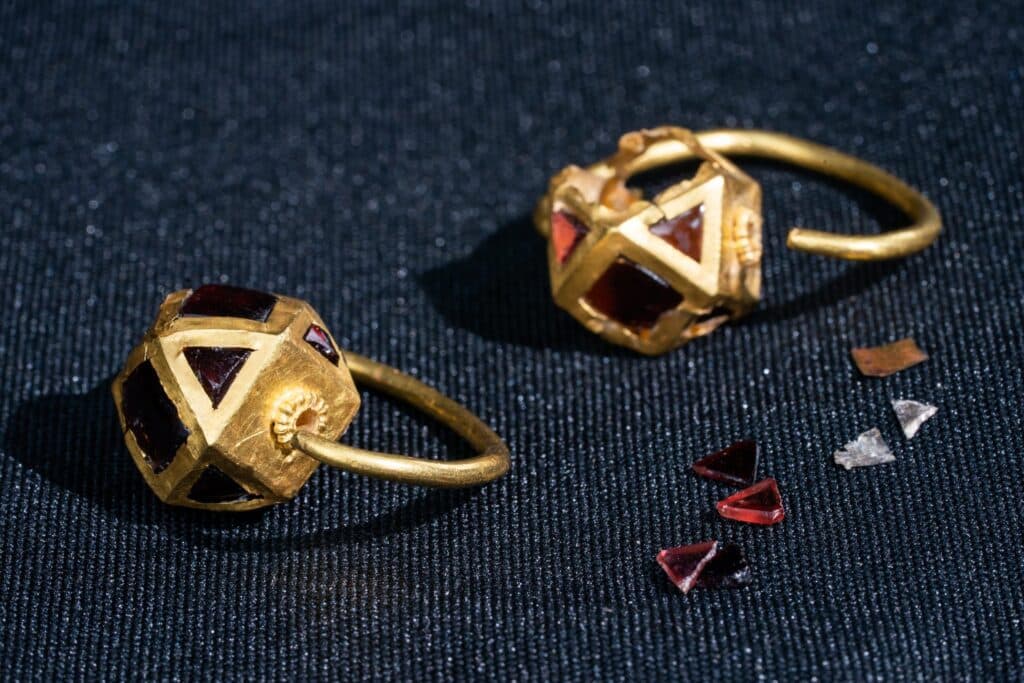
Archaeologists in Crimea have discovered an early-medieval burial site at the Almalyk-dere necropolis, filled with gold and silver jewelry belonging to noble women from the 4th to 6th century. The site, located on the Mangup plateau, is the largest early medieval necropolis in the region. Despite previous looting, the excavation revealed well-preserved artifacts, including gold earrings with precious stones and a decorated pyxis. The findings suggest the burial ground was reserved for the elite of southwestern Crimea.

Ancient Moroccan Cave Reveals Early Human Use of Medicinal Plants
archaeology1 year ago

Ancient Moroccan Cave Reveals Early Human Use of Medicinal Plants

Researchers have discovered 15,000-year-old Ephedra seed cones in a burial site in Morocco, suggesting early humans used plants as drugs. The Ephedra plant, known for its stimulant properties, was likely consumed during burial rituals by the Iberomaurusians, indicating a sophisticated understanding of its effects. This finding highlights the significant role of plants in prehistoric life, predating agriculture, and suggests that ancient humans used plants for medicinal and ritualistic purposes.

"16th-Century Vampire: Face Reconstructed with Brick in Mouth"
archaeologyforensics1 year ago

"16th-Century Vampire: Face Reconstructed with Brick in Mouth"

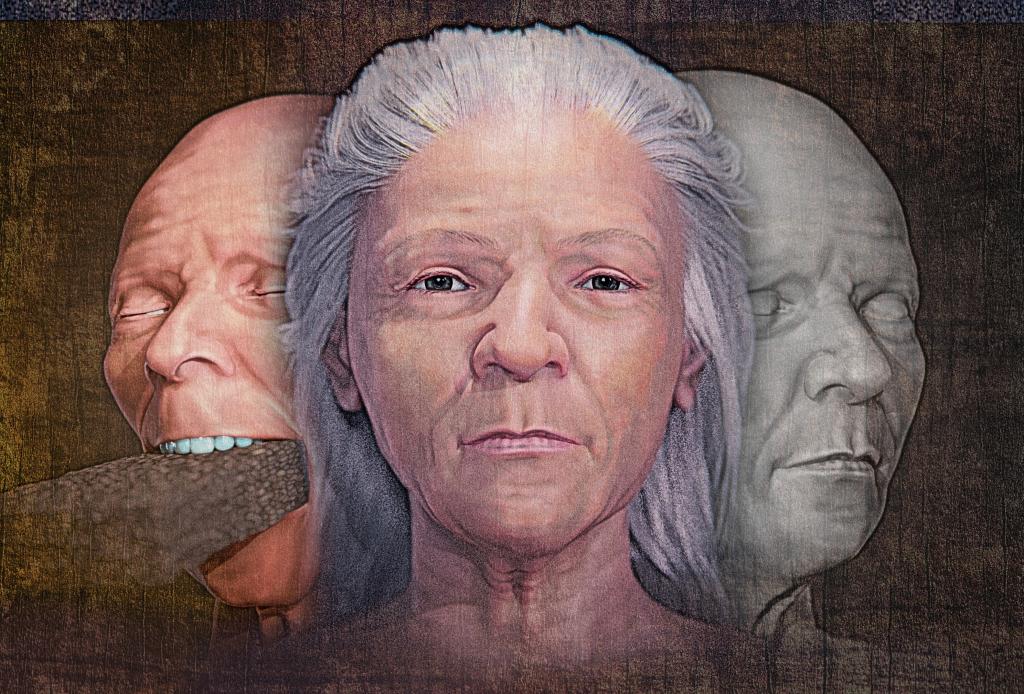
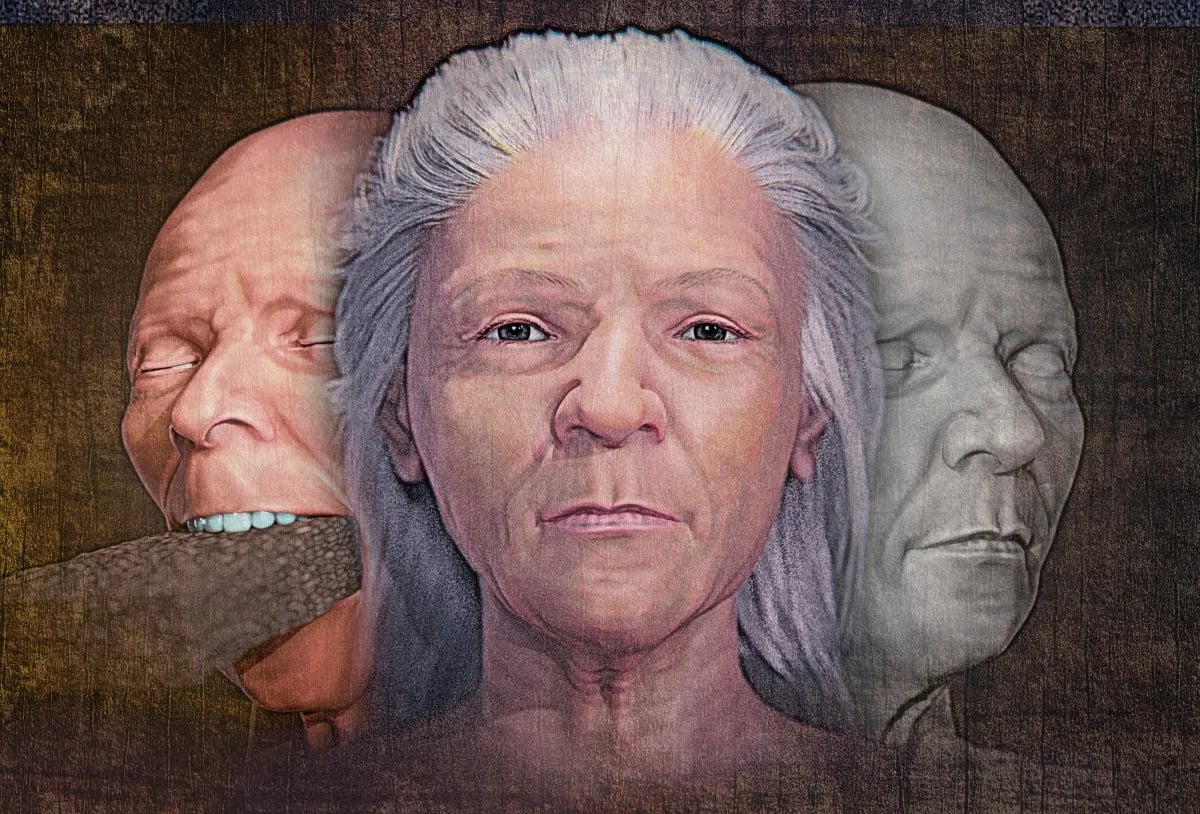
Scientists have reconstructed the face of a 16th-century woman found buried with a brick jammed into her mouth on the Venetian island of Lazzaretto Nuovo, believed to prevent her from feeding as locals thought she was a vampire. The woman, who lived into her 60s, was found in a mass grave from the bubonic plague era, and researchers used forensic reconstruction to investigate whether the brick was placed before or after her death, ultimately concluding that it was likely inserted while she was still alive.

"Facial Reconstruction Reveals 16th-Century Italian 'Vampire' Buried with Brick in Mouth"
archaeologyforensic-science1 year ago

"Facial Reconstruction Reveals 16th-Century Italian 'Vampire' Buried with Brick in Mouth"

Scientists have reconstructed the face of a 16th-century woman buried with a brick in her mouth on the Venetian island of Lazzaretto Nuovo, believed by locals to be a vampire responsible for the plague. Forensic researcher Cícero Moraes investigated the possibility of the brick being inserted while she was alive and concluded that it was feasible. The woman, who lived into her 60s, was found to be a lower-class European. The discovery sheds light on burial practices and superstitions of the time.

"Cave in Spain Used as Burial Site for 4 Millennia: 7000 Bones Unearthed"
archaeology2 years ago

"Cave in Spain Used as Burial Site for 4 Millennia: 7000 Bones Unearthed"

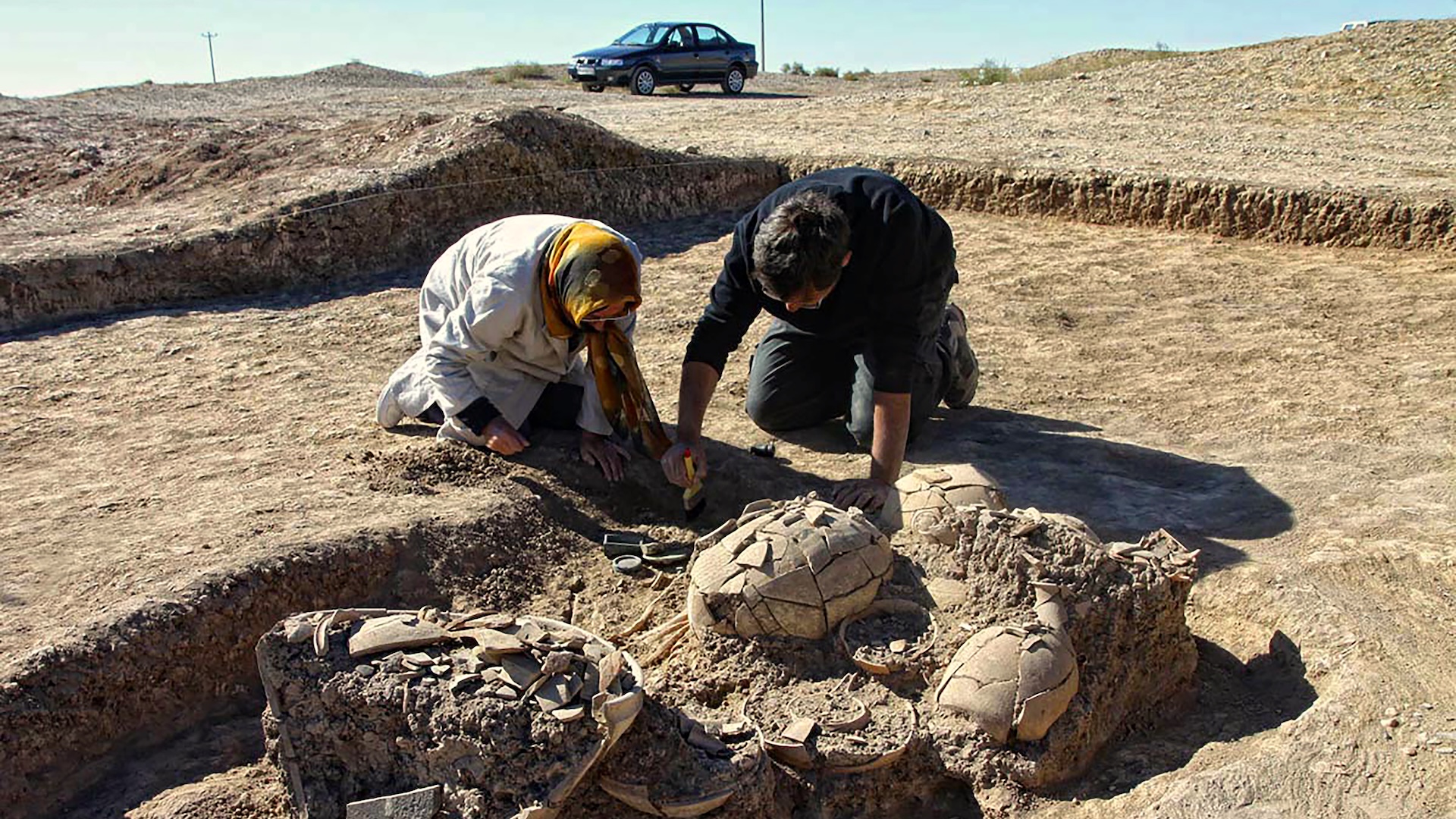
Archaeologists in northeastern Spain have discovered a cave used as a burial site for over 4,000 years, containing more than 7,000 bones. The site, known as Cova dels Xaragalls, was used for communal burials during the late Neolithic and throughout the Bronze Age, with high-status individuals buried alone. The cave also revealed bones of wild goats and charcoal dating back over 45,000 years, suggesting possible use by Neanderthals. Ongoing research includes ancient DNA analysis and ceramic studies to further understand the site's significance.

"Massive Turnout at Navalny's Funeral Reflects Hope for Democratic Russia"
politics2 years ago

"Massive Turnout at Navalny's Funeral Reflects Hope for Democratic Russia"

At least 16,500 people attended Alexey Navalny’s funeral and burial in Moscow's Maryino district, according to the White Counter organization, which monitors mass events. The count was based on the number of people crossing the Brateevskaya Bridge during the procession, though it does not include those who left immediately after the service or arrived from the subway.

"Navalny's Moscow Funeral Sparks Accusations of Russian Interference"
world-news2 years ago

"Navalny's Moscow Funeral Sparks Accusations of Russian Interference"

Russian opposition leader Alexei Navalny's funeral service and burial will take place in Moscow on Friday, with his spokesperson announcing the details. Navalny's allies accused the Kremlin of obstructing their attempts to organize a larger event a day earlier. Navalny's wife expressed fears of possible arrests at the funeral, while also accusing President Vladimir Putin of having him murdered. The Kremlin denies state involvement in Navalny's death and any agreement to free him prior to his death.

world-news2 years ago

"Navalny's Burial in Moscow"

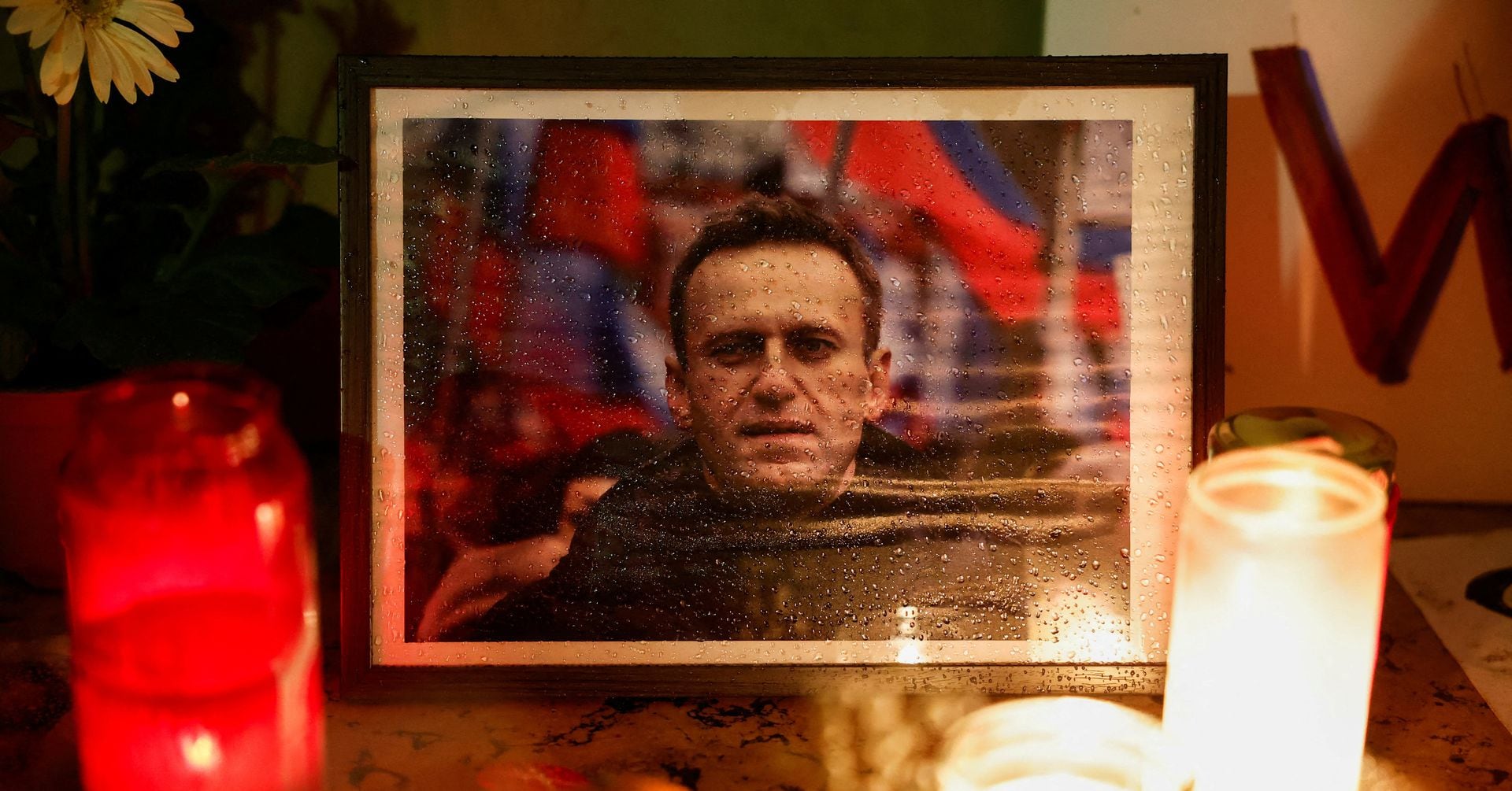
Alexei Navalny, the prominent Russian opposition leader who died in prison, will be buried in Moscow despite the government's efforts to prevent a public display of mourning. Navalny's allies have vowed to press ahead with plans for a public procession and a church service, despite warnings from authorities that they would take action to prevent any unauthorized gatherings. Navalny's death has sparked international condemnation and calls for an independent investigation into the circumstances surrounding his demise.

"Global Outcry: Russian Authorities Threaten Navalny's Burial in Prison Colony"
world-news2 years ago

"Global Outcry: Russian Authorities Threaten Navalny's Burial in Prison Colony"

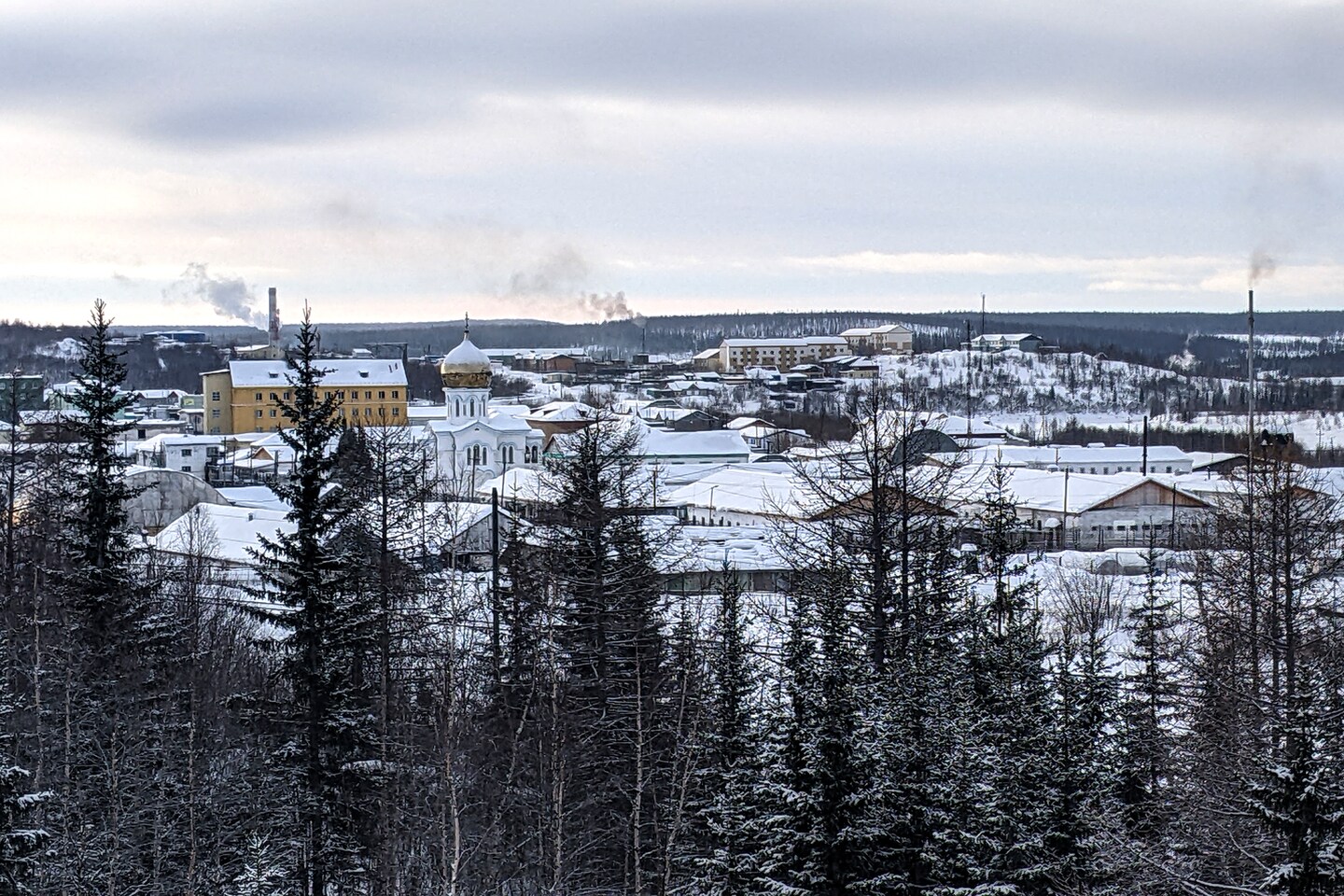
Russian authorities are pressuring Alexei Navalny's mother to agree to a private burial and threatening to bury him in the prison colony where he died, despite his family's insistence on claiming his body for a public funeral in Moscow. President Biden and other leaders have accused Russian President Vladimir Putin of being responsible for Navalny's death, leading to new sanctions against Russian entities. The refusal to hand over Navalny's body has sparked shock and condemnation, with many calling for his body to be returned to his family for a traditional burial.