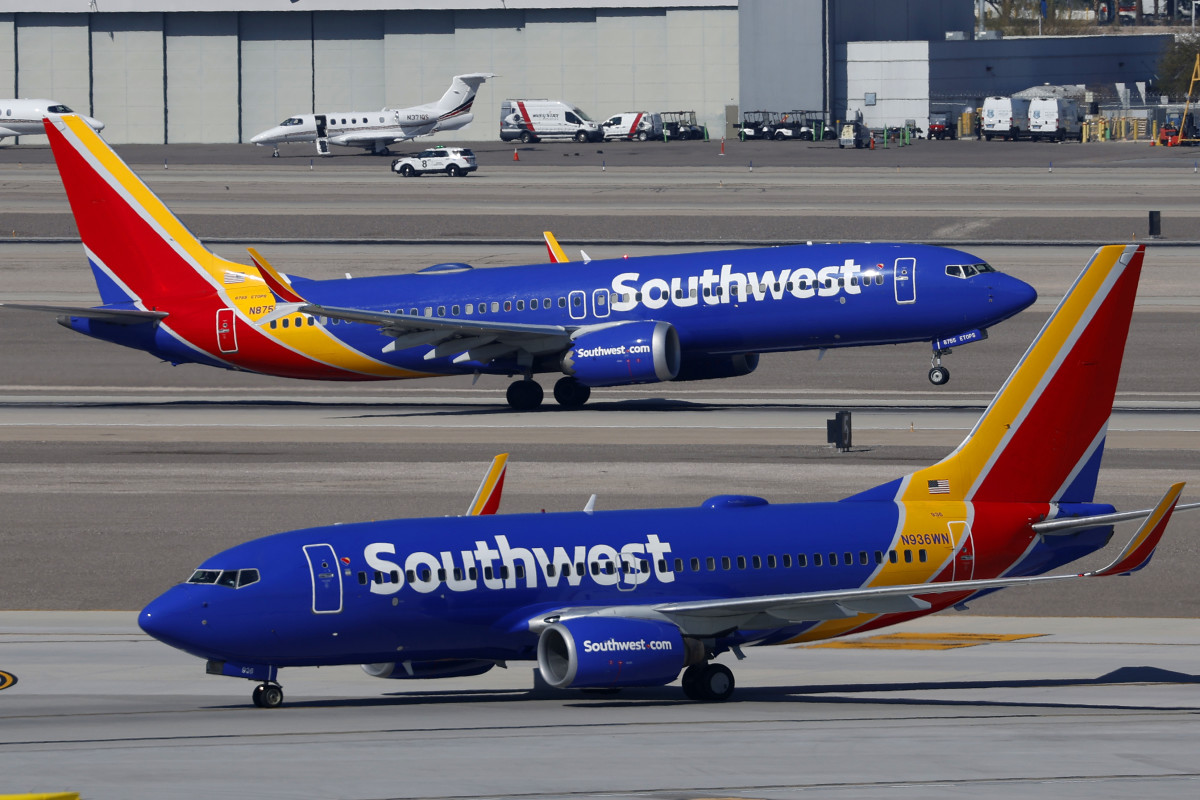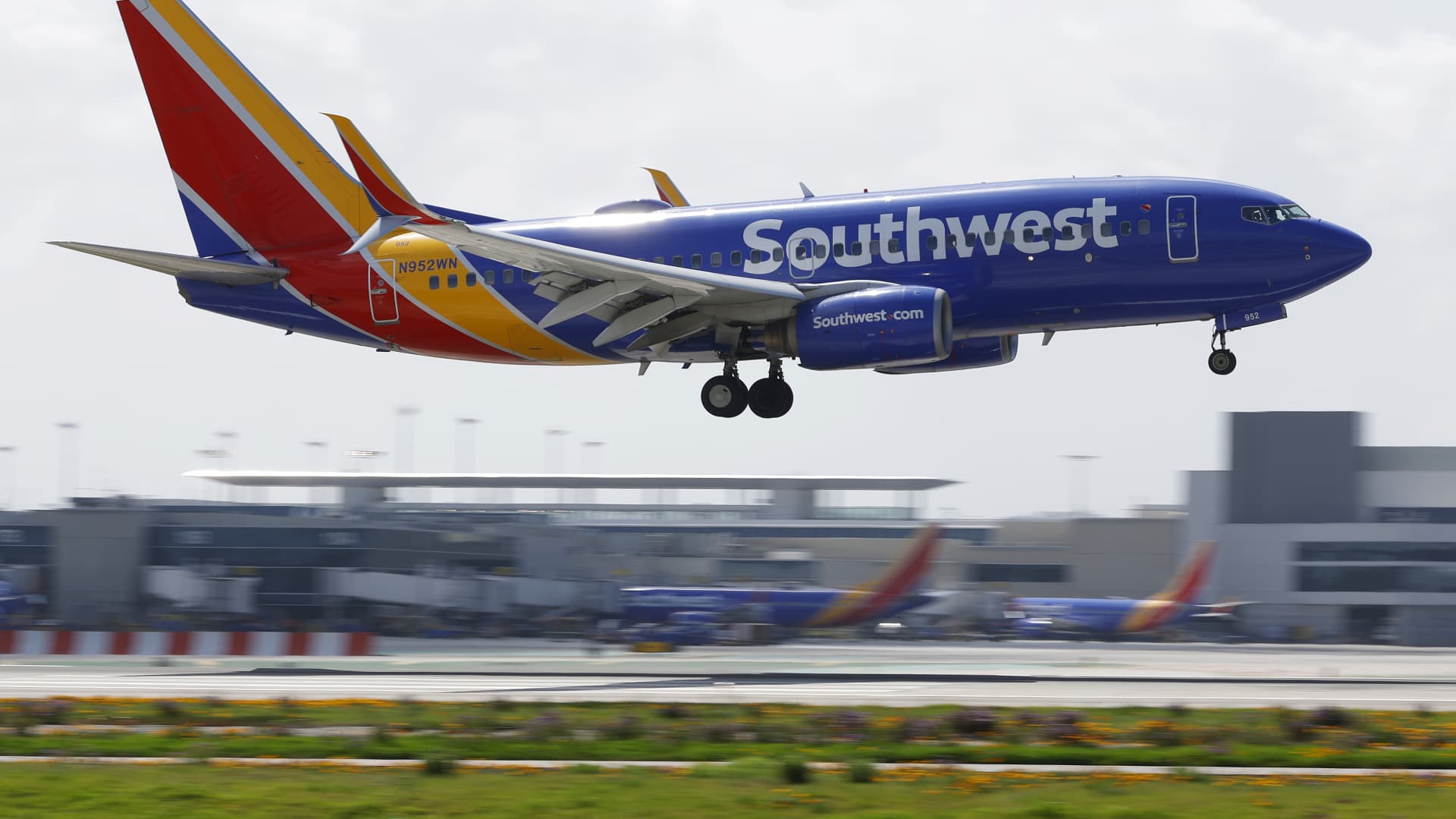
Southwest Airlines ended its free checked bags policy to boost profits, but the move has not yielded the expected financial gains, with profits falling 42% in the first nine months of the year and no significant revenue increase from bag fees, despite ongoing brand changes and new seating options.
Despite a 42% profit decline in the first nine months of 2025, Southwest Airlines' stock has surged nearly 24%, driven by strategic initiatives like switching to assigned seating and offering extra legroom for a fee, which analysts believe will boost future earnings. The airline's transformation efforts and market optimism have led to a significant stock rally, even amid industry challenges and demand dips.
Investors are locking in profits on a stock that has recently surged, while also increasing their holdings in a beaten-down stock that received an analyst upgrade, reflecting strategic adjustments amid market volatility.
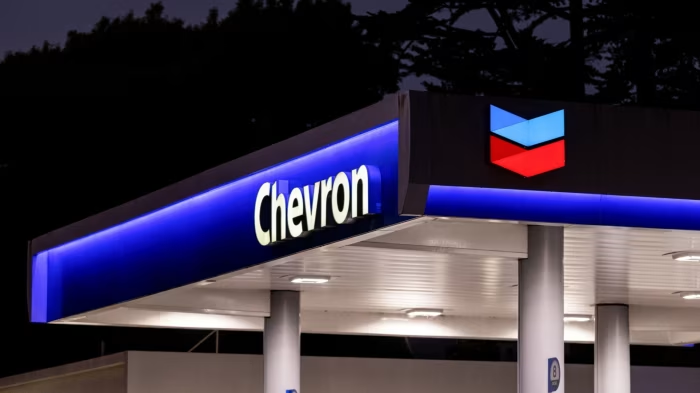
Chevron is shifting its strategy to prioritize shareholder returns and cost efficiency over production growth, aiming for modest volume increases and significant free cash flow growth, while reducing capital expenditure and continuing share buybacks, contrasting with ExxonMobil's investment approach.
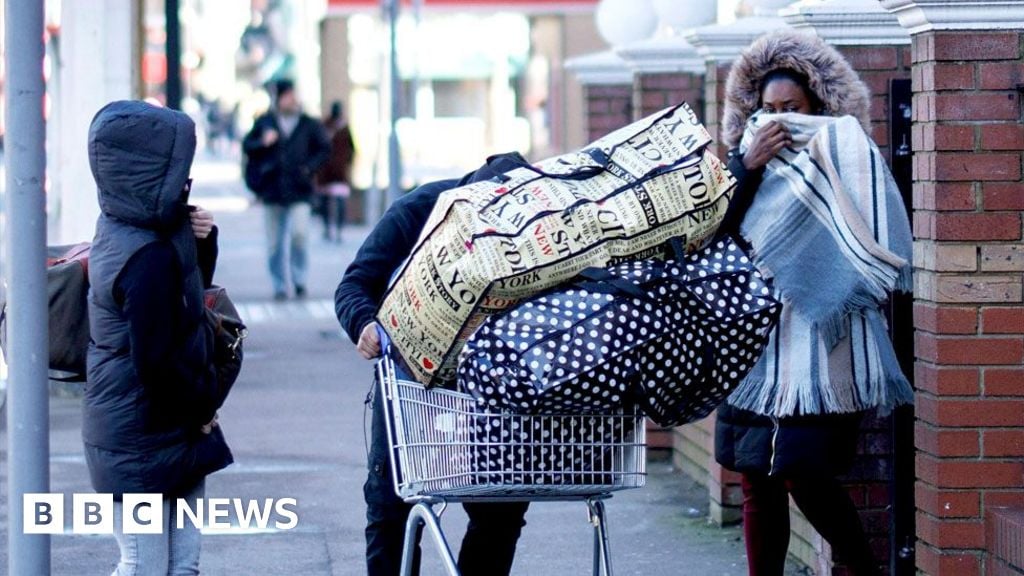
The UK government has recovered £74 million from companies running asylum hotels, following a review of contracts, but this amount is a small fraction of the total £2.1 billion spent on asylum accommodation in 2024/25. The government aims to reduce reliance on hotels, cut costs, and eventually close all asylum hotels, with plans to use alternative accommodations like military sites. Critics argue that the government needs a long-term, cost-effective plan for asylum housing.
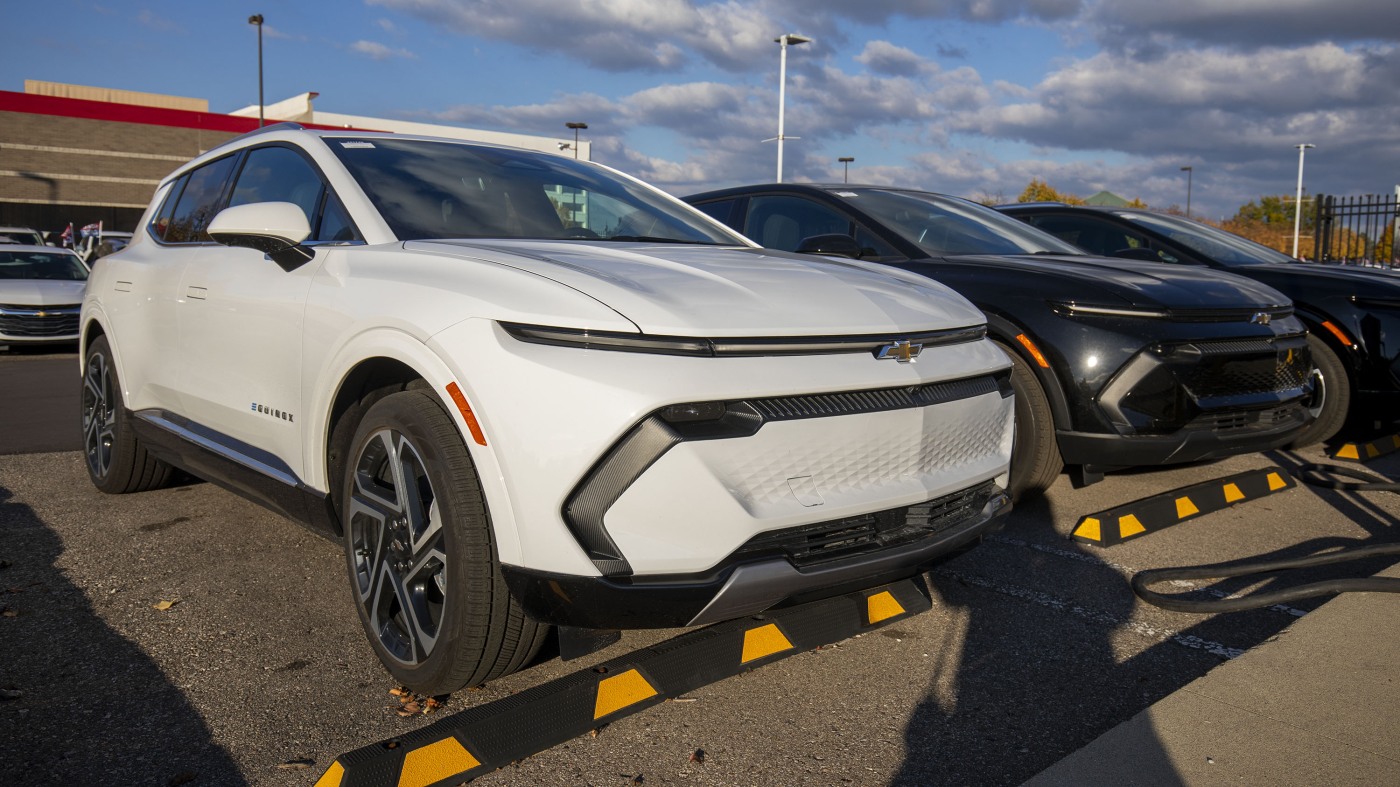
Despite facing $30 billion in tariffs, semiconductor shortages, and supply chain issues, automakers like GM, Ford, and Stellantis report strong quarterly earnings, aided by policy changes reducing tariffs, rising car prices, and a shift in environmental regulations favoring traditional vehicles over electric ones. However, the transition to electric vehicles faces setbacks, with some companies scaling back EV investments amid policy uncertainties and increased competition from Chinese automakers.
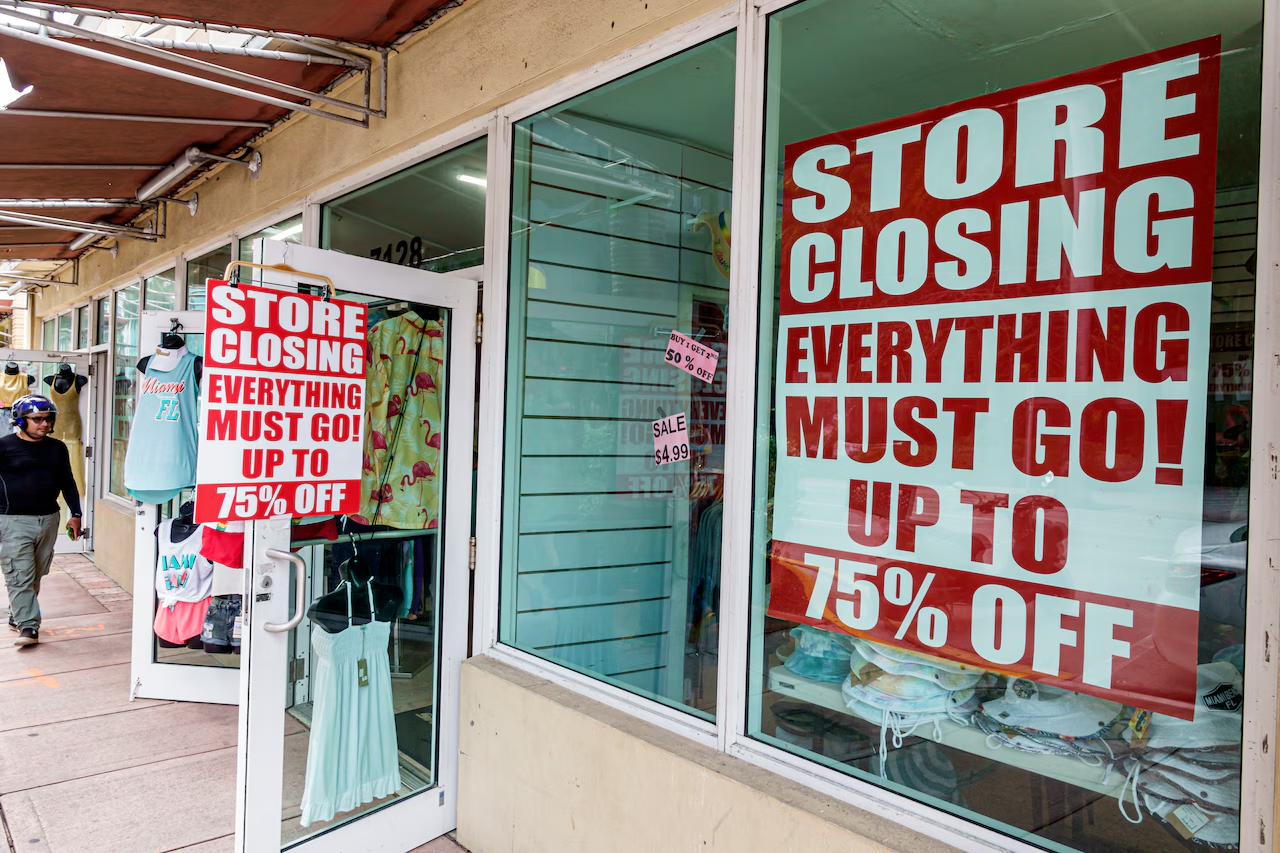
Carter's, a major baby and toddler clothing retailer, plans to close 150 stores over three years and increase prices due to declining profits caused by higher tariffs and costs, while also reducing corporate staff and cutting expenses to improve financial stability.
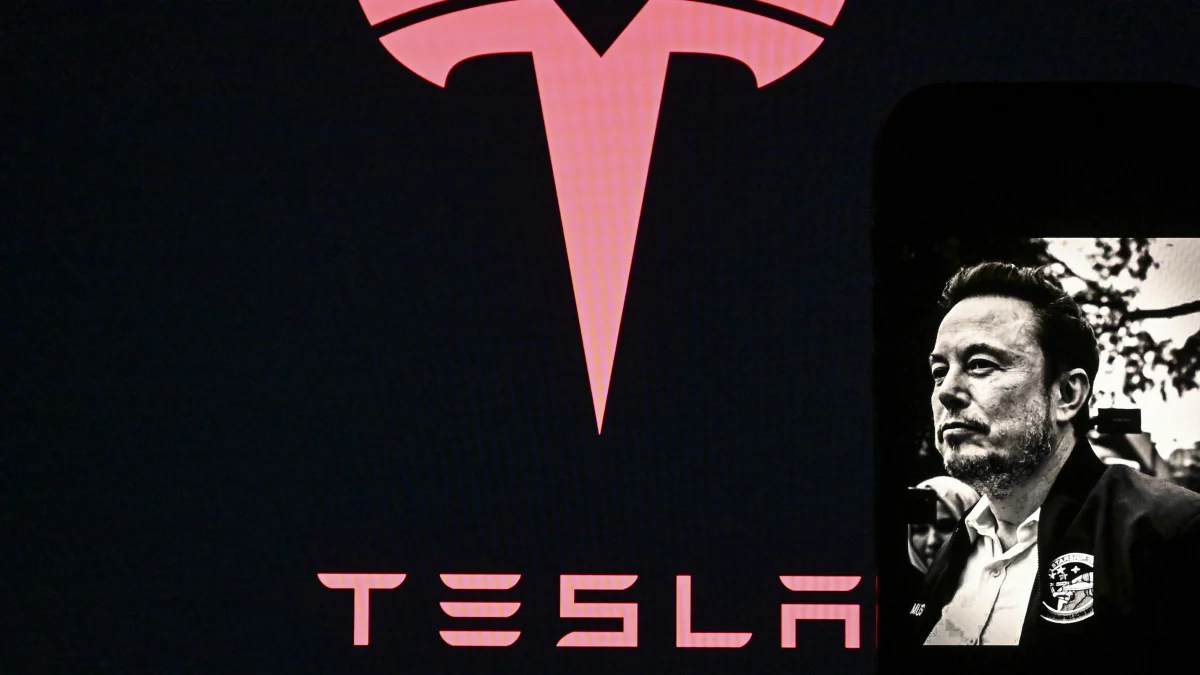
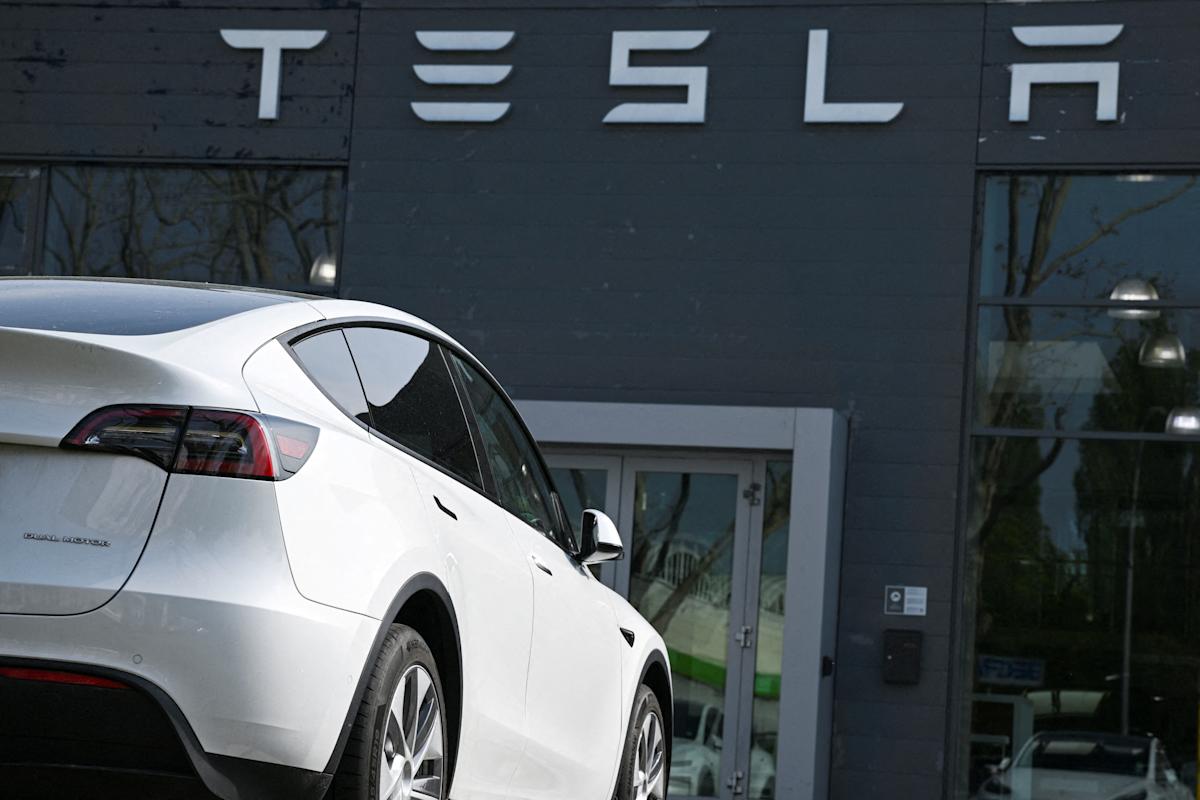
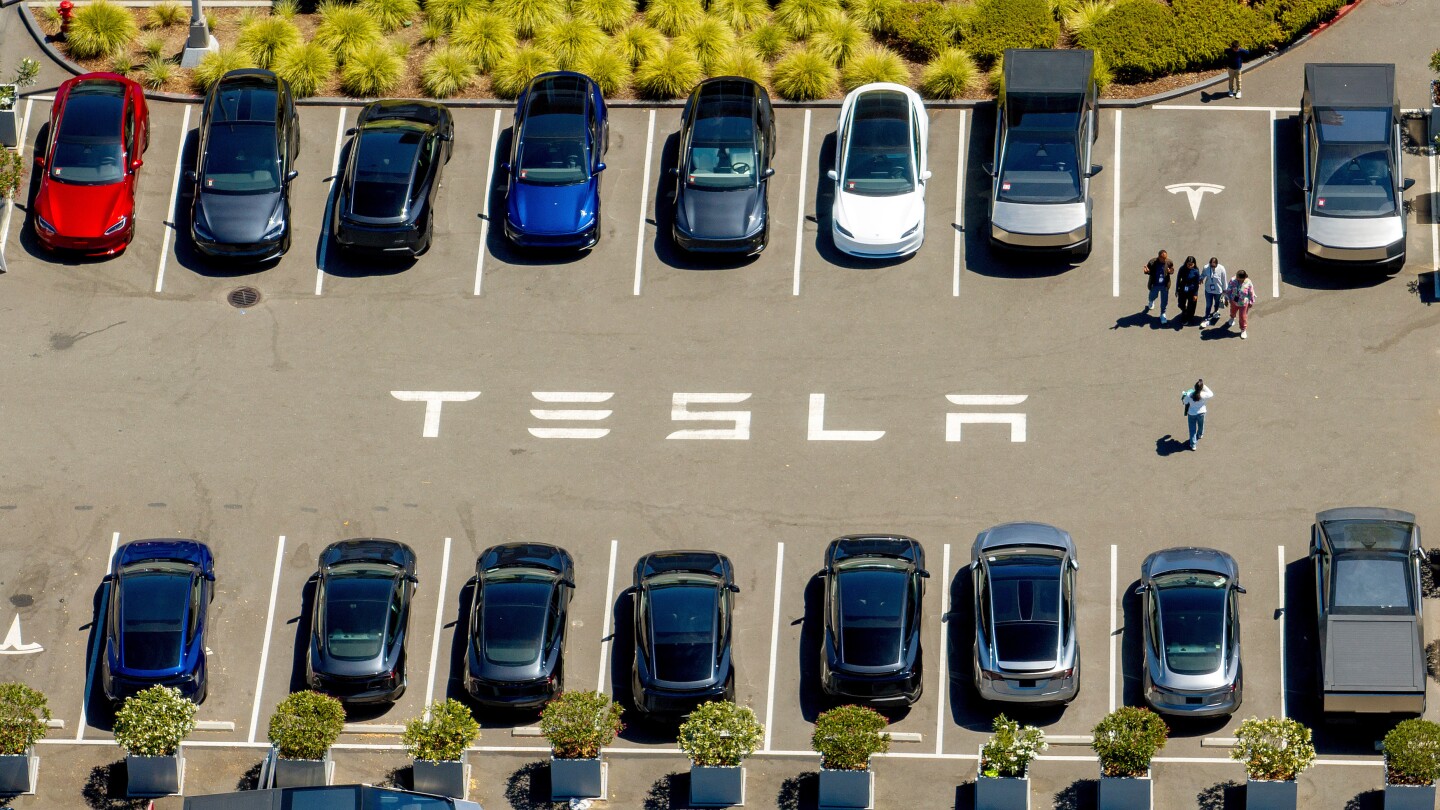
Tesla's third quarter of 2025 saw a 37% drop in profits to $1.4 billion despite a 12% revenue increase, driven by soaring operating costs, a one-time sales boost from expiring tax credits, and the end of government carbon credit programs, highlighting ongoing financial challenges for the EV giant.
Tesla achieved record vehicle deliveries and revenue in Q3 2025, but net income fell 37% due to lower EV prices, higher R&D spending, and tariffs. CEO Elon Musk announced plans to deploy fully driverless robotaxis in multiple states by year's end and revealed the manufacturing of Tesla's AI5 chip in Texas and Arizona, aiming to supplement its vehicle and robot production.
Tesla's quarterly profits declined for the fourth consecutive time despite a rise in vehicle sales, influenced by factors such as customers rushing to use a federal EV tax credit and increased diversification into AI and robotics. The company's revenue increased to $28.1 billion, but profit margins and earnings per share fell, raising concerns about demand and market competition. Elon Musk emphasized future growth in robotaxi and AI products, while investor confidence remains cautious due to ongoing challenges in the EV market.
Many Amazon delivery contractors are quitting due to rising costs and dwindling profits, despite initial success and support from Amazon's program. Increased insurance, vehicle repair costs, and performance pressures have made the business less profitable, leading some owners to exit or diversify. Amazon has responded with a small package delivery rate increase, but many contractors feel it is too late to offset their losses.
United Airlines expects record revenue driven by strong demand from premium flyers and frequent-flyer members, despite missing revenue expectations for three consecutive quarters, which caused its stock to fall even as profits beat Wall Street forecasts.
Banks are warning about a potential economic bubble as they report strong profits, raising concerns about financial stability and the possibility of a market correction.
Wall Street experienced one of its most profitable quarters driven by soaring stock prices, strong earnings from major banks like JPMorgan Chase, Citigroup, Wells Fargo, and Goldman Sachs, and a vibrant deal-making environment, despite ongoing economic uncertainties and geopolitical tensions.