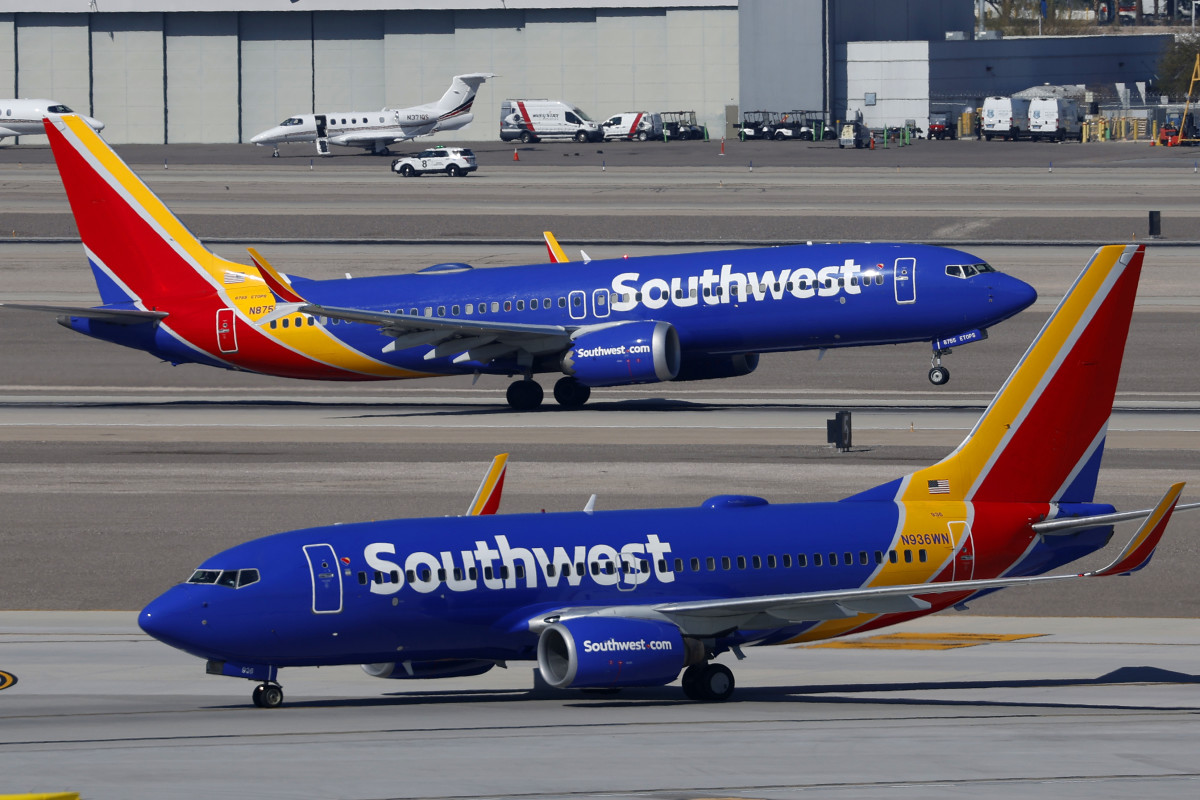
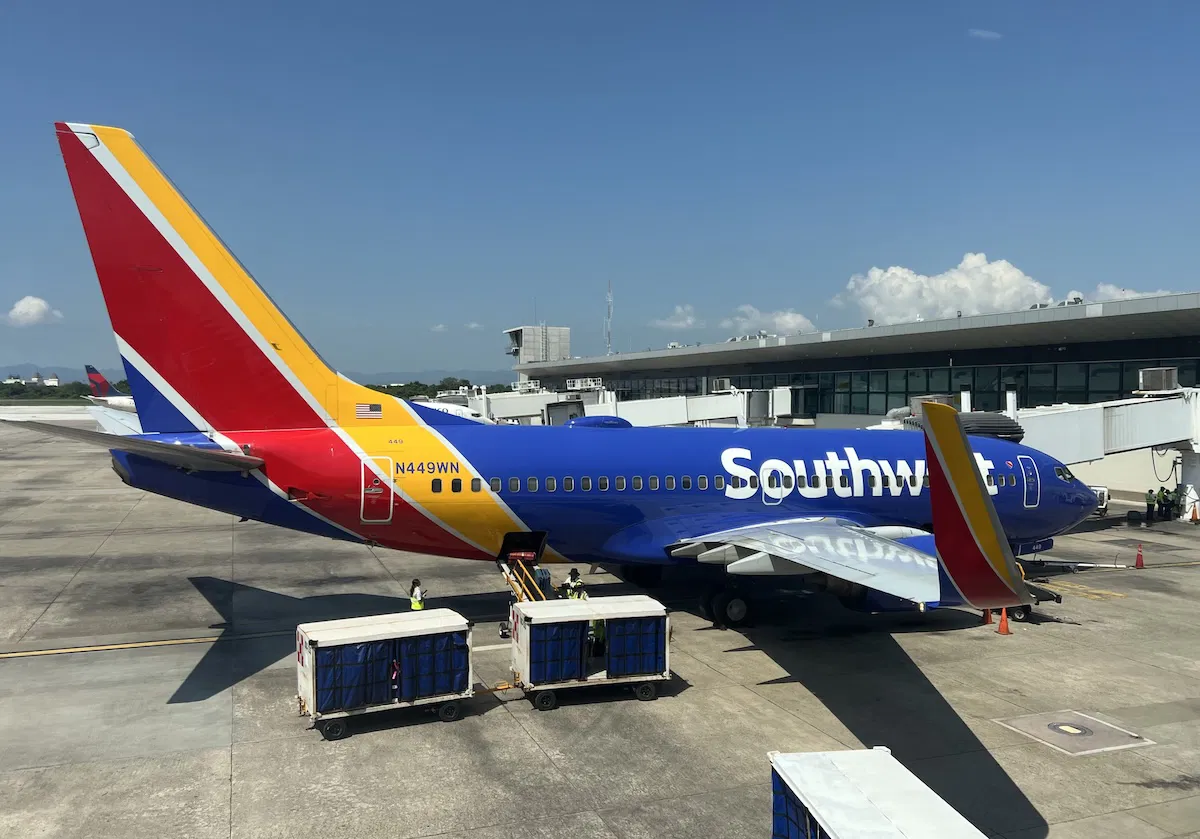
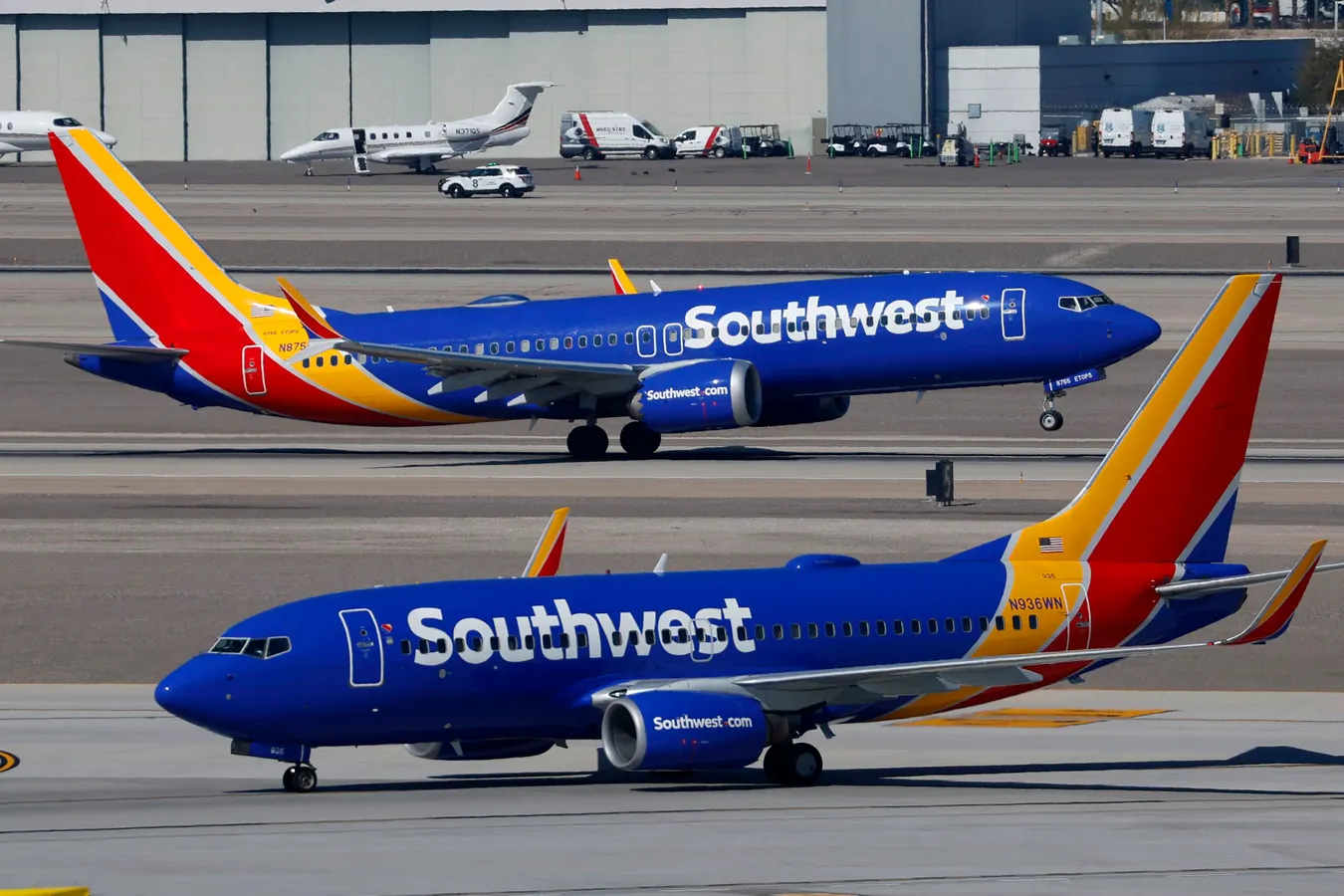
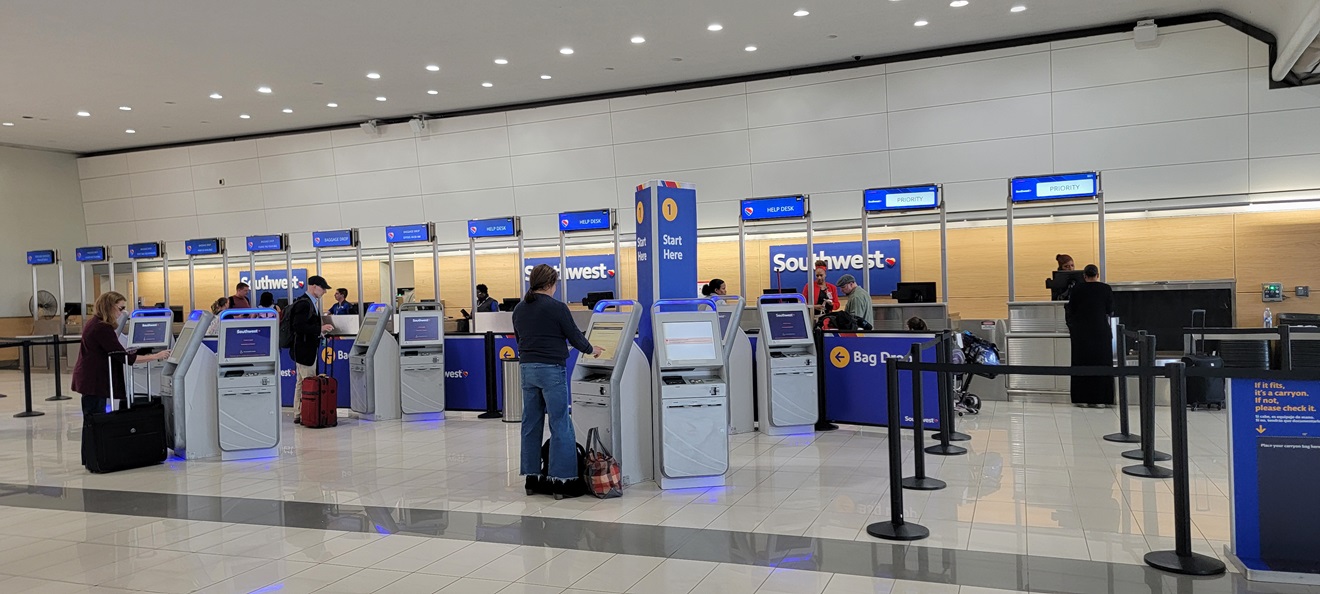
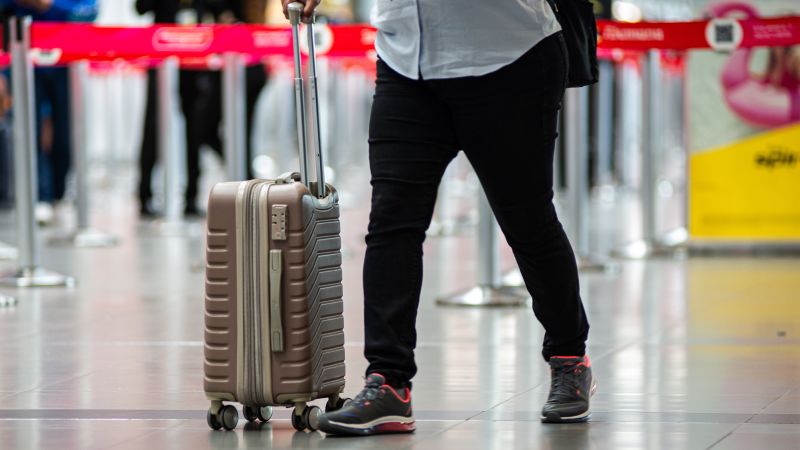
Southwest Airlines ended its free checked bags policy to boost profits, but the move has not yielded the expected financial gains, with profits falling 42% in the first nine months of the year and no significant revenue increase from bag fees, despite ongoing brand changes and new seating options.
Southwest Airlines reported better-than-expected Q2 earnings driven by higher bag fee revenues, despite a revenue hit from switching to a basic economy fare that reduced bookings and impacted revenue per seat. The airline expects to earn $350 million from bag fees this year and remains confident in its growth strategy, aiming for $1.8 billion in incremental EBIT by 2025. However, its Q2 net income declined to $213 million, and stock prices fell nearly 12%.
Southwest Airlines reported a 42% drop in net income for Q2 2025 amid ongoing business model changes, including new bag fees and basic economy fares, which have had mixed financial impacts. Despite some revenue from bag fees exceeding expectations, the airline faces challenges with basic economy conversion rates and industry-wide profit declines. The company remains optimistic about its transformational initiatives and future profitability.
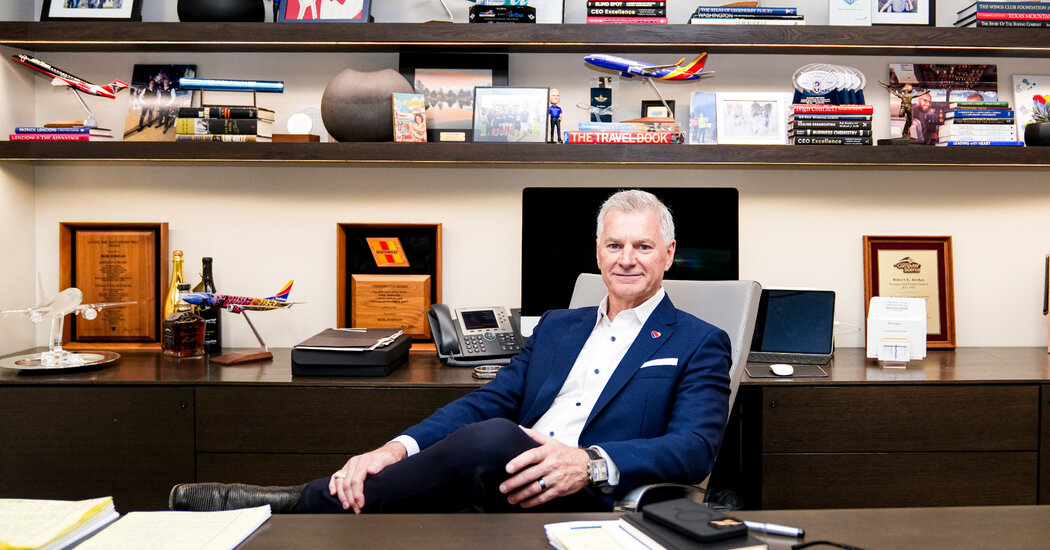
Southwest Airlines' CEO Bob Jordan has introduced significant changes, including bag fees and assigned seating, to adapt to modern airline industry demands while maintaining the airline's unique heritage and culture.
Southwest Airlines' decision to start charging for checked bags, ending its 'bags fly free' tradition, risks damaging customer trust and loyalty by violating key consumer psychology principles like loss aversion, brand consistency, and anchoring, potentially leading to significant long-term brand and market share losses despite short-term revenue gains.
Southwest Airlines is ending its 'bags fly free' policy on May 28th, introducing checked bag fees that mirror industry standards, while avoiding transparency about the prices. This move aligns Southwest with competitors but diminishes its unique customer-friendly brand. The airline aims to benefit financially through baggage fees and tax advantages, despite potential operational drawbacks. Customers are advised to reconsider their options and strategies when flying with Southwest, especially in competitive markets or at airports where Southwest is dominant.
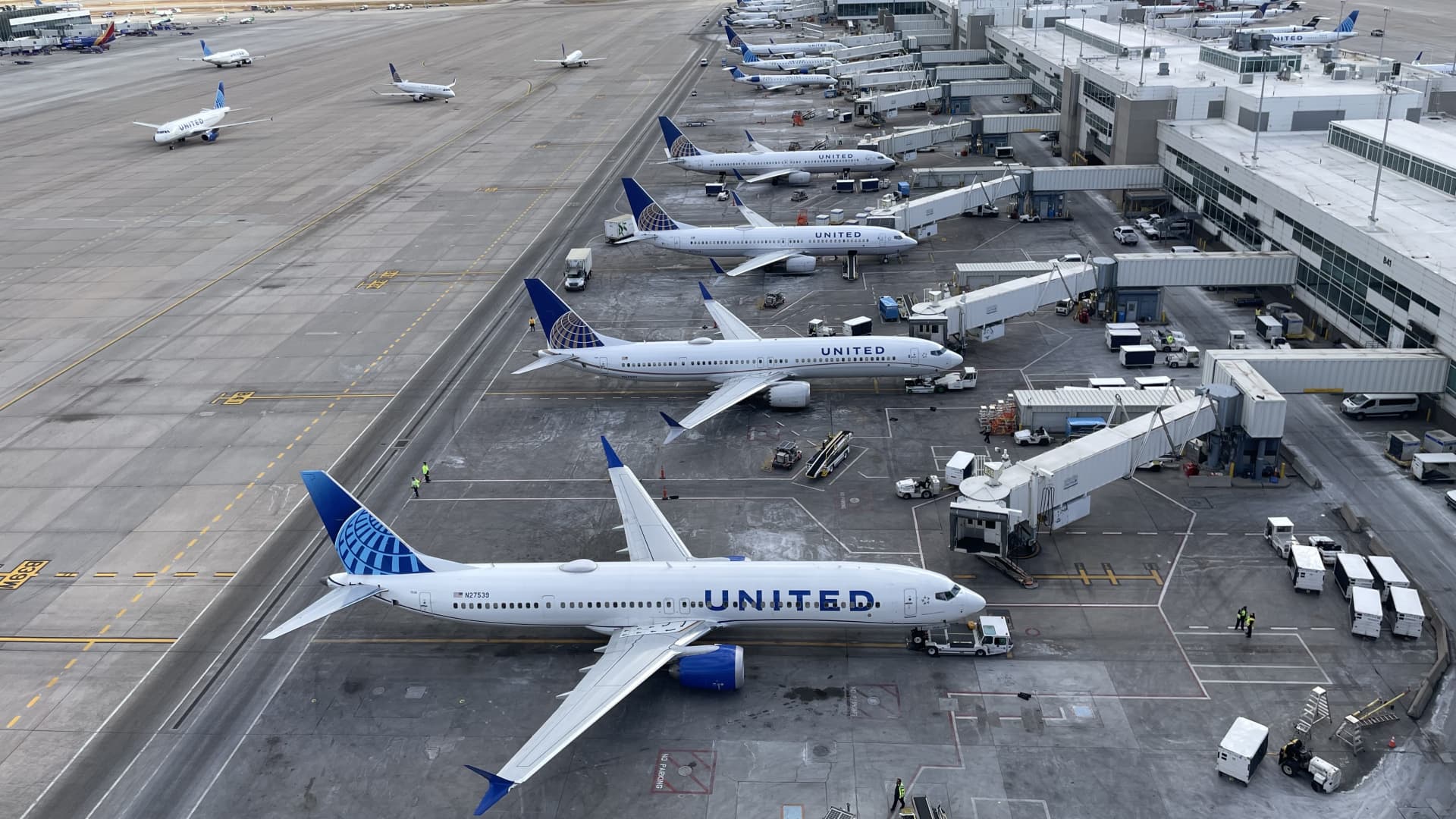
United Airlines is raising the price to check bags for economy passengers on domestic flights, with the cost of a first checked bag increasing by $5 to $40 at the airport or $35 if prepaid online, and a second checked bag costing $50 at the airport or $45 in advance. This follows American Airlines' recent fee hike, as airlines seek to boost profits amid rising costs, with JetBlue and Alaska Airlines also raising bag fees this year. Certain travelers, such as credit card holders and frequent flyers with elite status, are still eligible to check a bag for free.
Three U.S. airlines have recently raised checked bag fees, sparking concerns about whether other carriers will follow suit. American Airlines announced steeper bag fees, with customers now having to pay an additional $5 or $10 on a domestic flight. The increase in bag fees is attributed to rising costs, including fuel and labor expenses. While some predict that other major U.S. airlines may also raise fees, others believe there are more factors at play. Ways to avoid paying for checked bags include going carry-on only, adding a credit card that offers free bags, qualifying for elite status, condensing into fewer bags, and flying with Southwest Airlines, which still offers two free checked bags for every traveler.
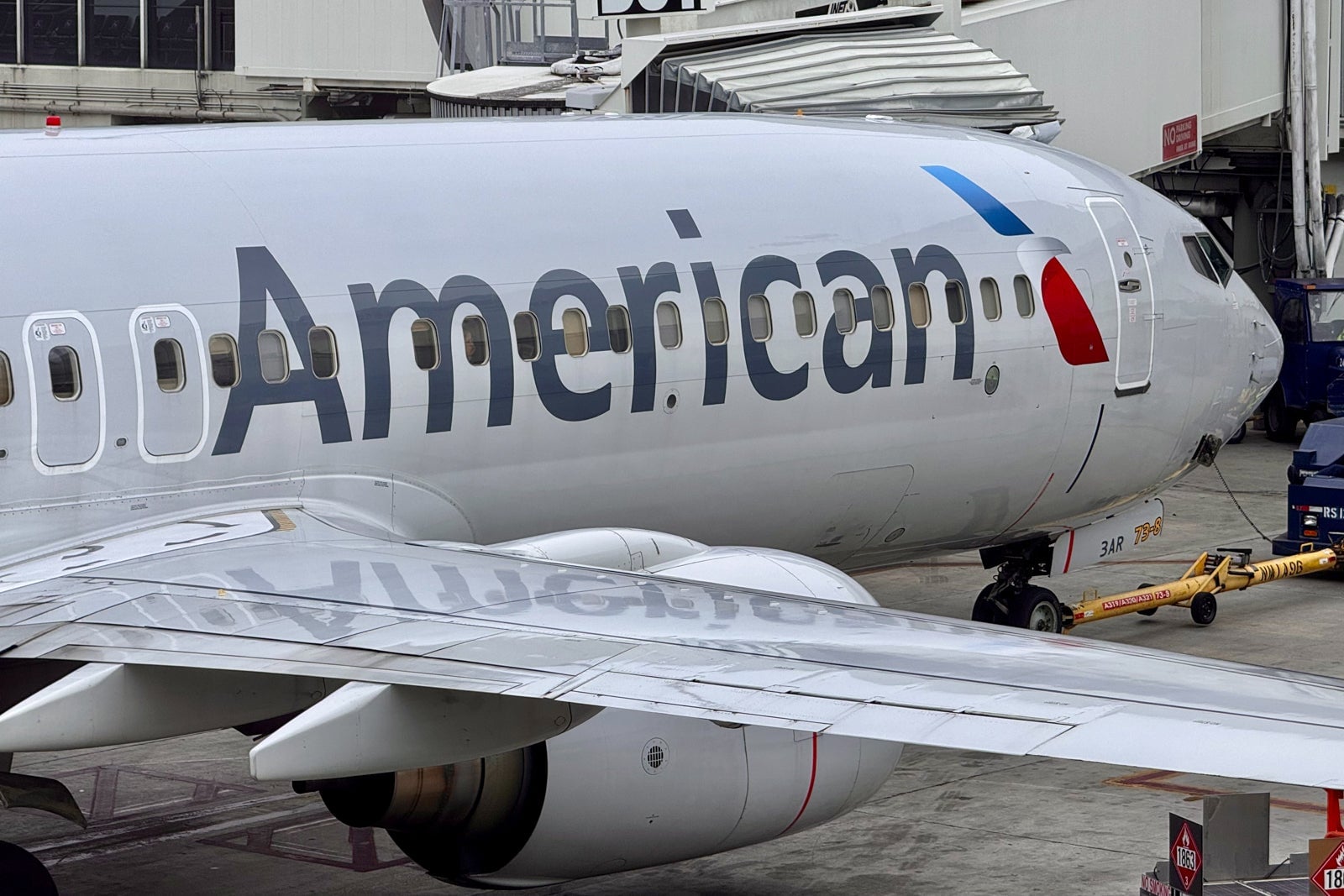
American Airlines is increasing the cost of checking bags and tightening restrictions on earning frequent-flyer points, with fees for domestic flights rising to $35 online and $40 at the airport. Customers will need to buy tickets directly from the airline or its partner carriers to earn points in its AAdvantage loyalty program, and the airline is also raising bag fees for short international flights. Additionally, American is cutting the cost of transferring points between frequent-flyer accounts and shifting ticket sales away from travel agents to preferred online travel agencies.
American Airlines is increasing the cost of checking bags for domestic and international flights, as well as changing the way customers earn frequent-flyer points by requiring ticket purchases directly from the airline or preferred online travel agencies. The changes are aimed at boosting revenue and encouraging direct ticket sales, with exceptions for elite status, premium-class tickets, and American-branded credit card holders.
American Airlines is making significant changes to its loyalty program and bag fees, limiting the ability to earn miles and Loyalty Points based on booking channels and raising checked bag fees. The airline will exclusively award AAdvantage miles and Loyalty Points for flights booked through select partners and preferred travel agencies, while also increasing checked bag fees for domestic and short-haul international flights. Additionally, American is adding more perks and benefits exclusively for AAdvantage members, aiming to boost loyalty program sign-ups and engagement.
American Airlines has increased the price of checking a bag for the first time in over five years, with fees now ranging from $35 to $45 for domestic flights. The airline is also limiting which travel agency bookings are eligible to earn frequent flyer miles, aiming to drive traffic to its website. However, frequent flyer members with elite status and some credit card holders will still receive a complimentary checked bag, and the carrier is reducing fees for slightly overweight bags. Additionally, customers who purchase basic economy tickets will only earn frequent flyer miles if they book directly through American Airlines' website.
Boarding a plane has become a chaotic and inefficient process due to various factors. Airlines have introduced complexity and confusion to encourage passengers to pay for priority boarding, resulting in crowded gate queues and out-of-turn line-ups. The introduction of bag fees led to more carry-on bags, further slowing down the process. Larger planes and increased passenger load factors have also contributed to the boarding nightmare. Despite attempts to find optimal boarding methods, no solution has been widely implemented. Southwest Airlines' open seating model offers the fastest boarding process, but most airlines prioritize revenue from seat assignments.