A surge of online protest against AI-generated art, characters, and dialogue in video games has led studios to cancel, pause, or heavily revise titles, illustrating how consumer pressure can influence AI use in gaming and potentially steer broader industry adoption.
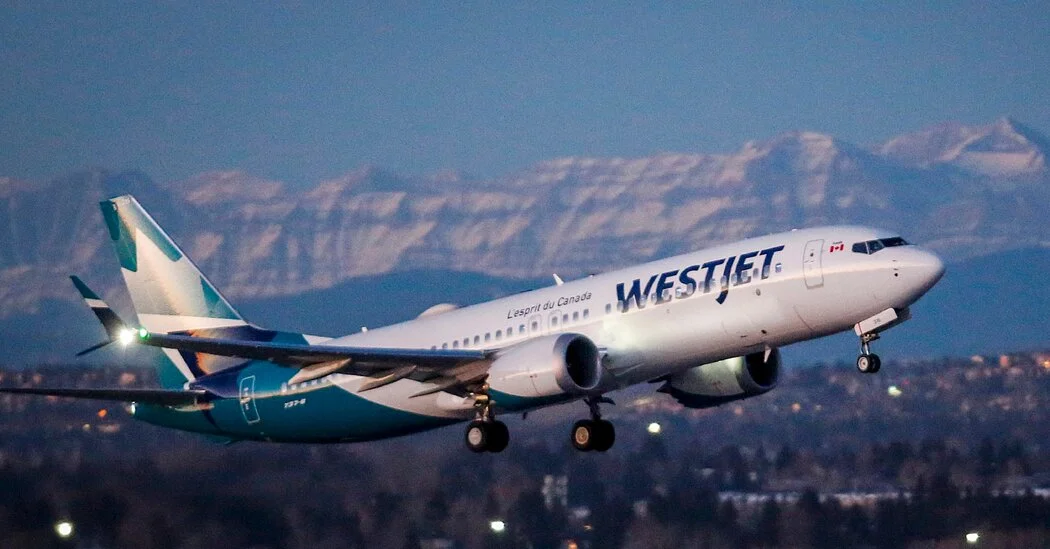
WestJet has reversed its plan to narrow cabin pitch to 28 inches and install non-reclining economy seats after social-media backlash over cramped legroom, saying it will revert to the previous cabin configuration. The move highlights the ongoing tension between lowering fares and passenger comfort as airlines experiment with slimmer seating, and follows broader industry discussions about seating standards and passenger advocacy groups.
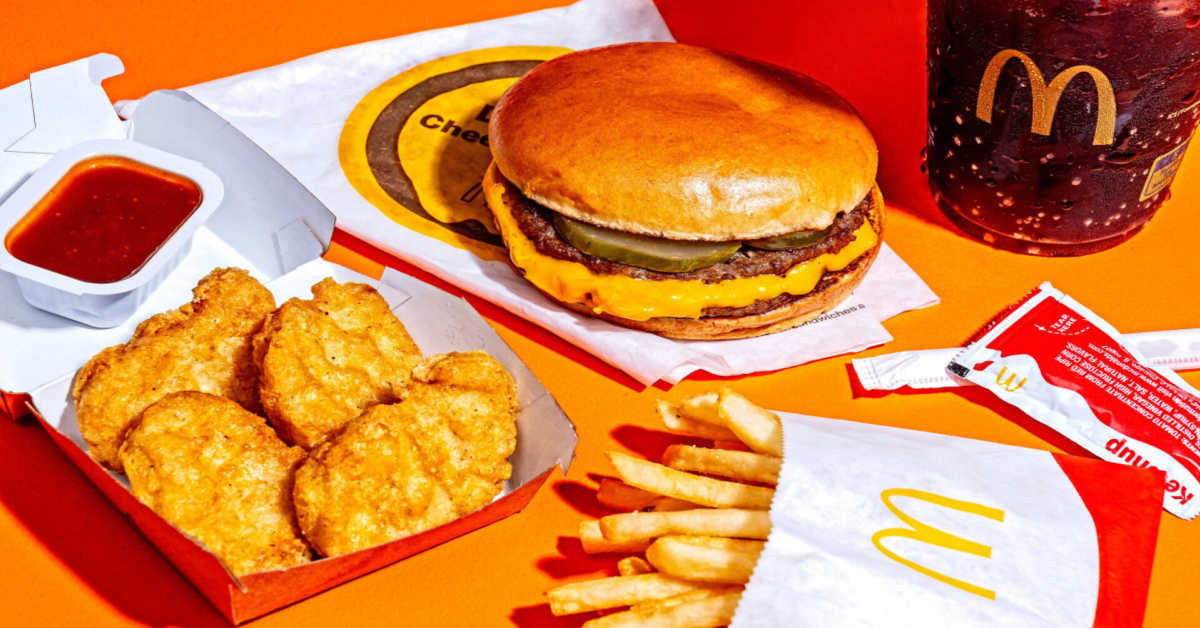
McDonald's promoted an $8 nugget combo meal, but faced online backlash over perceived high prices, quality concerns, and service issues, highlighting ongoing tensions between menu pricing and consumer perceptions amid inflation and economic challenges.
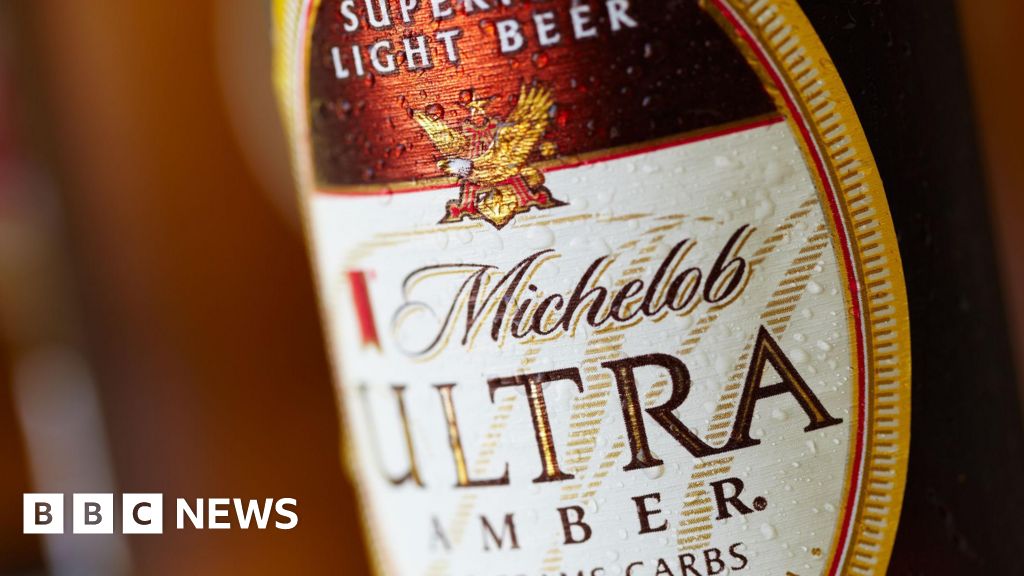
Michelob Ultra has become the best-selling beer in the US, overtaking Modelo Especial, after a challenging year for Anheuser-Busch due to boycotts and social media controversies affecting its flagship Bud Light brand. The brand's growth is attributed to new product launches and targeted marketing efforts amid changing US drinking habits and economic challenges.
McDonald's is facing a significant customer boycott organized by The People’s Union USA due to allegations of tax avoidance, price gouging, anti-union tactics, environmental issues, and political lobbying, amid declining sales and recent challenges like inflation and a food safety scare.
Despite the high price of the Switch 2, which sold 3.5 million units in its first four days, Nintendo's approach of not engaging with consumer backlash and waiting out negative reactions may teach consumers that they can continue to push for lower prices, raising concerns about long-term customer relations and company strategy.
Target faces significant consumer backlash and boycotts following its decision to scale back diversity, equity, and inclusion initiatives, leading to decreased foot traffic and sales, with a new organized boycott planned by The People’s Union USA from June 3-9, further threatening the retailer's recovery.
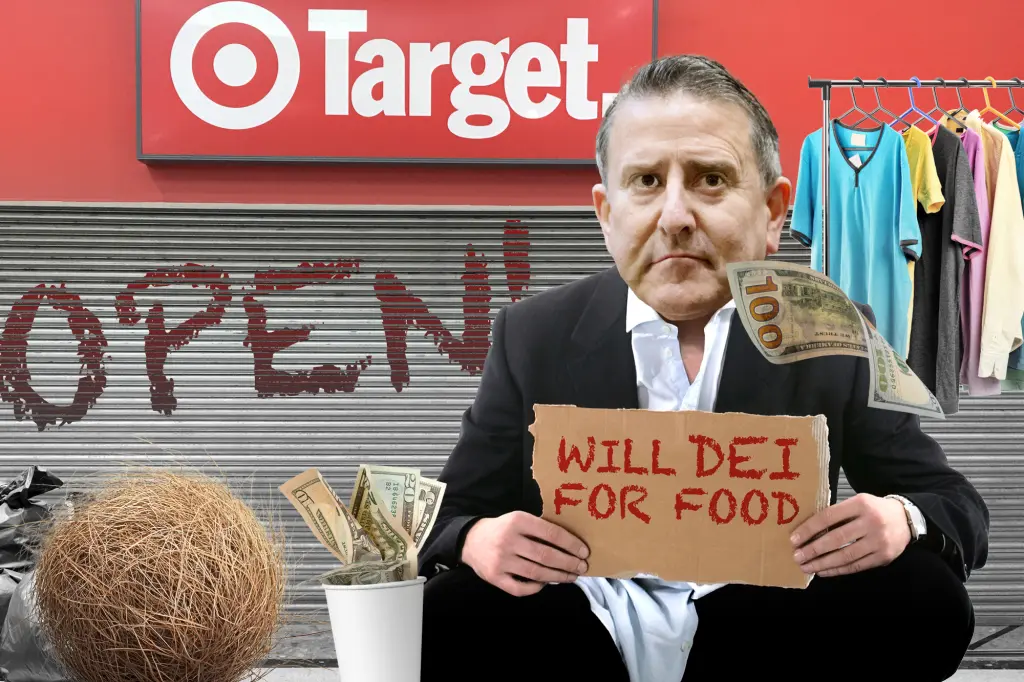
Target's CEO Brian Cornell blamed poor quarterly earnings on a consumer backlash against the company's rollback of DEI efforts, which many see as a rationalization for management issues. The company's shift away from woke policies followed a customer revolt and resulted in missed earnings and revenue targets, leading to skepticism about the true causes of its struggles.
Burger King offers a free Whopper or Impossible Whopper with a $3 purchase in response to Wendy's backlash over plans to implement dynamic pricing, which adjusts prices based on demand. Wendy's clarified that it will not implement surge pricing and stated that any future tests will be designed to benefit customers and restaurant crew members.
Wendy's CEO caused online stir by announcing plans to test "dynamic pricing" at its restaurants, which could include surge pricing based on demand, but the company later clarified that it has no plans to raise prices during peak demand. The idea of surge pricing in the restaurant industry has sparked consumer backlash and skepticism from industry experts, with concerns that it could drive customers away and further weaken demand for Wendy's.
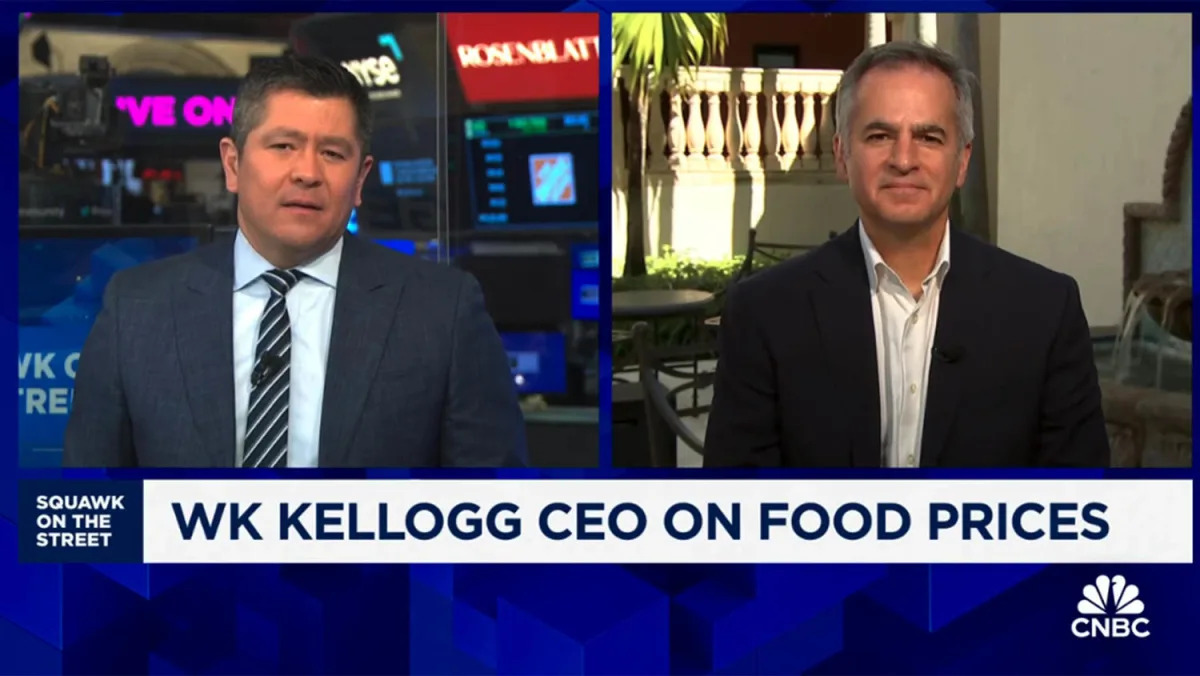
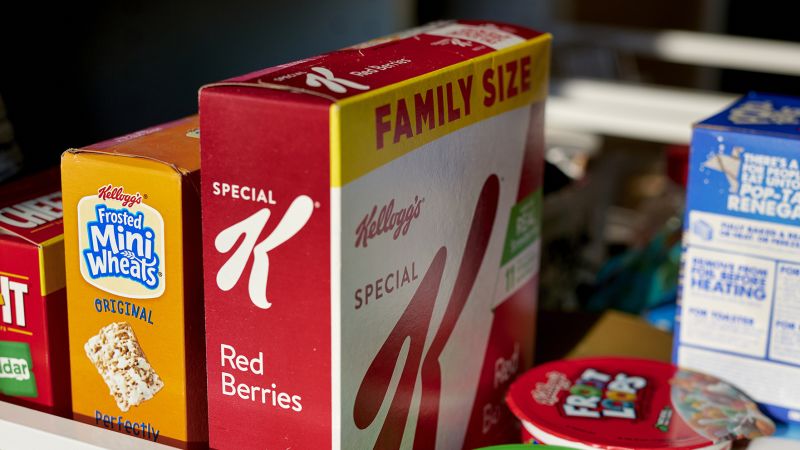
WK Kellogg CEO Gary Pilnick suggested eating cereal for dinner to save money on groceries, sparking backlash from consumers who criticized the idea as out of touch with the financial struggles many face. Pilnick's comments, made during an appearance on CNBC's "Squawk on the Street," were met with skepticism and anger on social media, with many pointing out the irony of his suggestion given his high salary and the company's profits. The CEO's remarks have reignited discussions about the affordability of food and the disconnect between corporate executives and everyday consumers.
Kellogg's CEO Gary Pilnick suggested promoting cereal for dinner as an affordable option for cash-strapped consumers facing soaring food prices, sparking backlash on social media for being tone-deaf. With Americans spending the highest portion of their income on food in 30 years, the CEO's comments have drawn criticism, especially considering the significant price increases for groceries and restaurant meals since the start of the pandemic. The pushback reflects consumer frustration with rising food prices and corporate insensitivity, as well as a broader trend of social media users expressing discontent over the cost of everyday items.
Target plans to make adjustments to its merchandising approach for heritage months like Pride Month after facing consumer backlash that impacted sales in the second quarter. The company will have a more focused assortment, evolve its store and digital presentations, and reconsider the mix of its own national brands with external partners. Target CEO Brian Cornell emphasized the importance of meeting customer expectations and maintaining Target as a "happy place." The controversy surrounding the Pride Month assortment, which led to threats against staff and damage to merchandise, negatively affected second quarter sales. Despite a course correction, Target reported a 5.4% decline in comparable sales for the quarter and lowered its full-year profit outlook.
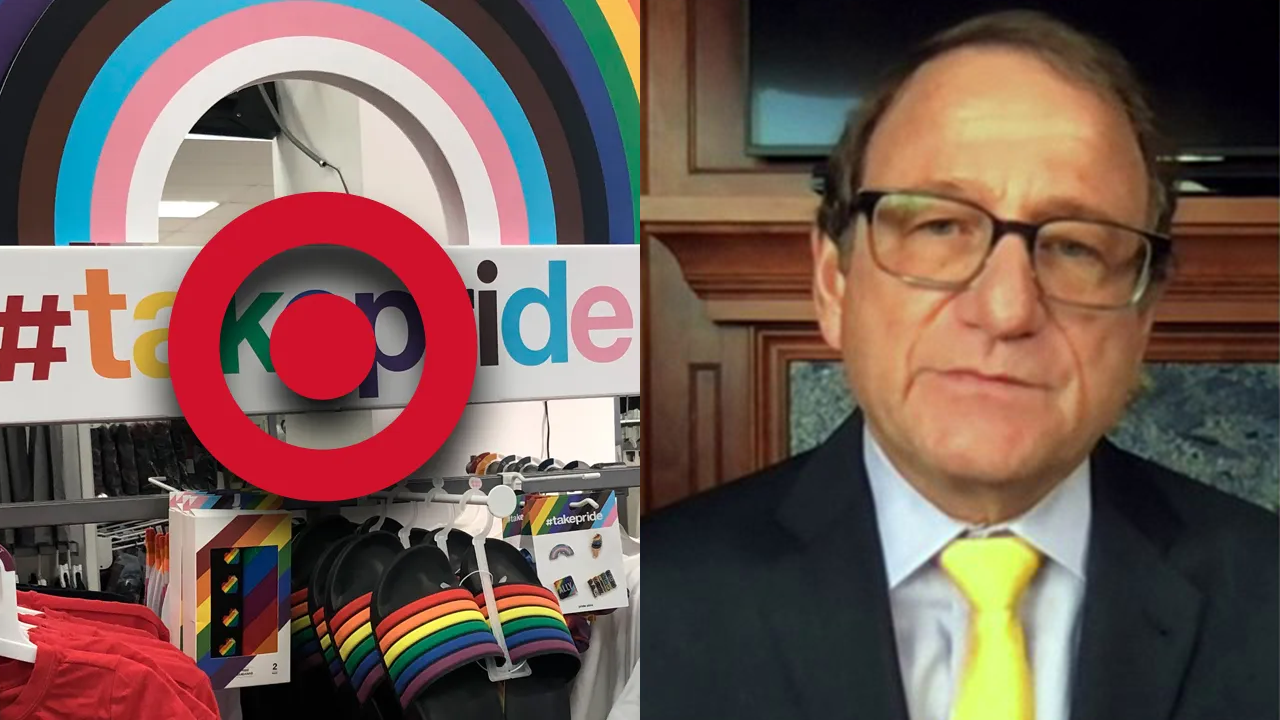
Former Target Vice Chairman Gerald Storch revealed that the "tuck swimsuit" from Target's pride collection sparked the consumer firestorm and set it apart from its competition. Target's market value has taken a tumble since mid-May with a decline of over $12 billion dollars due to the controversy over displaying pride merchandise in stores. Storch noted that Target's investors are watching "very, very carefully" and want to know the impact on sales.