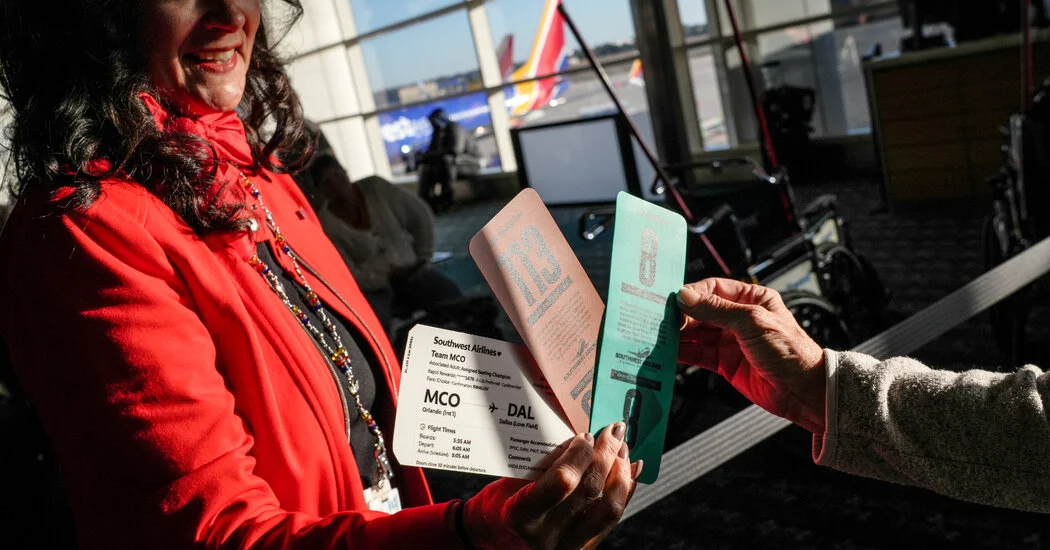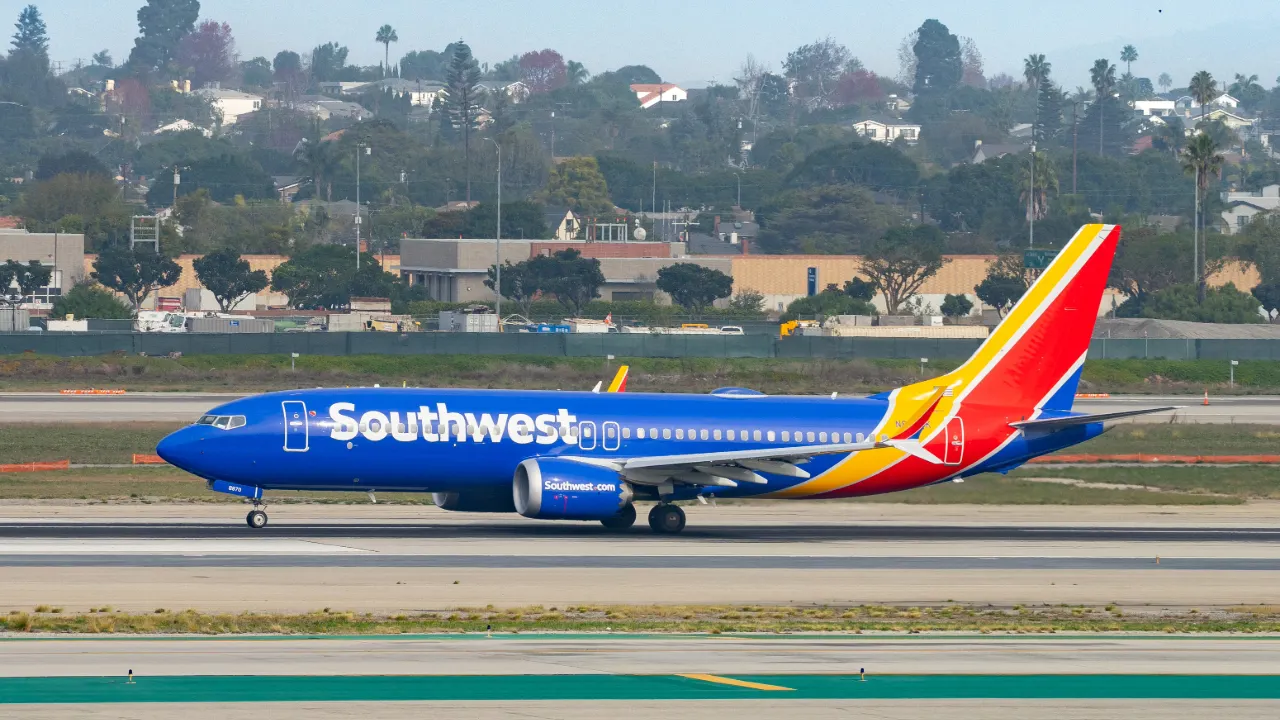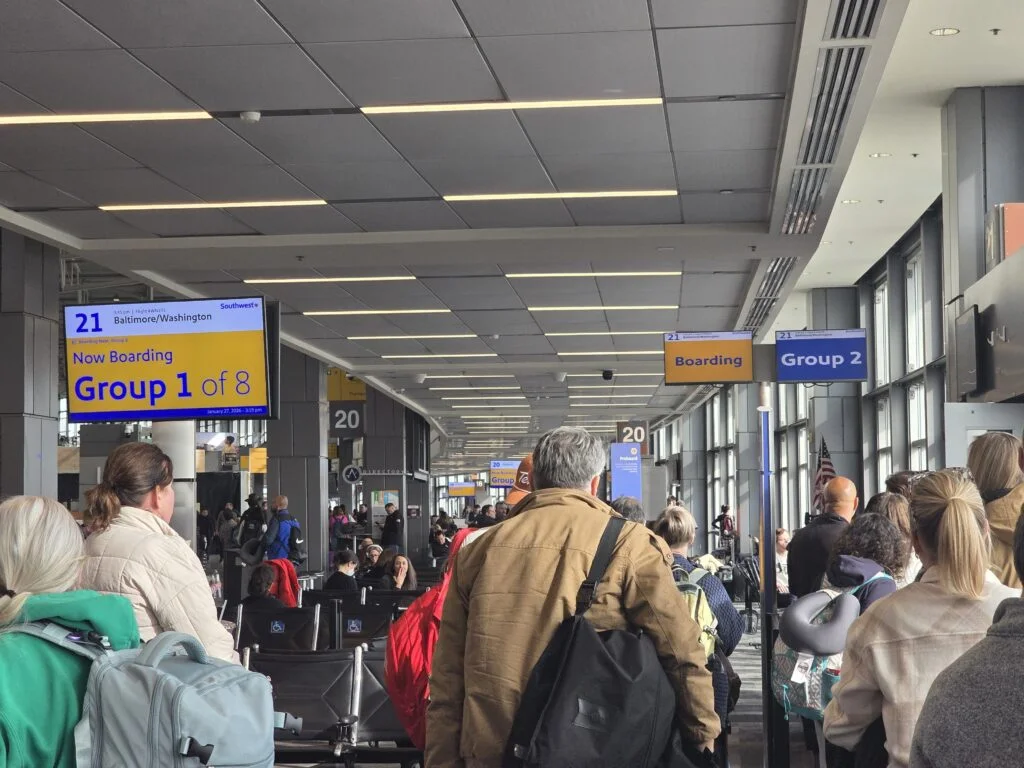
Southwest Airlines is overhauling its boarding process by switching from open seating to assigned seating starting January 27, introducing the new WILMA boarding method that prioritizes window seats, and simplifying gate lines, as part of a broader effort to modernize its fleet and improve customer experience.
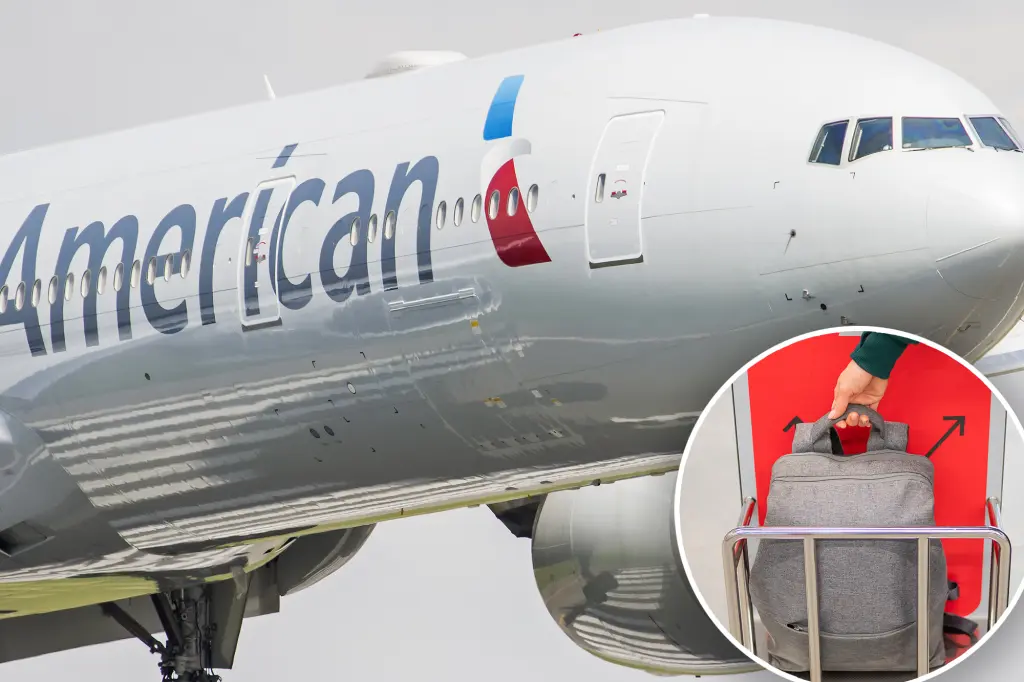
American Airlines is removing metal bag sizers at boarding gates across the US to streamline the boarding process, allowing passengers to carry on larger or slightly oversized bags without immediate checks, while still enforcing size limits at check-in. This change benefits travelers by reducing hassle and potential delays.
Southwest Airlines will switch to assigned seating starting July 29, 2025, with various ways for passengers to choose their seats, especially if they hold certain credit cards or elite status, and will also update its boarding process and introduce new premium seats.
Southwest Airlines will introduce assigned seating and a new eight-group boarding process starting January 2026, replacing its traditional single-file line. Boarding priority will be based on fare class, elite status, credit card ownership, and additional options like purchasing priority boarding. The change aligns Southwest with industry standards, with the key to early boarding being the purchase or upgrade to extra legroom seats, especially since the airline no longer offers a first-class cabin. The new system aims to streamline boarding while still rewarding higher-paying and elite customers.
Southwest Airlines will switch from open seating to assigned seats starting January 27, 2026, with seat selection available from July 29, 2025, including new premium extra legroom options. The airline is also revamping its boarding process into eight groups, prioritizing elite and higher fare passengers, as part of a broader shift to increase revenue and meet customer preferences.
Southwest Airlines will introduce assigned seating on January 27, ending over 50 years of open seating, with ticket sales for assigned seats starting July 29, as part of a broader overhaul to boost revenue and improve efficiency.
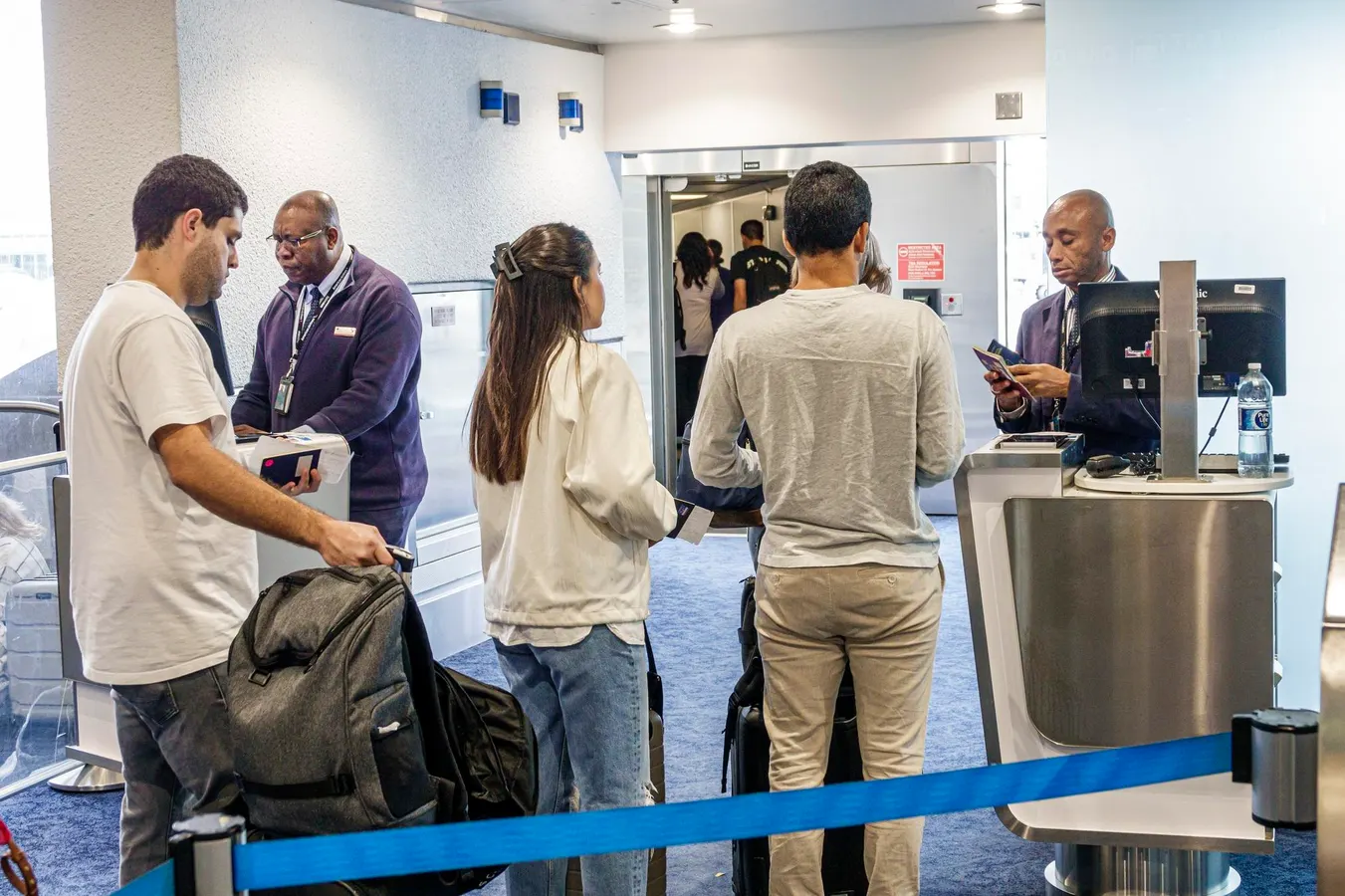
American Airlines is expanding its "gate lice" crackdown technology to over 100 airports, aiming to prevent passengers from boarding flights ahead of their assigned groups. This system, which alerts when someone attempts to board at the wrong time, has received positive feedback and will be in place before the busy holiday travel season.
American Airlines is implementing a new system that uses loud beeps to deter passengers from boarding before their designated group is called. This technology, now in over 100 U.S. airports, aims to improve the boarding process by reducing gate crowding. Other airlines, like United, have adopted quieter methods such as app notifications and digital signage to manage boarding order.
American Airlines is expanding its use of new boarding-pass scanning technology to over 100 U.S. airports to curb 'gate lice'—travelers who board before their assigned group. The technology, which gently shames queue-jumpers by rejecting their boarding passes and sounding an alert, was successfully trialed at several airports. This initiative aims to maintain an orderly boarding process, especially during the busy holiday season, and has received positive feedback from frequent flyers. The move comes as airlines continue to refine boarding procedures, with American Airlines leading in baggage fee revenue.
American Airlines is expanding its technology to enforce boarding group assignments at over 100 U.S. airports, aiming to prevent passengers from boarding earlier than their assigned group. This system, which alerts gate agents with a beep and visual cue, was initially trialed at select airports and is being rolled out ahead of the busy Thanksgiving travel period. The move is part of American's effort to enhance customer experience by ensuring a calm and orderly boarding process, which is a significant aspect of their service offering, especially for premium ticket holders and loyalty program members.
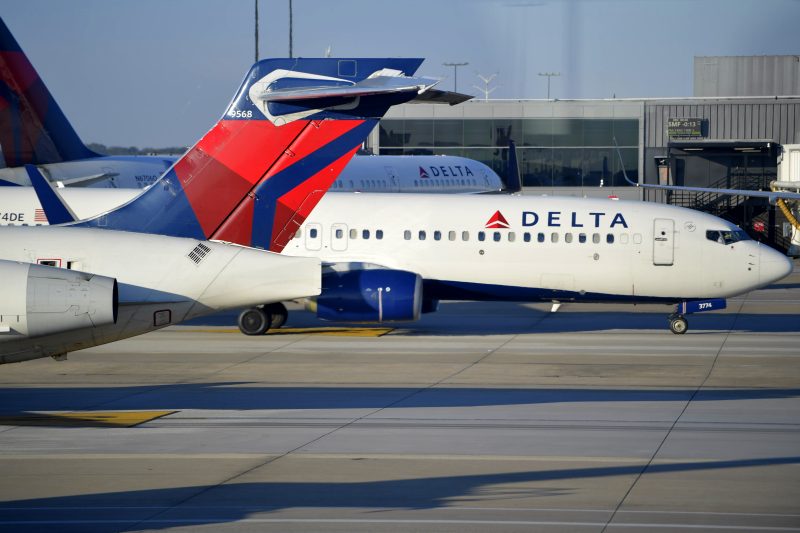
Delta Air Lines is updating its boarding system to simplify the process for passengers, replacing group names with numbered groups one through eight starting May 1. The change will not affect the existing boarding order, with Basic Economy passengers still boarding last. Delta will continue to offer pre-board opportunities for those needing extra assistance and update boarding lane signs to display the new zone numbers. Other airlines, such as United, have also made recent changes to their boarding processes.
Delta Air Lines is changing its boarding process starting May 1, introducing numbered boarding zones for all flights to speed up loading passengers onto planes. Customers will have a zone number assigned to them instead of boarding groups labeled by airline status or fare class. The change aims to provide more clarity and make the boarding process more intuitive, especially for infrequent travelers and non-English speakers. However, some experts question whether the change will significantly speed up the process, suggesting that other changes, such as boarding based on seat location, could be more efficient.
Delta Air Lines will change its boarding process to numbered zones starting May 1, aiming to make the process less stressful and more streamlined for both customers and agents. The numbered zones will be printed on boarding passes, providing more clarity and a more intuitive experience, especially for infrequent travelers and international customers. CEO Ed Bastian emphasized the importance of simplicity in the boarding process, stating that it is the fastest way to get people moving through the plane.
Delta Air Lines will revert to a numbered zone boarding process starting May 1, 2023, replacing its current method of boarding by named categories. The new zones will provide more clarity for customers and will be printed on boarding passes. This change marks the end of a five-year boarding process aimed at bringing consistency and simplicity to the gate and boarding experience. Other airlines, such as United and American, have also made adjustments to their boarding procedures in efforts to save time and improve efficiency.
Delta Air Lines is updating its boarding process by transitioning to numbered zones from May 1, simplifying the boarding experience for both customers and employees. The airline will use zones 1 through 8 to reflect existing groups, aiming to add clarity and improve the overall gate experience. This change may make it easier for infrequent travelers and those facing language barriers to understand the boarding process, while also aligning with the practices of joint venture and international partners. The impact on boarding speed remains to be seen, as airlines continually seek ways to trim boarding times and maximize efficiency.