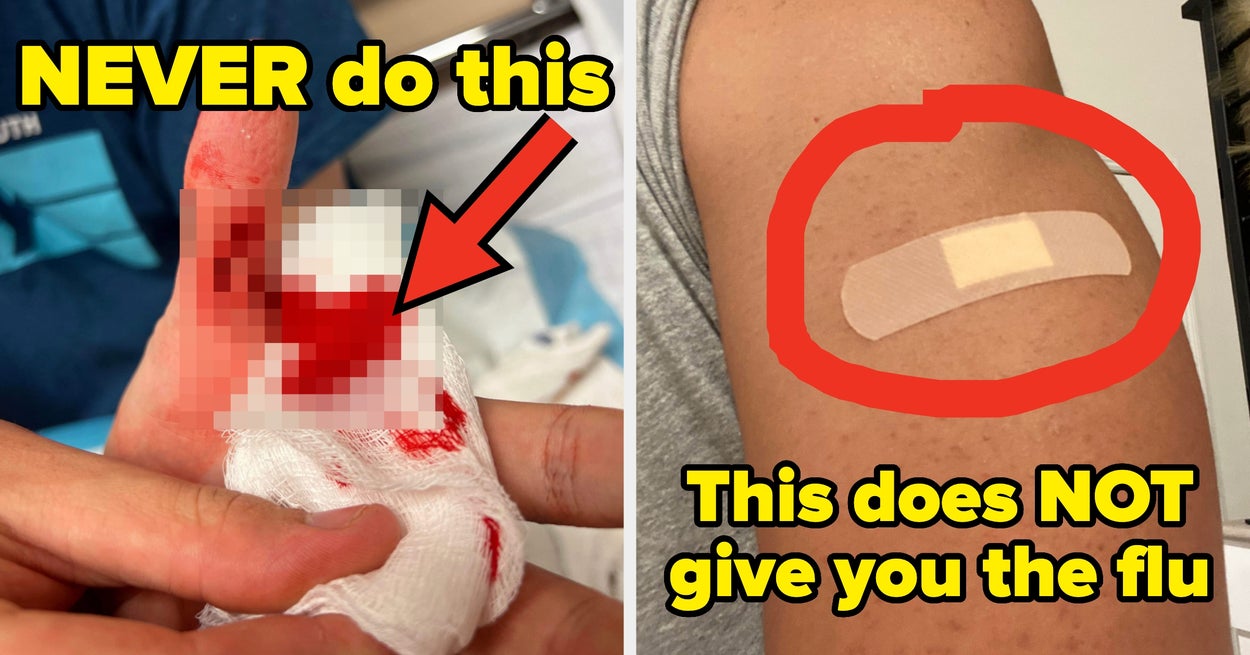
This article features 21 healthcare professionals debunking common health myths, such as ambulance wait times, misconceptions about vaccines, the overdiagnosis of developmental disorders, and misunderstandings about medical conditions and treatments, emphasizing the importance of accurate health information and appropriate medical care.
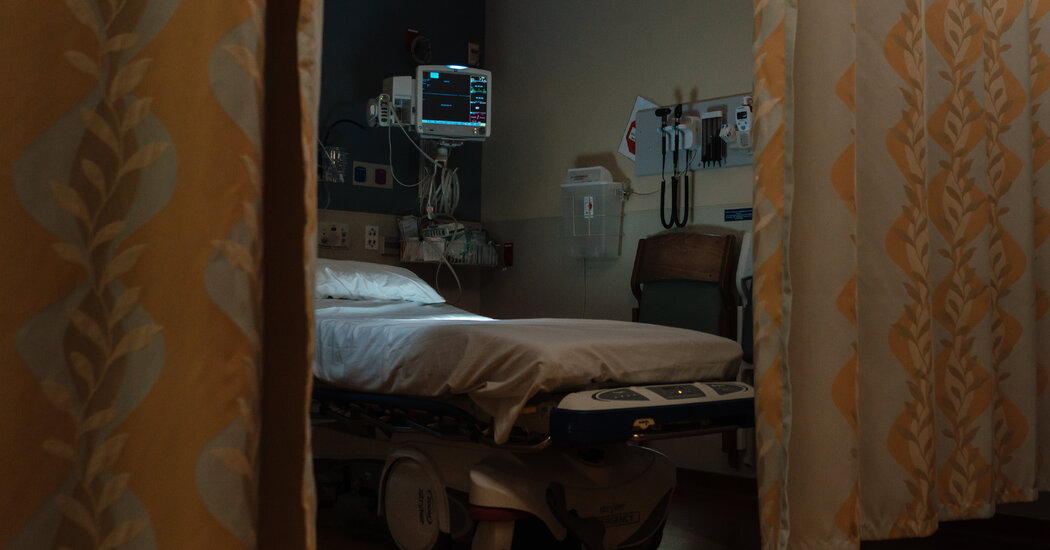
The Trump administration revoked a Biden-era policy requiring hospitals to provide emergency abortions, creating confusion and potential risks for pregnant women in states with restrictive abortion laws, amid ongoing legal and political debates over emergency medical treatment and reproductive rights.
The Trump administration has rescinded Biden-era guidance that protected healthcare providers performing emergency abortions under federal law, leading to concerns about legal confusion and potential delays in critical care amid increasing state restrictions and the fallout from the Dobbs decision.
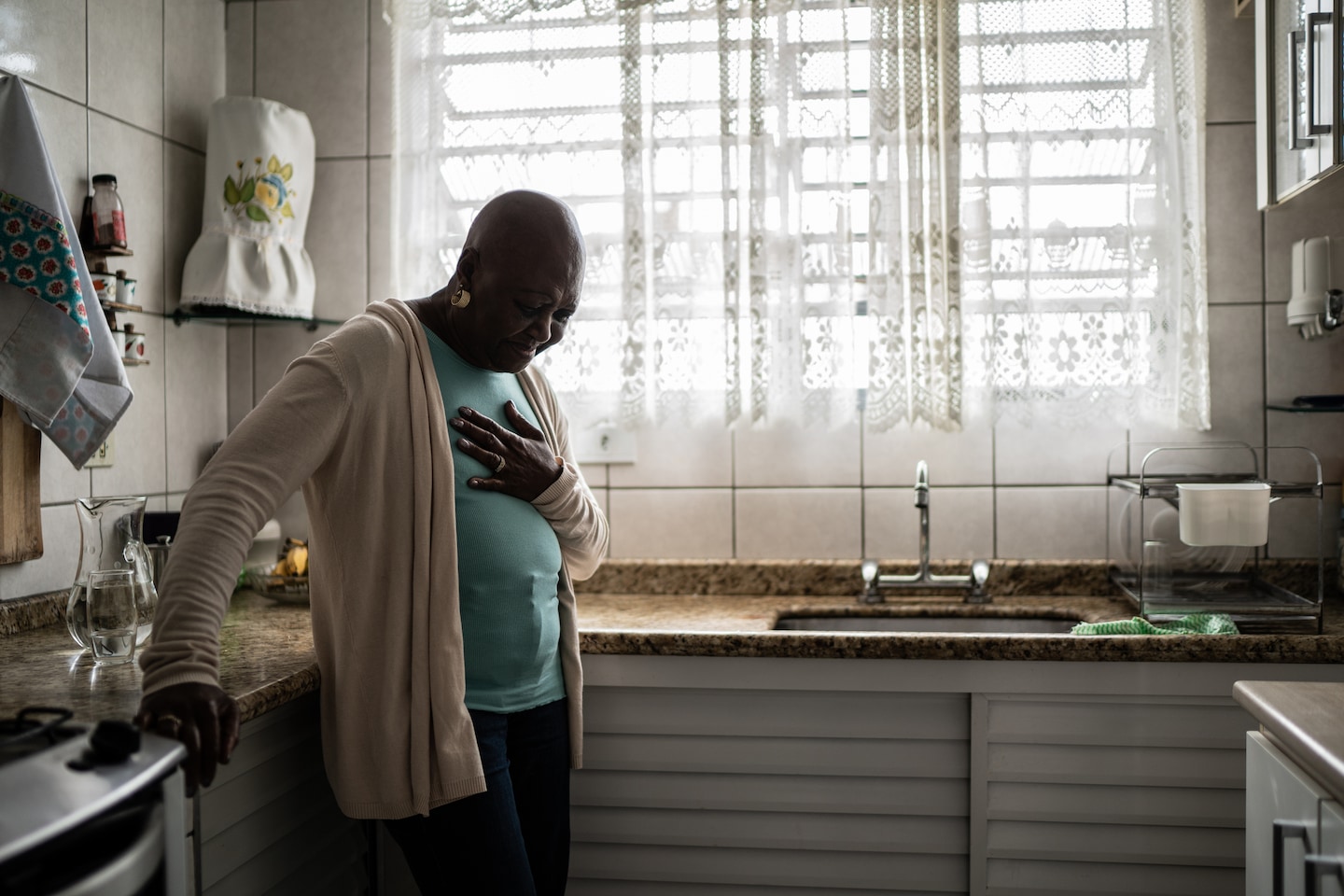
The article provides guidance on when to seek different types of medical care, such as calling 911, going to the emergency room, visiting an urgent care clinic, or contacting your regular doctor. It emphasizes the importance of quick action in severe cases like chest pain, stroke symptoms, and severe injuries, while suggesting urgent care or pharmacy clinics for less critical issues.
After the U.S. Supreme Court overturned Roe v. Wade, federal documents reveal a spike in complaints about pregnant women being denied emergency care in red-state emergency rooms, despite federal mandates requiring treatment. Cases in Texas, Florida, and North Carolina highlight the alarming state of emergency pregnancy care, raising concerns about the impact of strict abortion laws. The Biden administration has sued Idaho over its abortion ban, arguing it conflicts with federal law. The Supreme Court will hear arguments that could weaken protections for pregnant patients, with potential implications for other states.
Lee Health is addressing concerns about nearing peak hospital capacity due to a large influx of patients, which has overwhelmed staff. The increase in emergency visits was described as "seasonal" and not verified as another COVID-19 spike. Hospital officials held a press conference to explain alternative services available for non-emergency patients and urged people to use MyChart application to check in for clinical appointments and to consult their primary physician for non-emergency symptoms. The system is running close to capacity, with hospital beds becoming a commodity, and alternative facilities are being recommended for those feeling ill.
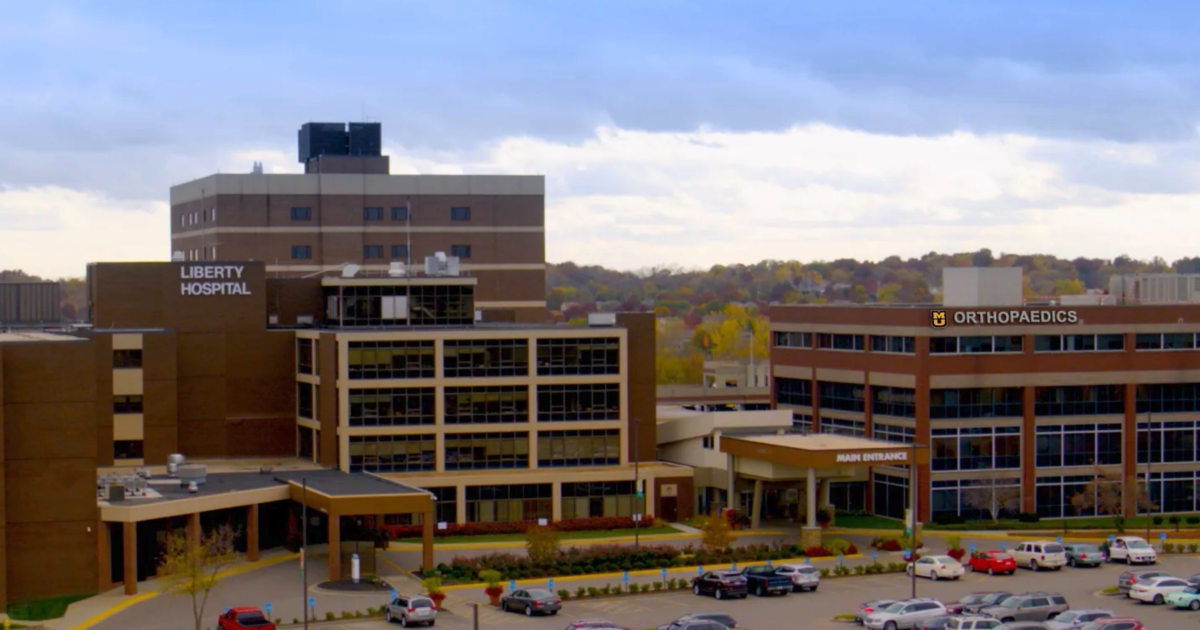
Liberty Hospital in Kansas City experienced an "information technology event" that impacted its operations, prompting the assistance of emergency crews to transport patients to other facilities. The hospital is operating on downtime procedures and evaluating patient care options. The Mid-America Regional Council's strike team, including the Kansas City Fire Department, Lee's Summit Fire Department, Fort Osage Fire Protection District, and Central Jackson County Fire District, helped transport approximately 30 patients, while Liberty EMS transported an additional 10-15. The hospital is urging people to seek emergency care elsewhere until the computer issue is resolved.
Cook Children's Health Care System in Texas is experiencing a surge in patients seeking emergency room and urgent care services, leading to longer wait times and strained resources. The hospital system's urgent care centers saw 752 visits in one day, higher than historical volumes, while the emergency department has been seeing about 500 patients daily. The increase in patients, including those with respiratory syncytial virus (RSV), is making it difficult to care for critically ill patients. Hospital leaders are urging parents to only seek emergency and urgent care if necessary and to consider primary care doctors or community health clinics for non-emergency cases. The spike in hospital visits is expected to worsen during the holidays.
A study conducted by Dutch researchers found that an AI bot called ChatGPT performed as well or better than real doctors in diagnosing patients in emergency care. The chatbot, developed by OpenAI, generated a list of likely diagnoses and suggested the most probable option, showing a significant overlap with the doctors' diagnoses. The researchers believe that AI bots like ChatGPT could potentially help reduce waiting times in emergency departments and support doctors, particularly those with less experience or in identifying rare diseases. However, concerns over privacy and the need for further research before implementing such technology in clinical settings were highlighted.
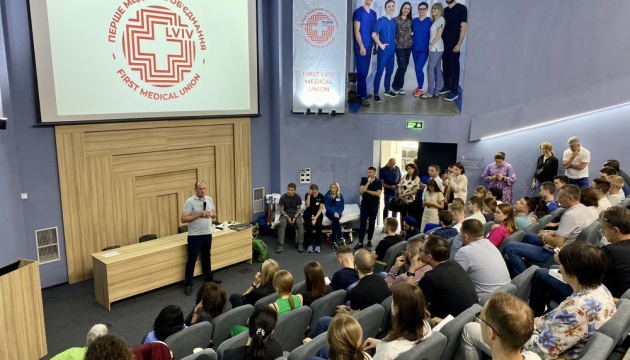
The American Society of Critical Care Medicine (SCCM) is conducting training in Lviv, Ukraine, to teach doctors and nurses new approaches to managing and treating patients in critical condition with war injuries. The training, the first of its kind in Ukraine, aims to provide expert training to specialists in multidisciplinary hospitals and combat medics in emergency care for civilians and military personnel affected by the war. American instructors will teach rapid diagnosis and emergency medical care for patients with various injuries, and the training is expected to benefit 400 Ukrainian doctors.
UPMC McKeesport Hospital in Pennsylvania has announced that it will no longer provide care for the most serious heart attacks, known as ST-elevation myocardial infarctions (STEMIs), due to a decline in patient volume and the availability of nearby hospitals with advanced cardiac services. This decision has raised concerns among residents and healthcare professionals about access to emergency care in the area.
A study led by researchers from Lund University has found that Brief Admission by self-referral can reduce the need for emergency care in adolescents with severe self-harm. The method, previously used for adults, allows adolescents to determine when they need treatment and strengthens their sense of control. The study included 63 participants aged 13 to 17 with borderline personality disorder criteria. The results showed a reduction in emergency visits, admissions, and longer treatment periods. The method could potentially benefit vulnerable adolescents and reduce costs. Further research is needed to generalize the results and conduct randomized controlled trials.
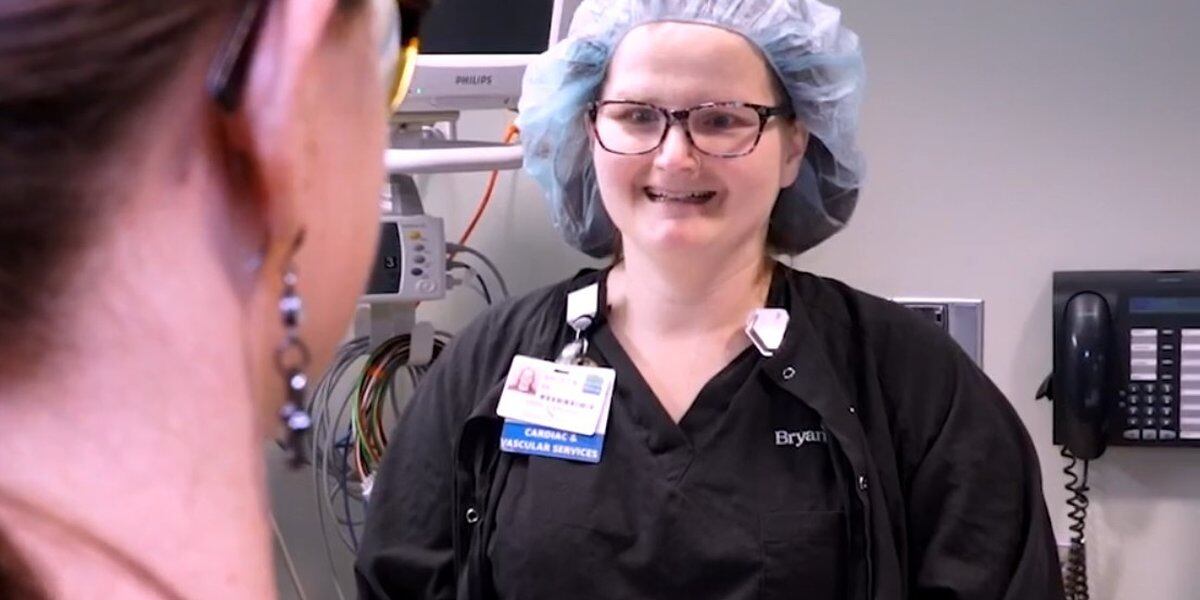
Bailey Novak, a nurse at Bryan Health, woke up paralyzed on half her body and realized she was having a stroke. She was able to call for help and underwent a thrombectomy at the hospital. Novak is now back to working full-time without any restrictions and is thankful for the support she received from colleagues, friends, and staff at the hospital. Doctors use the acronym "B.E. F.A.S.T" to help people remember what to look for in a stroke: Balance is suddenly lost, Eyes have a sudden change in vision, Face droops or feels weak, Arms or legs suddenly feel weak, Speech sounds slurred or strange, and Time to call 911 to get help as soon as possible.
Alfonso Ribeiro's daughter recently fell off a sit-down scooter, resulting in road rash and bruises. Dr. Meghan Martin, a pediatric emergency medicine attending physician, advises parents to have children wear protective equipment and clothing, follow traffic rules, and exercise caution when putting small kids on scooters. Urgent care is recommended for superficial scratches, but emergency departments with more resources are best for more serious injuries. Martin also suggests avoiding scooters altogether if possible.
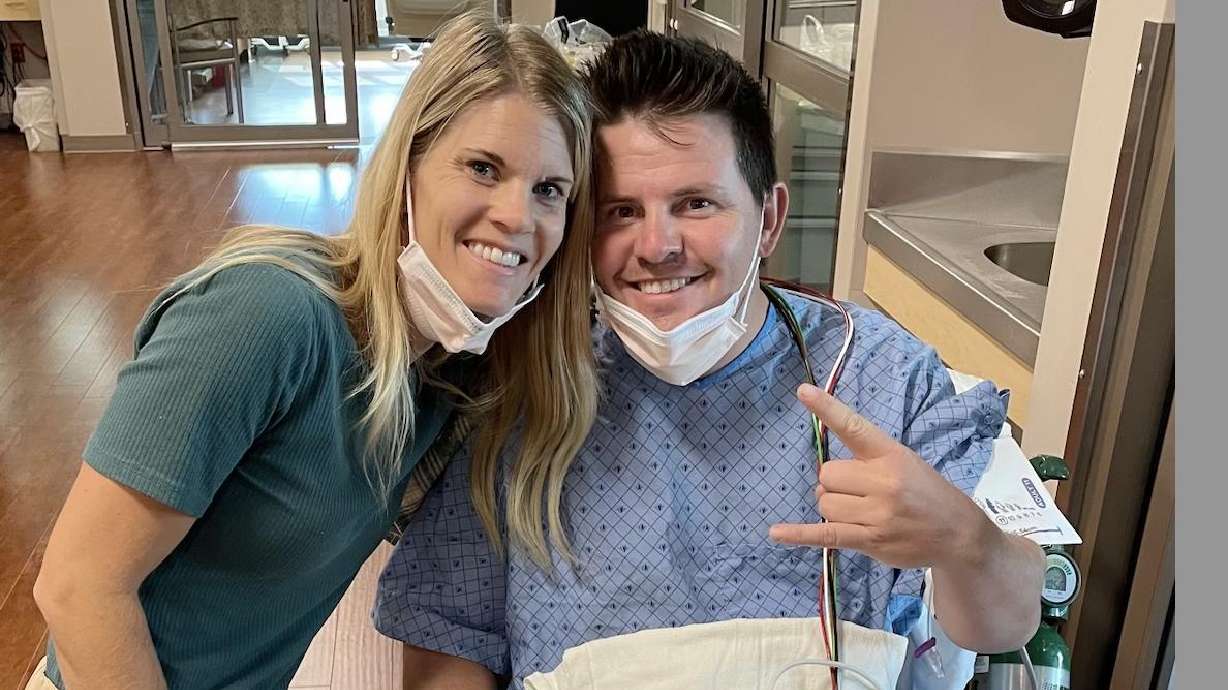
Brad Coleman, a 36-year-old stroke victim, received quick and lifesaving treatment at McKay-Dee Hospital in northern Utah. He underwent a mechanical thrombectomy, a special emergency procedure that removed the clot in his brain that was causing the stroke and its symptoms. Due to a successful surgery, all his stroke symptoms were reversed. McKay-Dee Hospital recently became the first nationally certified thrombectomy-capable stroke center in Utah, qualifying the hospital for a specific protocol in which emergency technicians can bypass other hospitals and take patients directly to McKay-Dee for the lifesaving procedure.