The Trump administration has rescinded Biden-era guidance that mandated hospitals to perform emergency abortions under EMTALA, citing policy differences, which has drawn criticism from abortion rights groups and legal challenges, impacting access to emergency reproductive care.
The Trump administration rescinded guidance that protected healthcare workers providing emergency abortions under federal law, leading to concerns about increased confusion and potential harm to pregnant people's health, with reactions divided along political lines.
The Trump administration rescinded Biden-era guidance that clarified hospitals cannot turn away pregnant patients in medical emergencies in states with abortion bans, raising concerns about the safety and rights of pregnant women amid ongoing legal battles and restrictions on abortion access.
The CMS has rescinded previous guidance related to EMTALA obligations for pregnant patients, reaffirming that EMTALA continues to protect all individuals seeking emergency care, including pregnant women and those experiencing pregnancy loss, and will work to clarify any legal confusion caused by prior policies.
After the U.S. Supreme Court overturned Roe v. Wade, complaints of pregnant women being turned away from emergency rooms spiked, raising concerns about emergency pregnancy care in the U.S. Federal law requires emergency rooms to treat or stabilize pregnant patients, but cases of women being refused care have been reported in Texas, Florida, and North Carolina. The Biden administration has sued Idaho over its abortion ban, arguing it conflicts with federal law. The Supreme Court will hear arguments that could weaken these protections, potentially impacting emergency pregnancy care across the country.
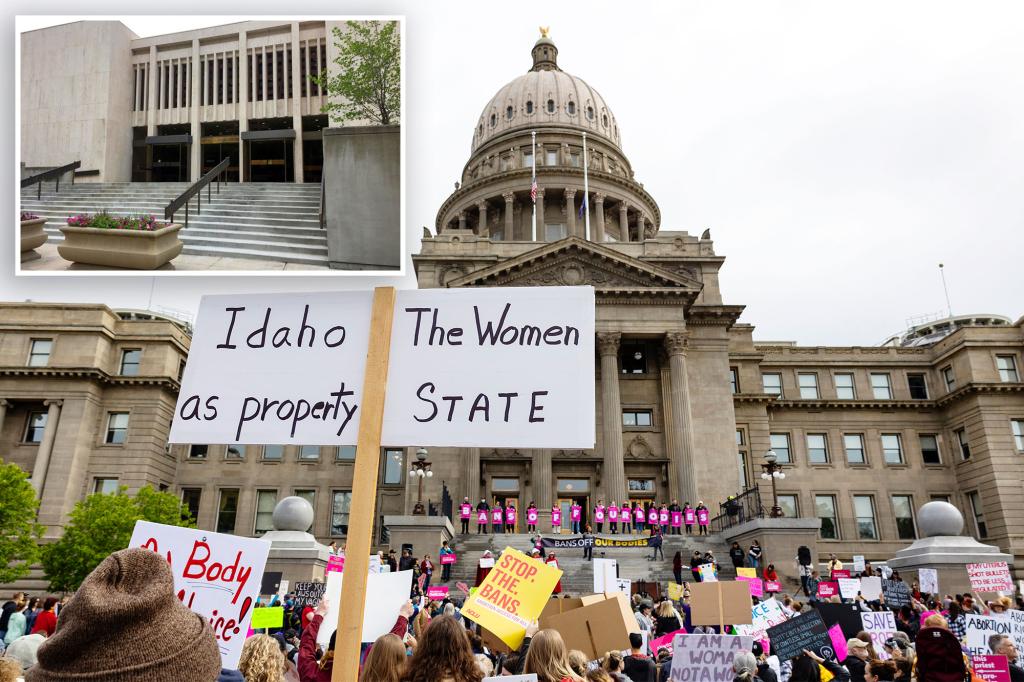
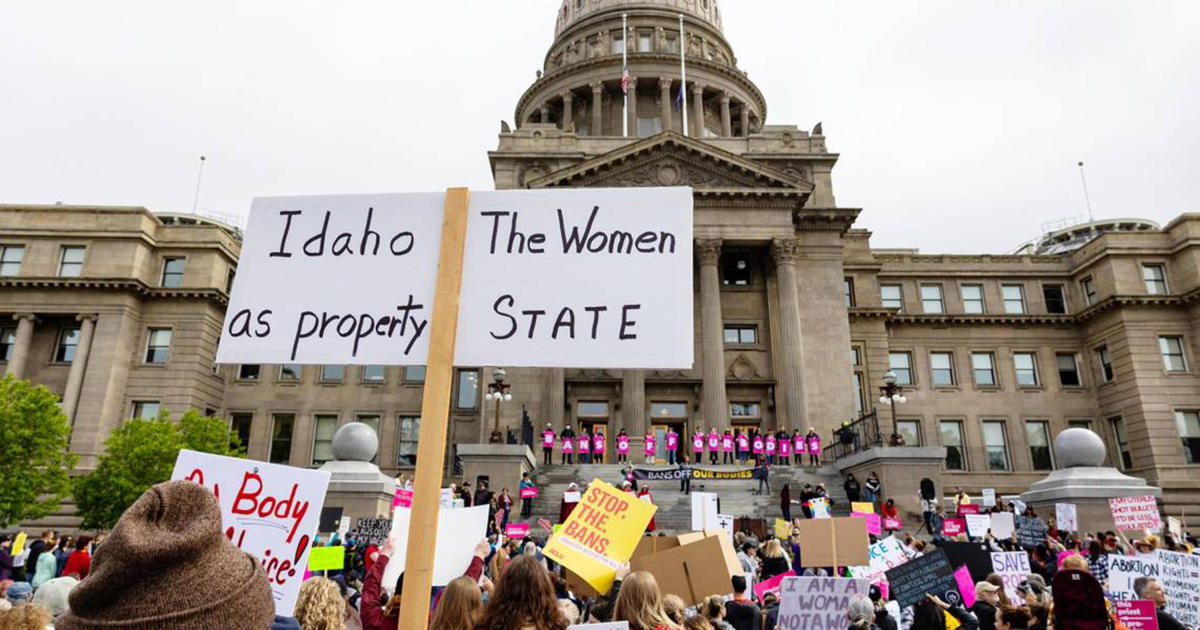
Idaho is arguing before the Supreme Court that abortion is not protected under the Emergency Medical Treatment and Active Labor Act (EMTALA), claiming that the federal government is interfering with the state's ability to ban the procedure. If the court were to accept Idaho's argument, it could nullify the safety-net law meant to eliminate discrimination in emergency medical care, singling out pregnant people as a separate and unequal class of patients. The case has significant implications for the rights of pregnant individuals and the obligations of healthcare providers in emergency situations.
After the U.S. Supreme Court overturned Roe v. Wade, complaints surged about pregnant women being turned away from emergency rooms, despite federal law mandating their treatment. Instances included a woman miscarrying in a Texas ER lobby, another giving birth in a car after being denied an ultrasound, and a woman being refused care at a Florida hospital. The Biden administration has sued Idaho over its abortion ban, arguing it conflicts with federal law. The Supreme Court will hear arguments that could weaken protections for pregnant patients, raising concerns about the state of emergency pregnancy care in the U.S.
The U.S. Supreme Court has permitted Idaho to enforce its stringent abortion ban, even in cases of medical emergencies, while legal proceedings continue. The Court will hear arguments in April and has temporarily set aside a lower court's decision that had prevented the enforcement of Idaho's law in hospital emergencies. This decision is part of a broader legal battle over abortion rights following the overturning of Roe v. Wade, with the Biden administration arguing that federal law requires hospitals to provide emergency care, including abortions, under certain conditions. Idaho, however, contends that the federal law does not specifically mention abortion. The outcome of this case could have significant implications for the intersection of federal emergency care requirements and state abortion laws.
The Supreme Court has permitted Idaho to enforce its abortion ban while it reviews whether emergency room doctors are legally required to perform abortions under the Emergency Medical Treatment and Active Labor Act (EMTALA) to stabilize patients. This decision comes amidst conflicting lower court rulings and after the Biden administration sued Idaho, arguing that the federal law mandates such procedures in medical emergencies. Oral arguments in the case are scheduled for April.
The U.S. Supreme Court is set to decide if emergency room doctors can perform medically necessary abortions in states with prohibitive abortion laws, specifically examining the conflict between Idaho's near-total abortion ban and a federal Medicare statute that mandates emergency medical care. The case follows the reversal of Roe v. Wade and will have significant national implications for the provision of emergency abortions in states where they are heavily restricted.
The U.S. Supreme Court has allowed Idaho to enforce its near-total abortion ban in emergency situations while it prepares to hear a case on the matter. The case will determine if the Emergency Medical Treatment and Labor Act (EMTALA), which mandates hospitals to provide necessary treatment to stabilize patients, overrides state laws that restrict abortion access. The Biden administration argues that EMTALA should preempt Idaho's restrictive law, while Idaho officials claim the federal government cannot use EMTALA to supersede state laws on abortion. Arguments are set for the Supreme Court's April session.
The U.S. Supreme Court has permitted Idaho to enforce its stringent abortion ban, even in cases of medical emergencies, pending ongoing legal disputes. The Court will hear arguments in April and has temporarily suspended a lower court's decision that had prevented the enforcement of Idaho's law during hospital emergencies. This decision aligns with the broader legal battles following the overturning of Roe v. Wade, with the Biden administration arguing that federal law mandates hospitals to provide emergency care, including abortions, under the Emergency Medical Treatment and Labor Act (EMTALA). Idaho, however, contends that EMTALA does not specifically mention abortion and accuses the administration of imposing a federal abortion mandate.
The Supreme Court has permitted Idaho to enforce a strict abortion ban that could penalize emergency room doctors, overriding a federal judge's ruling that it conflicts with federal law. The law, which includes criminal penalties for doctors performing abortions unless necessary to save the woman's life, was challenged under the Emergency Medical Treatment and Labor Act (EMTALA), which mandates emergency care for all patients. The Supreme Court will hear arguments on the issue in April and make a decision by June. This development follows the Court's 2022 decision to overturn Roe v. Wade, which had previously protected the constitutional right to abortion.
The 5th Circuit Court of Appeals ruled that the Emergency Medical Treatment and Active Labor Act (EMTALA) does not require hospitals to provide abortions, even when necessary for stabilizing a patient's emergency medical condition. This decision challenges the Biden administration's guidance post-Dobbs, which reminded hospitals of their obligations to stabilize patients, including through abortion if necessary. The ruling is likely not the final say on the matter, as similar issues are being contested in other courts, and the Supreme Court may eventually weigh in. The legal battle reflects ongoing disputes over abortion access following the overturning of Roe v. Wade.
A federal appeals court has ruled that Texas doctors are not obligated to perform emergency abortions, despite federal guidance under the Emergency Medical Treatment and Labor Act (EMTALA). This decision challenges the Biden administration's efforts to ensure abortion access in emergencies, following the overturning of Roe v. Wade. Texas law currently criminalizes performing or attempting an abortion, with limited exceptions for medical emergencies and fatal fetal diagnoses. The ruling has significant implications for abortion access and the ability of doctors to use their medical judgment in emergency situations without fear of prosecution.