
labor-law1.485 min read
"New Federal Overtime Rules Spark Lawsuits and Business Concerns"
1 year ago•Source: WGHP FOX8 Greensboro

The latest labor law stories, summarized by AI

The U.S. Department of Labor will implement new overtime rules starting July 1, 2023, making salaried employees earning $43,888 or less annually eligible for overtime pay. The threshold will increase again in 2025 and 2027, potentially qualifying 4 million more workers for overtime. Some professions and states with higher thresholds are unaffected.

WFLA•1 year ago
FOX 5 San Diego•1 year ago

Non-disclosure agreements were used in the negotiations of California's fast food minimum wage law, preventing the public and industry from knowing the details of the discussions. The powerful Service Employees International Union (SEIU) reportedly directed all parties involved to sign these agreements, including representatives from major fast food corporations. Governor Gavin Newsom's office stated that he did not sign an NDA or direct anyone to do so. The use of NDAs in legislative negotiations has raised concerns about transparency and disclosure in the lawmaking process.

Amazon, SpaceX, and Trader Joe’s are challenging the constitutionality of the National Labor Relations Board (NLRB), which could jeopardize long-standing worker protections. Amazon's legal filing claims that the NLRB's structure violates the separation of powers and aims to block union organizing in its fulfillment centers. If successful, these challenges could undermine workplace protections that have been in place for almost a century, potentially impacting workers across the country.
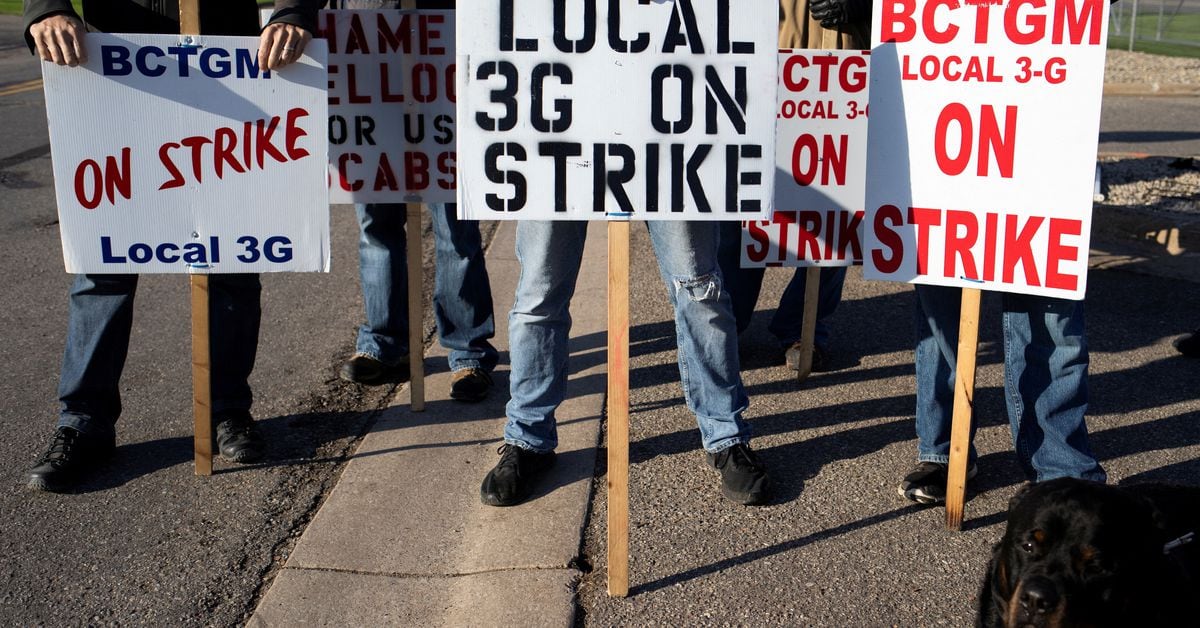
The US Supreme Court has issued a ruling that could make labor unions more vulnerable to lawsuits over strikes that cause property damage. The 8-1 ruling authored by Justice Amy Coney Barrett made it easier for companies to sue over such strikes. Some legal experts predict that the decision will weaken the capacity of unions to function and reduce the only leverage unions have when negotiating with companies. However, others see a more modest impact and believe that if lower courts faithfully apply the reasoning detailed in Barrett's decision, it won't do much damage to the right to strike.
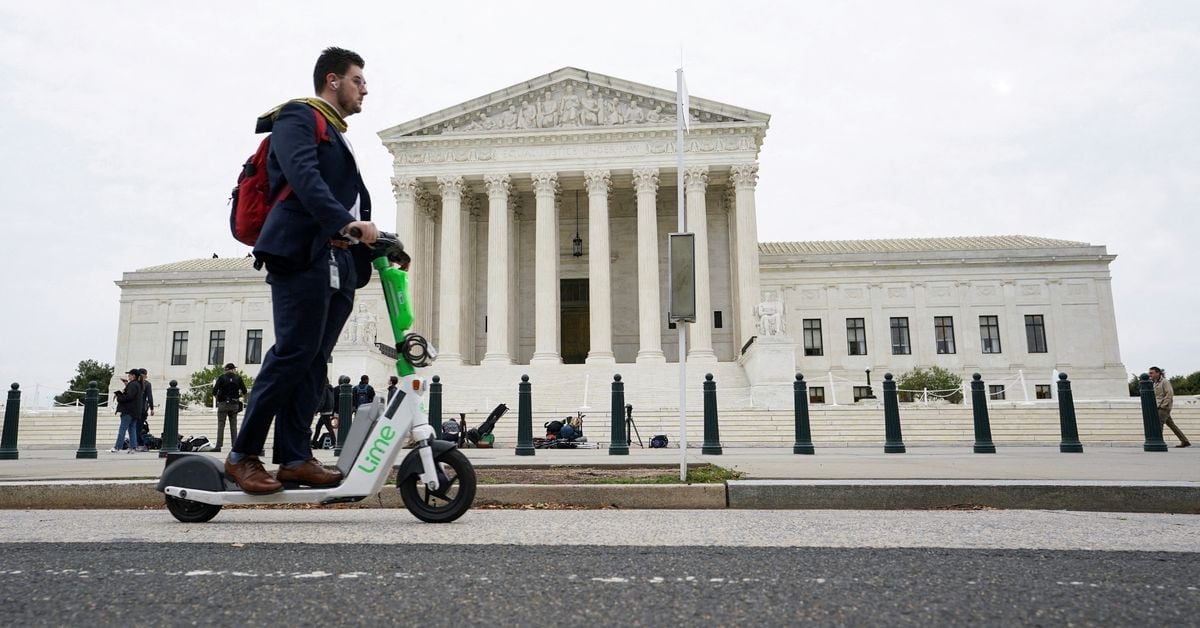
The US Supreme Court has made it easier for employers to sue over strikes that cause property destruction, siding with a concrete business in Washington state that sued the union representing its truck drivers after a work stoppage. The 8-1 decision overturned a lower court's ruling that said the lawsuit filed by Glacier Northwest Inc against a local affiliate of the International Brotherhood of Teamsters was preempted by a US law called the National Labor Relations Act. The ruling is likely to cause confusion among lower courts about how preemption under the National Labor Relations Act should apply in future cases and risks erosion of the right to strike.
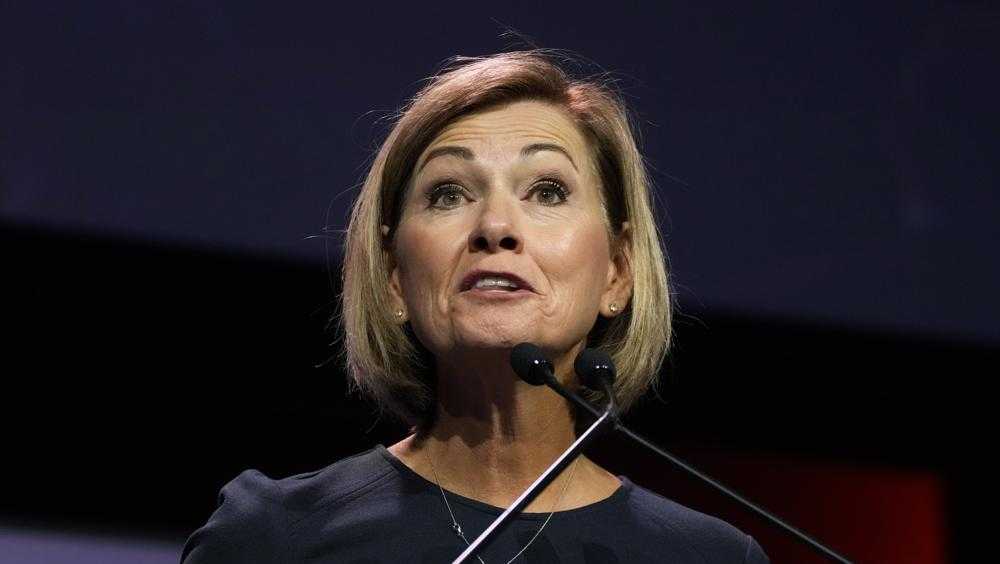
Iowa Governor Kim Reynolds signed a new law that allows teenagers to work more hours a day and later at night, and work jobs that were previously prohibited under state law. However, the new law may face legal challenges as it appears to be inconsistent with federal law. The US Department of Labor has identified several concerns, including apparent contradictions between state and federal law over what hours kids can work. The DOL has not said whether they plan to challenge the Iowa law, but will continue to closely monitor the status of child labor laws in Iowa.
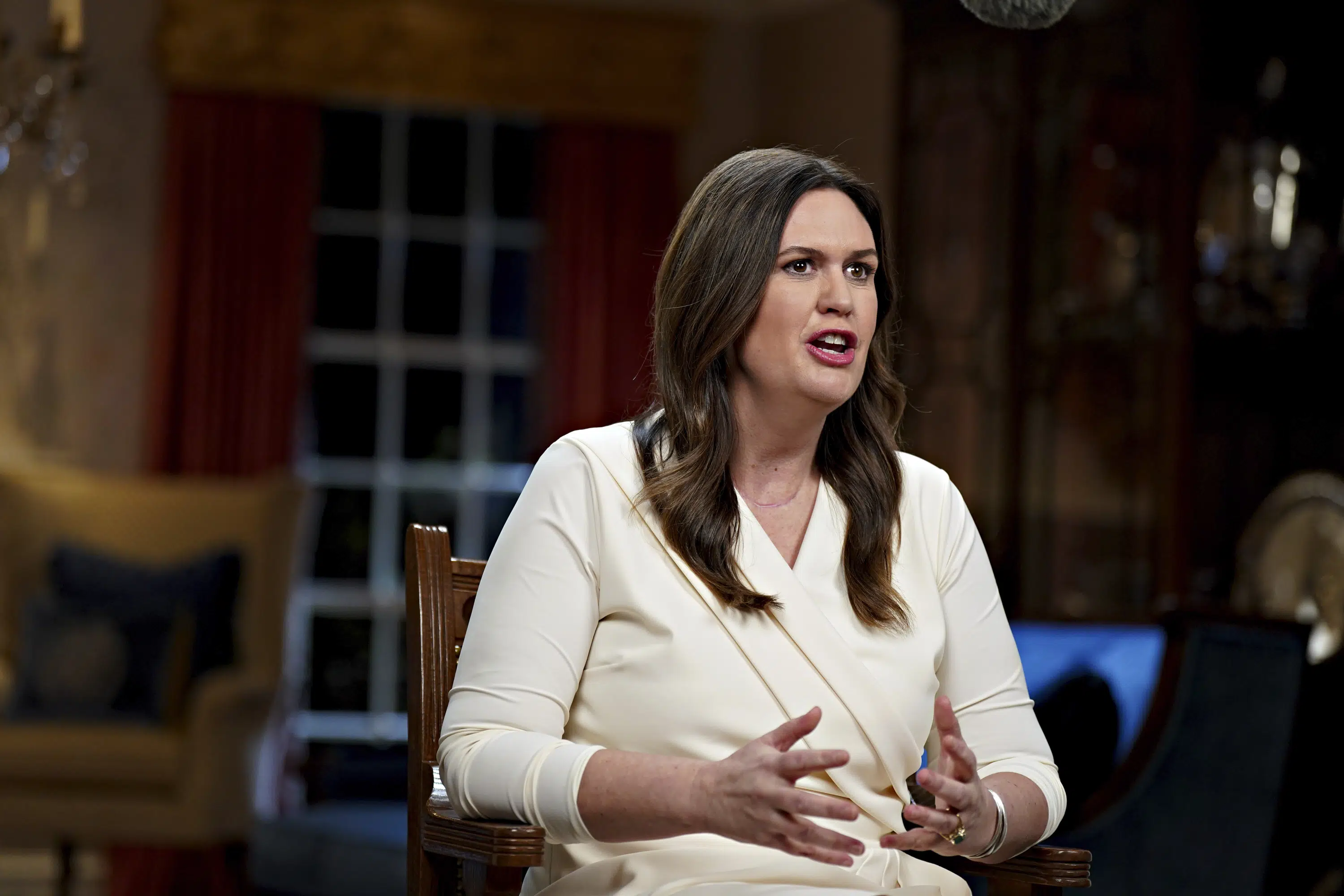
Lawmakers in several states, largely led by Republican lawmakers, are proposing legislation to allow children to work in more hazardous occupations, longer hours on school nights, and in expanded roles including serving alcohol in bars and restaurants as young as 14. Child welfare advocates worry the measures represent a coordinated push to scale back hard-won protections for minors. The efforts to significantly roll back labor rules are to address worker shortages and in some cases run afoul of federal regulations.
Three McDonald's franchisees have been fined by the US Department of Labor after an investigation found that over 300 minors, including two 10-year-olds, were working in violation of federal labor law. The franchisees, who run a combined 62 McDonald's locations in Kentucky, Indiana, Maryland, and Ohio, were found to have minors working beyond legal limits and in hazardous jobs. The businesses were fined $212,544 in civil money penalties. The investigation is part of the Wage and Hour Division's efforts to end child labor abuses in the Southeast.
A McDonald's franchisee in Kentucky, Bauer Food LLC, has been found to have employed two 10-year-old children in violation of federal labor laws. The children were not paid and sometimes worked as late as 2 a.m., performing tasks prohibited for minor employees. The Department of Labor also found that Bauer Food LLC employed 24 minors under the age of 16 to work more than legally permitted hours, resulting in nearly $40,000 in penalties. The DOL has seen a 69% increase in children being employed illegally by companies since 2018.
A U.S. labor board official has ruled that Tesla supervisors at a Florida service center violated U.S. labor law by telling employees not to discuss pay and other working conditions or bring complaints to higher level managers. The judge ordered Tesla to cease and desist from violating workers' rights and to post notice of the violations in the service center and email it to employees. This is the latest loss for Tesla before the labor board as it also faces lawsuits alleging widespread race and sex discrimination at its assembly plants.
Tesla supervisors at a Florida service center violated U.S. labor law by instructing employees not to discuss pay and other working conditions or file complaints with higher level managers, according to a ruling by the National Labor Relations Board. The judge ordered Tesla to cease and desist from violating workers' rights and to post notice of the violations in the service center and email it to employees. This is the latest loss for Tesla before the labor board as it also faces lawsuits alleging widespread race and sex discrimination at its assembly plants.