The article covers a humorous media confusion involving Bill DeBlasio, a controversial AI-driven propaganda campaign by the Department of Labor reminiscent of authoritarian posters, issues with federal prosecutions related to January 6th, and ongoing political gridlock in Congress, including delays in swearing in a new House member due to the government shutdown.
The US Department of Labor announced a phased suspension of contractor-operated Job Corps centers nationwide by June 30, 2025, citing financial deficits, poor student outcomes, and safety concerns, and is working with local partners to support current students during the transition.
The U.S. Department of Labor has launched an online tool to help over 15,000 Texas workers claim more than $11 million in unpaid wages. The Workers Owed Wages (WOW) application allows employees to search for and claim wages owed by their employers. The process involves verifying employment details, submitting contact information, and uploading necessary documents. The tool is available in both English and Spanish, and claims are processed within approximately six weeks.
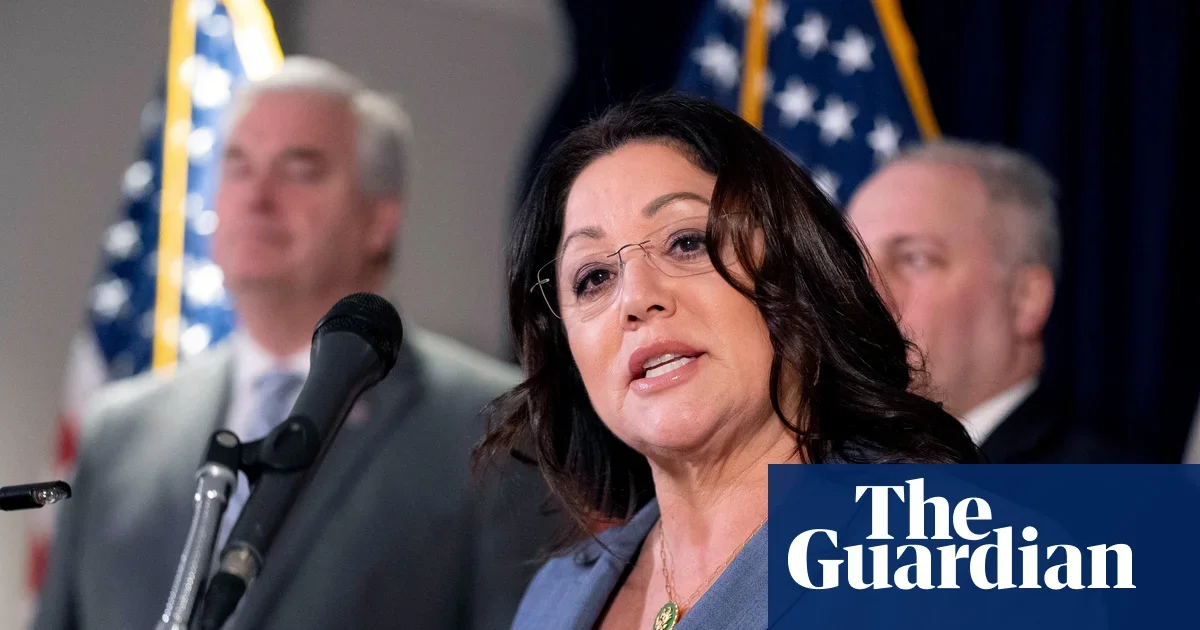
President-elect Donald Trump has nominated Republican Rep. Lori Chavez-DeRemer of Oregon as his choice for Labor Secretary. Chavez-DeRemer, who recently lost her reelection bid, is expected to lead a more business-friendly Department of Labor under Trump's administration, aligning with his goal of reducing bureaucratic red tape. This nomination follows the tenure of acting Secretary Julie Su under President Biden, and the previous leadership of Marty Walsh and Alexander Acosta during Trump's first term.
A federal court in Texas has struck down the U.S. Department of Labor's rule that would have increased the salary threshold for white-collar overtime exemptions under the Fair Labor Standards Act. The court ruled that the DOL exceeded its authority by setting a high salary threshold and implementing automatic updates. This decision nullifies the planned increases for January 2025 and July 2024, affecting employers nationwide. The DOL may appeal, but a change in administration could influence future actions.
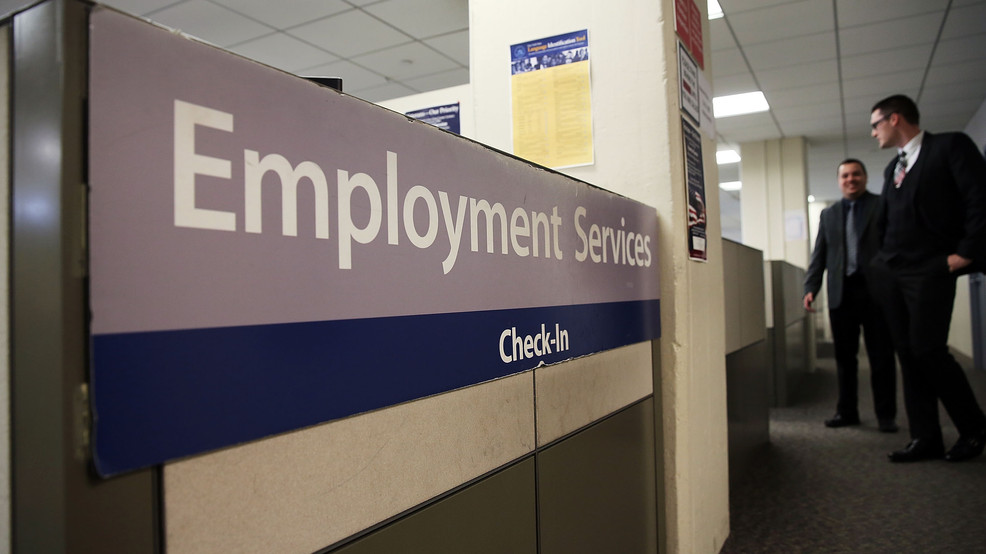
The U.S. Department of Labor reported a decrease in initial unemployment claims to 217,000 for the week ending November 9, down 4,000 from the previous week. The four-week moving average also fell to 221,000, indicating a slight improvement in the labor market. The insured unemployment rate remained steady at 1.2%, with the number of insured unemployed decreasing by 11,000 to 1,873,000.
Republican lawmakers have introduced a resolution to block the US Department of Labor's new overtime pay rule, which would expand eligibility to 4 million workers by raising the exemption threshold. The rule faces opposition from business groups and legal challenges, with critics arguing it will increase costs and lead to job losses. The resolution, introduced under the Congressional Review Act, may struggle to pass Congress in an election year, despite some bipartisan support.
The U.S. Department of Labor will implement new overtime rules starting this summer, making millions of salaried workers earning $43,888 or less annually eligible for overtime pay. The threshold will increase again in 2025 and 2027, with future adjustments every three years. The changes are expected to affect 4 million workers, though some professions and states with higher thresholds are exempt.
The U.S. Department of Labor will implement new overtime rules starting July 1, 2023, making salaried employees earning $43,888 or less annually eligible for overtime pay. The threshold will increase again in 2025 and 2027, potentially qualifying 4 million more workers for overtime. Some professions and states with higher thresholds are unaffected.
The U.S. Department of Labor will implement new overtime rules starting July 1, 2024, making salaried employees earning $43,888 or less annually eligible for overtime pay. This threshold will increase to $58,656 on January 1, 2025, and will be adjusted every three years thereafter. The changes are expected to make 4 million more workers eligible for overtime, though certain professions and states with higher thresholds are unaffected.
The U.S. Department of Labor will implement new overtime rules starting this summer, making salaried employees earning $43,888 or less annually eligible for overtime pay. The threshold will increase again in 2025 and 2027, potentially qualifying 4 million more workers for overtime. Some professions and states with higher thresholds are unaffected.
The U.S. Department of Labor will implement new overtime rules starting this summer, making millions of salaried workers earning $43,888 or less annually eligible for overtime pay. The threshold will increase again in 2025 and 2027, with future adjustments every three years. The changes are expected to affect 4 million workers, though some professions and states with higher thresholds are exempt.
Tuff Torq Corporation, a Tennessee manufacturer, has been ordered to pay nearly $300,000 in fines and turn over profits after allegedly employing children under 18 in hazardous jobs, violating child labor laws. The U.S. Department of Labor found that at least one minor was operating a power-driven hoisting apparatus, deemed particularly hazardous for those under 18. Tuff Torq has entered into a consent decree with the Department of Labor, agreeing to take steps to prevent future violations, including regular training, establishing an anonymous tip line, and allowing unannounced facility searches. The company is also prohibited from retaliating against employees who file complaints or testify.
The Biden administration is facing backlash over a new Department of Labor rule that would re-classify millions of gig workers as employees, with trade groups, small business advocates, lawmakers, and independent workers themselves scrambling to stop the rule. Critics argue that the rule threatens the livelihoods of gig workers and could have major consequences for industries that heavily rely on independent contractors. Multiple lawsuits have been filed against the administration, and Republicans in Congress have introduced a resolution to overturn the rule, warning that it jeopardizes the gig economy and the ability of millions of Americans to work as independent contractors.
Initial jobless claims for the past week fell by 8,000 to 212,000, surpassing the expected 219,000, while continuing claims rose to 1.895 million. The four-week moving average increased to 218,500. The advance seasonally adjusted insured unemployment rate was 1.3%, up from the previous week's 1.2%.