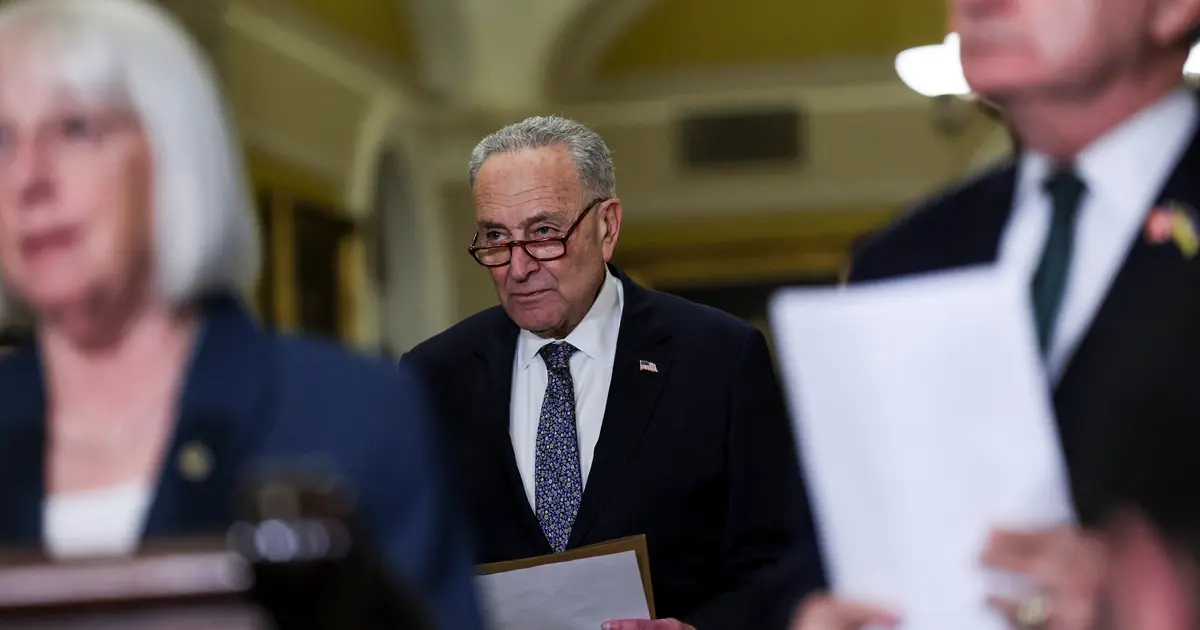
Senator Joe Manchin cast the deciding vote against Lauren McFerran's nomination to the National Labor Relations Board, citing her support for broadening joint-employer regulations as the reason. The vote was tied 49-49, with Manchin and Senator Kyrsten Sinema joining Republicans in opposition. Manchin's return to the Senate prevented Vice President Kamala Harris from breaking the tie, highlighting his influence and willingness to oppose his party's leadership on labor issues.
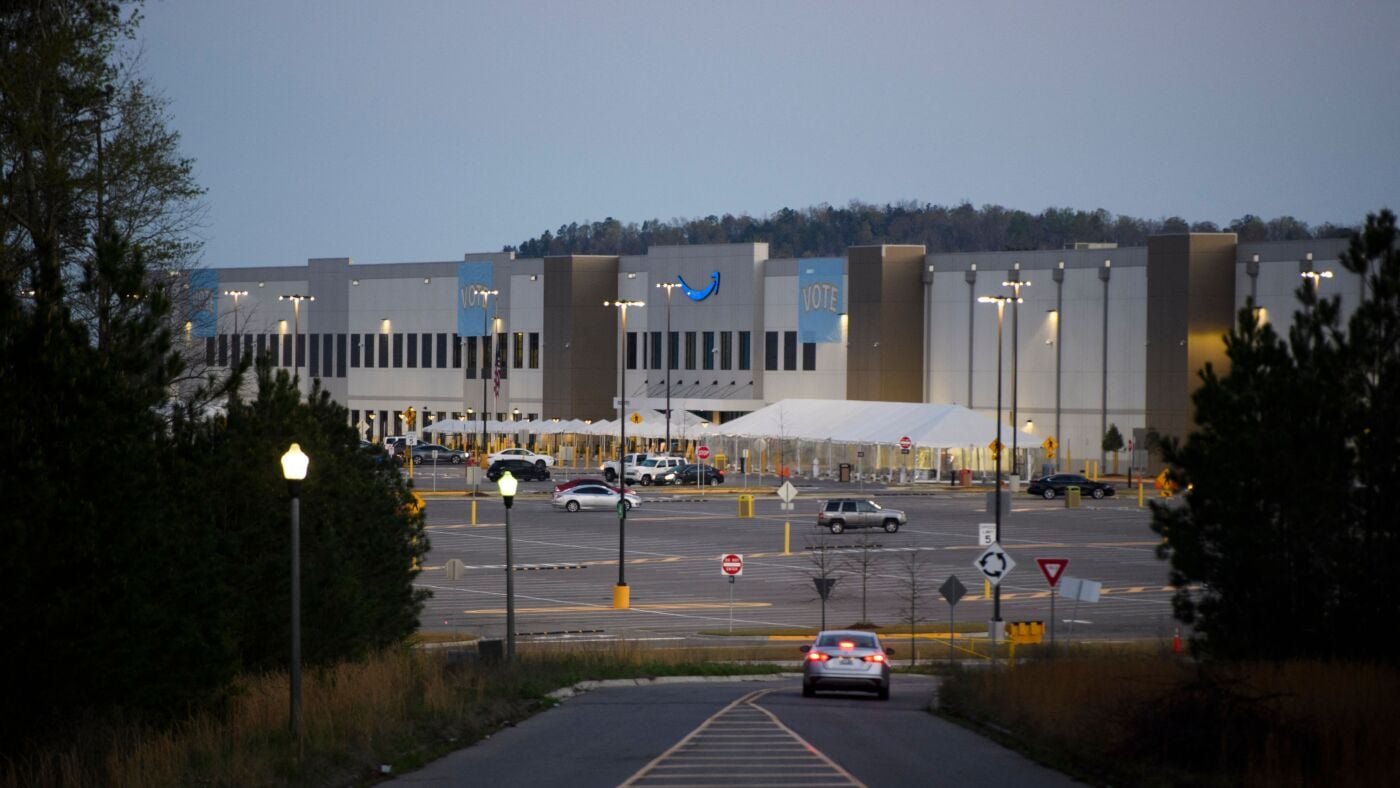
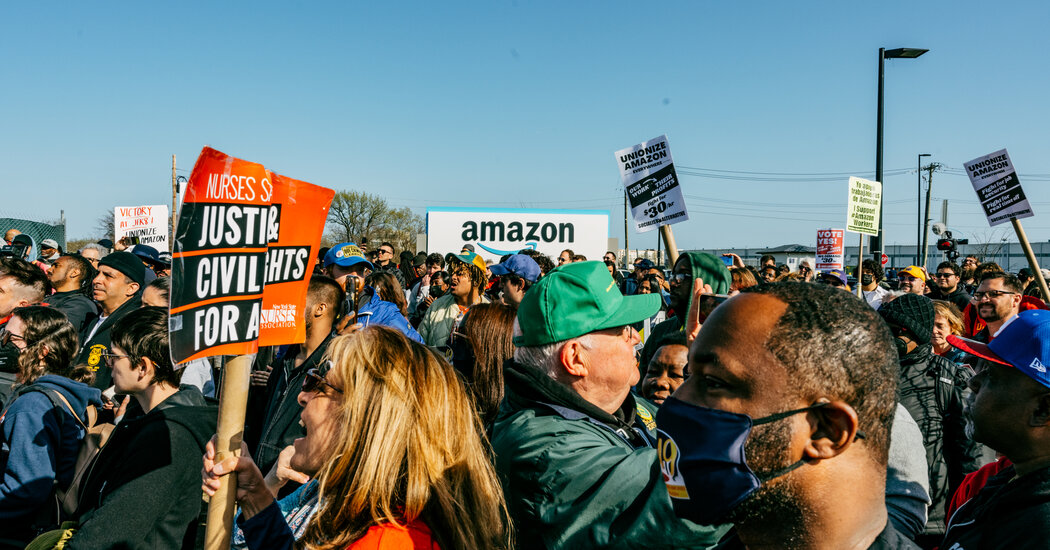
A federal labor judge has ordered a third unionization vote for Amazon warehouse workers in Bessemer, Alabama, after previous elections were marred by allegations of improper influence by Amazon. The National Labor Relations Board found that Amazon illegally confiscated union materials, among other violations. Both Amazon and the union are challenging parts of the ruling, delaying the new vote. This comes amid ongoing legal battles over unionization efforts at other Amazon facilities, including a historic union victory in Staten Island, New York.
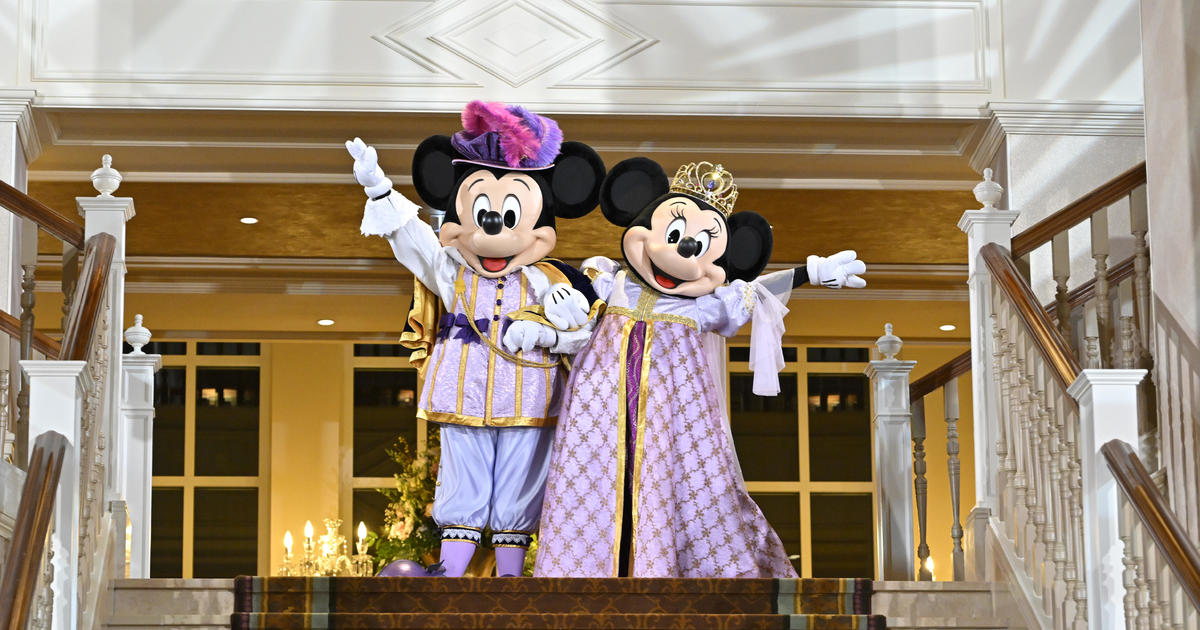
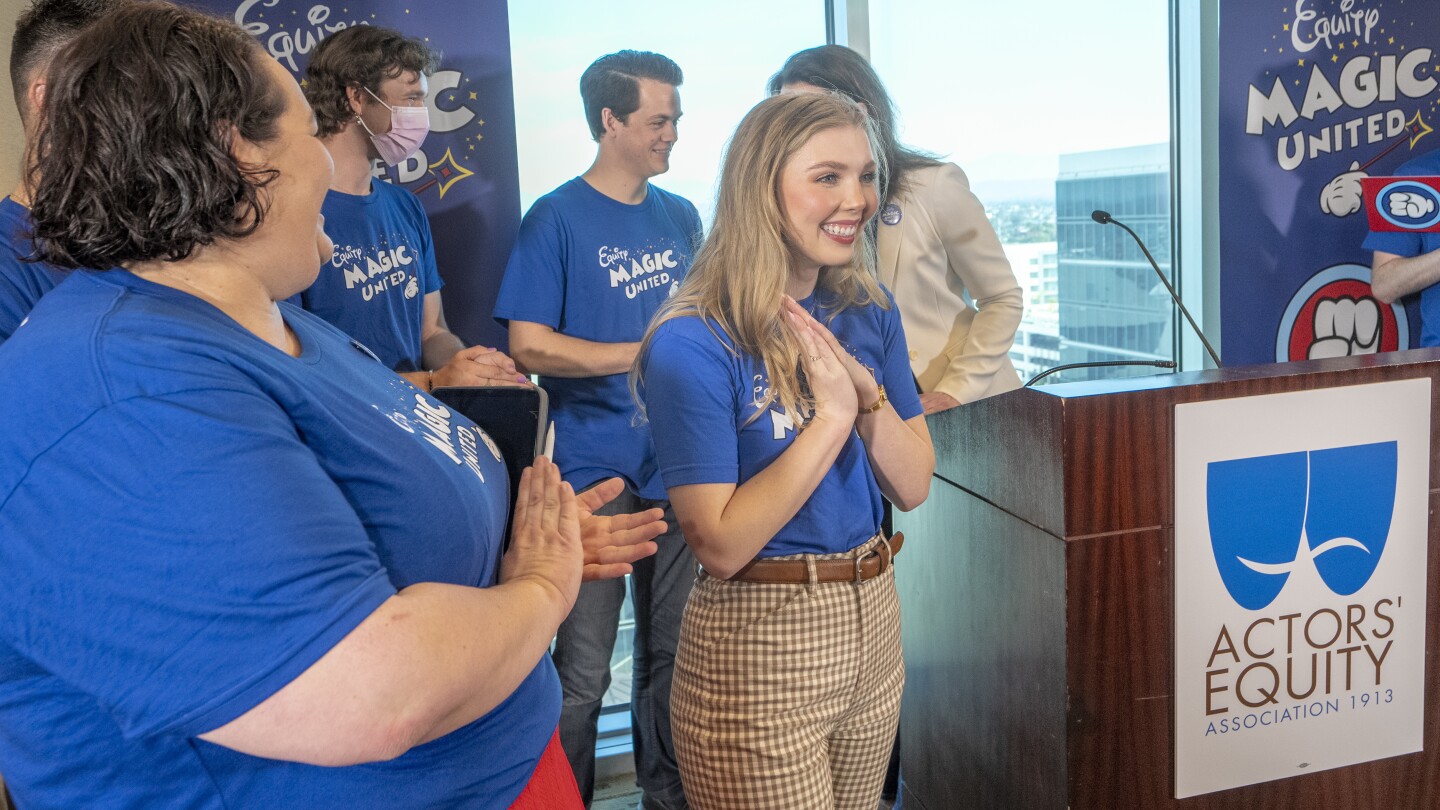
Disneyland actors who portray Disney characters are moving to unionize under the Actors' Equity Association, with over two-thirds of eligible performers signing union authorization cards and petitioning for a vote on union representation. The union, named "Magic United," seeks higher pay, workplace safety, and scheduling transparency. Despite a lack of response from Disney, the workers are pushing for recognition and support from the company. This effort comes amid a broader trend of growing public support for unionization and follows similar moves by other Disneyland Resort workers to address safety concerns and scheduling issues.
Disneyland performers, including parade performers, character actors, and support staff, have filed a petition to form a labor union called "Magic United" in order to address concerns such as injuries from costumes, erratic scheduling, and a lack of clear communication from management. The workers, who make up more than two-thirds of roughly 1,700 eligible workers, seek an election through the National Labor Relations Board and have asked The Walt Disney Co. to recognize the union. The effort comes after similar unionization of theatrical performers at Disney's Florida theme parks and is part of a broader trend of growing public support for unionization in the United States.
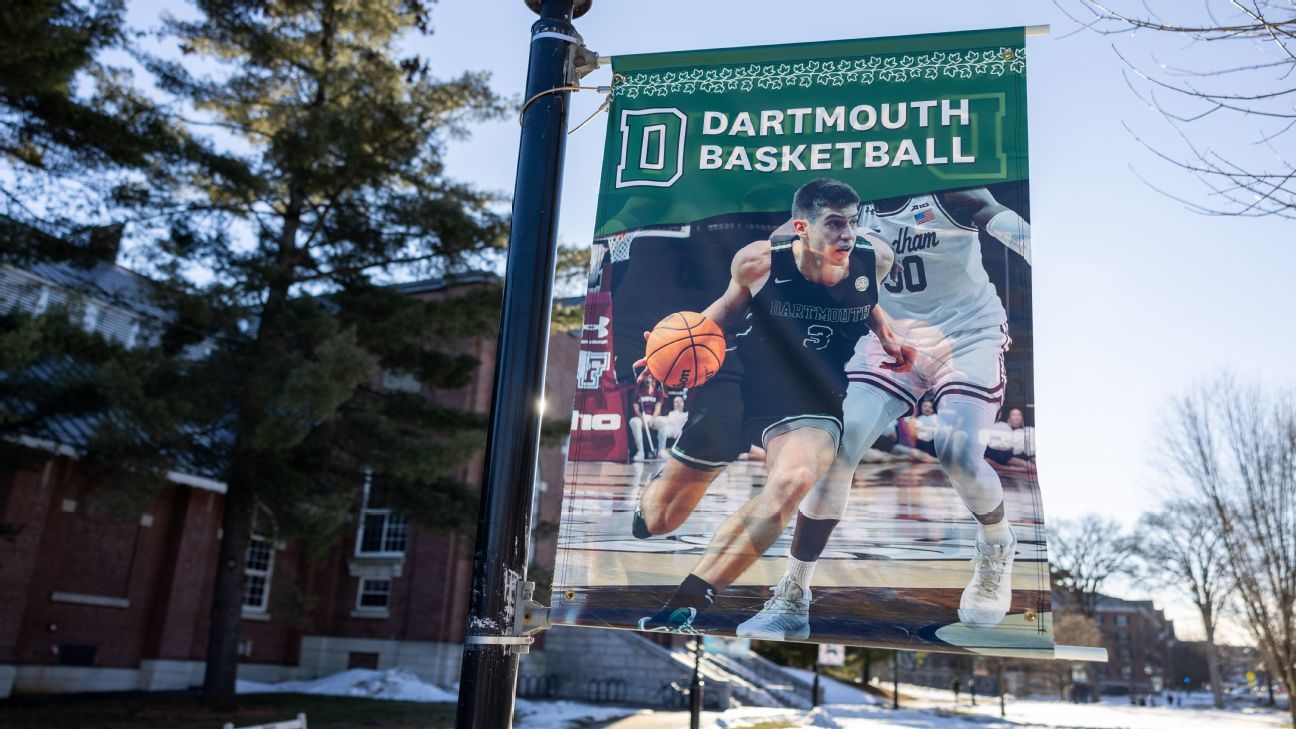
Dartmouth refuses to negotiate with its unionized men’s basketball team, as the school believes athletes are not employees, leading to a legal battle. The situation could have broader implications for college sports, potentially leading to a nationwide union for college athletes. The debate over paying college athletes continues, with some arguing that it's only fair for players to be compensated for their contributions to big-time college sports.
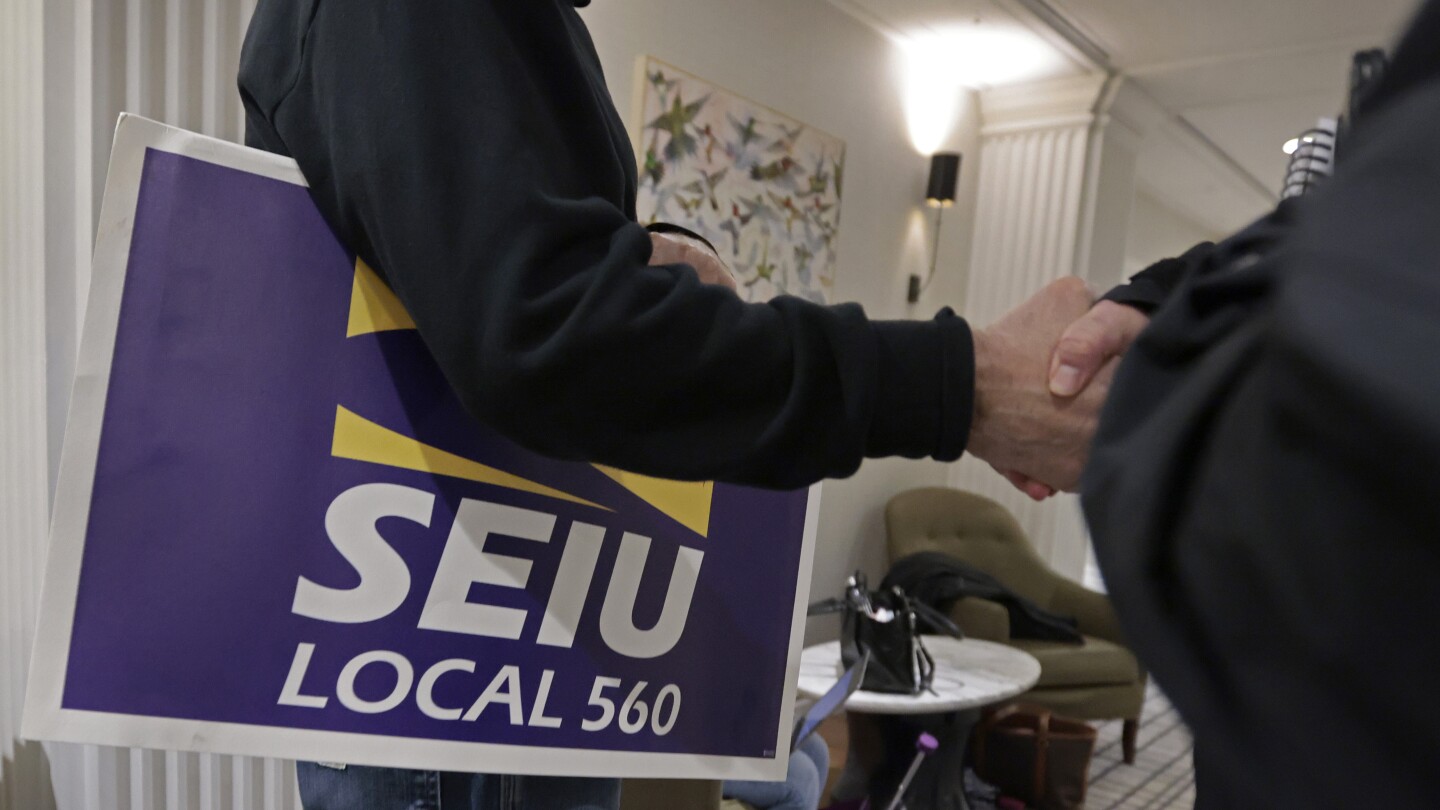
Dartmouth University has announced that it will not engage in collective bargaining with the union formed by its men's basketball players, despite a ruling by the National Labor Relations Board that classified the players as employees. The school contends that athletes in the Ivy League are not employees and is seeking a review of the decision. This move could potentially lead to the case being taken to federal court, as the players had voted 13-2 to join the Service Employees International Union Local 560.
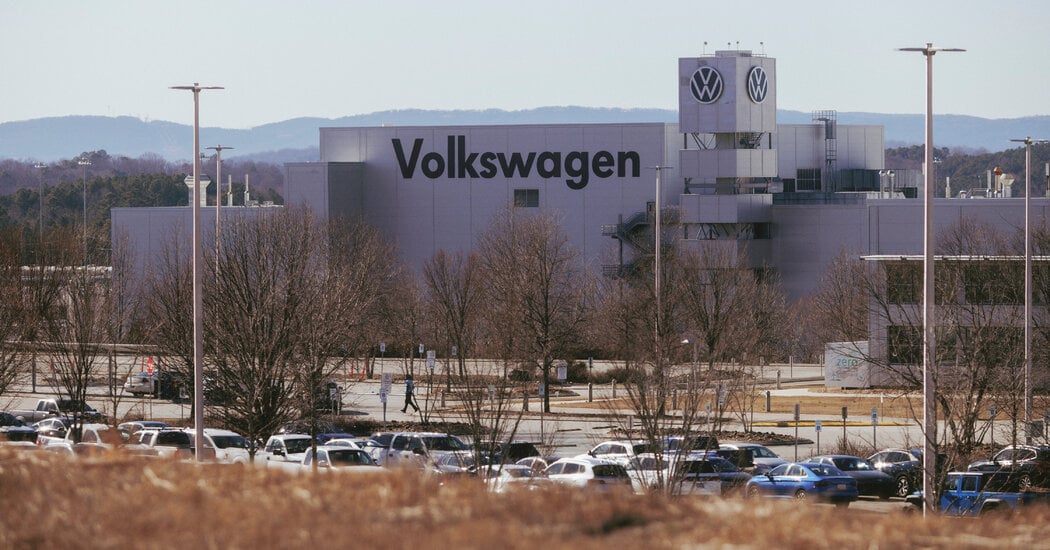
Volkswagen employees in Tennessee have petitioned the National Labor Relations Board for a unionization vote, with a "supermajority" of the 4,000 eligible workers at the plant having signed cards supporting the United Automobile Workers. This marks the third attempt by the workers to join the union, with the previous two attempts failing. If successful, this would be a significant win for the U.A.W. in its efforts to organize nonunion factories across the South.
Workers at Volkswagen's Chattanooga, Tennessee factory have filed a petition with the National Labor Relations Board to hold a unionization vote, marking a significant step in the United Auto Workers' efforts to expand its reach into the Southern auto industry. The UAW is targeting several U.S. factories, including those of Tesla, Honda, and Toyota, in a push to unionize. The union's campaign in the South has seen progress, with workers at a Mercedes factory in Alabama and a Hyundai plant also expressing interest in joining the UAW.
A federal judge in Texas has blocked a new rule by the National Labor Relations Board that would have made it easier for workers to form unions at big companies by expanding the definition of "joint employers." The judge concluded that the new rule was "contrary to law" and "arbitrary and capricious," siding with business groups who argued that it would upend precedent and make companies liable for workers they don't employ. The NLRB is reviewing the decision and considering its next steps.
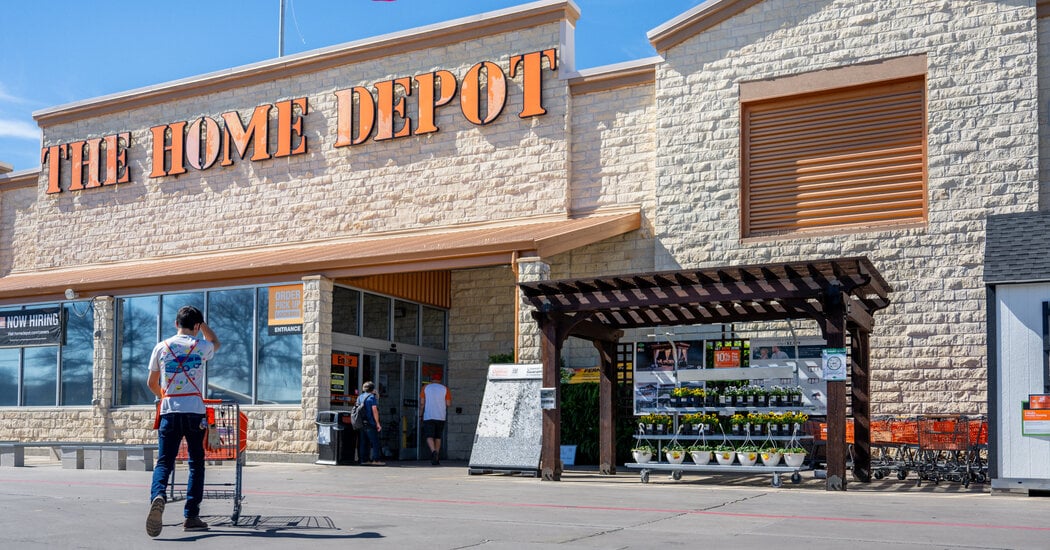
The National Labor Relations Board has ordered Home Depot to reinstate a worker who quit after refusing to remove a Black Lives Matter slogan from their apron, ruling that the worker's actions were protected by federal law. The board found that Home Depot violated federal law by instructing the worker to quit or remove the "BLM" letters from their apron, which were drawn by hand. This case is part of a series of disputes over civil rights apparel in the workplace following the 2020 killing of George Floyd, with the board emphasizing the legal right of workers to engage in concerted activities for mutual aid or protection, including protesting racial discrimination in the workplace.
The National Labor Relations Board ruled that Home Depot violated labor laws by requiring workers to remove "Black Lives Matter" insignia from their uniforms, stating that it constituted protected concerted activity. The ruling orders Home Depot to offer reinstatement and back pay to a worker who resigned over the issue. The decision reflects a more progressive reading of the law under a Democratic majority. The case arose at a store in Minnesota following the murder of George Floyd, and is one of several before the board involving racial justice messages at work.
Workers at a Reno Starbucks have filed a petition to unionize with Starbucks Workers United, joining a national movement of over 9,500 union baristas at nearly 400 union stores. The workers are seeking better working conditions, including living wages and fair scheduling, and have co-authored a letter to the CEO to announce their organizing push. Starbucks has stated that it respects the rights of partners to organize and aims to negotiate first contracts for represented stores this year, while also emphasizing efforts to improve partner experience through consistent scheduling and increased compensation.
Amazon, along with other companies like SpaceX and Trader Joe's, has challenged the constitutionality of the National Labor Relations Board (NLRB) in separate lawsuits, claiming that the agency's structure violates the separation of powers and allows for legal remedies beyond what's allowed without a trial by jury. These legal challenges increase the likelihood of the issue reaching the Supreme Court and may lead employers to cease bargaining with unions in the hope that the courts will strip the NLRB of its powers.
Amazon has filed a legal argument claiming that the National Labor Relations Board (NLRB) is unconstitutional, following similar claims made by SpaceX and Trader Joe's. The filing is in response to a case involving alleged retaliation against workers who voted to unionize at a New York City warehouse. Amazon's attorneys argue that the NLRB's structure violates the separation of powers and infringes on executive powers stipulated in the Constitution, while also claiming that NLRB proceedings deny the company a trial by jury and violate its due-process rights.
Amazon, along with other companies like SpaceX and Trader Joe's, has argued in a legal filing that the National Labor Relations Board is unconstitutional, claiming that its structure violates the separation of powers outlined in the United States Constitution. This move reflects a growing backlash within corporate America against the federal agency that enforces labor rights. The arguments made by Amazon and SpaceX have been described as "radical" and are part of a broader conservative effort to question the constitutionality of regulatory actions.