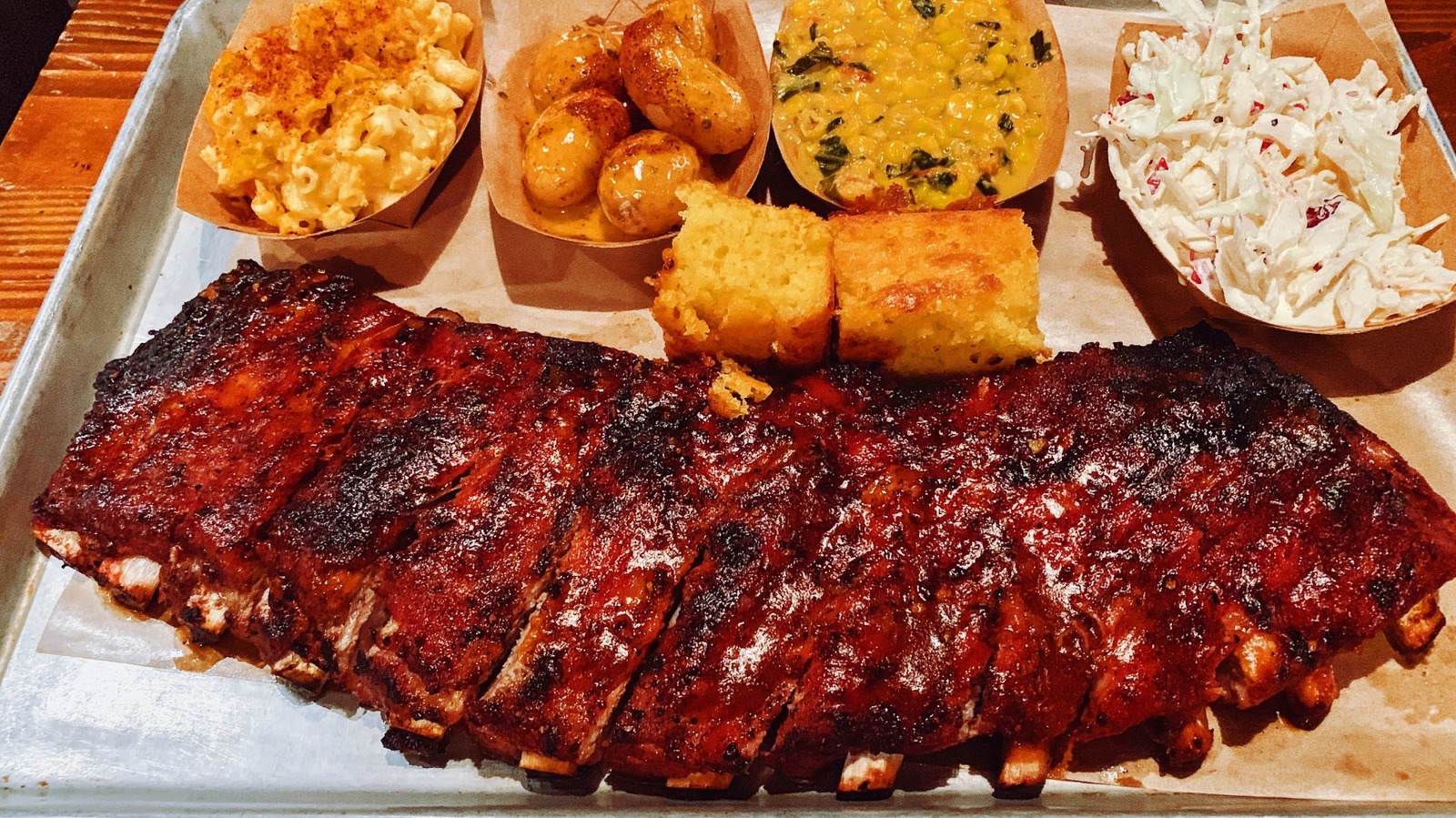
Dickey's Barbecue Pit, once rapidly expanding, is now facing significant decline with closures and legal disputes, largely due to franchisee dissatisfaction and allegations of misrepresentation, highlighting the importance of strong parent-franchise relationships for success.
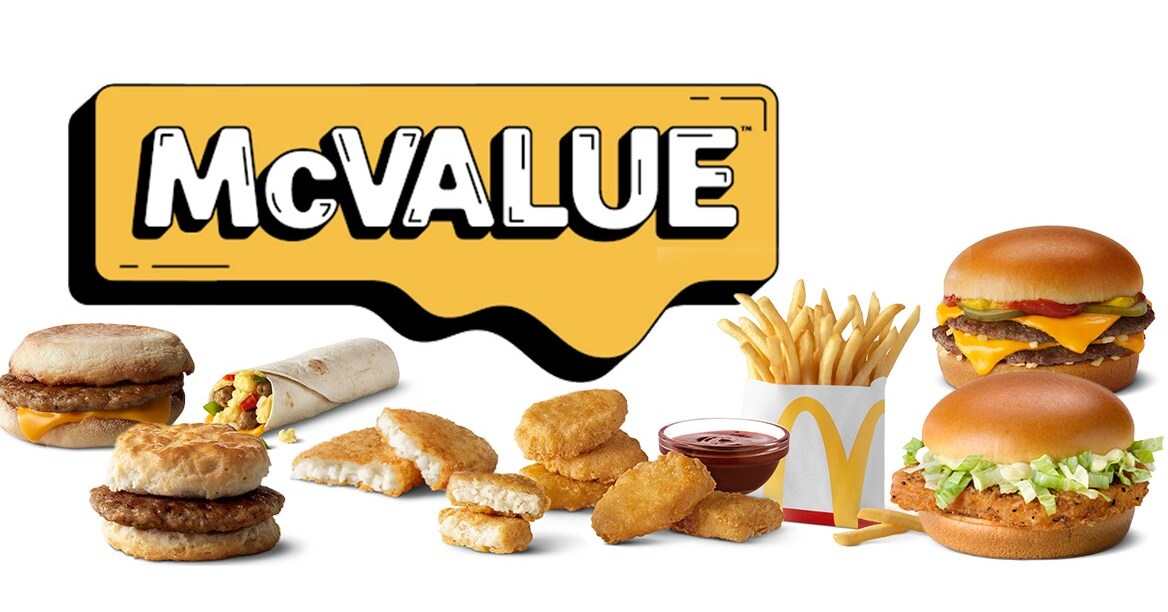
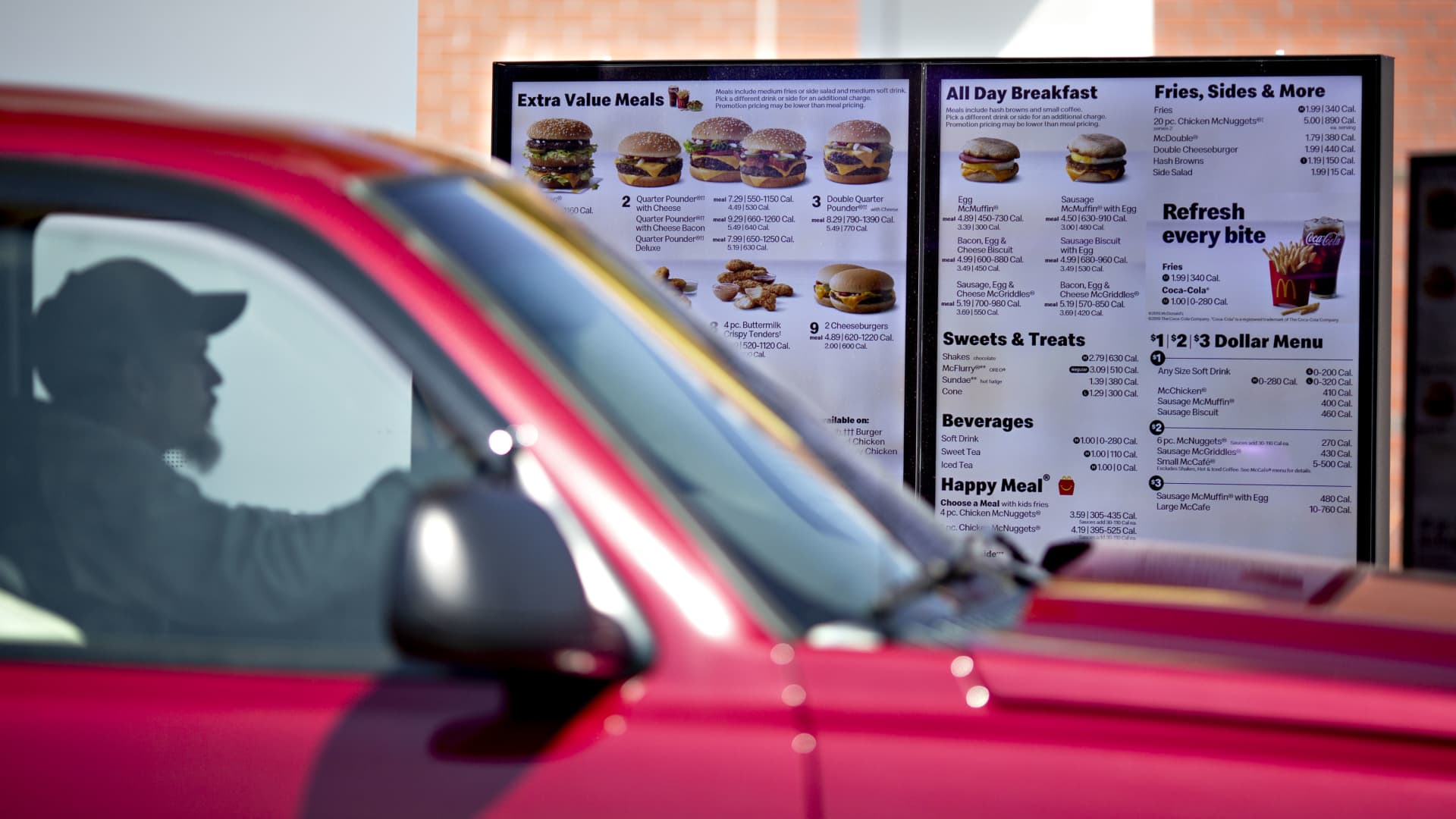
McDonald's is launching a new McValue menu on January 7, offering customers more savings options, including a buy one, add one for $1 deal and $5 meal deals. The menu will feature breakfast and lunch items like Sausage McMuffins, McNuggets, and McChickens, allowing customers to mix and match their favorites. The initiative aims to provide personalized value options in collaboration with franchisees.
McDonald's is set to launch its new McValue platform across U.S. restaurants on January 7, 2025, offering a range of value deals including the $5 Meal Deal, exclusive in-app offers, and a new Buy One, Add One for $1 offer on popular items. The initiative aims to provide customers with more affordable options and customizable deals, reflecting feedback from franchisees and customers nationwide.
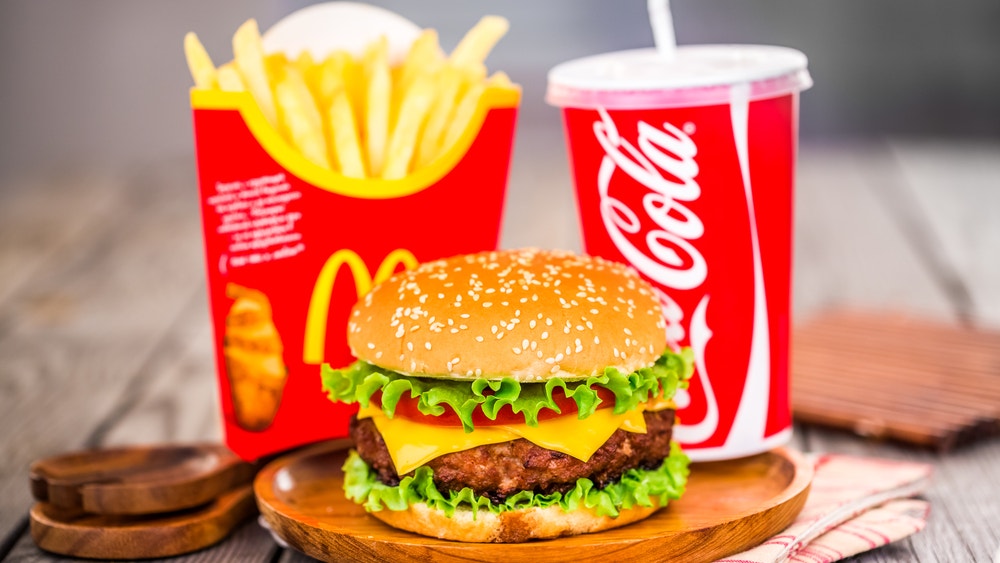
Fast-food chains like McDonald's, Wendy's, and Burger King are temporarily reintroducing value meals to attract inflation-weary customers, despite the financial strain on franchisees. These value meals are often break-even propositions, relying on customers to purchase additional items to maintain profitability. Franchisees are feeling the pinch from rising costs, including higher wages and ingredient prices, but see value meals as a strategy to increase market share and customer traffic amidst economic pressures.
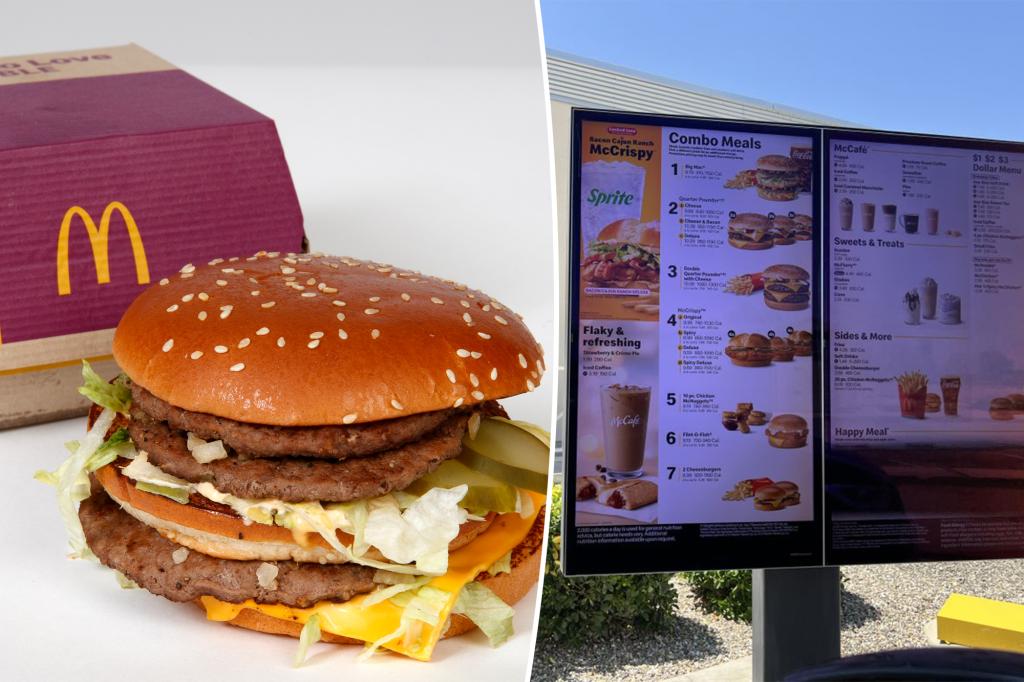
McDonald's U.S. President Joe Erlinger refutes claims that the company has significantly raised prices beyond inflationary rates, addressing concerns over reports of an $18 Big Mac meal. He clarifies that the average price of a Big Mac has only increased by 21% since 2019, from $4.39 to $5.29, due to inflationary pressures. Franchisees, who set their own prices, reflect the increased costs of running their businesses. McDonald's is planning promotions to counteract flat or declining traffic in its top markets.
McDonald's USA President Joe Erlinger addressed concerns over reports of high Big Mac prices, emphasizing that such instances are exceptions and not the norm. He noted that the average price of a Big Mac has risen by 21% since 2019, not the 100% suggested by some reports. McDonald's profits have surged by nearly a third since 2019, and the company plans to introduce $5 combo meals to reinforce its value brand image amidst inflation and "greedflation" criticisms. Pricing is set by franchisees, with the $18 Big Mac being an outlier in a high-income area.
McDonald's USA President Joe Erlinger addressed concerns over reports of an $18 Big Mac meal, stating it is an exception and not the norm. He emphasized that the average Big Mac price is $5.29, up 21% since 2019, and that franchisees set prices based on increased operational costs. Amid rising fast food prices, McDonald's plans a $5 meal promotion to attract budget-conscious customers, as some Americans reduce fast-food consumption due to cost concerns.
The National Owners Association, a group representing McDonald's franchisees, supports the company's new $5 value meal but calls for more corporate financial backing to ensure its sustainability. The group highlights the need for affordable options for both consumers and franchisees, suggesting menu innovations to keep costs low. McDonald's has noted significant cash flow increases for U.S. franchisees since 2018 but declined to comment on the letter.
McDonald's reports overall sales and earnings growth for the fourth quarter, but notes that tensions in the Middle East have negatively impacted its business in the region, leading to a 0.7% growth in its licensed markets business. The company provided financial assistance to franchisees affected by the turmoil, and its stock fell slightly in premarket trading. McDonald's largest market, the United States, saw a 4.3% sales increase, but overall revenue for 2023 grew 10% compared to the previous year. CEO Chris Kempczinski expressed confidence in the resilience of the business amid ongoing macro challenges.
Domino's Pizza, the largest pizza company in the world, generates only a small portion of its revenue from selling pizza directly to customers. Instead, the majority of its revenue, around 60%, comes from its supply chain business. While Domino's owns only 1% of its 20,000 locations, it has incentivized franchisees to choose its supply chain by sharing profits with them. This strategy has led to high adoption rates among U.S. and Canadian stores and a stellar franchisee retention rate. As a result, Domino's expects to open over 1,100 new franchised locations annually through 2028, driving high-margin fees and royalties. This unique business model positions Domino's for strong growth and potential market-beating returns for investors.
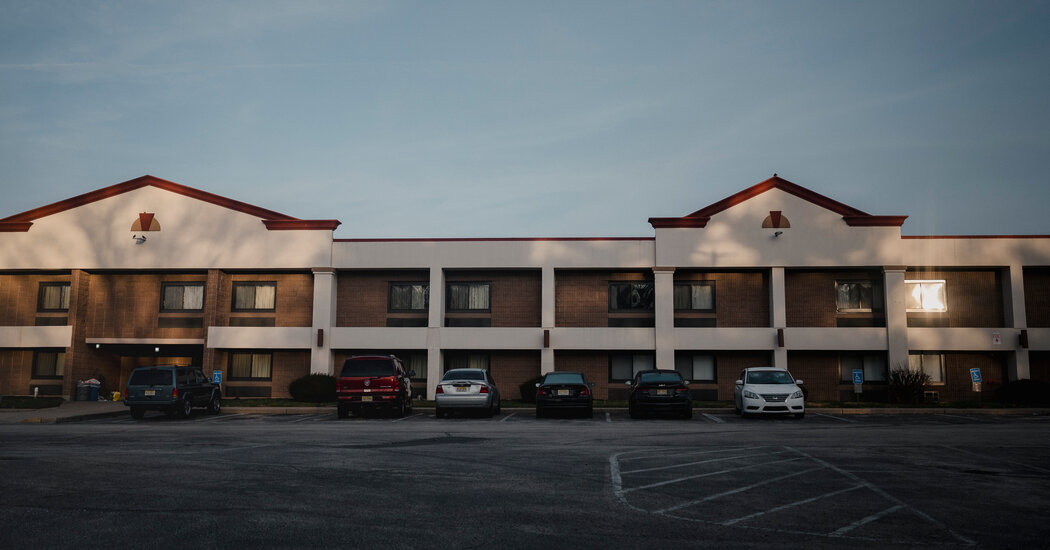
Franchise owners of Choice Hotels are pushing back against the company's attempted merger with rival Wyndham Hotels, citing concerns about reduced competition and potential harm to their businesses. The Asian American Hotel Owners Association conducted a survey revealing that 77% of respondents believed the merger would negatively impact their hotels. Franchisees argue that consolidation in the industry has already tilted the balance of power in favor of brand owners, leaving them with fewer options and less leverage to demand better services at lower costs. The opposition from hotel owners could pose a hurdle for Choice Hotels as it seeks approval from the Federal Trade Commission for the merger.
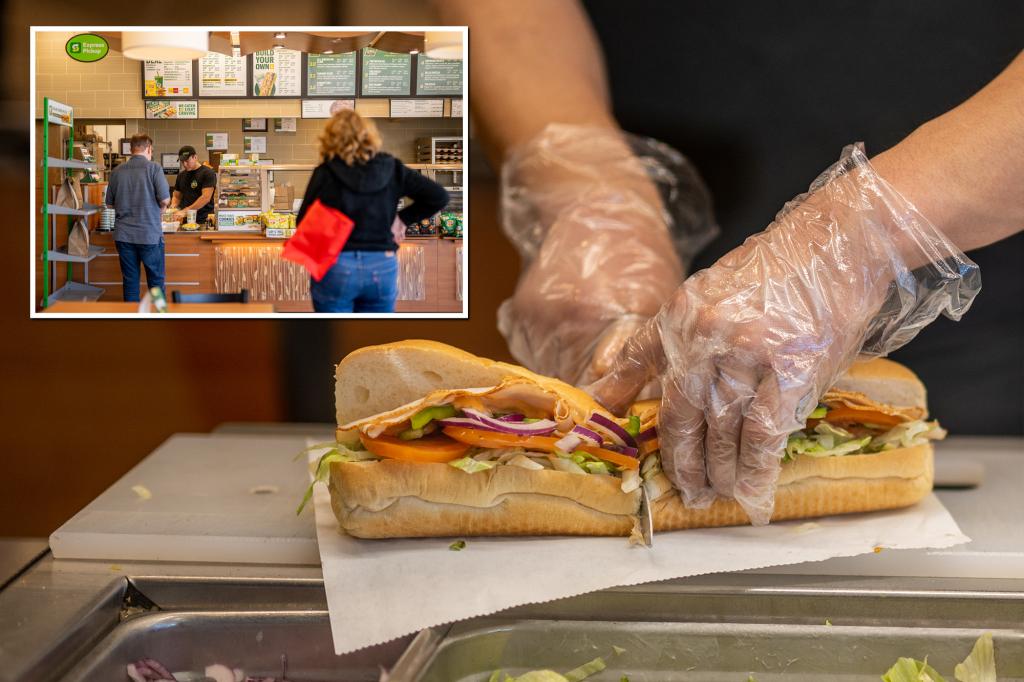
Subway is mandating its franchisees to honor digital coupons and promotions, including discounted sandwiches, starting December 28, despite many struggling to survive. This move could potentially impact the Federal Trade Commission's (FTC) ongoing antitrust probe into Subway's $10 billion sale to private equity firm Roark Capital. Previously, promotions like Subway's $5 footlong deals were optional, but making them mandatory raises questions about the independence of store operators. The FTC is concerned about the merger's impact on competition, particularly with Roark's chains like Arby's. Many franchisees are opposed to the mandate, citing thin profit margins and declining foot traffic.
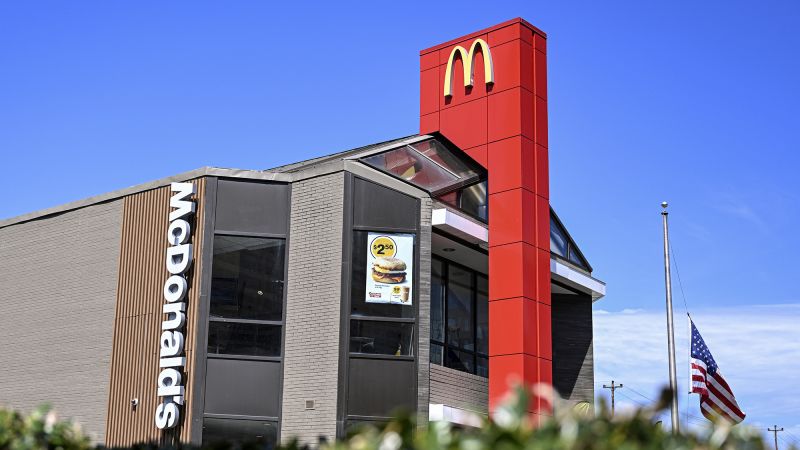
McDonald's is increasing royalty fees for new franchisees in North America for the first time in 30 years, raising the fee to 5% starting January. The move aims to help the company maintain its competitive edge. Previously, the royalty fees in the US and Canada were at 4%. McDonald's stated that the average cash flows for US franchisees have increased by over 35% in the past five years. The company has over 38,000 locations worldwide, with over 90% of them owned and operated by independent local business owners.
McDonald's is increasing its royalty fees for new franchised restaurants from 4% to 5%, starting January 1, 2022, marking the first hike in nearly 30 years. Existing franchisees maintaining their current footprint or buying from another operator will not be affected, nor will rebuilt existing locations or restaurants transferred between family members. The change will impact new franchisees, buyers of company-owned restaurants, relocated restaurants, and other scenarios involving the franchisor. McDonald's U.S. President Joe Erlinger stated that the move aims to redefine success and emphasize the value of the McDonald's brand. The company's relationship with its U.S. operators has been strained in recent years, but despite the turmoil, McDonald's U.S. business is thriving, with domestic same-store sales growing 10.3% in the most recent quarter.
The National Owners Association (NOA), representing McDonald's franchisees, has criticized California's recently-passed AB 1228 as "draconian" and costly. The legislation raises the minimum wage for fast-food workers to $20 per hour and establishes a council to govern fast-food chains. The NOA claims that the projected annual cost of $250,000 per McDonald's restaurant cannot be absorbed by the current business model. They have called on McDonald's to direct potential price increases towards operational improvements and research and development. The NOA also alleges that a small coalition of franchisors negotiated a deal with the Service Employees International Union without franchisee involvement. The passage of AB 1228 could potentially lead to similar efforts in other states. McDonald's has stated that it worked to protect owner/operators' ability to make decisions for their businesses and is piloting innovative solutions in response to the legislation.