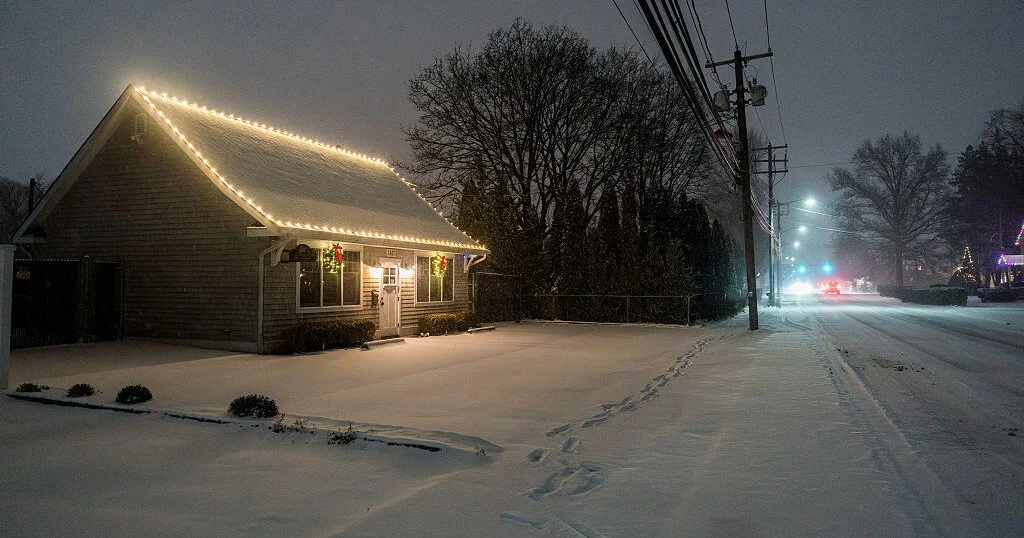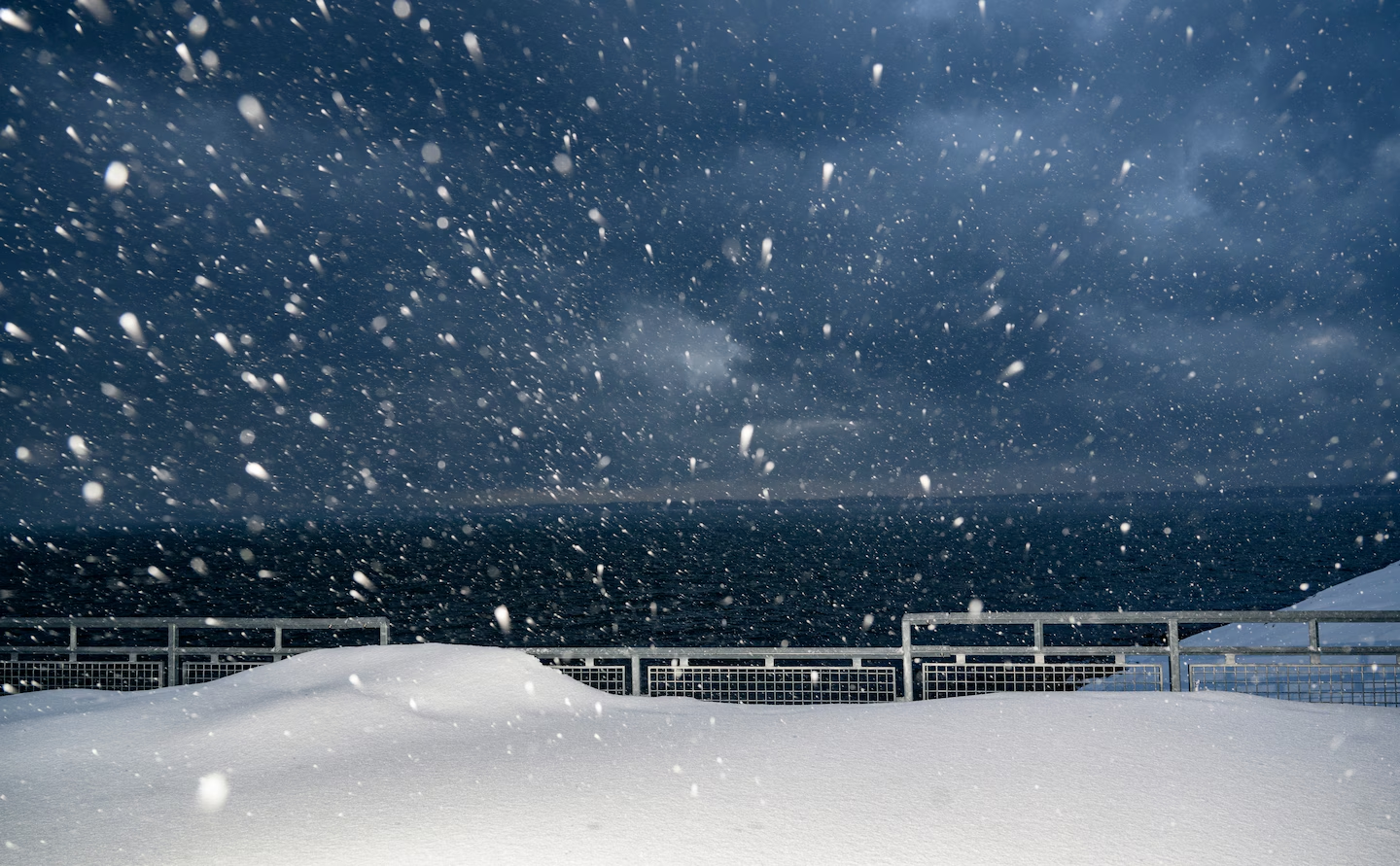
A powerful winter storm is forecasted to develop into a 'bomb cyclone' over the Great Lakes and Northeast, bringing heavy snow, ice, high winds, and potentially severe weather conditions across major metropolitan areas, with some regions expecting up to 10 inches of snow and wind gusts reaching 75 mph.
A major winter storm caused over 2,700 flight cancellations and delays across the Northeast and Great Lakes, with hazardous travel conditions, snow, ice, and cold temperatures affecting millions, prompting emergency declarations and warnings for severe weather impacts.
Water levels in the Great Lakes are declining amid increased water consumption from new data centers, raising concerns about environmental sustainability and community impacts, despite some legal and economic arguments in favor of the developments.
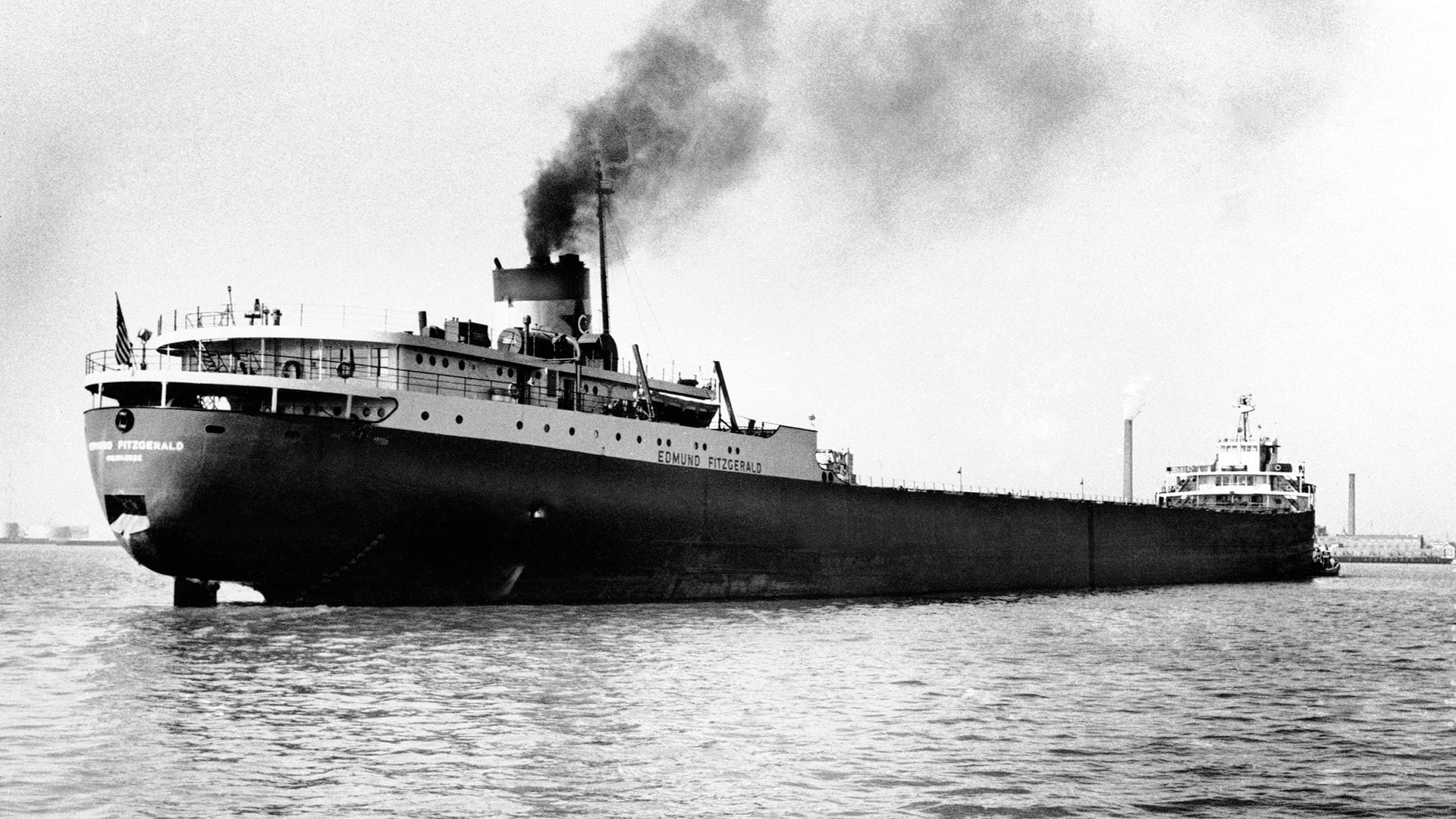
The 50th anniversary of the sinking of the SS Edmund Fitzgerald has sparked a cultural resurgence, with the shipwreck becoming a meme and symbol of nostalgia, driven by social media, music, and public interest, despite ongoing mysteries about its sinking.
The article explores surprising facts about the sinking of the Edmund Fitzgerald, including its status as a 'rock star' ship before the tragedy, the dangerous nature of Great Lakes storms, the crew's last-minute decisions influenced by bonuses and personal reasons, the accidental recording of the famous song about the wreck, and the fact that families no longer focus on how the ship sank but have become a close-knit community.
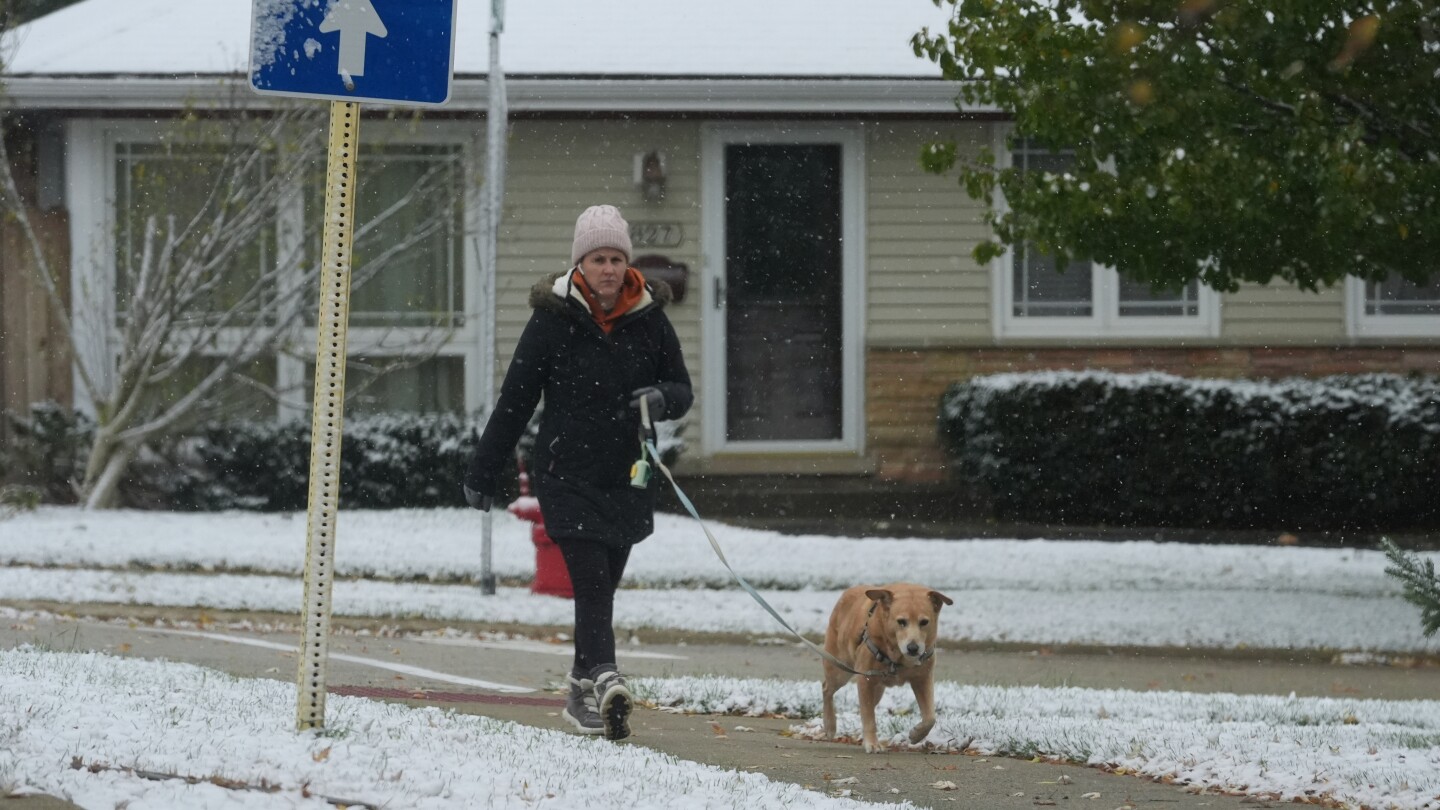
A severe Arctic blast has caused over a foot of snow in the Great Lakes region, creating dangerous travel conditions and record cold temperatures across much of the US, including potential early-November lows in southeastern states and Florida, but the cold snap is expected to be short-lived with temperatures rebounding by midweek.
A significant winter storm is impacting the U.S., with heavy snow expected in the Great Lakes region and cold temperatures across the South, leading to hazardous travel conditions and winter warnings.
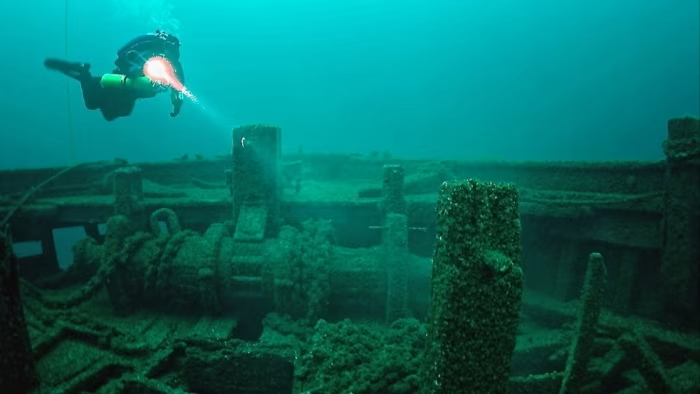
The Great Lakes, despite their calm appearance, are dangerous waters with over 6,000 shipwrecks, now increasingly being discovered due to better technology and the invasive quagga mussel, which makes wrecks more visible but also threatens their preservation. These wrecks serve as underwater museums, revealing stories of maritime history, immigrant journeys, and industrial past, with many still undiscovered.
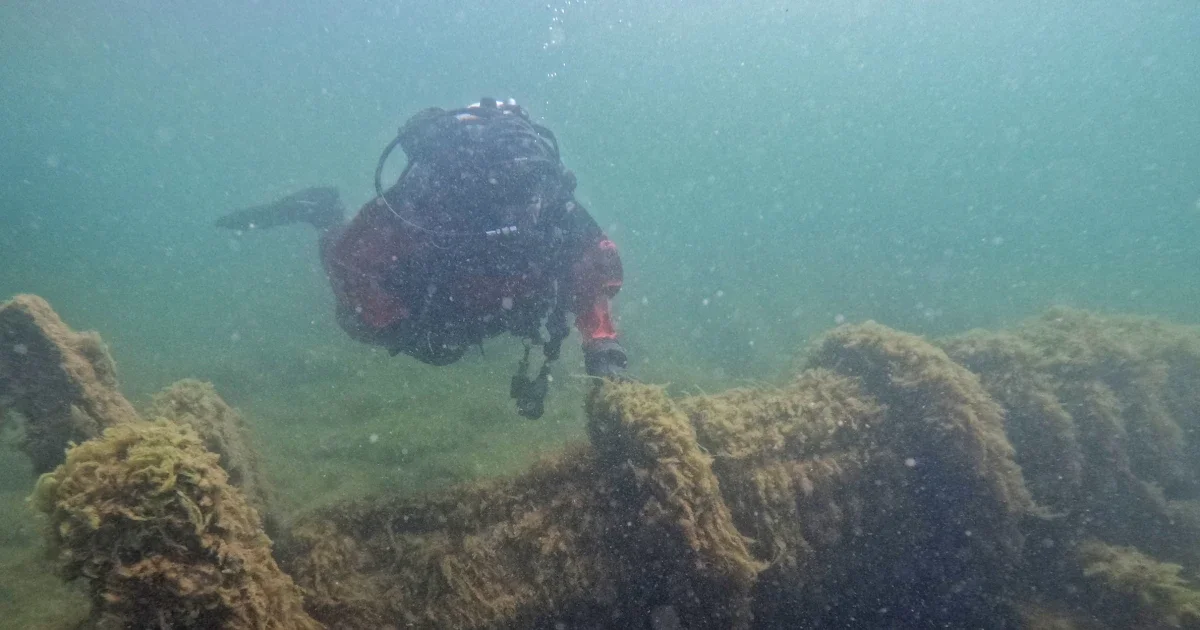
A Wisconsin boater discovered the long-lost 1867 shipwreck of the Frank D. Barker in Lake Michigan, which had been stranded on Spider Island after running aground in 1887. The shipwreck, largely intact despite weathering, was confirmed through archaeological efforts, marking a significant historical find after 138 years. The discovery was personally meaningful for the boater, who shared the experience with his son.
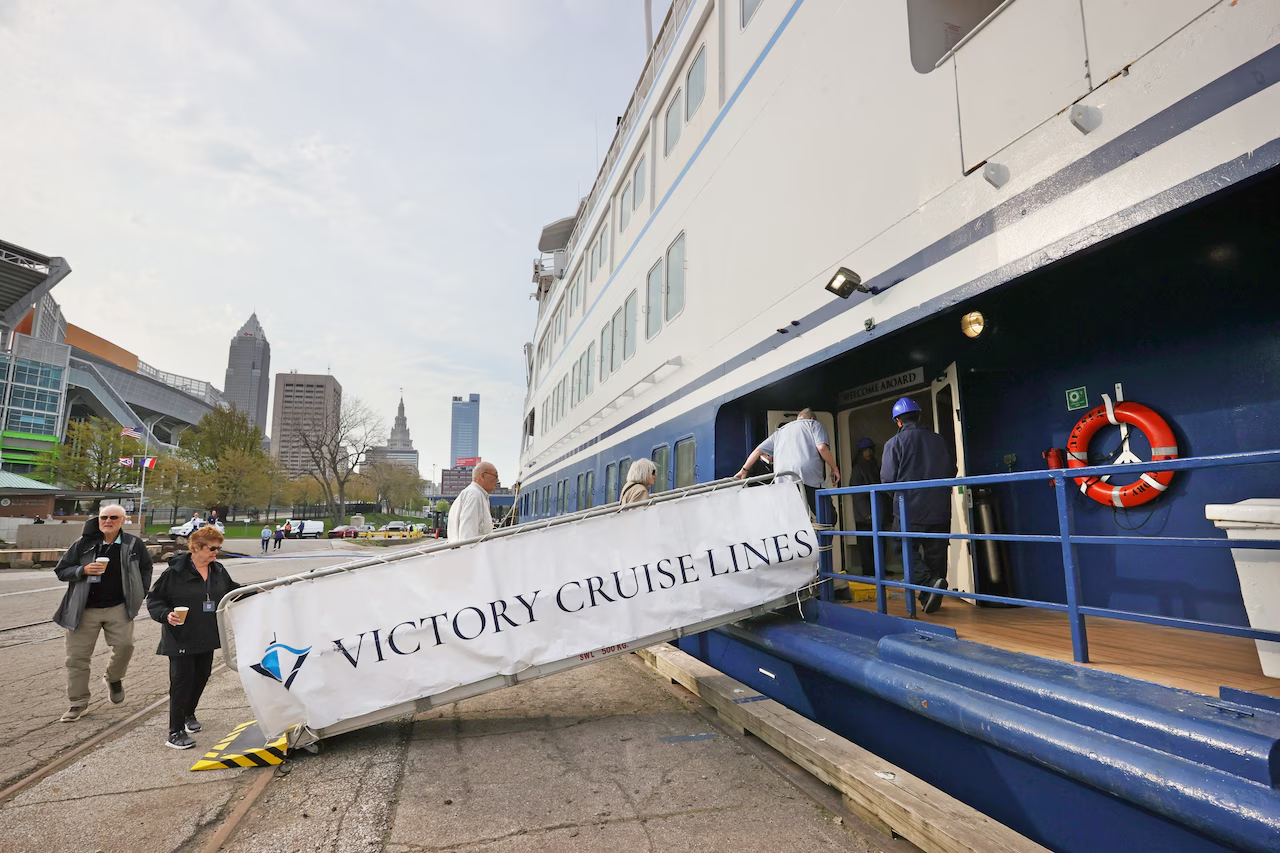
U.S. Customs and Border Patrol removed 13 crew members with valid work visas from cruise ships docked in Detroit as part of an ongoing operation on the Great Lakes, with authorities not disclosing further details.
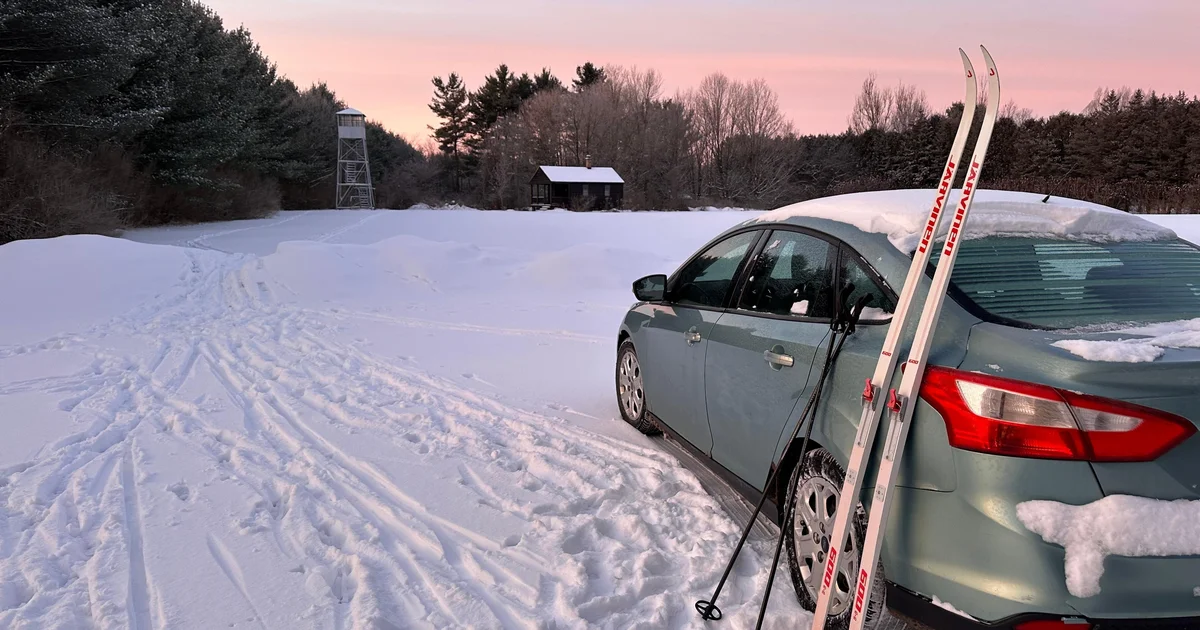
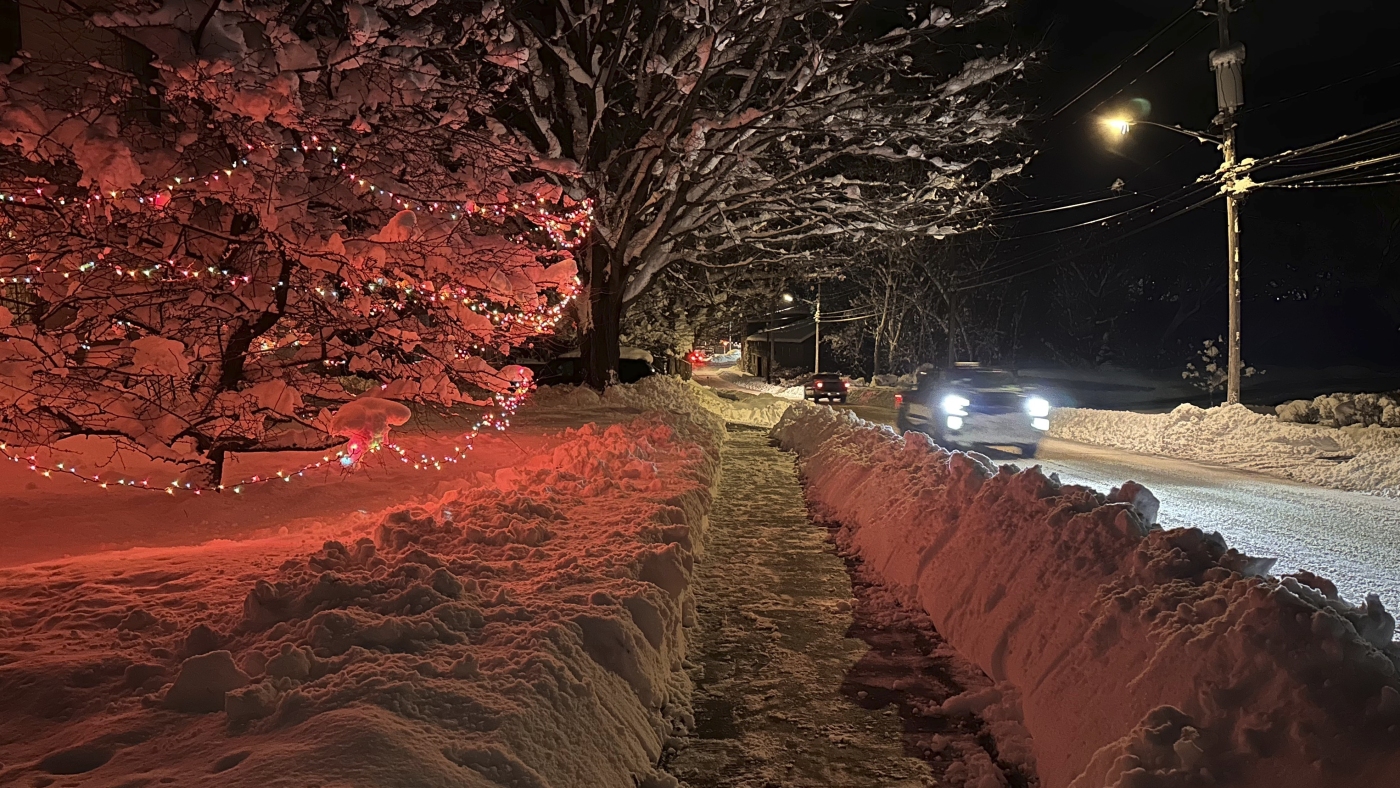
The Great Lakes region experienced a significant snowfall after an Arctic outbreak from Canada, ending a previous snowfall deficit. In less than a week, areas near the lakes received three to five feet of snow.
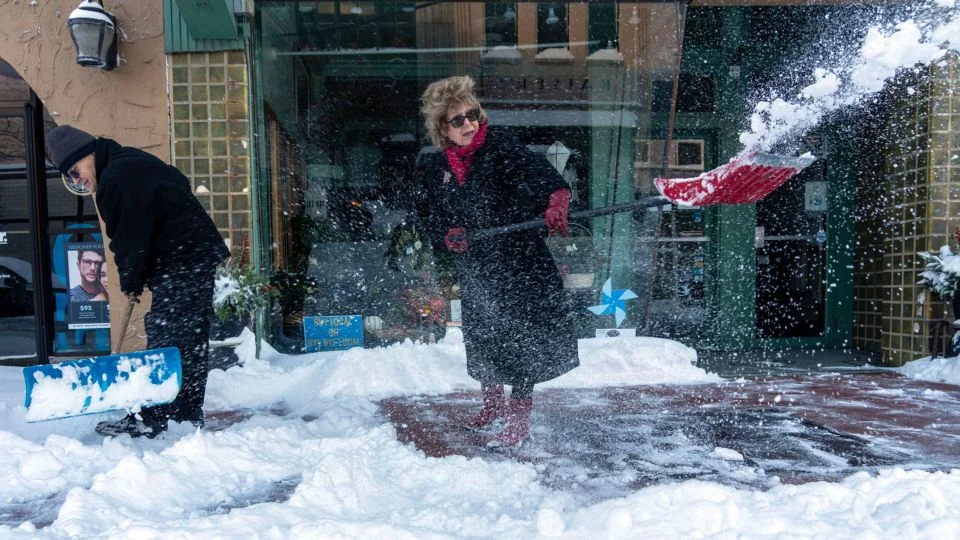
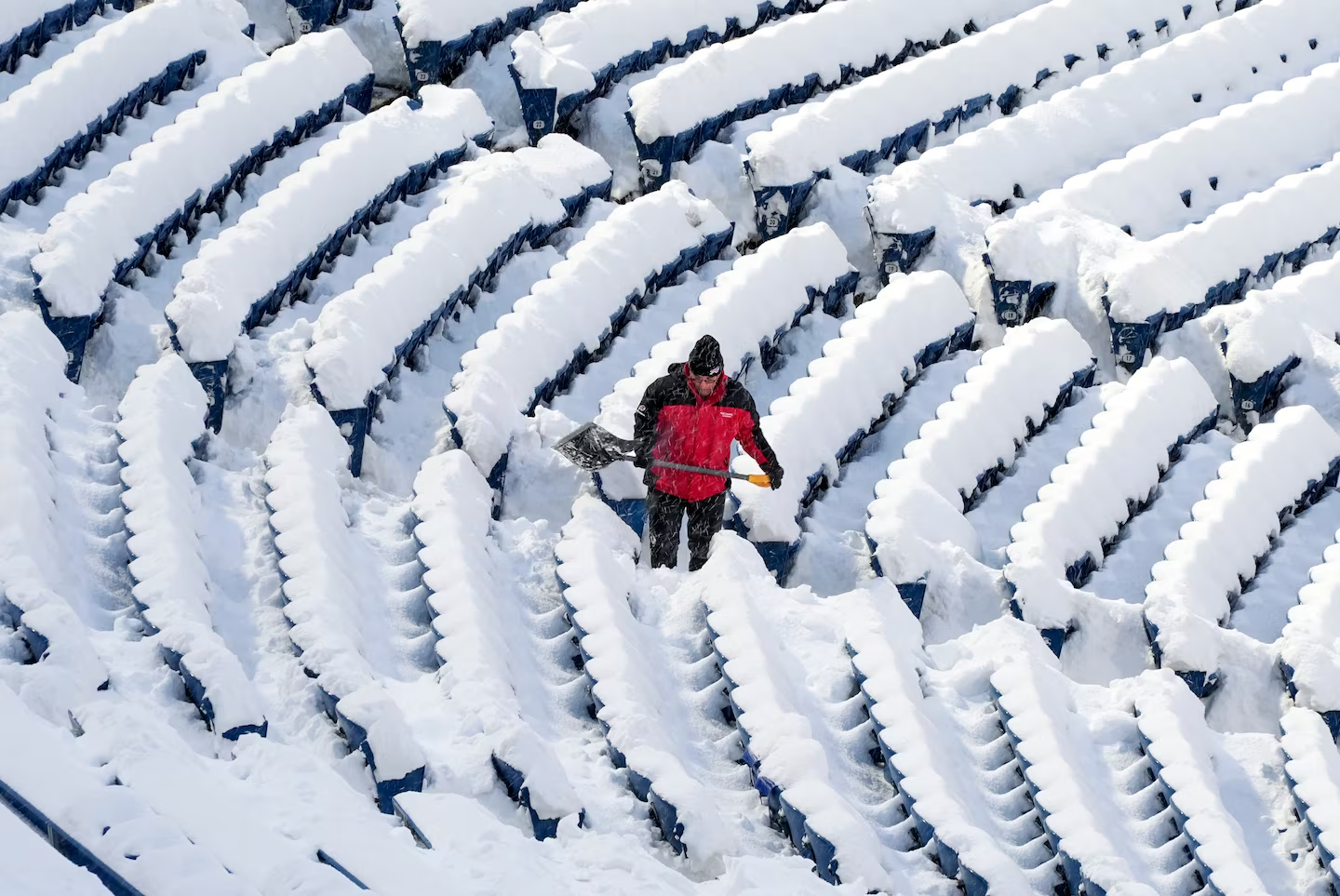
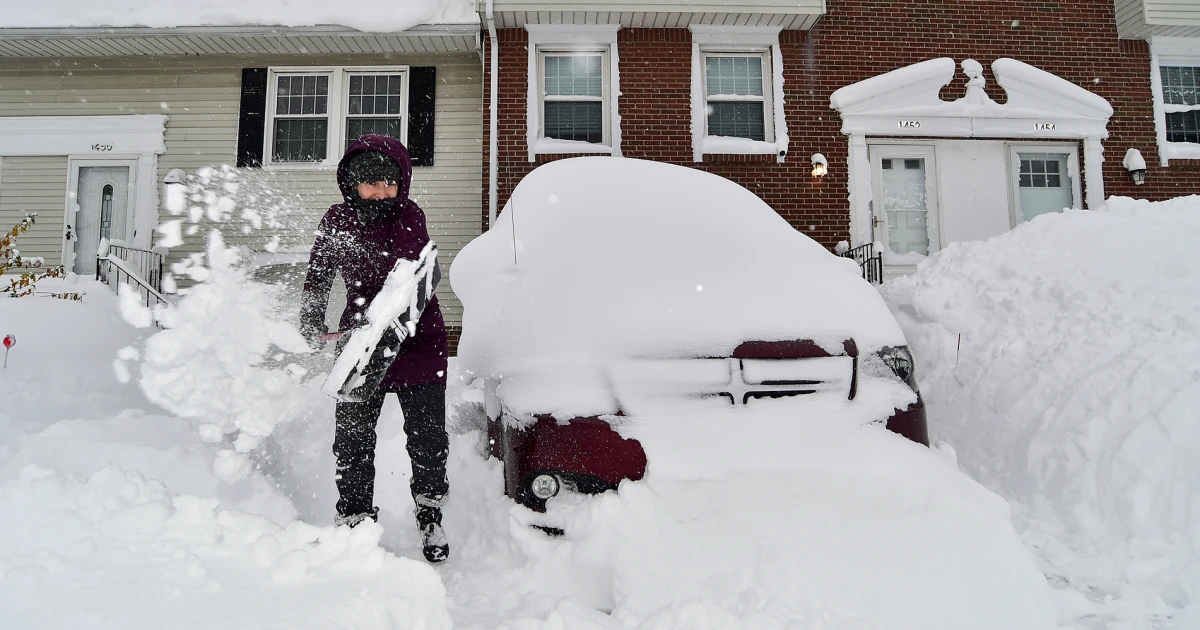
A severe snowstorm continues to impact the Northeast, with lake effect snow dumping up to 46 inches in some areas, particularly in New York and Pennsylvania. Emergency declarations have been issued as snowplows struggle to clear roads, and travelers face significant disruptions. The National Weather Service warns that the "paralyzing" conditions will persist through Monday, with additional snowfall expected.
An Arctic blast is causing severe winter weather across the northern U.S., affecting post-Thanksgiving travel with heavy snow and dangerously cold winds. Approximately 7 million people are under winter alerts in states like Wisconsin, Michigan, Ohio, Pennsylvania, and New York. Lake effect snow is creating hazardous travel conditions, with some areas expecting up to 60 inches of snow. The National Guard has been deployed in parts of New York, and travel advisories are in place as temperatures remain significantly below average.
A major snowstorm hit parts of the U.S. during a busy holiday travel weekend, leading to states of emergency in New York and Pennsylvania. The storm, which brought nearly 2 feet of snow to some areas, caused hazardous travel conditions, road closures, and forced people to seek shelter in hotels. The National Weather Service warned of continued heavy snow and cold temperatures in the Great Lakes, Plains, and Midwest regions. The storm also set new snowfall records in parts of Michigan, benefiting local ski resorts.
A powerful storm system originating from the Great Lakes has dumped up to two feet of snow across parts of the Northeast and Midwest, with forecasts predicting additional snowfall in the coming days. The severe weather has disrupted travel and daily activities in affected regions.