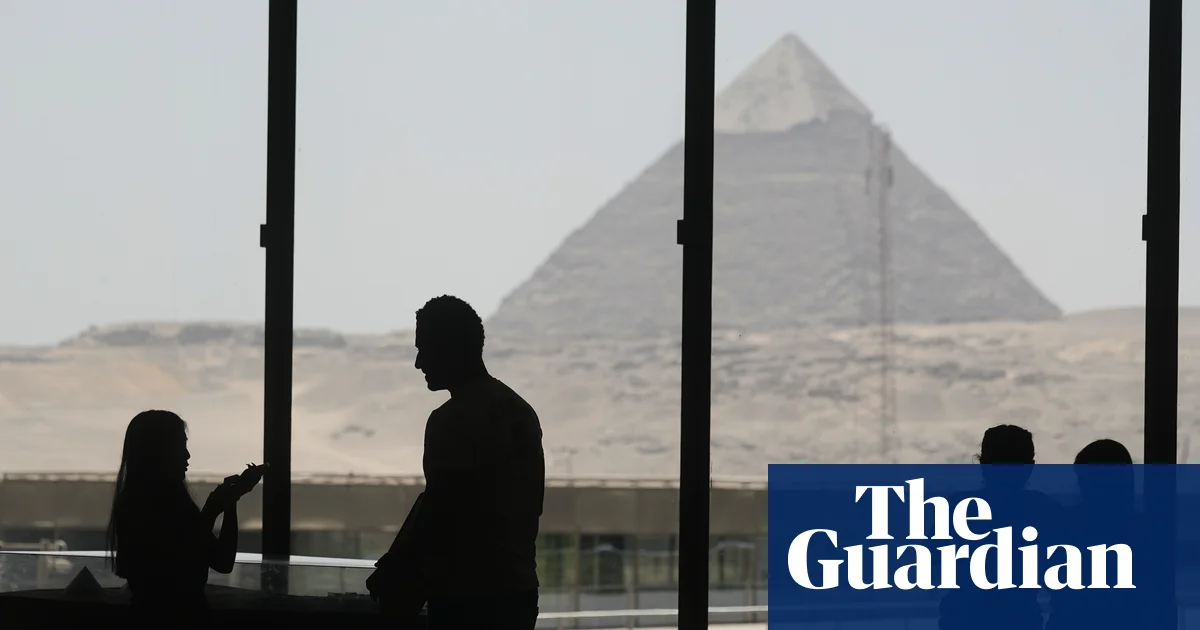
Egypt opened the $1 billion Grand Egyptian Museum near Giza, housing over 100,000 artifacts and aiming to boost tourism to 30 million visitors annually by 2031, marking a significant cultural and economic milestone for the country.
Egypt's Grand Egyptian Museum, the world's largest archaeological museum dedicated to a single civilization, is set to open near Cairo after two decades of construction delays. It houses over 50,000 artifacts, including ancient treasures like Ramesses II's colossus and Khufu's boat, and features modern multimedia exhibits aimed at engaging younger generations. The museum is part of Egypt's broader efforts to boost tourism and economic growth, despite recent challenges related to artifact security. The opening is expected to attract significant international attention and visitors.
Egyptian police raided Giza, killing two terrorists linked to the Muslim Brotherhood-affiliated Hasm Movement, which has been involved in attacks against Egyptian officials and is designated as a terrorist organization by the US and UK. The group, active mainly between 2016 and 2019, is suspected of planning renewed attacks from Turkey, according to Egyptian authorities.
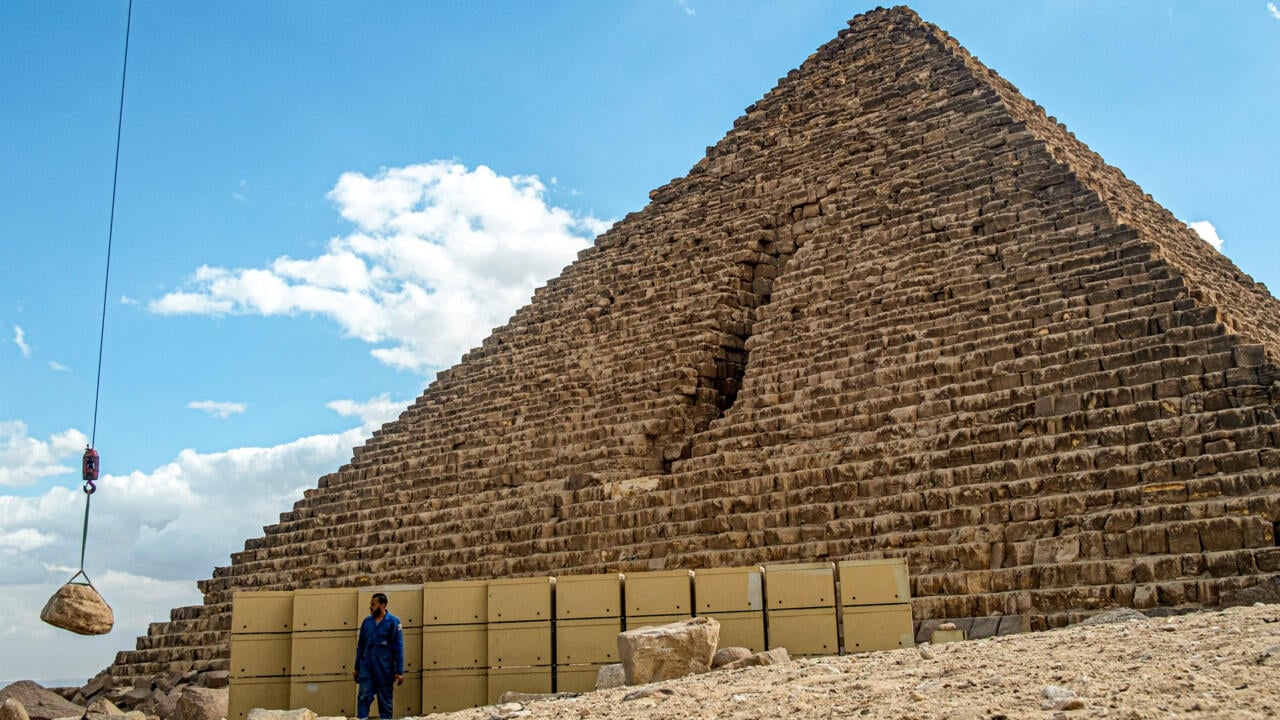
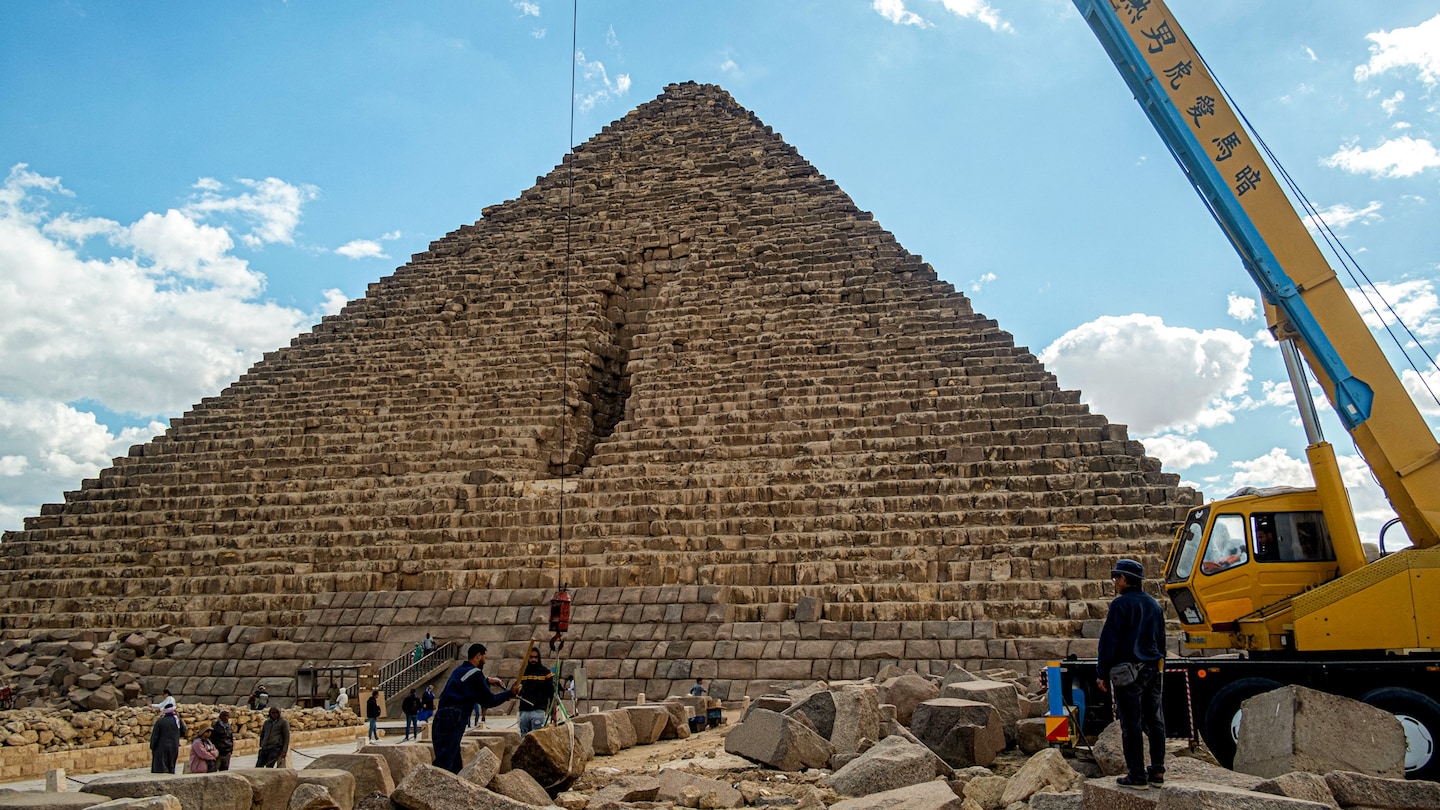
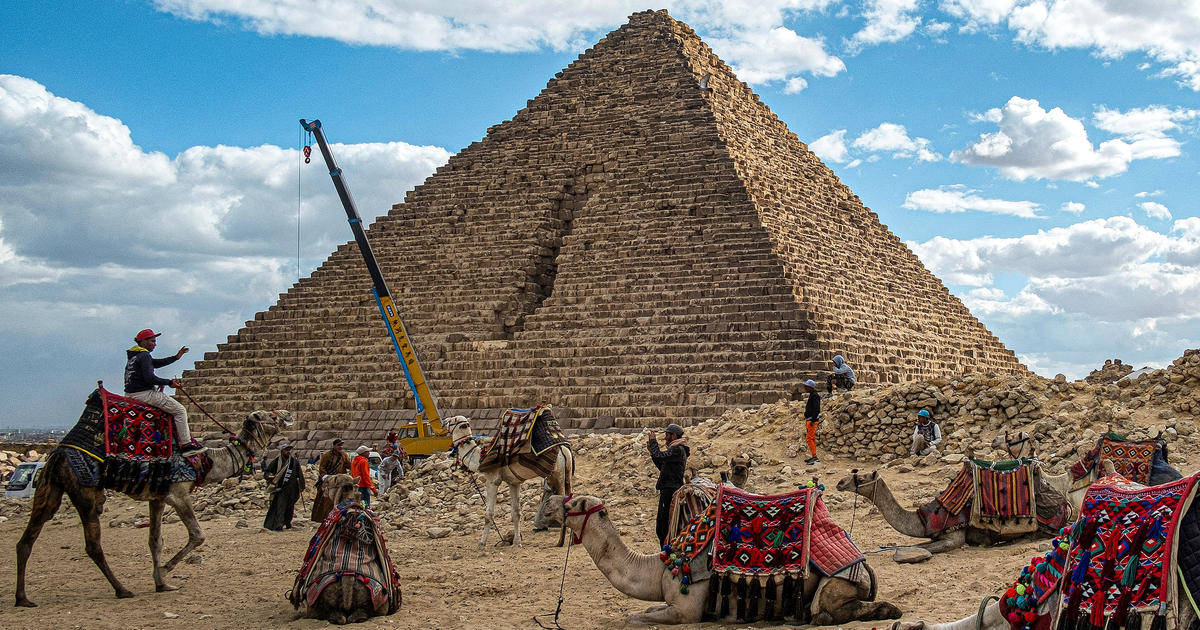
Egypt's antiquities ministry has announced the formation of a committee to review the restoration of Giza's Menkaure Pyramid following public outcry over a video showing workers setting blocks of granite on the base of the pyramid. The committee, chaired by well-known Egyptian archaeologist Zahi Hawass and including experts from the Czech Republic, Germany, and the United States, will assess the project and coordinate with UNESCO. The renovation aims to restore the pyramid's original style by reconstructing its granite base, but has sparked concerns about the preservation of its historic fabric.
The announcement of a restoration project for the Pyramid of Menkaure at Giza has sparked concerns among archaeologists, who argue that the endeavor lacks scientific basis and risks compromising the ancient wonder. Critics fear that the attempt at restoration is more akin to desecration and a bid to attract tourists, rather than a legitimate archaeological inquiry. The project, which aims to restore the pyramid's granite exterior, has drawn sharp criticism online and from experts, who stress the importance of preserving the pyramid's historical and archaeological significance. UNESCO has requested more information about the project, while a group of archaeologists has labeled it as "entirely unscientific" and accused its proponents of tampering with Egyptian antiquities.
Archaeologists in Egypt have begun a massive project to restore the outer casing of the smallest of Giza's three pyramids, the pyramid of King Menkaure, to its original state. The project aims to reinstall hundreds of granite blocks that once covered the pyramid, using modern methods such as photogrammetry and laser scanning for study and documentation. While some experts have expressed concerns about the project, the team plans to carefully excavate and reinstall the blocks over the course of about three years, with hopes of uncovering additional antiquities in the process.