Tag

Iron Age

All articles tagged with #iron age

Ancient Hjortspring Boat's Baltic Origins and Seafaring Secrets Unveiled

Originally Published 29 days ago — by Archaeology News Online Magazine

Featured image for Ancient Hjortspring Boat's Baltic Origins and Seafaring Secrets Unveiled
Source: Archaeology News Online Magazine

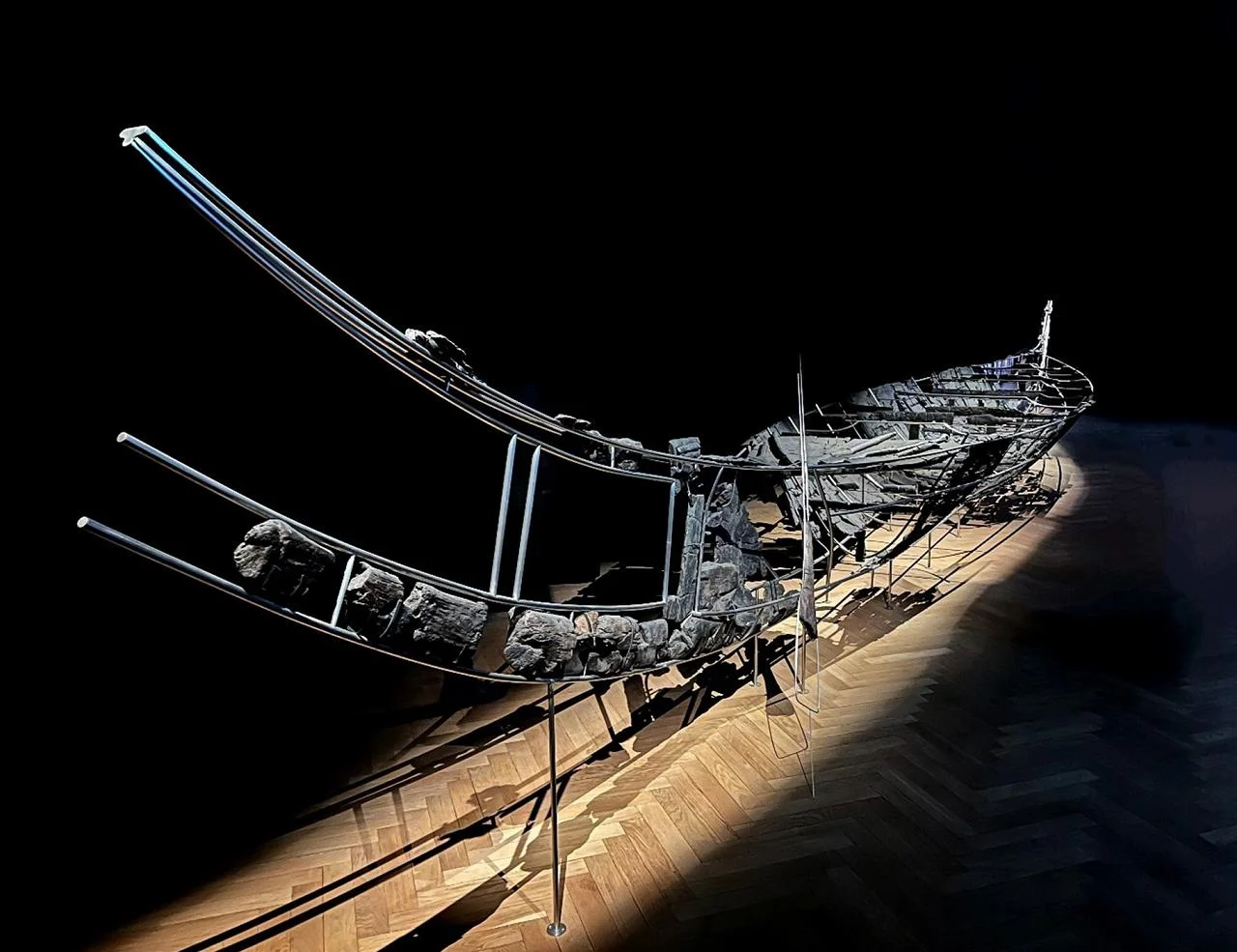
A recent study of the 2,000-year-old Hjortspring boat reveals its Baltic origins, sophisticated Iron Age shipbuilding, and evidence of organized maritime activity in Scandinavia long before the Viking Age, including a rare human fingerprint from its construction.

Ancient Georgia Discovery Sheds Light on Iron Age Origins

Originally Published 3 months ago — by Arkeonews

Featured image for Ancient Georgia Discovery Sheds Light on Iron Age Origins
Source: Arkeonews

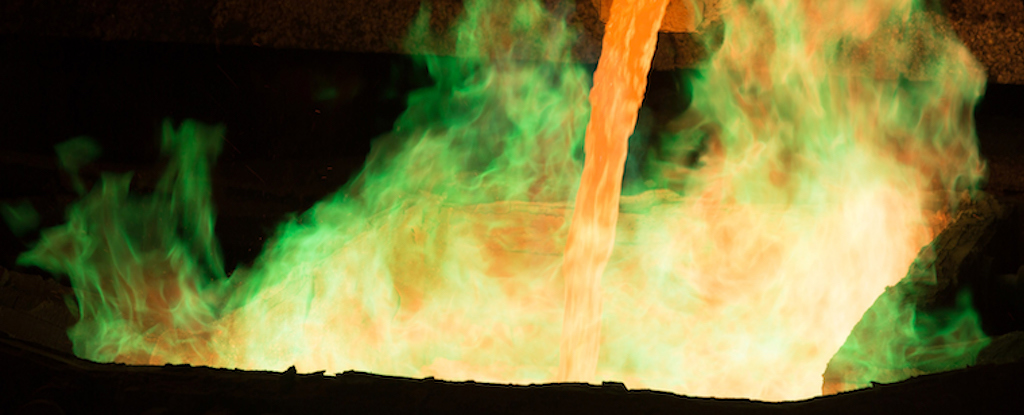
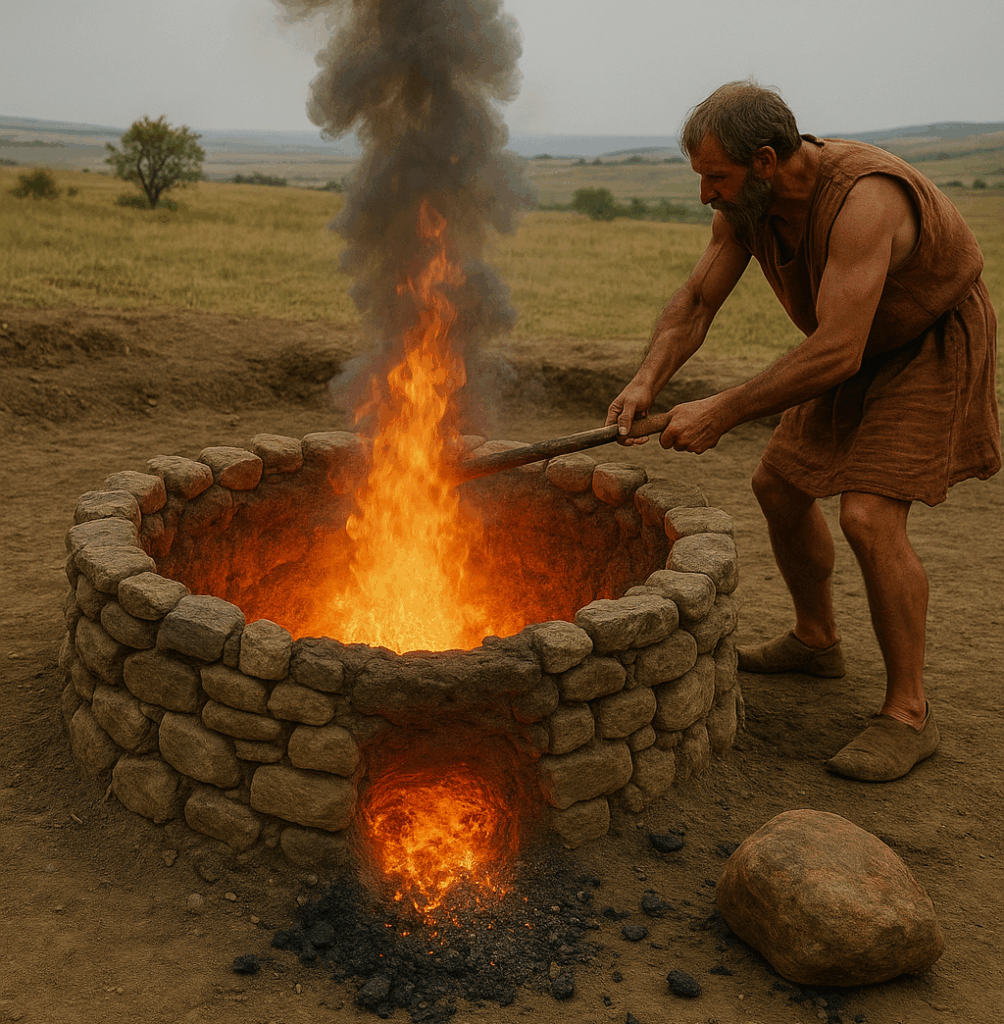
A study from Georgia's Kvemo Bolnisi site reveals Bronze Age metallurgists were experimenting with iron oxides as flux in copper smelting, indicating an early understanding of iron's properties that may have contributed to the development of iron smelting technology, predating 500 BC.

Ancient Copper Smelting Site Unveils Origins of the Iron Age

Originally Published 3 months ago — by The Debrief

Featured image for Ancient Copper Smelting Site Unveils Origins of the Iron Age
Source: The Debrief

A reanalysis of 3,000-year-old artifacts from Kvemo Bolnisi, Georgia, suggests that early copper smelters experimented with iron oxides as flux, which may have inadvertently laid the groundwork for the development of true iron smelting and the Iron Age, challenging the idea of a sudden technological breakthrough.

Ancient Psychoactive Plant Use Caused Hallucinations 2,700 Years Ago

Originally Published 4 months ago — by Earth.com

Featured image for Ancient Psychoactive Plant Use Caused Hallucinations 2,700 Years Ago
Source: Earth.com

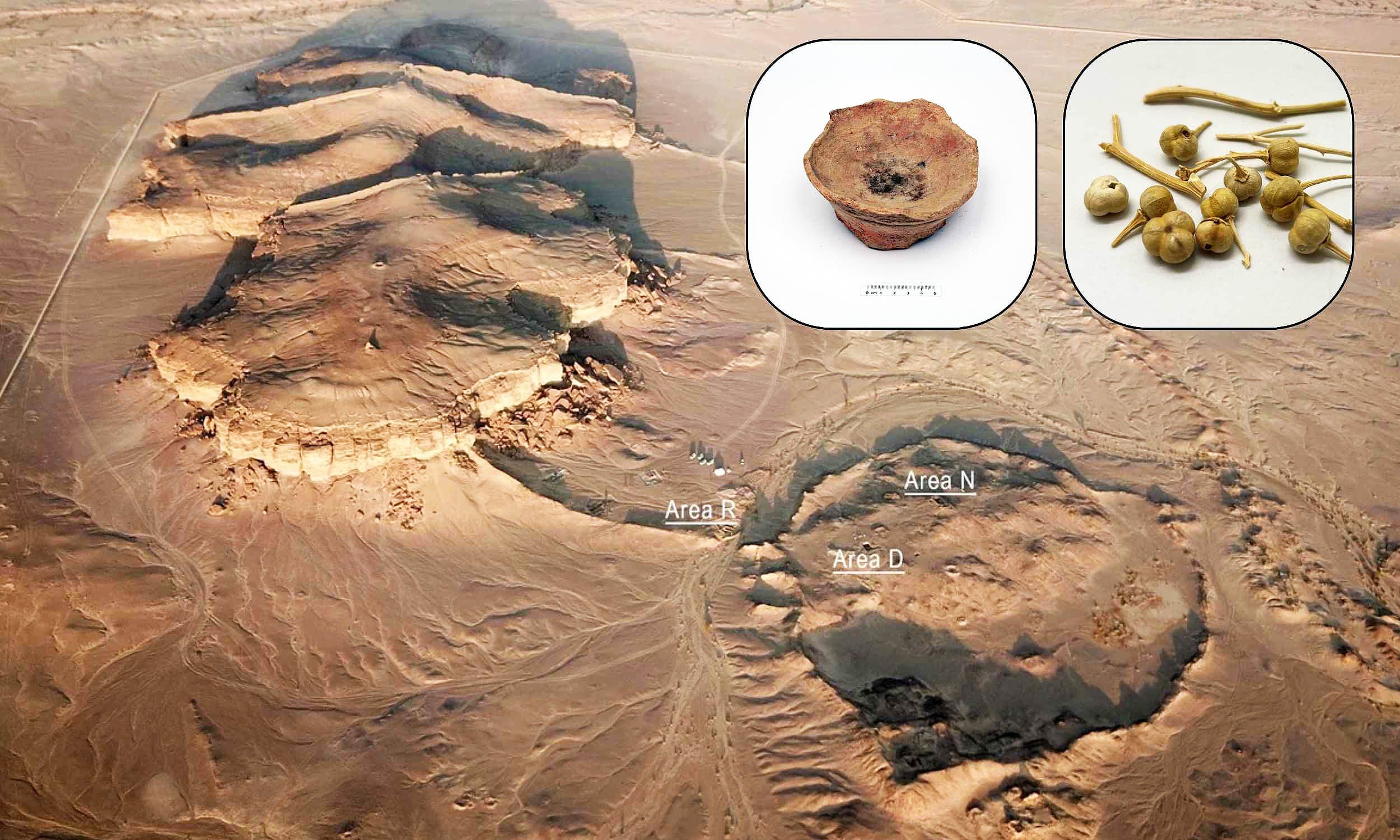
Analysis of ancient household burners from Qurayyah in Saudi Arabia reveals that people 2,700 years ago used smoke from Peganum harmala seeds for health and mood management, marking the earliest known use of harmala for psychoactive purposes globally, with evidence suggesting routine domestic use rather than ritualistic.

Archaeologists Discover Rare Iron Age Ceremonial Wheel in Scotland

Originally Published 6 months ago — by Indian Defence Review

Featured image for Archaeologists Discover Rare Iron Age Ceremonial Wheel in Scotland
Source: Indian Defence Review

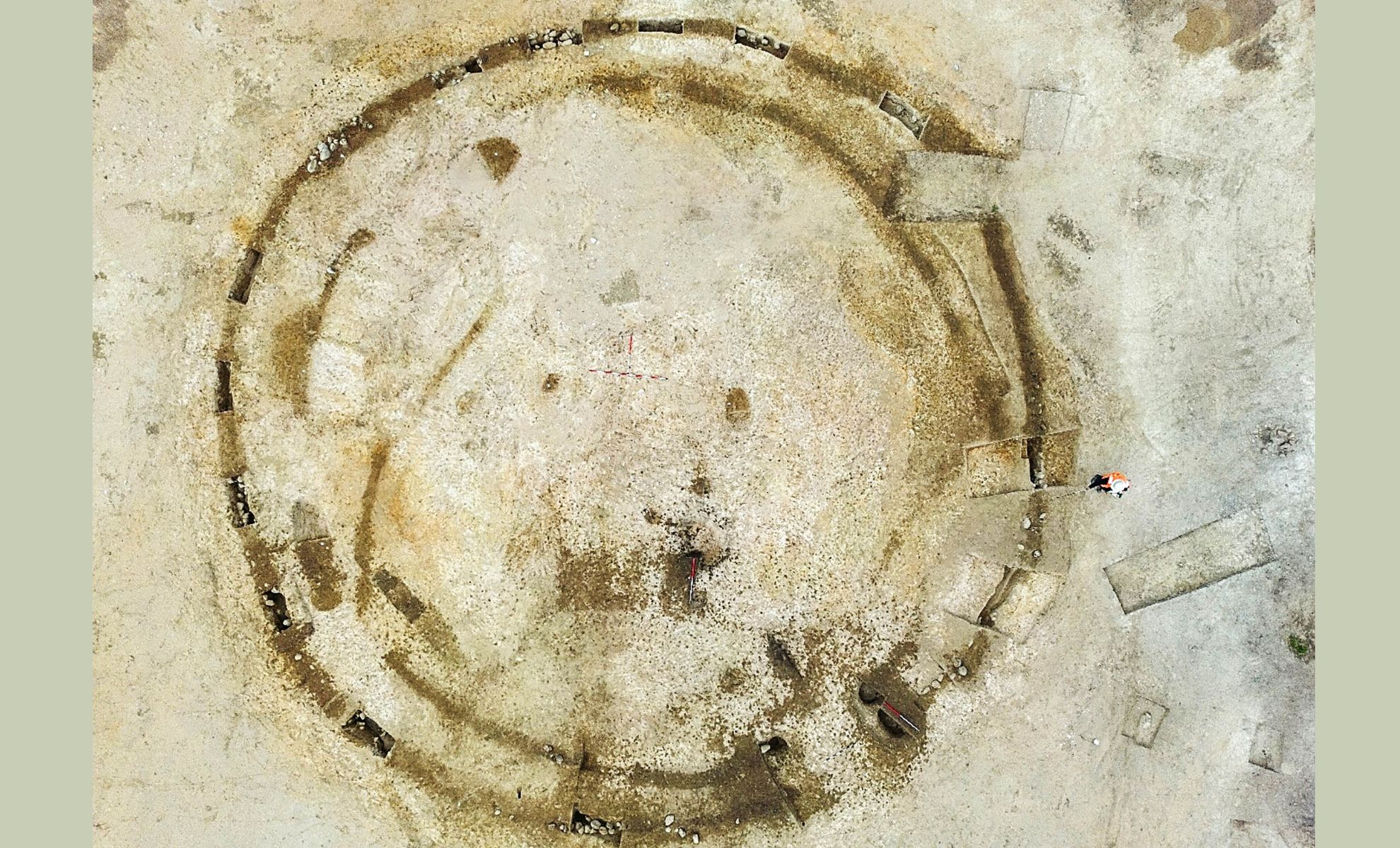
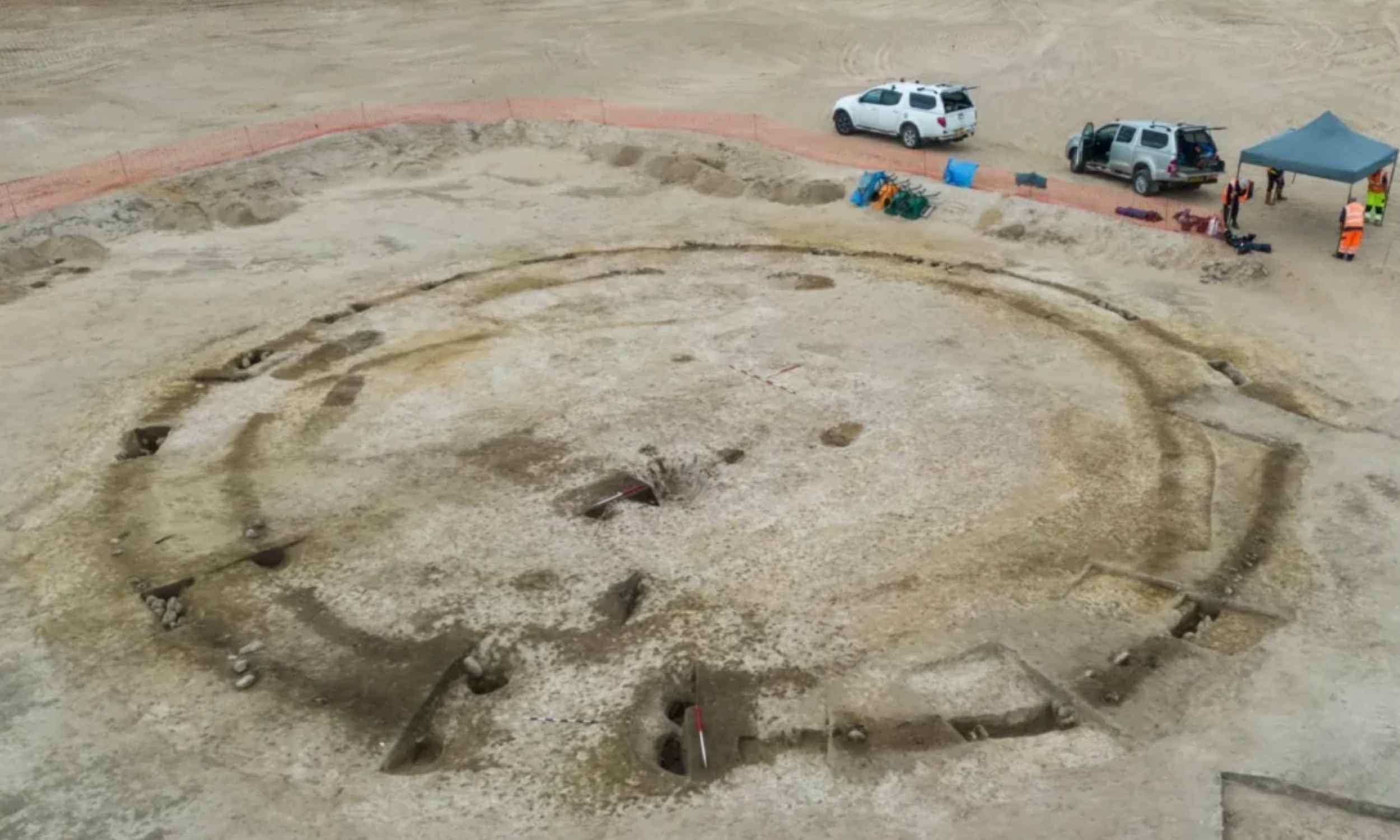
Archaeologists in Inverness, Scotland, discovered a rare Iron Age ceremonial wheel, likely part of a high-status burial, shedding new light on ancient Highland societies' social and ritual practices. The well-crafted iron tire, found near cremated remains and a prehistoric palisade circle, suggests complex craftsmanship and social hierarchies, challenging previous understandings of Iron Age Scotland.

"Iron Age Infant with Down's Syndrome Identified Through Advanced DNA Testing"

Originally Published 2 years ago — by BBC.com

Featured image for "Iron Age Infant with Down's Syndrome Identified Through Advanced DNA Testing"
Source: BBC.com

Researchers have identified an Iron Age infant with Down's syndrome and the first prehistoric person with mosaic Turner syndrome using a new DNA testing method that measures the amount of chromosomes in ancient human cells more precisely. The study, conducted by the University of York, the Francis Crick Institute, the University of Oxford, and Oxford Archaeology, revealed that these chromosomal abnormalities have been present in human history for over 2,000 years. The individuals tested lived across various time periods, and the research sheds light on how sex, gender, and diversity were perceived in past societies.

Ancient Child's Shoe Found with Intact Laces: A Remarkable Archeological Find

Originally Published 2 years ago — by CNN

Featured image for Ancient Child's Shoe Found with Intact Laces: A Remarkable Archeological Find
Source: CNN

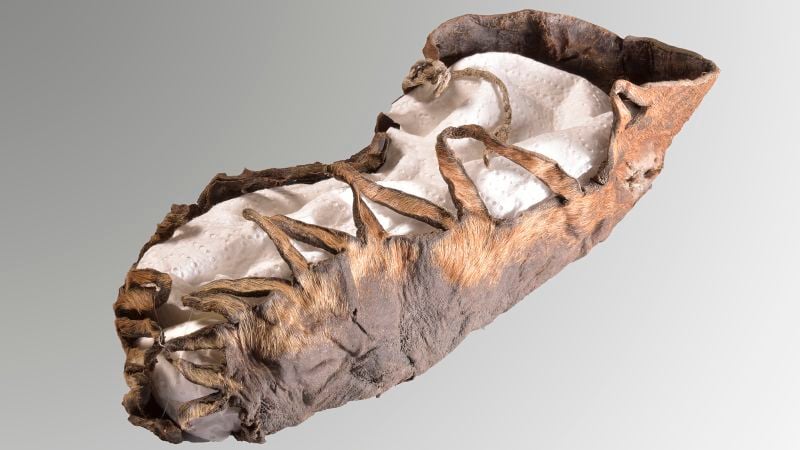
Archaeologists in Austria have unearthed a 2,000-year-old child's shoe with its laces still intact. The leather shoe, believed to have been made in the 2nd century BC, was found in the village of Dürrnberg, known for its rock salt mining. The shoe's preservation is attributed to the salt's ability to keep organic remains in good condition. The discovery provides valuable insights into the lives of Iron Age miners and highlights the presence of children in underground mining activities.

"Remarkable Discovery: Ancient Gold Necklaces Unearthed by Spanish Water and Waste Workers"

Originally Published 2 years ago — by CNN

Featured image for "Remarkable Discovery: Ancient Gold Necklaces Unearthed by Spanish Water and Waste Workers"
Source: CNN

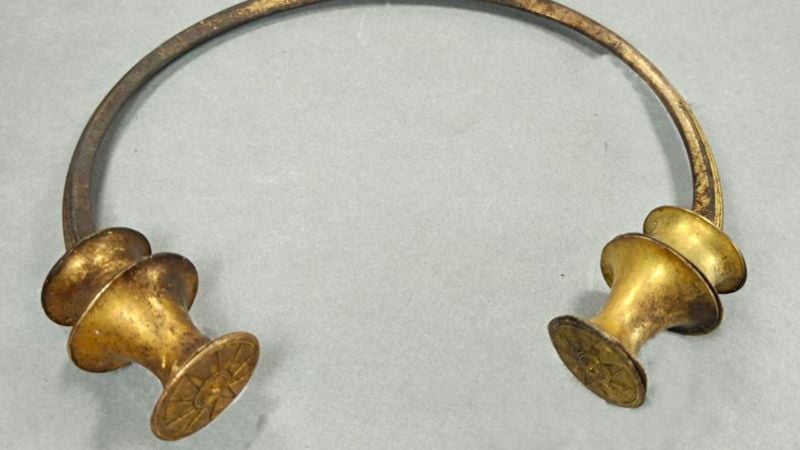
Two gold necklaces dating back around 2,500 years have been discovered in northwestern Spain by a water company worker. The find, which includes a broken necklace, provides valuable insights into the Iron Age and the craftsmanship of that era. Unlike previous discoveries, the intact site offers precise information about the context of the necklaces. The objects show signs of wear, indicating their use by the upper echelons of society. The regional government of Asturias praised the worker for promptly reporting the find, which opens up new avenues for studying this emblematic type of jewelry from the Iron Age.

Unraveling Ancient Mediterranean Migration through Genetic Sequencing

Originally Published 2 years ago — by Phys.org

Featured image for Unraveling Ancient Mediterranean Migration through Genetic Sequencing
Source: Phys.org

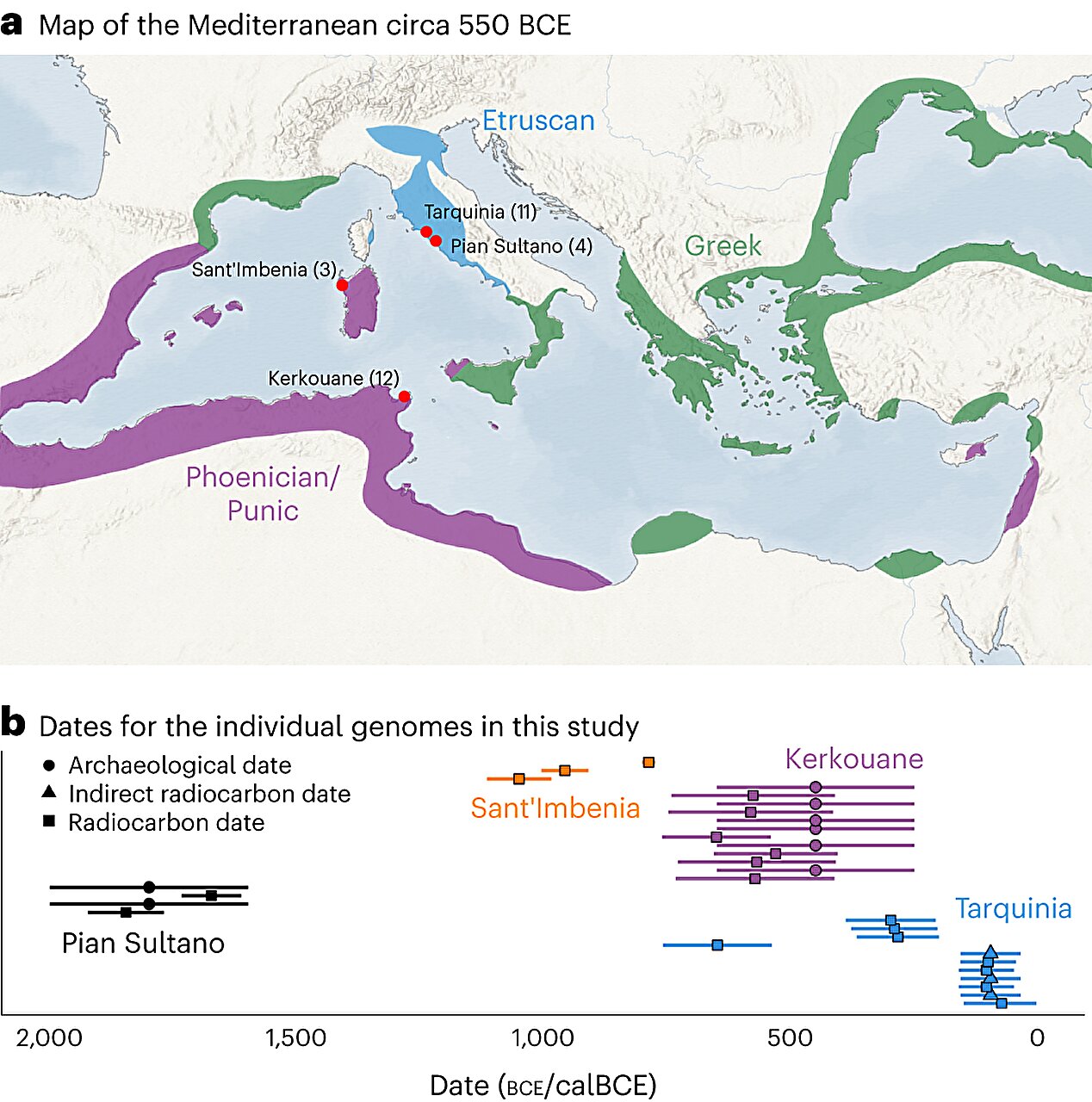
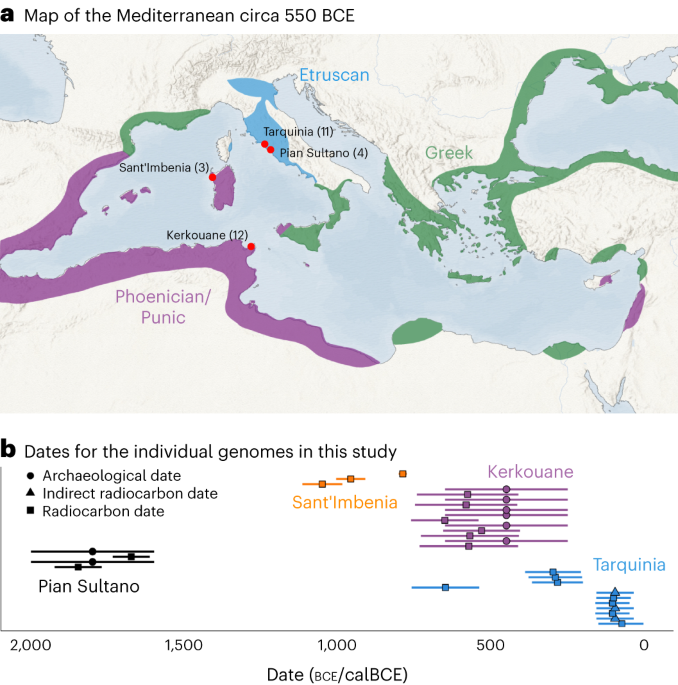
A study published in Nature Ecology & Evolution reveals new insights into the migration patterns of people living around the Mediterranean Sea during the Iron and Bronze Ages. By conducting genetic sequencing on the remains of 30 individuals from Italy, Tunisia, and Sardinia, researchers found evidence of widespread migration and strong ties between distant populations. The study also identified heterogeneity in Iron Age populations and shifts in ancestry in North Africa and Sardinia during the Bronze Age, suggesting increased migration from Morocco and Iran to Sardinia and Tunisia. The findings highlight the impact of migration on shaping the ancestry of Mediterranean populations during this time period.

Tracing Genetic Patterns in the Iron Age Mediterranean

Originally Published 2 years ago — by Nature.com

Featured image for Tracing Genetic Patterns in the Iron Age Mediterranean
Source: Nature.com

A study on the genetic history of the Iron Age central Mediterranean reveals patterns of continuity and mobility. The research, which analyzed ancient DNA from individuals across the region, found evidence of genetic continuity among populations in the central Mediterranean, as well as genetic contributions from different ancestral groups. The study sheds light on the complex population dynamics and interactions in the region during the Iron Age.

"Meteorite Iron Discovered in Arrowhead near Lake Biel, Switzerland"

Originally Published 2 years ago — by USA TODAY

Featured image for "Meteorite Iron Discovered in Arrowhead near Lake Biel, Switzerland"
Source: USA TODAY

A 3,000-year-old iron arrowhead discovered in Switzerland is believed to have been made from iron originating from a meteorite, according to researchers from the Natural History Museum Bern. The arrowhead, dating back to the Bronze Age, was found near Lake Biel and is 39 millimeters long and weighs 2.9 grams. The study confirmed that the arrowhead was made of meteoritic iron through interdisciplinary analysis. Iron was considered rare and precious during that time, and only 55 similar objects have been found in Eurasia and Africa. The arrowhead will be displayed at the Bern Historical Museum from February 2024 to April 2025.

"Unveiling the Iron Age Mystery: Female Warrior Discovered in Scilly Isles Grave"

Originally Published 2 years ago — by The Washington Post

Featured image for "Unveiling the Iron Age Mystery: Female Warrior Discovered in Scilly Isles Grave"
Source: The Washington Post

Scientists have determined that a 2,000-year-old grave discovered on an island off the southwestern tip of England likely belonged to a young female warrior leader. The grave contained both a sword, typically associated with male burials during the Iron Age, and a bronze mirror, associated with female burials. By analyzing proteins in dental enamel fragments, researchers established a 96% probability that the individual was female. The rich burial suggests that the woman held significance and likely commanded and led in warfare, shedding light on the societal structures of Iron Age Britain. The findings may help uncover more hidden female warriors in similar graves.

"Revealing the Hidden Identity: Ancient Iron Age Warrior Unveiled as Female"

Originally Published 2 years ago — by NBC News

Featured image for "Revealing the Hidden Identity: Ancient Iron Age Warrior Unveiled as Female"
Source: NBC News

A 2,000-year-old grave discovered on Bryher, one of the Scilly Isles off the coast of Britain, has been found to contain the remains of a female warrior. The burial, which included a sword and shield typically associated with male burials, as well as a mirror traditionally buried alongside women, offers insight into ancient British life. Tooth enamel analysis indicated with a 96% probability that the buried person was female. The findings suggest that women may have played an active role in military raids during the Iron Age, challenging previous assumptions about gender roles in ancient warfare.