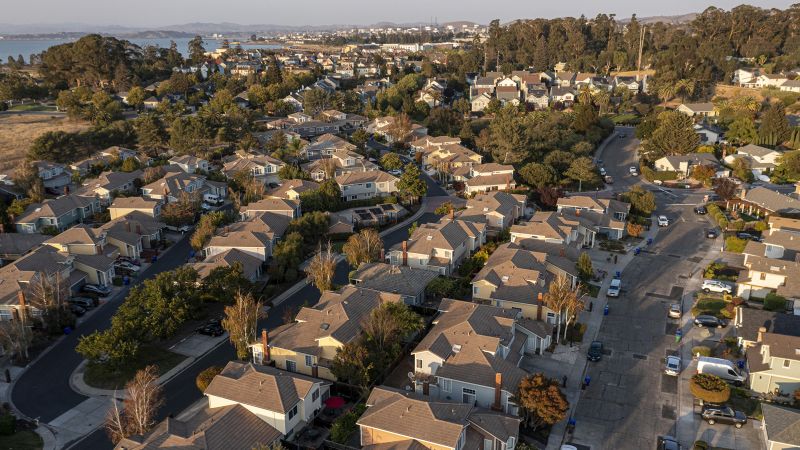
California lawmakers approved SB 79, a landmark bill that overrides local zoning laws to allow denser housing near transit hubs, aiming to address the state's housing shortage by enabling taller buildings in designated areas, though it faces opposition from some local officials and residents.
Some US states like Hawaii, Indiana, Michigan, and Delaware prohibit permanent RV living due to zoning and health codes, but others like Florida, Texas, Colorado, Arizona, and Oregon are more permissive, allowing RVs on private land with proper compliance. Many RV enthusiasts use loopholes or build around laws to live freely, and lawmakers are considering relaxing regulations to accommodate alternative housing options.
New York City is set to legalize accessory dwelling units (ADUs) as part of Mayor Eric Adams' "City of Yes" initiative to increase affordable housing. The reform aims to create 20,000 ADUs over 15 years by allowing tiny homes and converted spaces like garages and basements in certain neighborhoods. This move follows similar efforts in other cities to boost housing density without large apartment buildings. While some council members oppose the plan, it is expected to pass, with adjustments to zoning laws and building codes to facilitate ADU construction.
Orlando Capote has been fighting developers and the city of Coral Gables for over two decades to protect his parents' home, which is now surrounded by a million-square-foot complex. Despite facing code violations and fines, Capote refuses to sell his Mediterranean-style house, the last one left in the neighborhood, to developers. The struggle highlights the clash between property rights and real estate development in the area.
A judge in Georgia dismissed legal challenges against the zoning of Rivian's planned $5 billion electric vehicle (EV) plant, ruling that state-owned property is not subject to local zoning regulations. The plant, which aims to produce R2 vehicles and employ 7,500 people, faced opposition from local residents concerned about environmental and lifestyle impacts. Despite a recent dip in quarterly vehicle deliveries, Rivian's production numbers are up, and the company is set to reveal its fourth-quarter earnings in February. The state of Georgia has provided record-breaking incentives for the plant, which is the largest industrial announcement in the state's history.
Sapelo Island, one of America's last intact Gullah Geechee communities, is at risk due to revamped zoning laws that allow for larger homes, potentially leading to million-dollar properties and higher property taxes. This could price out current homeowners and threaten the cultural heritage of the community. The situation is seen as a battle of rich versus poor, with racial disparity playing a role as well. The descendants of the community are concerned about the future of their historic enclave.
Economists warn that residents who survived the wildfire in Lahaina, Hawaii, may not be able to afford to live there after it is rebuilt unless zoning laws are altered and other changes are made. Soaring housing prices have already forced many Native Hawaiians and longtime residents to leave the islands. The wildfire destroyed 86% of residential buildings in Lahaina, exacerbating the problem for survivors. The economic report suggests that market prices for new housing will far exceed the already high prices that existed before the fire, potentially pricing out locals. The reopening of West Maui on October 8 is expected to speed up recovery, but it is uncertain when displaced residents will be able to return and whether they can afford to do so.
Single-family zoning laws enacted in the early 1900s to protect homeowners and preserve neighborhood character have inadvertently contributed to the severe housing shortage in the US today. These laws, which restrict the construction of anything other than single-family homes in certain areas, have limited housing supply, raised prices, reinforced racial and class segregation, and hindered access to better schools and job opportunities. As a response to the housing crisis, some states and municipalities are rethinking their zoning laws, allowing for multi-family developments, accessory dwelling units, and affordable housing near transit lines. However, zoning reform alone is not enough to solve the problem, and additional policy changes, such as increased housing subsidies and protections for renters, are necessary to address housing affordability.
Officials in Washington state and Vermont have banned single-family zoning to prevent a housing crisis like San Francisco's. Municipal and state efforts are underway to tackle the nationwide housing crunch, including mandating greater residential density and allowing duplexes to be built nearly anywhere. Democrats and Republicans alike are heeding the alarm bell and trying a range of policies to avoid San Francisco's fate, including housing, zoning, and land use reforms. The lack of affordable housing is a primary driver of eviction and homelessness in California, where 30% of the nation's homeless population lives.
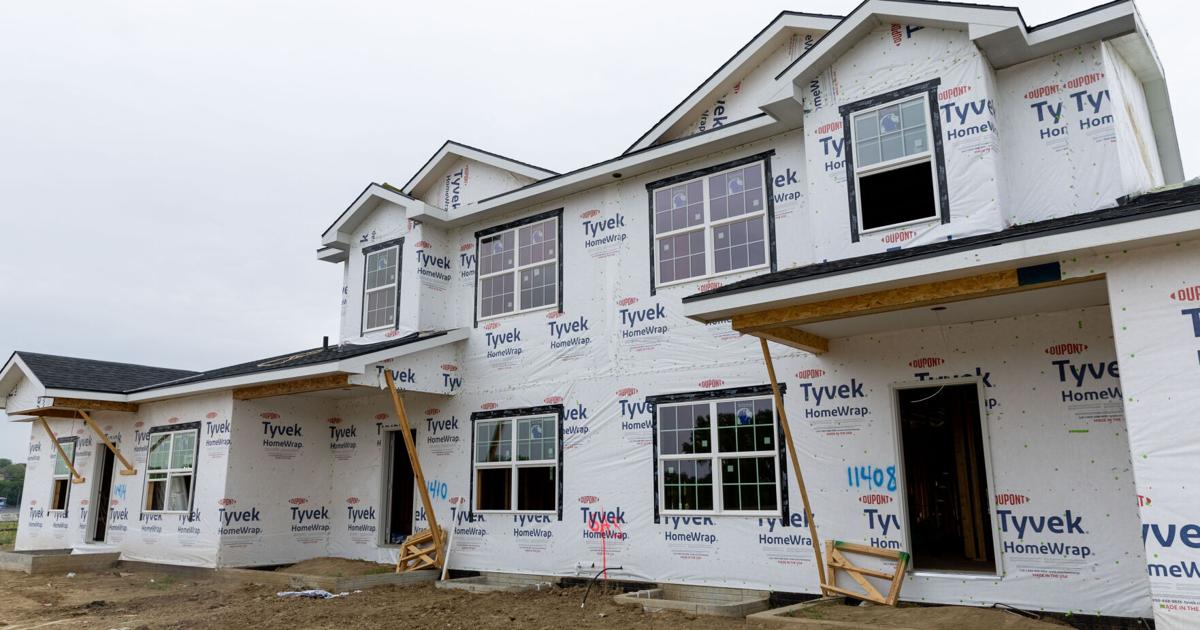
Builders in Omaha are constructing "missing middle" housing, which includes duplexes, townhouses, and other small-scale multi-unit or clustered housing types that are compatible in scale with single-family homes. These homes are cheaper to build and offer buyers a way to enjoy the benefits of homeownership at a lower price point. However, under Omaha's zoning laws, such housing is prohibited in 80% of Omaha neighborhoods, with zoning in most surrounding communities similarly restrictive. To spur more missing middle development, a statewide coalition tackling the state’s affordable housing crisis recently called for zoning changes across the region.
The Albuquerque City Council rejected a proposal to shift to a "council-manager" form of government, which would have weakened the mayor's powers. However, they did establish the Middle Rio Grande Housing Collaborative with Bernalillo County to focus on developing new housing in the Albuquerque metro. The council also passed an ordinance allowing property owners to build detached housing units in areas with single-family zoning, but the portion allowing duplexes in more parts of the city did not pass. The proposal to convert Tijeras and Marquette downtown to two-way roads also passed unanimously.
Sears was a pioneer in mail-ordered homes, selling between 70,000 and 75,000 houses before discontinuing its catalog in 1940. The retailer designed 447 different housing styles, shipped pieces for buyers to construct themselves or hire builders to do it. Today, the popularity of do-it-yourself, modest tiny homes is gaining traction in an era of shocking rent increases and low housing inventory. Maine recently became the first state to legally recognize tiny homes as a primary dwelling, and towns are altering zoning codes to comply with the new state law.
Nordstrom's decision to close two San Francisco stores is another blow to the city's struggling retail industry. The closures have been attributed to decreased foot traffic, the pandemic, and inadequate response to crime. City officials hope changes to zoning laws could promote a more diverse array of businesses in the empty retail floors. The loss of Nordstrom and other global brands hurts the city's sales tax base and labor force, and also the vitality of critical downtown streets where tourists flock, helping shape San Francisco's global reputation.
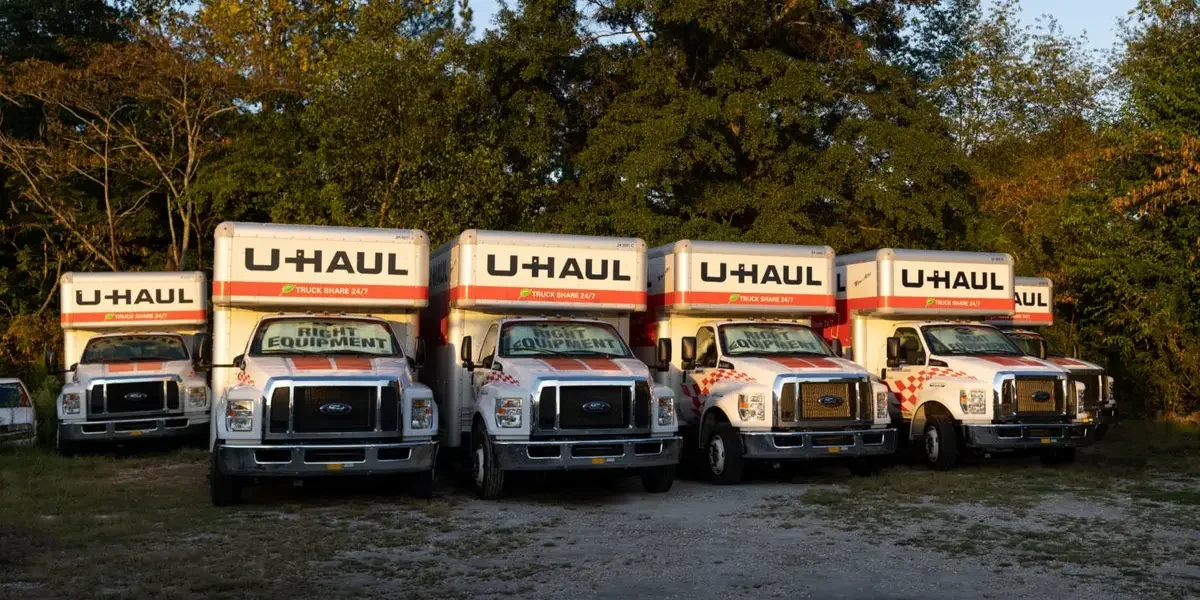
A South Carolina business owner was forced to lay off three of his five employees after the city changed zoning laws and ordered him to stop offering U-Haul rentals. The owner, Rafael Chinchilla, was threatened with "ruinous fines and jail time" if he did not comply. Chinchilla's use as a U-Haul rental business was grandfathered in, and the city should not violate South Carolina law to destroy it, according to the Institute for Justice.