Tag

Zero Emissions

All articles tagged with #zero emissions

Hawaii Reaches Historic Climate Settlement with Youth Activists

Originally Published 1 year ago — by The Guardian US

Featured image for Hawaii Reaches Historic Climate Settlement with Youth Activists
Source: The Guardian US

A group of young climate activists in Hawaii has secured a historic legal settlement requiring the state's Department of Transportation to aggressively pursue a zero-emission transportation system by 2045. The settlement, which is enforceable and overseen by the court, aims to fully decarbonize ground, sea, and inter-island air transportation. This victory is part of a broader youth-led legal strategy to address climate change and follows a similar win in Montana. The case highlights the significant role of transportation in greenhouse gas emissions and the importance of collaborative efforts in achieving climate goals.

Canada's Bold Move: Ending Gas-Powered Car Sales by 2035

Originally Published 2 years ago — by Electrek

Featured image for Canada's Bold Move: Ending Gas-Powered Car Sales by 2035
Source: Electrek

Canada is set to announce new regulations requiring all vehicles sold in the country to be zero-emissions by 2035, aiming to phase out fossil-fuel-burning vehicles. The regulations, known as the Electric Vehicle Availability Standard, aim to address the issue of long wait times for Canadian consumers by ensuring sufficient supply of electric vehicles (EVs) in the market. The rules will gradually increase the percentage of new car sales that must be battery electric, hydrogen, or plug-in electric vehicles, reaching 100% by 2035. Automakers can earn credits based on EV sales and investments in charging infrastructure. The move puts pressure on automakers to accelerate EV production and could prevent the release of 430 million tonnes of greenhouse gas emissions.

California and Truck Makers Forge Historic Agreement to Phase Out Gas-Powered Trucks by 2036

Originally Published 2 years ago — by Jalopnik

Featured image for California and Truck Makers Forge Historic Agreement to Phase Out Gas-Powered Trucks by 2036
Source: Jalopnik

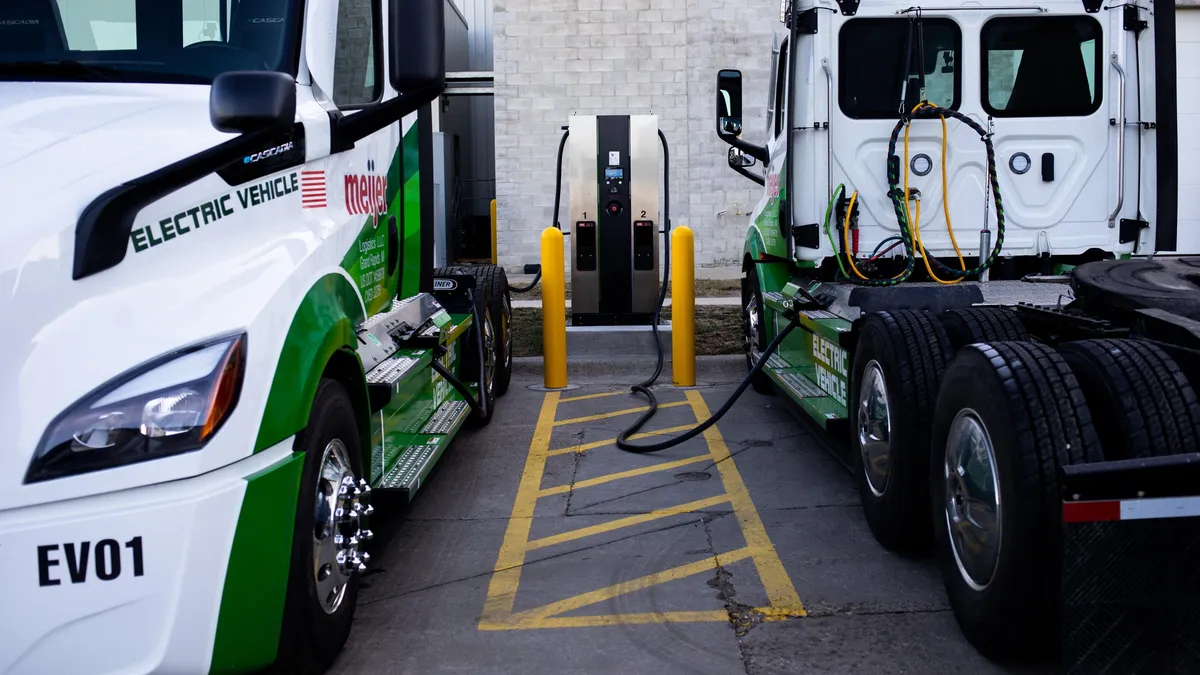
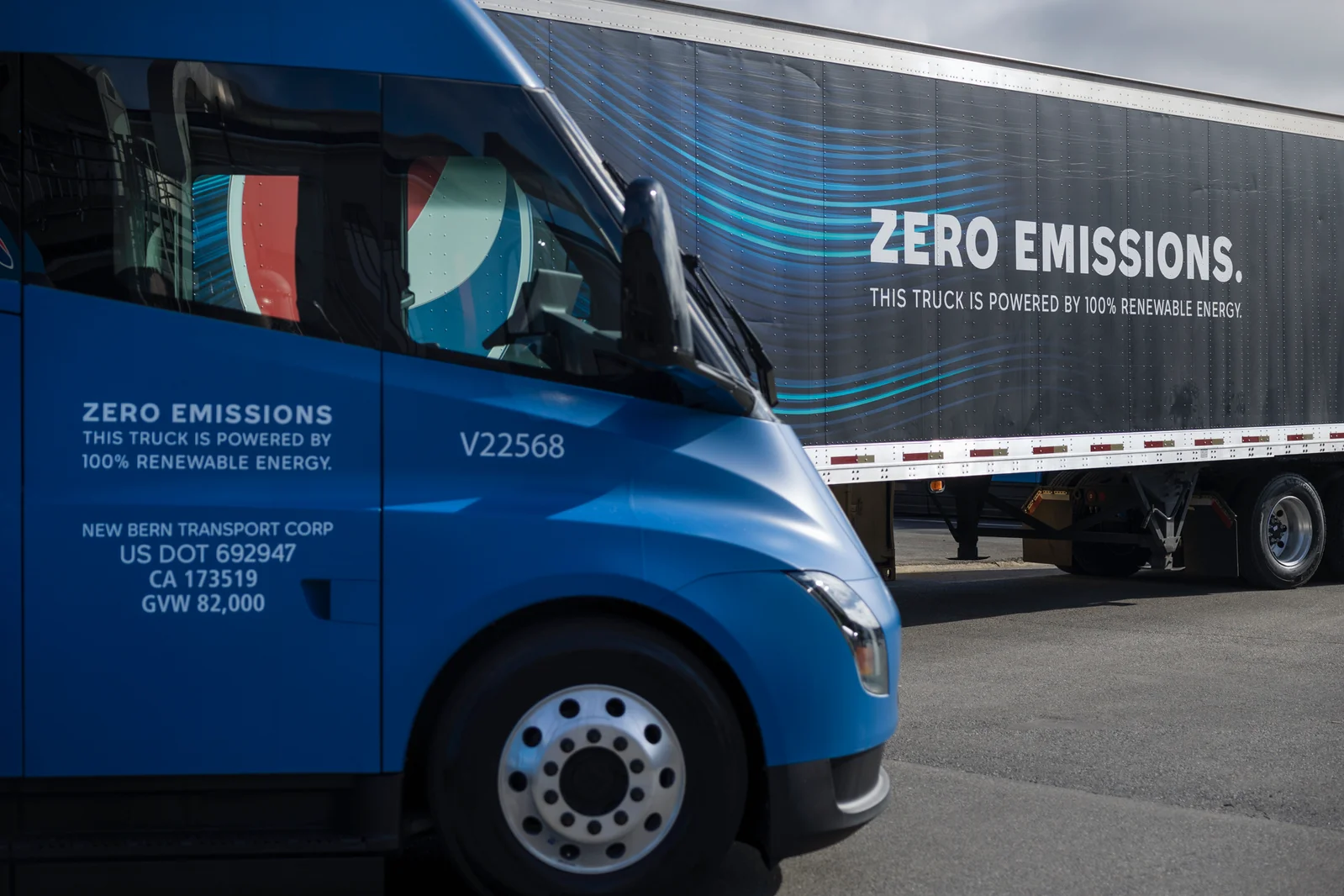
The California Air Resources Board and major truck manufacturers have reached an agreement to end the sale of gas-powered trucks in California by 2036, transitioning to zero emissions engines. The compromise includes following California's rules, banning the sale of new gas-powered trucks by 2036, while California regulators agreed to loosen some emission standards for diesel trucks. The agreement sets a path for zero emissions truck sales in California and other states that follow CARB regulations. However, challenges remain in developing electric semi trucks, including the need for a nationwide network of high-capacity chargers and potential cargo sacrifices due to battery weight.

2030 Launch for Electric Cruise Ship with Solar Sails

Originally Published 2 years ago — by CNN

Featured image for 2030 Launch for Electric Cruise Ship with Solar Sails
Source: CNN

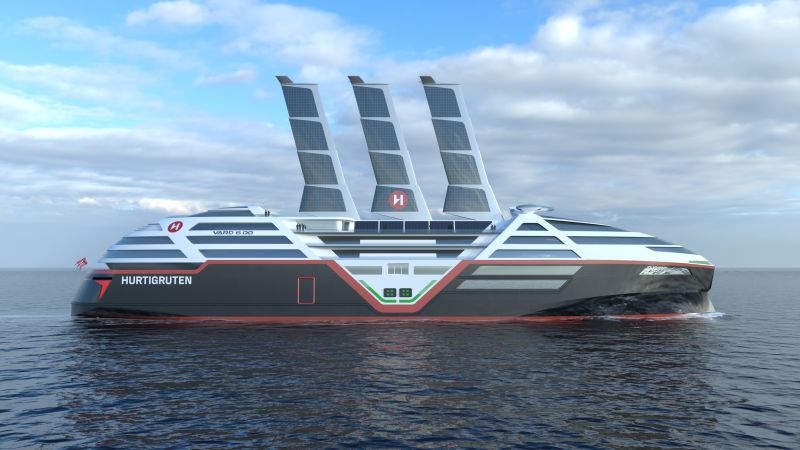
Hurtigruten Norway plans to launch a zero-emissions electric cruise ship with retractable sails covered in solar panels in 2030. The ship will run off 60 MW batteries charged with clean energy and will have a range of 300 to 350 nautical miles. The sails will be covered in 1,500 sqm of solar panels that will generate energy to top up the batteries while sailing. The ship will have 270 cabins to hold 500 guests and 99 crew, and guests will be invited to minimize their own climate impact through an interactive mobile app. Hurtigruten Norway hopes to gradually transform its entire fleet to zero-emission vessels.

Nikola expands hydrogen and electric truck offerings with new partnerships and orders.

Originally Published 2 years ago — by Nikola Motor

Featured image for Nikola expands hydrogen and electric truck offerings with new partnerships and orders.
Source: Nikola Motor

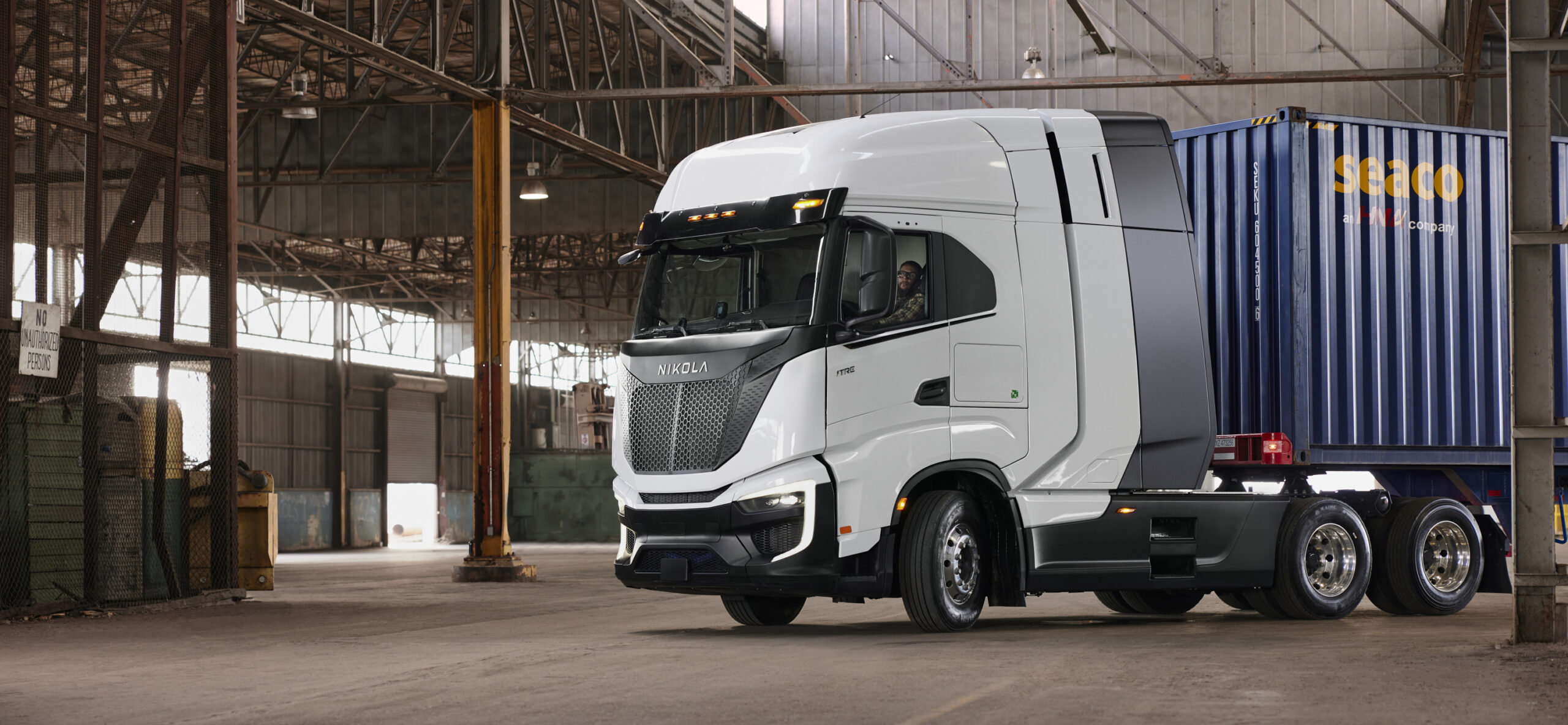
AJR Trucking has ordered 50 Nikola Tre hydrogen fuel cell electric vehicle (FCEV) trucks from Tom's Truck Centers, a member of the Nikola Corporation sales and service dealer network. The trucks are expected to be delivered between Q4 2023 and Q1 2024. AJR Trucking and Nikola will explore the opportunities to deploy Nikola's mobile fueling solution at AJR Trucking properties in California to provide convenient and seamless fueling for the FCEVs. The company expects rough cost parity with its existing fleet of trucks in its postal service and drayage operations.

New York Set to Ban Natural Gas in New Buildings Statewide.

Originally Published 2 years ago — by CNBC

Featured image for New York Set to Ban Natural Gas in New Buildings Statewide.
Source: CNBC

New York is set to become the first state in the US to pass a law banning fossil fuel combustion in most new buildings, replacing gas stoves, furnaces, and propane heating with climate-friendly appliances such as heat pumps and induction stoves. The law is expected to take effect in 2026 for most new buildings under seven stories and in 2029 for larger buildings. The statewide ban would follow legislation passed by New York City in 2021 that bans natural gas hookups in new buildings by the end of this year. The move is part of a national effort to curb climate-changing emissions and transition to clean energy.

California leads the way in emissions regulations for transportation.

Originally Published 2 years ago — by CNBC

Featured image for California leads the way in emissions regulations for transportation.
Source: CNBC

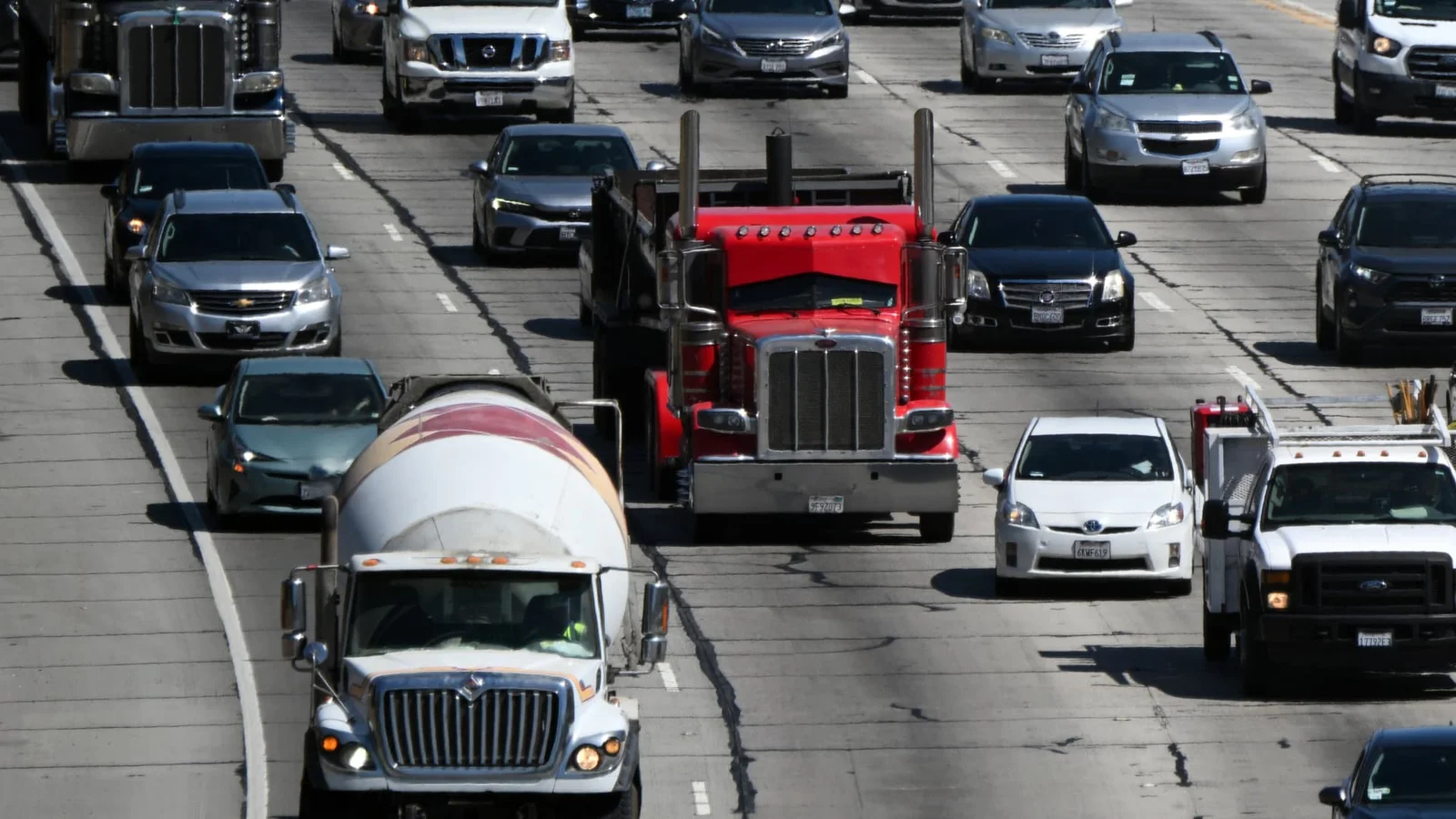
California regulators have voted to ban the sale of new diesel big rigs by 2036 and require all trucks to be zero-emissions by 2042, making it the first in the world to require new commercial trucks to be electric. The mandate is estimated to deliver $26.5 billion in public health benefits in California in avoided health impacts and deaths due to diesel pollution. The trucking industry has opposed the regulations, arguing that requirements are costly as electric models are more expensive than diesel trucks.

New York poised to lead the way in banning gas in new building construction.

Originally Published 2 years ago — by POLITICO

Featured image for New York poised to lead the way in banning gas in new building construction.
Source: POLITICO

New York will require new buildings to be zero-emissions starting in 2026, banning fossil fuel combustion in most new buildings under seven stories, with larger buildings covered in 2029. The move will help the state achieve its ambitious mandate to slash emissions by 40 percent from 1990 levels by 2030 and 85 percent by 2050. New York would be the first state to take this step through legislative action. Exemptions will be included for commercial kitchens, emergency generators, and hospitals.

California's Aggressive Moves to Reduce Transportation Emissions

Originally Published 2 years ago — by Fox News

Featured image for California's Aggressive Moves to Reduce Transportation Emissions
Source: Fox News

California's Air Resource Board (CARB) has announced new regulations to limit freight train emissions, making it the first state to tackle the issue. The In-Use Locomotive Regulation will ban any locomotive engine constructed more than 23 years ago by 2030 and require all new switch, industrial, and passenger locomotives to be zero-emissions while in California beginning in 2030 and 2035 for freight line haul. The regulation is expected to contribute the largest reduction in nitrogen oxide emissions toward meeting California air quality standards by the 2037 deadline and create an estimated $32 billion in health savings while preventing 3,200 premature deaths and 1,500 emergency room visits or hospitalizations.

California to Prohibit New Diesel Trucks.

Originally Published 2 years ago — by CalMatters

Featured image for California to Prohibit New Diesel Trucks.
Source: CalMatters

California is set to ban sales of new diesel big rigs by 2036 and convert large companies’ existing trucks to zero emissions by 2042 in an effort to clean up noxious diesel exhaust and greenhouse gases spewed by big rigs, garbage trucks, delivery trucks and other large vehicles by converting them to models powered by electricity or hydrogen. Trucking companies and local government officials call the deadlines in the rule unachievable, citing the high cost of electric trucks and their low vehicle range, and the lack of a charging network to support electric trucks.

Nikola enters Canadian market with Tre BEV and FCEV trucks and hydrogen fueler order.

Originally Published 2 years ago — by Nikola Motor

Featured image for Nikola enters Canadian market with Tre BEV and FCEV trucks and hydrogen fueler order.
Source: Nikola Motor

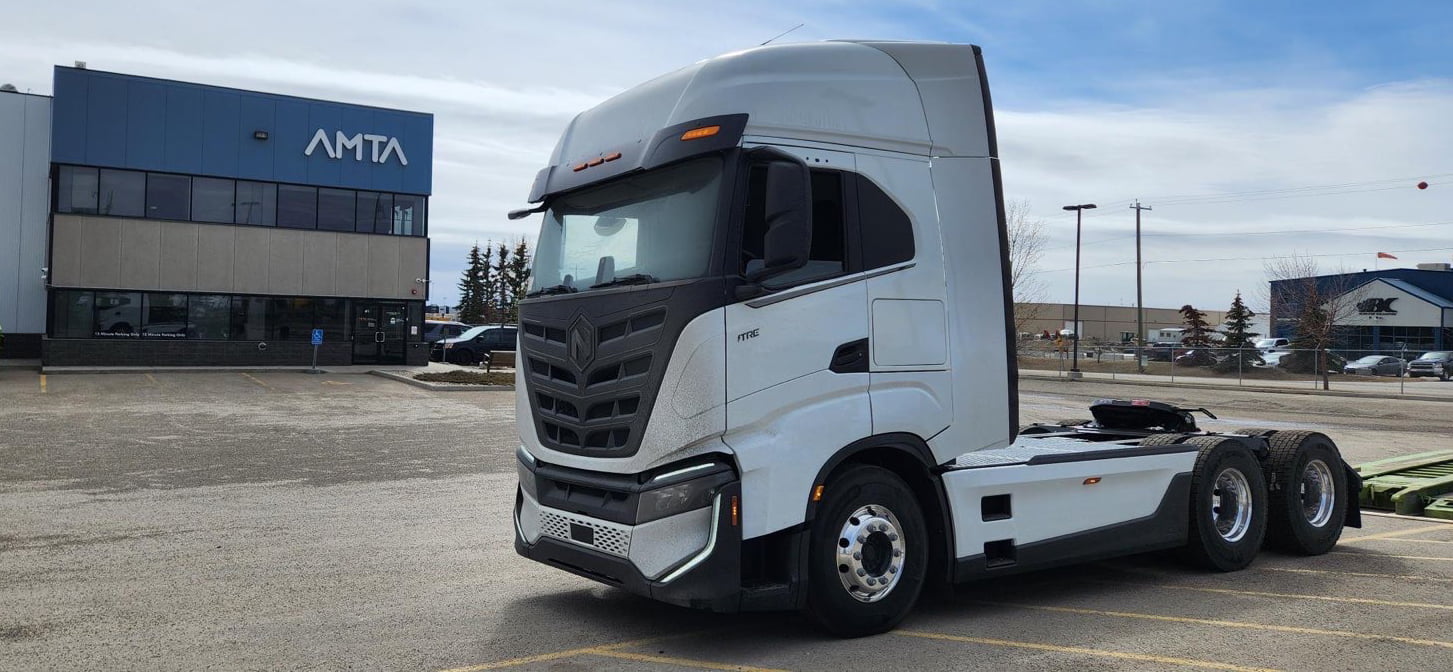
Nikola Corporation expands its presence in Alberta, Canada, with the sale of a Nikola Tre battery-electric vehicle (BEV) and a Nikola Tre hydrogen fuel cell electric vehicle (FCEV) to the Alberta Motor Transport Association (AMTA). AMTA will incorporate the new heavy-duty vehicles into its Hydrogen Commercial Vehicle Demonstrations Project, which offers Alberta carriers the opportunity to use and test Class 8 vehicles that operate with hydrogen fuel within their unique operations. The Nikola Tre BEV has a range of up to 530 km, while the Tre FCEV has a range of up to 800 km and an estimated fueling time of 20 minutes.

California Surpasses 1.5 Million EV Sales Goal Ahead of Schedule.

Originally Published 2 years ago — by Ars Technica

Featured image for California Surpasses 1.5 Million EV Sales Goal Ahead of Schedule.
Source: Ars Technica

California has achieved its goal of having over 1.5 million clean vehicles on the road two years ahead of schedule, with 21.1% of all new light-duty vehicles bought in the state being zero-emissions vehicles in Q1 2023. Battery EVs made up the majority of sales, with Tesla's Model Y accounting for the most units sold. California's Zero-Emission Vehicle program has been successful in driving down climate emissions, with other states adopting the program. The state's ambitious goals for clean energy and air quality have been achieved despite political interference from the previous administration.

Magpie's Sustainable Flight Concept Goes the Distance.

Originally Published 2 years ago — by Aviation Week

California-based startup Magpie Aviation is developing an aero tow system to provide a zero-emission solution to the challenge of providing enough range for electric and other aircraft without over-penalizing payload. The system involves tethering electric and other aircraft to an all-electric tow aircraft to extend their range by hundreds of miles. Magpie plans to scale up the aero tow system gradually to the point at which, by 2030, regional turboprop-size aircraft could be pulled in everyday commercial service by electric tow aircraft.

Walmart to Build Nationwide EV Charging Network by 2030

Originally Published 2 years ago — by Electrek.co

Featured image for Walmart to Build Nationwide EV Charging Network by 2030
Source: Electrek.co

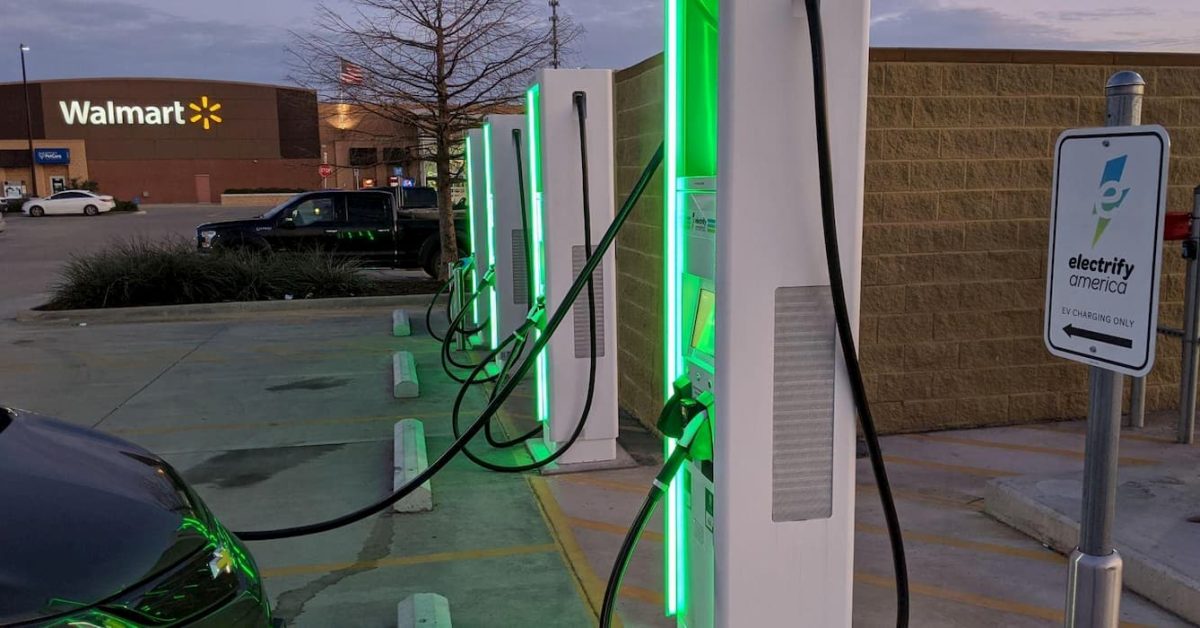
Walmart plans to build a coast-to-coast EV fast-charging network across thousands of its stores by 2030 to provide a convenient and affordable charging experience. The retailer already has nearly 1,300 EV fast-charging stations through a partnership with Electrify America installed across over 280 US retail locations. With a Walmart store or club located within 10 miles of roughly 90% of Americans, the EV fast-charging network will help increase access to affordable charging solutions as demand grows. Walmart aims to achieve zero emissions by 2040.

California mandates clean trucks with Biden's support.

Originally Published 2 years ago — by POLITICO

Featured image for California mandates clean trucks with Biden's support.
Source: POLITICO

California's Advanced Clean Trucks rule, backed by the Biden administration, requires manufacturers to phase out most gas-powered heavy-duty vehicles by 2035 and sell increasing shares of zero-emissions trucks. At least six states have already moved to adopt the rule, covering almost a quarter of the nation's auto market. The EPA approved two waivers covering a suite of rules set by state regulators, but held back on a third amid a last-minute spat with the industry. The California Air Resources Board will vote in April on a rule requiring all sales of new trucks to be zero-emission by 2040.