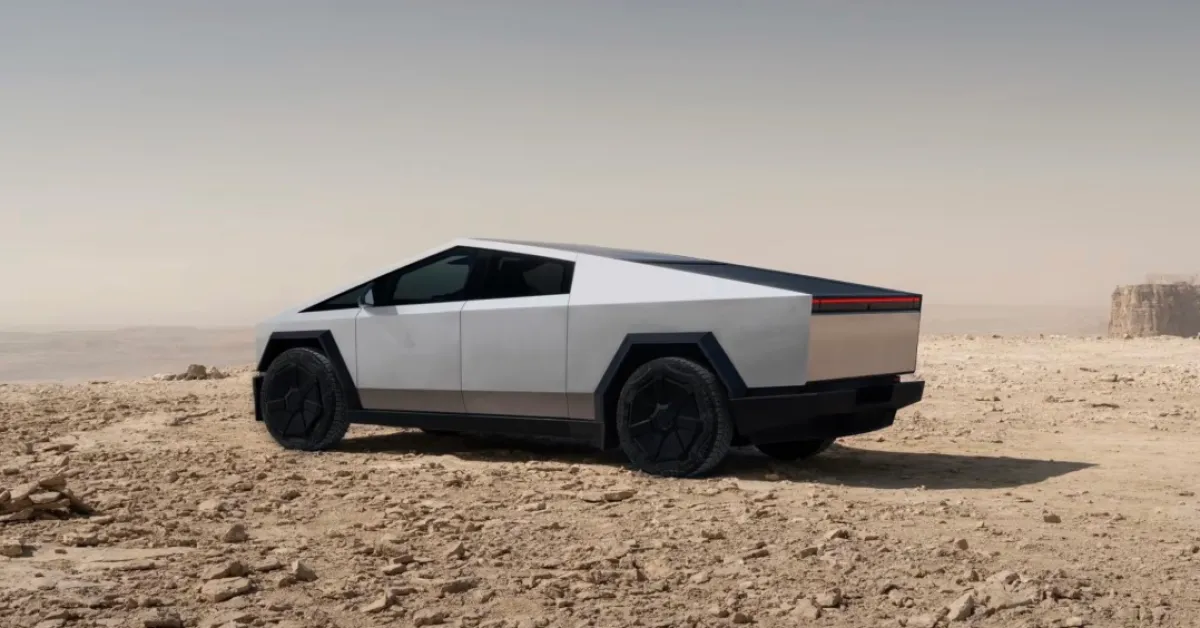
Expert Doug DeMuro predicts that used Tesla Cybertrucks could drop to $35,000 in 18 months due to declining value and high inventory, which would represent a significant depreciation from their original prices, potentially transforming the vehicle's market perception from a luxury item to an affordable work truck.
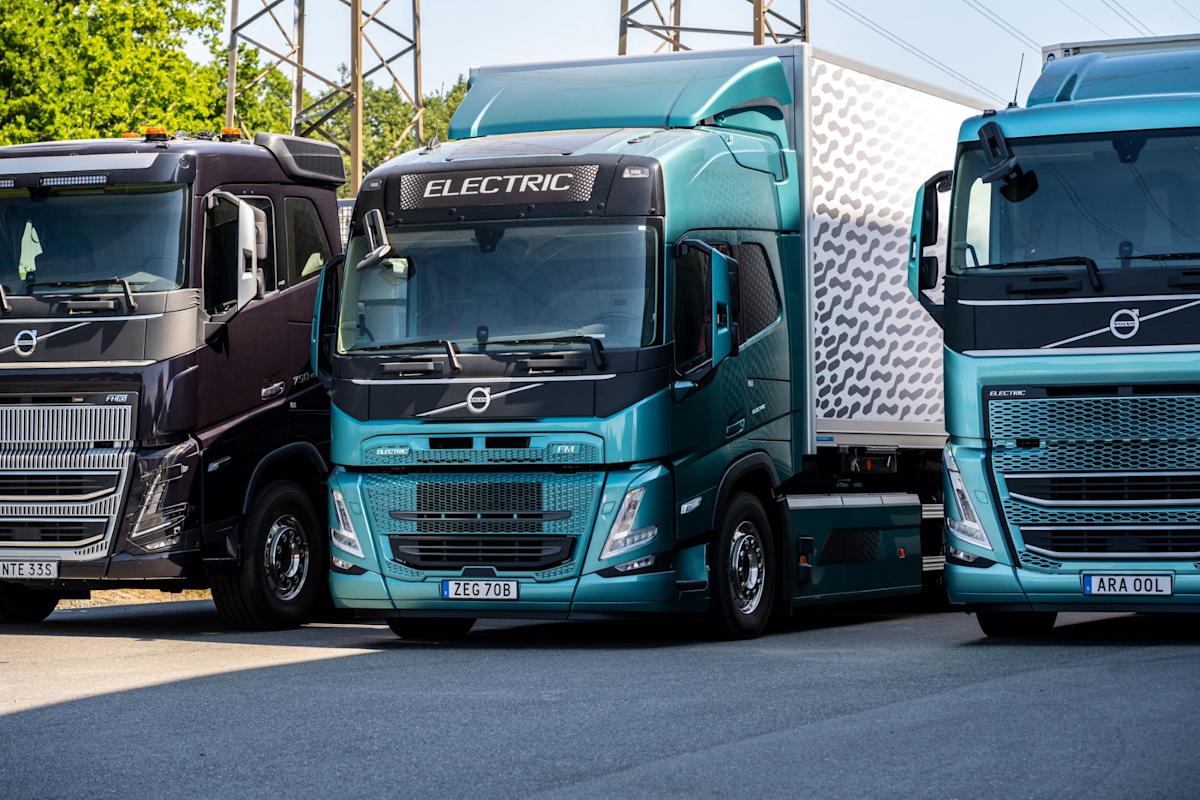
Volvo has sold its 5,000th electric truck globally, surpassing Tesla's struggling efforts in the electric semitruck market, highlighting Volvo's successful expansion and adoption of electric commercial vehicles.
The article discusses President Trump's legal challenge against Maryland's offshore wind project, the EPA's proposal to stop emissions reporting from major polluters, UK-U.S. collaborations on nuclear power, the end of FERC's gas pipeline rule reforms, and the cancellation of Ram's electric pickup truck, highlighting ongoing debates and developments in energy policy and technology.
The article discusses President Trump's legal challenge against Maryland's offshore wind project, the EPA's proposal to halt emissions reporting from major polluters, UK-U.S. collaborations on nuclear power, the end of FERC's gas pipeline reform efforts, and the cancellation of Ram's electric pickup truck, highlighting ongoing debates and developments in energy policy and technology.
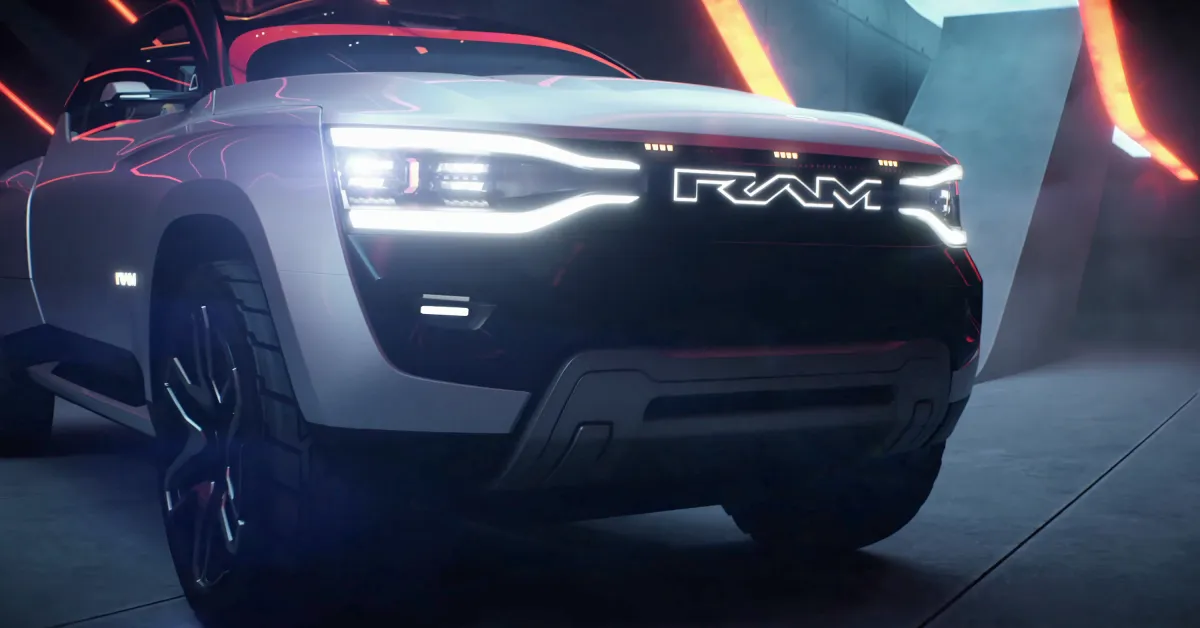
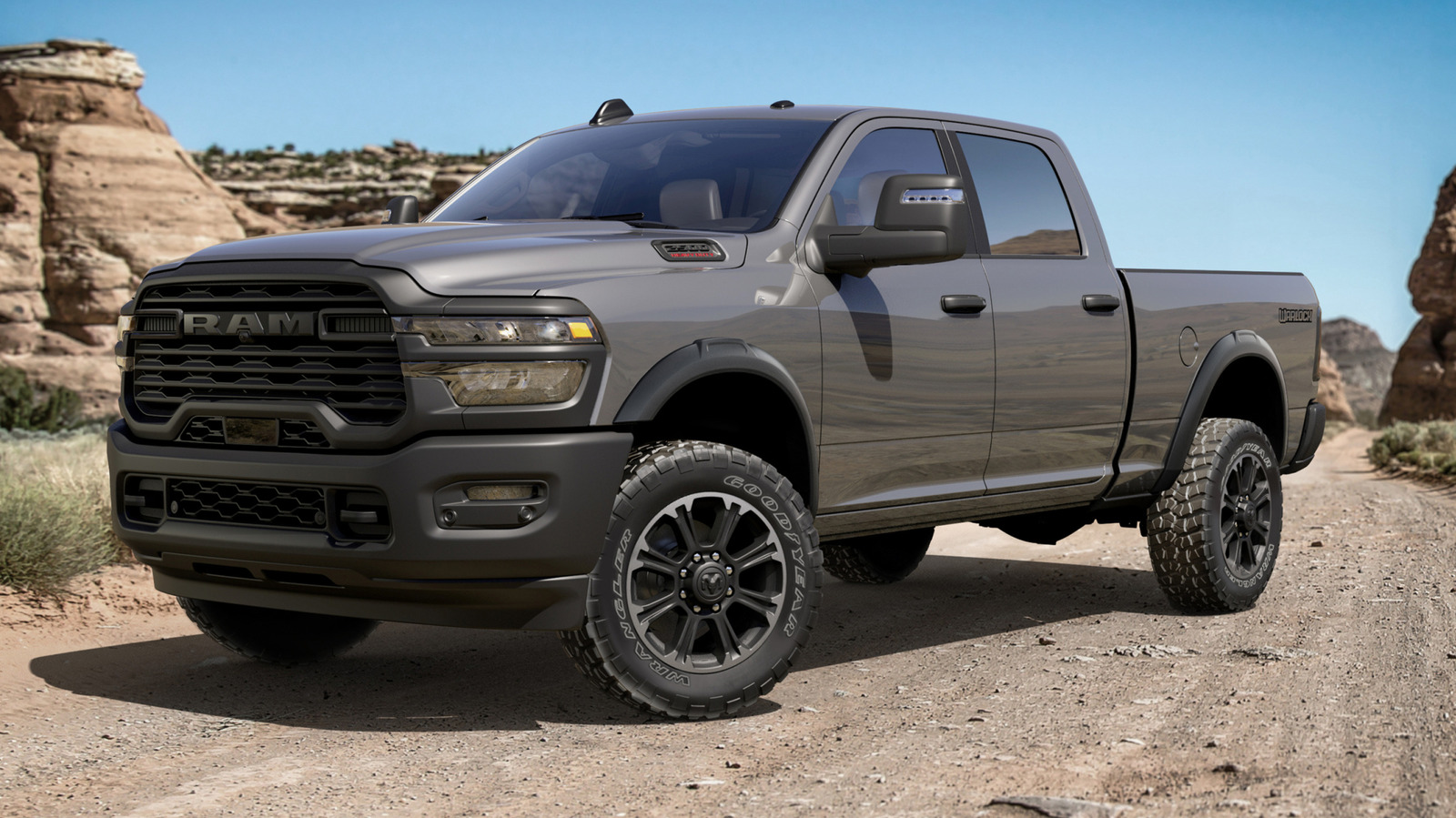
Stellantis is discontinuing its Ram 1500 REV electric truck due to declining heavy-duty electric truck sales, but will continue the model under a new name, Ramcharger, with delayed plans for launch until 2026 amid broader industry delays and challenges in electrifying large trucks.
Stellantis faces significant challenges in customer satisfaction, ranking at the bottom in the North American market, with Ram experiencing a notable decline due to canceled plans and lack of electric truck offerings, despite efforts like returning to NASCAR and offering extended warranties.
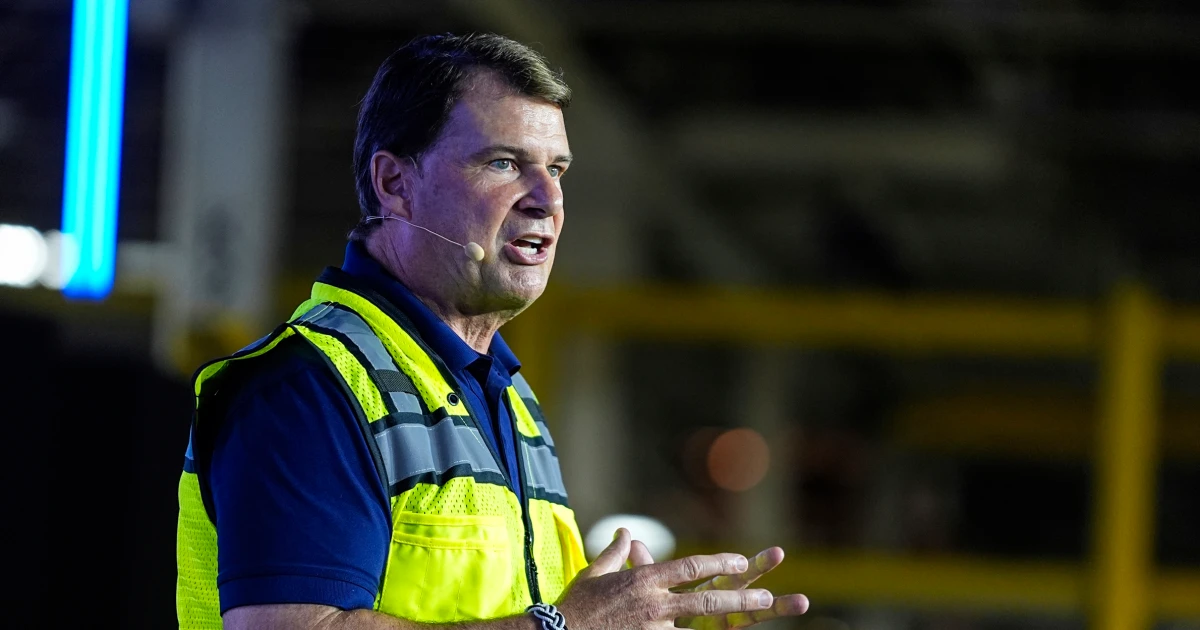
Ford is investing nearly $2 billion to convert its Louisville Assembly Plant in Kentucky to produce affordable electric vehicles, including a midsize electric pickup truck set for 2027, as part of its broader strategy to lead in profitable EV manufacturing despite industry and political challenges. The overhaul aims to reduce costs, speed up production, and create or secure nearly 4,000 jobs, emphasizing Ford's commitment to innovation and competition in the EV market.
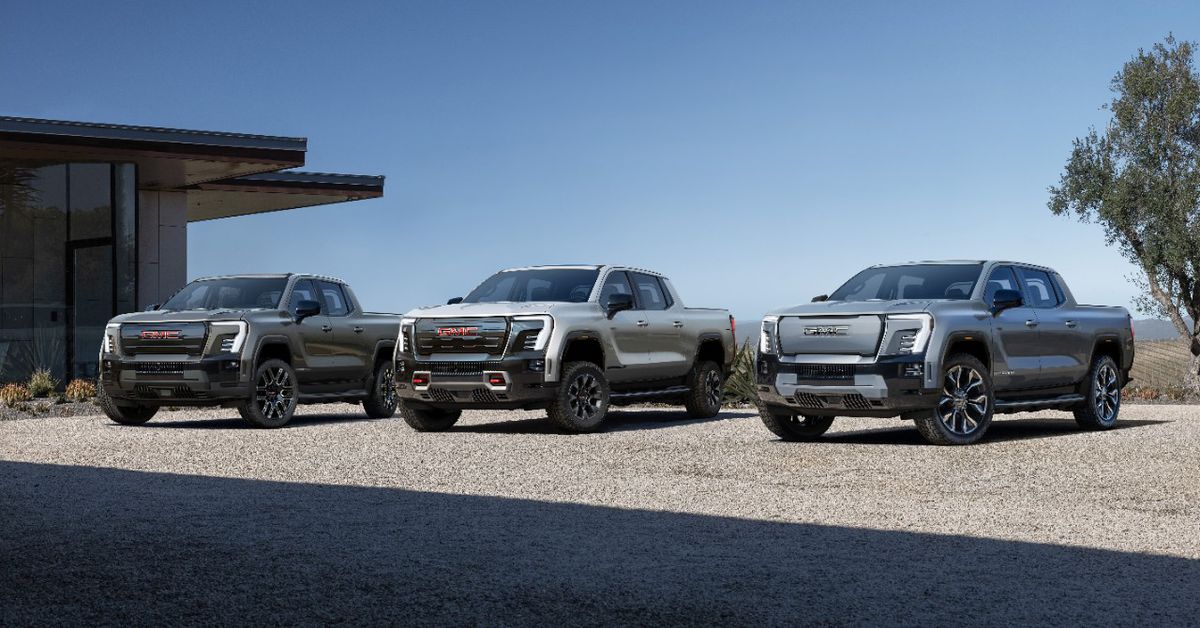
The 2024 GMC Sierra EV Denali will boast a range of approximately 440 miles, surpassing initial estimates, as it prepares to enter the competitive electric truck market. With a powerful 562kW total power and 800-volt architecture enabling fast charging, the truck will also feature the unique CrabWalk capability. GMC's focus on extensive range reflects the growing importance of this factor in the electric truck wars, as it competes with models from Ford, Rivian, Chevy, Tesla, and others, while facing challenges such as charging infrastructure and misinformation about EV ownership.
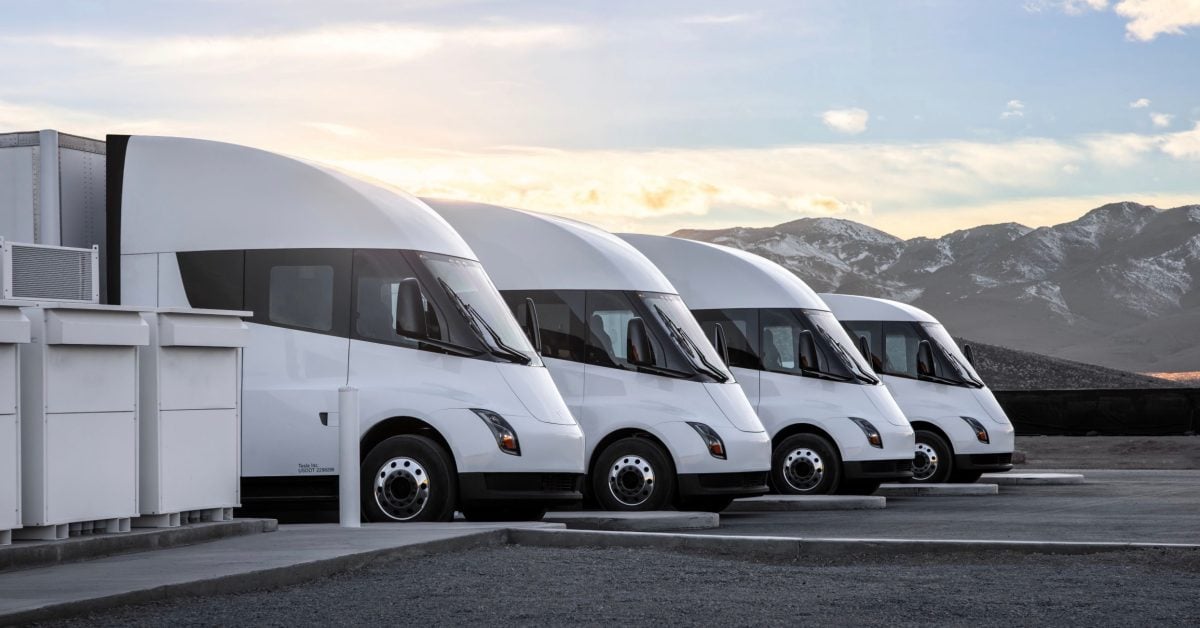
A Tesla engineer provided a rare update on the Tesla Semi electric truck program, revealing that the trucks have transported over 20,000 battery packs from Gigafactory Nevada to the Fremont factory at a lower operating cost than diesel trucks. The update comes as the EPA released new heavy duty truck rules, which are expected to accelerate the transition to electric trucks. However, Tesla's electric truck production is not likely to ramp up until the Gigafactory Nevada expansion is completed.
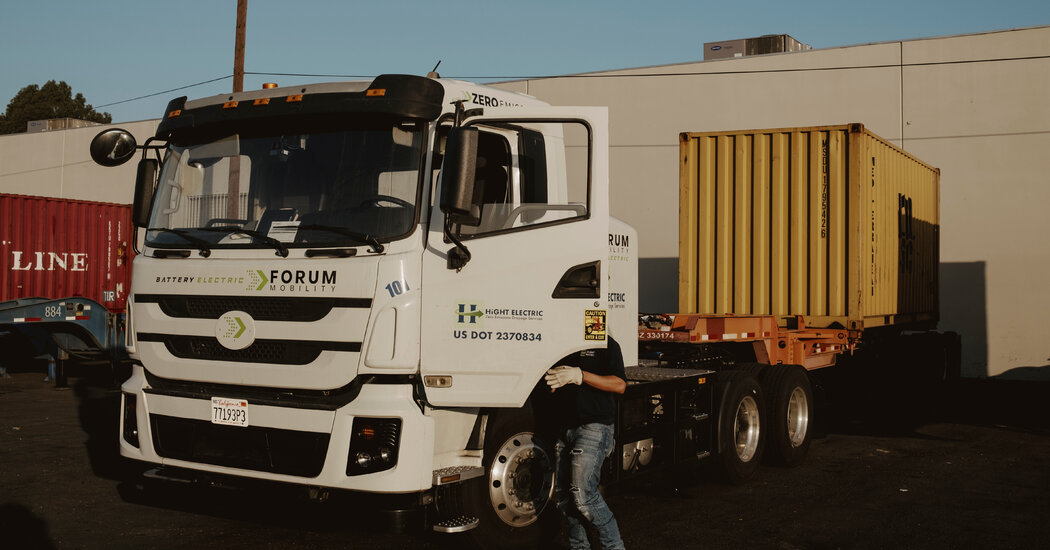
The Biden administration has announced new regulations aimed at boosting sales of electric and zero-emission heavy vehicles, such as school buses and cement mixers, as part of its efforts to combat global warming. The Environmental Protection Agency projects that by 2032, 25 percent of new long-haul trucks and 40 percent of medium-size trucks could be nonpolluting. The regulation applies to over 100 types of vehicles and sets increasingly stringent limits on truck pollution, leaving it up to manufacturers to decide how to comply, which could include technologies like hybrids or hydrogen fuel cells.
The Environmental Protection Agency has finalized a rule to reduce emissions of greenhouse gases from new trucks, delivery vans, and buses, benefiting communities disproportionately exposed to diesel exhaust. The rule will require manufacturers to slash emissions, but falls short of mandating zero-emission trucks by 2035. The truck industry has expressed concerns about the costs and disruptions, while some truck makers are supportive of the move towards zero-emission vehicles. The Biden administration has provided subsidies for electric trucks and charging infrastructure, aiming to build a national network of charging stations along freight corridors.
Electric-truck maker Rivian does not project any production growth in 2024, signaling potential challenges in scaling up its operations. This announcement comes as the automotive industry closely watches the company, which has gained attention for its electric trucks and SUVs.
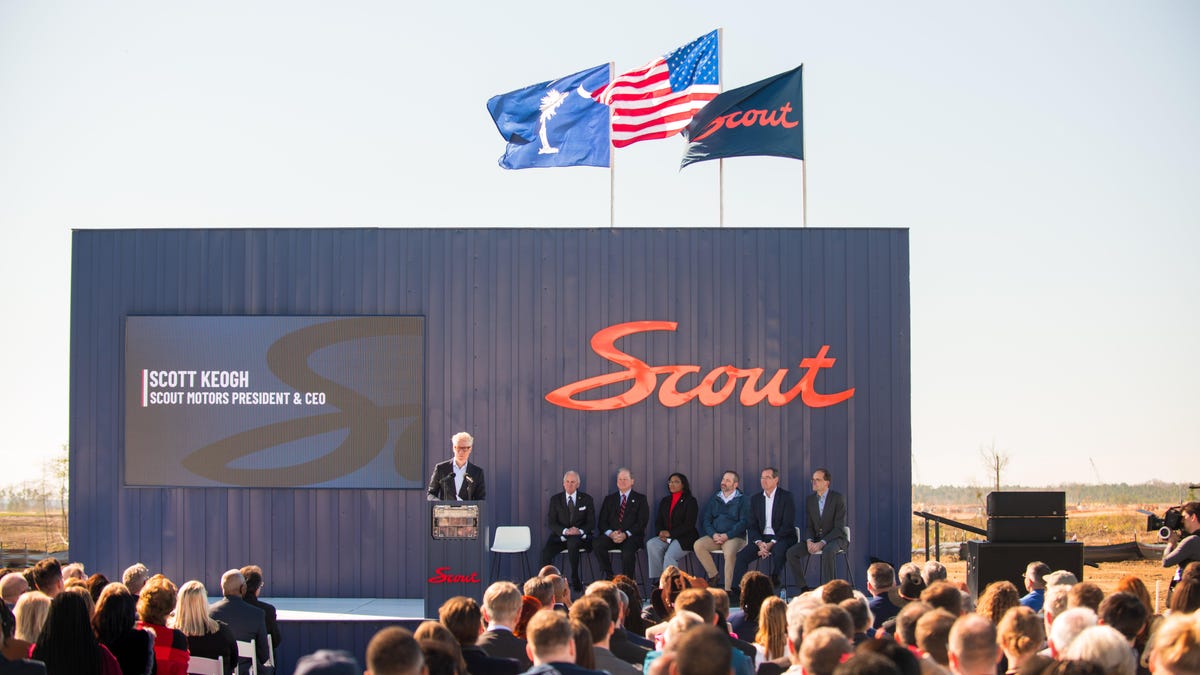
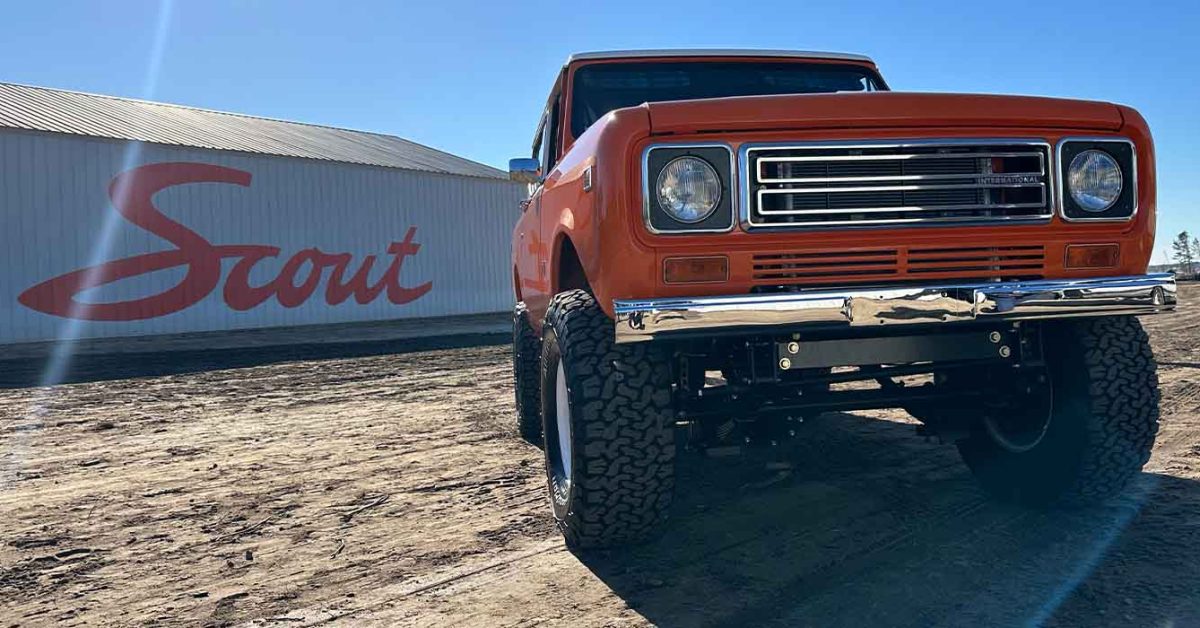
Scout Motors CEO Scott Keogh discusses the revival of the Scout name for a new fully electric truck and SUV, emphasizing the brand's historical significance and unique design. The company, operating as a startup under the Volkswagen Group, aims to stay true to the original brand while leveraging the backing of VW for production benefits. The new Scouts will be tailored for the American market, with plans for aftermarket accessories and a focus on authenticity and community appeal. The factory in South Carolina will begin production in 2026, with potential for over 200,000 vehicles per year and 4,000 new jobs, but many details about the vehicles, including sales strategy and performance targets, are yet to be revealed.
Scout Motors has broken ground on its US facility in Blythewood, South Carolina, where it will produce its all-electric off-road trucks, reviving the classic Scout brand from the '60s and '70s. The company, backed by Volkswagen Group, aims to deliver rugged, off-road performance in a modern, all-electric package. The facility is expected to produce over 200,000 electric trucks per year and will rely on green energy alternatives to achieve carbon neutrality. Scout plans to debut two bespoke EV models this summer, with a focus on creating a unique and robust vehicle for the US market.
Scout Motors, a resurrected brand by Volkswagen, is set to bring back the iconic Scout SUV as an electric vehicle (EV) marque, with plans to unveil an electric pickup truck and SUV. The company's new factory in South Carolina, with a $1.3 billion tax incentive package, is expected to create thousands of jobs and produce over 200,000 vehicles annually. Emphasizing a return to mechanical features and rugged design, Scout aims to differentiate itself from modern EVs by incorporating chunky buttons and real door handles, while planning to use over-the-air software updates to add complexity gradually.