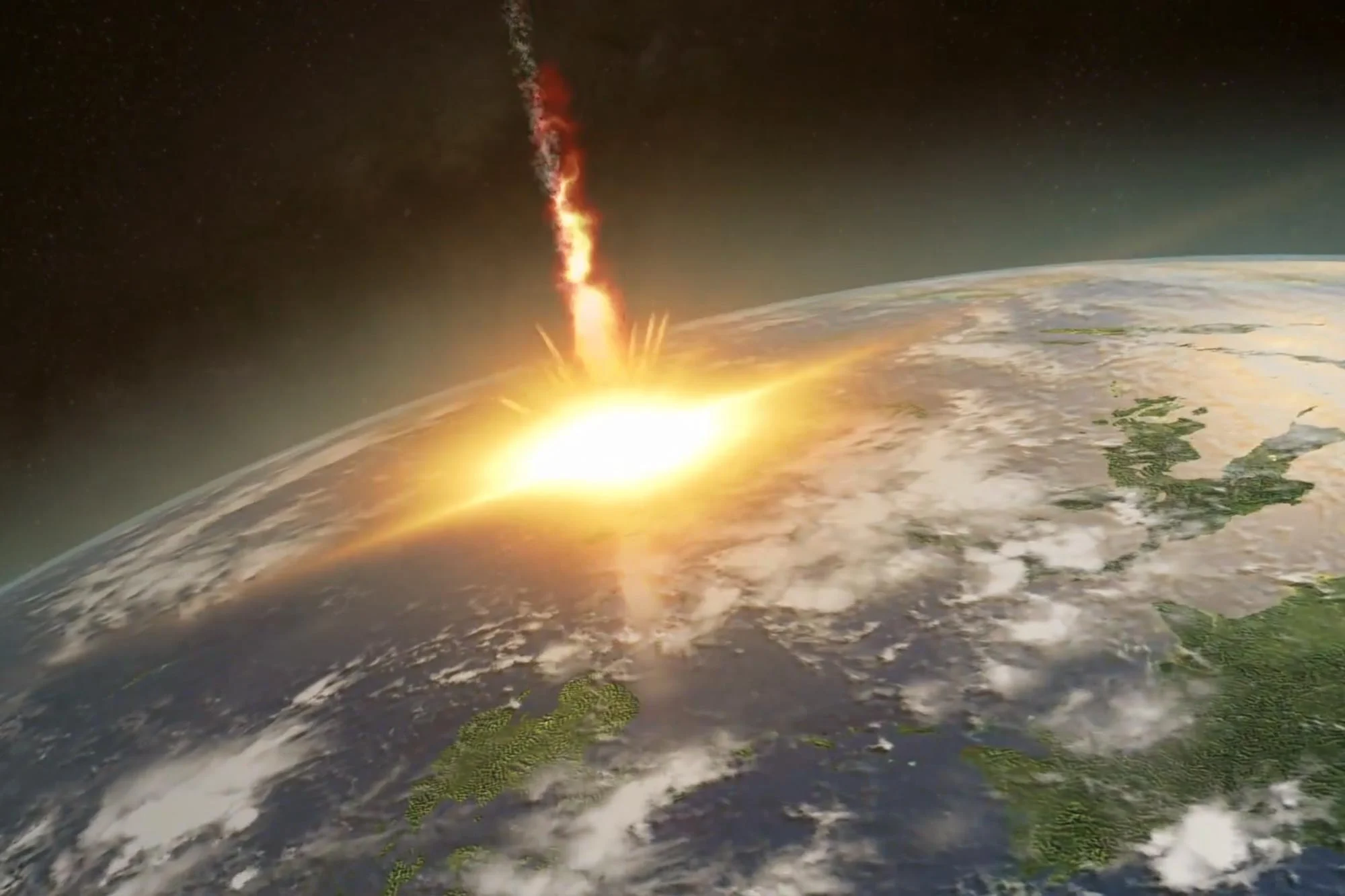
Scientists propose that a 13,000-year-old atmospheric explosion of a fragmented comet may have triggered the abrupt cooling and mass extinctions during the Younger Dryas period, providing a new explanation for rapid climate shifts and the disappearance of large North American animals and the Clovis culture.
New evidence supports the theory that a comet explosion over North America around 13,000 years ago caused widespread destruction, leading to the extinction of mammoths, mastodons, and the disappearance of the Clovis culture, by triggering fires, climate cooling, and environmental collapse.
New research suggests that a platinum spike found in Greenland's ice core around 12,800 years ago, previously thought to indicate a meteorite impact, was likely caused by a volcanic fissure eruption in Iceland, which may have contributed to the climate cooling during the Younger Dryas period, rather than an extraterrestrial impact.
A mysterious platinum signature found in Greenland's ice, previously thought to indicate a space impact, is now attributed to a volcanic eruption in Iceland, which may have contributed to the onset of the Younger Dryas cold period, highlighting the role of volcanic activity in past climate shifts.
New evidence suggests that a comet explosion over Earth around 13,000 years ago caused the Younger Dryas cooling period, leading to mass extinctions and the disappearance of the Clovis culture, supported by impact markers like shocked quartz and nanodiamonds found at archaeological sites.
New research suggests that a platinum spike found in Greenland's ice core around 12,800 years ago, previously thought to indicate a meteorite impact, was likely caused by a volcanic fissure eruption in Iceland, which may have contributed to the onset of the Younger Dryas cold period by releasing sulfur and heavy metals into the atmosphere. This finding challenges the impact hypothesis and highlights the role of volcanic activity in past climate shifts, emphasizing the importance of understanding such events for future climate predictions.
A new study suggests that a comet impact may have triggered the Younger Dryas cooling period 12,800 years ago, supported by geochemical evidence from ocean sediment cores, though skepticism remains among scientists.
Scientists found evidence of a comet explosion 12,800 years ago in ocean sediments near Greenland, supporting the hypothesis that this event triggered the Younger Dryas cooling period, a rapid and significant climate change that affected global ecosystems and human populations.
Scientists suggest that a cosmic explosion, possibly from a comet fragment, around 12,800 years ago caused a massive impact event in Louisiana, creating a crater and supporting the Younger Dryas Impact Hypothesis, which links the event to the sudden climate change and the destruction of an advanced ancient civilization.
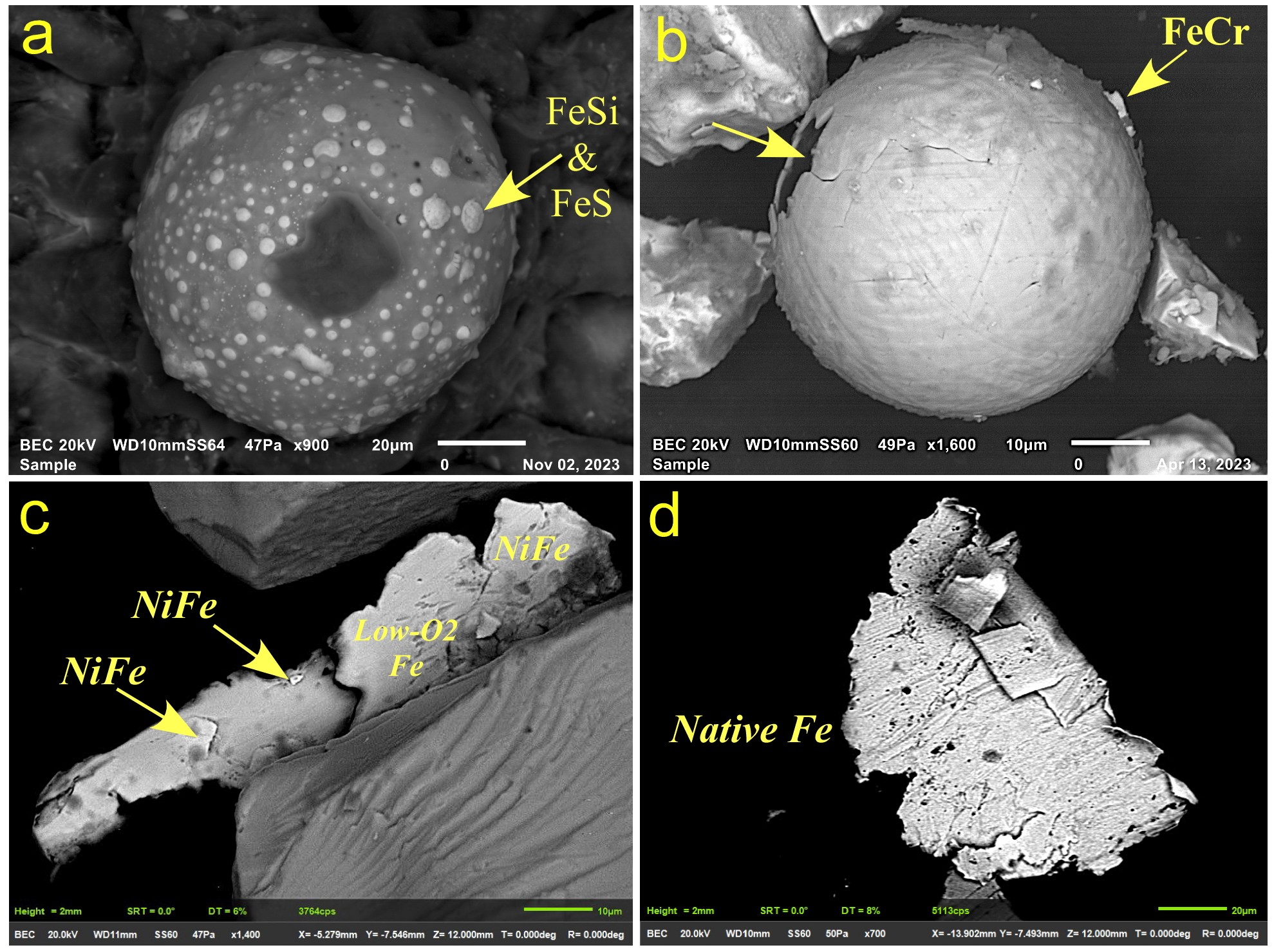
Tiny metallic beads found in Arctic mud suggest a comet impact may have triggered the abrupt climate change during the Younger Dryas period, challenging the traditional meltwater hypothesis and indicating a possible extraterrestrial influence on Earth's climate history.
New evidence suggests that tiny particles from a disintegrating comet may have caused the abrupt climate cooling during the Younger Dryas event over 12,000 years ago, indicating a possible impact winter that contributed to the rapid temperature drop.
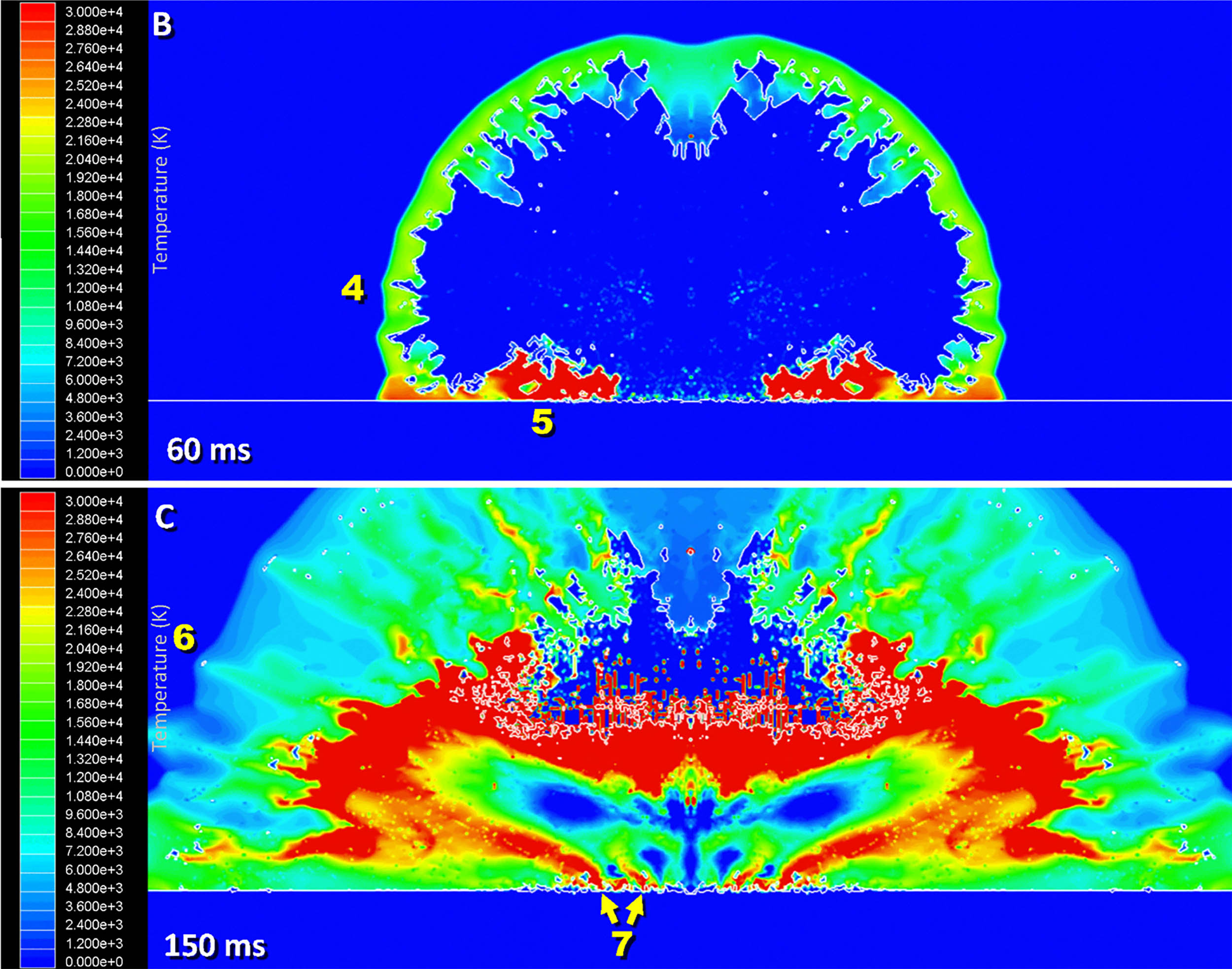
New research supports the Younger Dryas Impact hypothesis, suggesting a fragmented comet caused significant climatic changes and extinctions 12,800 years ago through airbursts. Evidence includes impact proxies like platinum and shocked quartz found in the eastern U.S., indicating high-pressure, high-temperature events. These findings suggest the comet's airbursts led to abrupt climate shifts and the extinction of megafauna, impacting human cultures like the Clovis.
Despite mainstream science's efforts to debunk the theory, the belief in a world-changing series of prehistoric comet impacts 12,900 years ago continues to gain momentum. Researchers led by Richard Firestone claimed that these impacts caused a sudden cooling, contributed to the demise of large Pleistocene mammals and humans, and prompted a turn toward agriculture in Eurasia, potentially influencing the development of civilization and even the outlines of current nation-states.
New research suggests that a comet impact around 13,000 years ago triggered a dramatic climate change, leading to the disappearance of plants and animals relied upon by hunter-gatherer communities. The impact, which caused shockwaves and a massive firestorm, is believed to have sparked the first seeds of agriculture in Syria as a necessary adaptation for survival. Sediment layers from the Neolithic site Abu Hureyra, known for its early evidence of the shift from hunting-gathering to farming, revealed changes in architecture, diet, and the cultivation of domestic-type grains and legumes. The studies also identified shock-fractured quartz grains and evidence of a massive firestorm, supporting the hypothesis that a cosmic impact caused the Younger Dryas period of climate change.
A new study suggests that the advent of agriculture in the Levant region, which includes present-day Syria, Jordan, Lebanon, Palestine, Israel, and parts of Turkey, was triggered by a cosmic airburst that occurred 12,800 years ago. The impact caused environmental changes, forcing hunter-gatherers in the prehistoric settlement of Abu Hureyra to adopt agricultural practices for survival. The evidence includes a carbon-rich layer with high concentrations of platinum, nanodiamonds, and melted minerals, indicating extreme temperatures. The study also links shock fractures in quartz grains from the impact to those observed in nuclear bomb explosions, suggesting similarities in the effects of low-altitude, lower-pressure cosmic airbursts and atomic detonations.