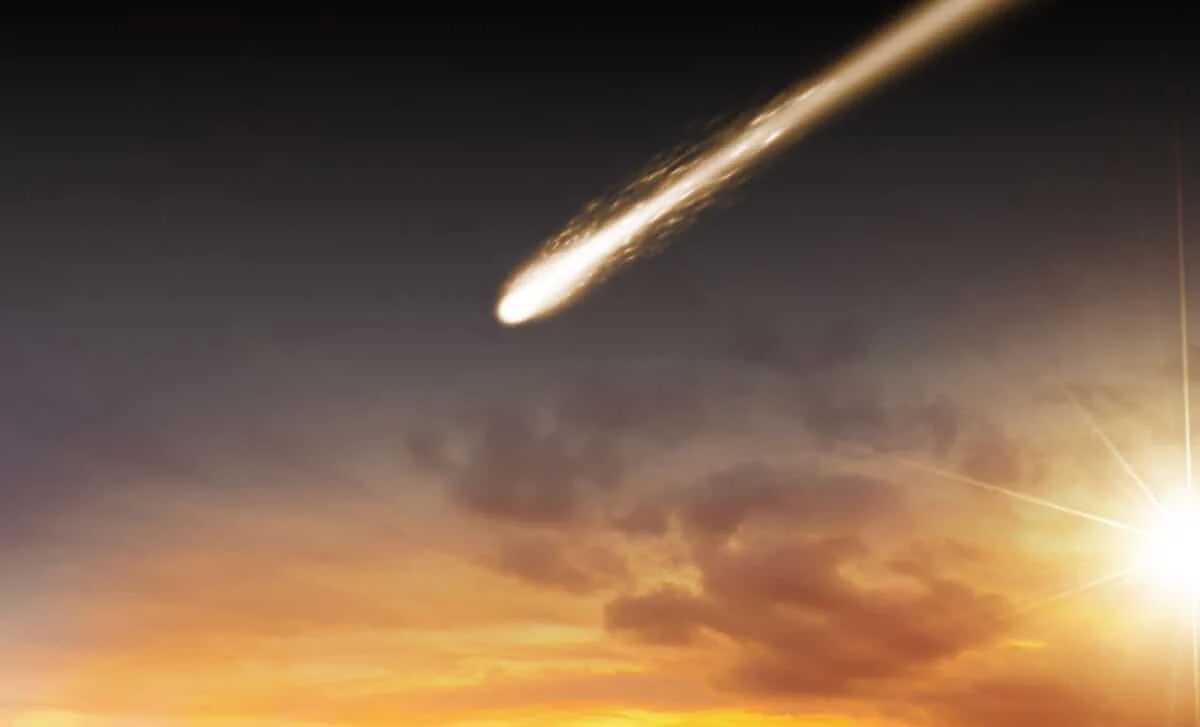
New evidence supports the theory that a comet explosion over North America around 13,000 years ago caused widespread destruction, leading to the extinction of mammoths, mastodons, and the disappearance of the Clovis culture, by triggering fires, climate cooling, and environmental collapse.
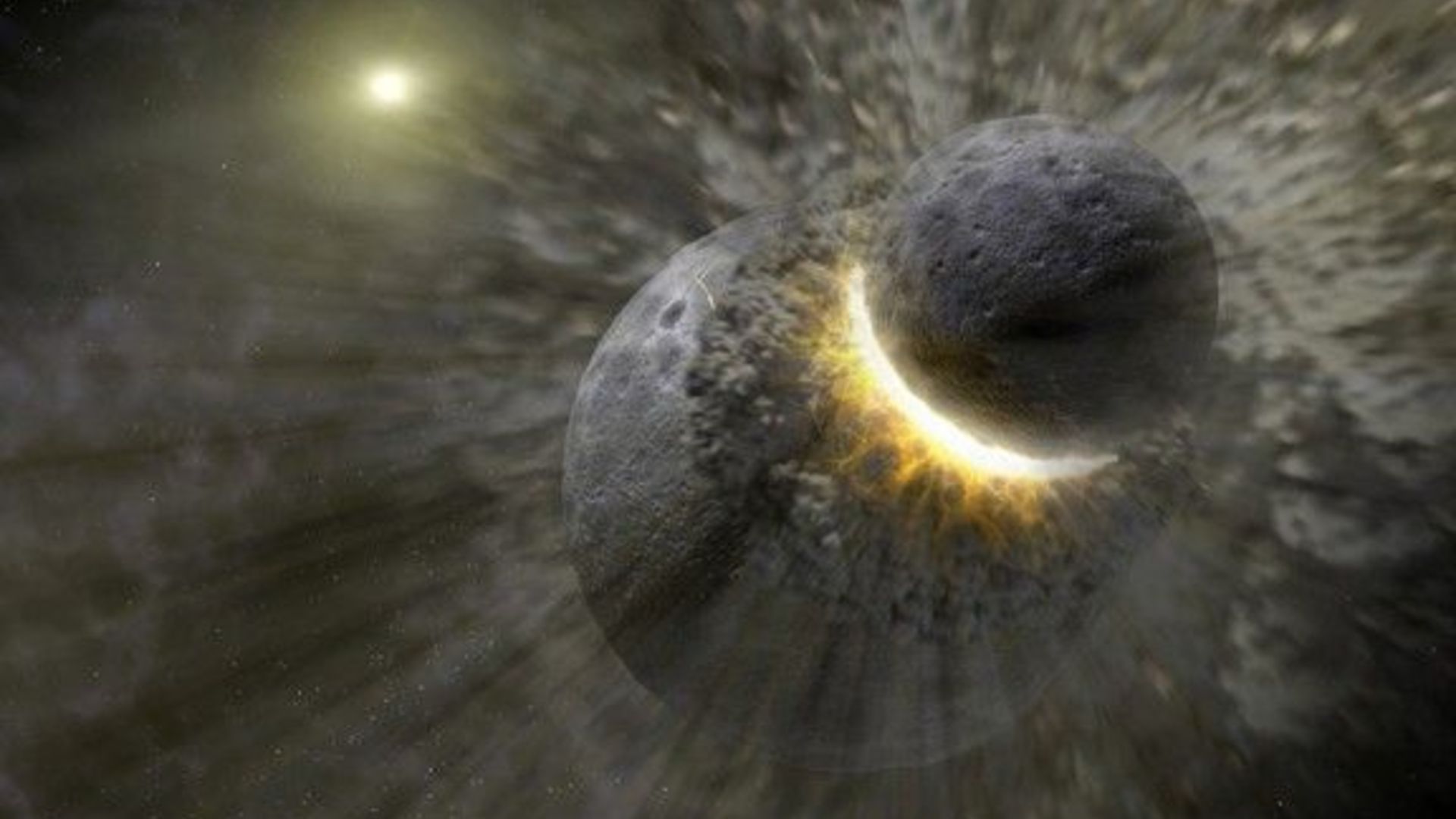
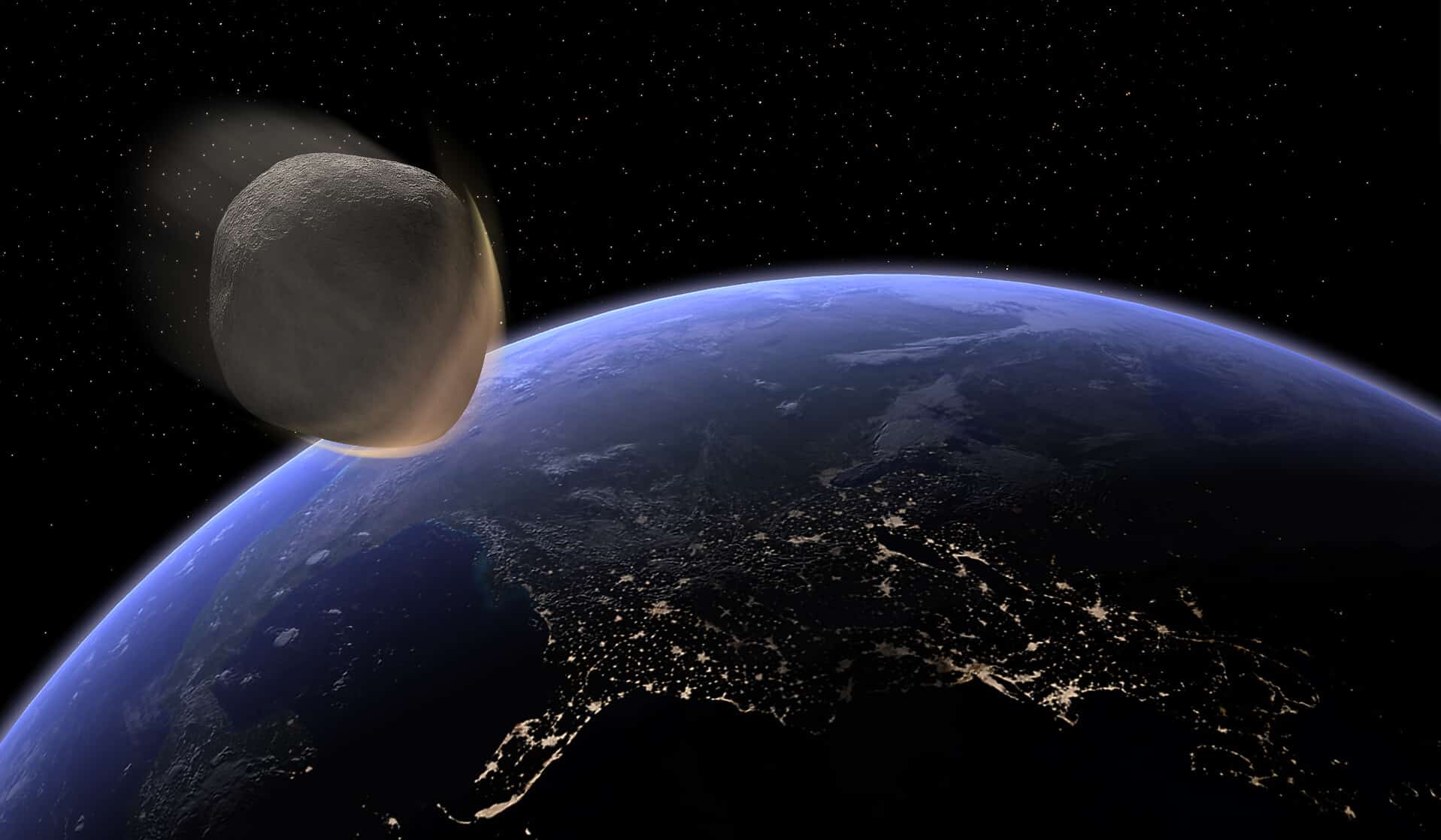
Scientists analyzing 3.7-billion-year-old rocks from Western Australia found chemical signatures supporting the giant impact theory of the moon's formation, revealing insights into Earth's early crust and its connection to lunar origins.
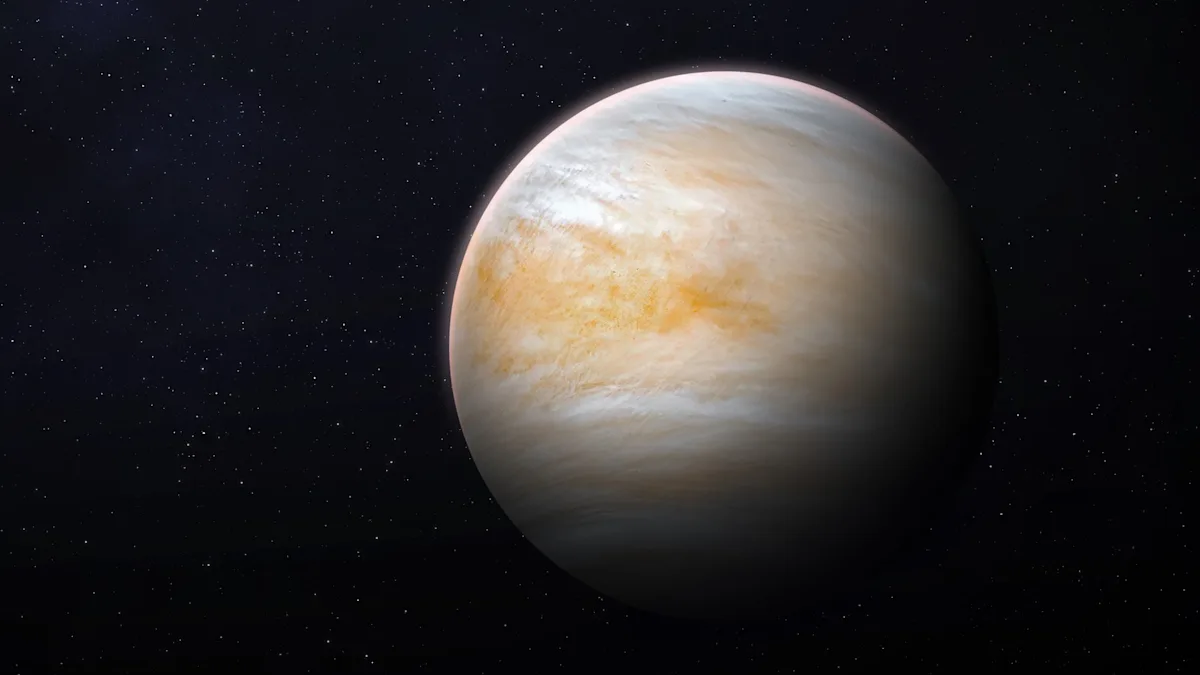
A study from the University of Zurich suggests Venus may have been struck by a Mars-sized object, which could explain its unusual retrograde rotation and lack of a moon, as well as its geologically young surface due to volcanic resurfacing caused by the impact.
Scientists suggest that a cosmic explosion, possibly from a comet fragment, around 12,800 years ago caused a massive impact event in Louisiana, creating a crater and supporting the Younger Dryas Impact Hypothesis, which links the event to the sudden climate change and the destruction of an advanced ancient civilization.
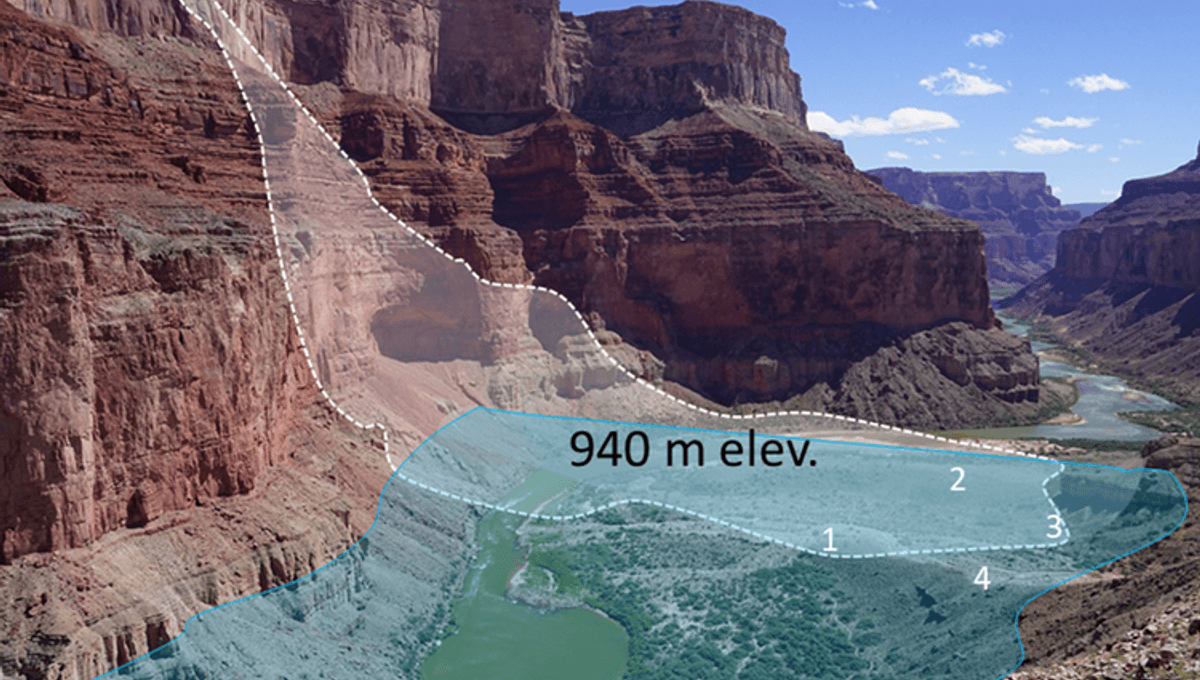
New research suggests that the asteroid impact creating Meteor Crater around 55,600 years ago triggered a massive earthquake and landslide, which may have contributed to the formation of a long-standing paleolake in the Grand Canyon area, potentially resolving a 60-year-old geological mystery.