The World Bank predicts the slowest decade for global growth since the 1960s, with forecasts lowered due to US trade tariffs and political uncertainty, but stops short of predicting a recession, highlighting increased economic challenges and potential for further growth slowdown.
The World Bank warns that the global economy is on track for its weakest decade since the 1960s, primarily due to the impact of President Trump's trade war and tariffs, which have slowed growth and increased uncertainty worldwide, with projections indicating the slowest growth since the 2008 financial crisis.
The World Bank has lowered its global growth forecast for 2025 to 2.3%, citing increased tariffs and trade uncertainties, with advanced economies and poor countries facing significant challenges; global trade growth is also expected to slow, and inflation is projected to rise above pre-COVID levels, though the risk of a recession remains low.
The World Bank has sharply lowered its global economic growth forecast for 2025 to 2.3%, citing trade uncertainty and tensions, especially between the US, China, and the EU, which could worsen the outlook if unresolved. The forecast is the slowest since 2008, with potential for improvement if major economies reach trade agreements.
The World Bank reports that the global economy will slow sharply in 2025 due to US trade policies, with growth projected at 2.3%, the weakest decade since the 1960s, though a recession is not expected.
The World Bank forecasts that growth in developing East Asia and Pacific will slow to 4.5% in 2024, down from 5.1% in 2023, with China's economy expected to moderate to 4.5% from last year's 5.2% expansion. The region's growth is outpacing the rest of the world but faces headwinds from China's slowing growth, high debt levels, and a slumping real estate sector. External factors such as global economic slowdown, protectionist policies, and high interest rates also pose risks. The report emphasizes the need for bold policy action to unleash competition, improve infrastructure, and reform education to boost the region's economy, while highlighting the potential for China's pro-market reforms to accelerate growth.
The World Bank has issued a warning that half the population of the Gaza Strip, totaling over a million people, is at imminent risk of famine, with urgent action needed to prevent widespread deaths from starvation within the next two months. The UN secretary general has called on Israel to provide immediate and unconditional access to Gaza for aid, while the World Bank's report highlights alarming trends of food shortages and acute malnutrition, exacerbated by relentless hostilities, damaged infrastructure, and restricted humanitarian access. Leaders are urged to act swiftly to avert a catastrophic humanitarian crisis, with calls for both Israel and Hamas to take necessary steps.
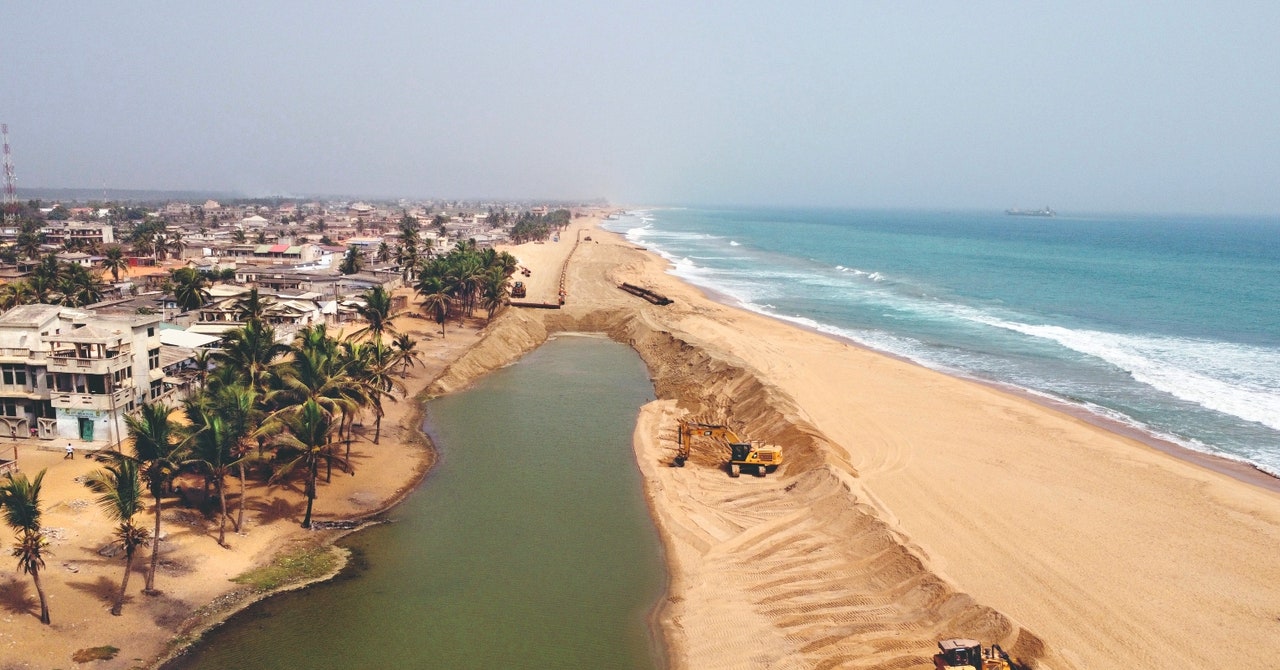
As coastal erosion threatens many countries, the traditional approach of beach nourishment is proving to be unsustainable and costly. A new strategy called the "sand motor," pioneered by the Netherlands, involves creating a sculpted landscape that allows natural wave action to distribute sand along the coastline, providing longer-lasting protection. While successful in some areas, the high upfront costs and need for international assistance make it challenging for many countries to implement. The World Bank is funding sand motor projects in West Africa, but the effectiveness of these interventions depends on comprehensive climate adaptation plans that include shifting development away from vulnerable coastlines.
The World Bank warns that the global economy is set to slow for the third consecutive year, with growth rates expected to be the weakest in 30 years. Despite progress in controlling inflation, the overall economic performance is lagging, and world leaders are likely to miss the 2030 development goals. The report highlights that a quarter of developing countries are now poorer than before the pandemic, and ongoing geopolitical tensions could further dampen global growth. The bank suggests that implementing policy changes, such as expanded trade and capital flows, could fuel an investment boom in developing countries and help improve economic prospects.
The World Bank's latest Global Economic Prospects report predicts the global economy to experience its slowest half-decade of GDP growth in 30 years, with global growth projected to slow for the third year in a row. Developing economies are expected to grow just 3.9%, while low-income countries may see weaker growth than previously expected. The report suggests that reforms to boost investment and strengthen fiscal policy could help turn the tide and offers a clear way forward to achieve a sustained investment boom, especially in developing economies. Additionally, the report identifies measures that commodity-exporting developing economies can take to avoid boom-and-bust cycles.
The World Bank has warned that the global economy is expected to grow at its slowest pace since the pandemic, with a forecasted growth of just 2.4% in 2024. Higher interest rates, conflicts in Ukraine and the Middle East, and disruptions to global trade routes are contributing to the sluggish growth. The report highlights concerns about paralyzing levels of debt, tenuous access to food, and geopolitical risks. While advanced economies are projected to recover better from the pandemic, poorer nations are facing challenges in affordability and recovery. The World Bank emphasizes the need for increased investments, particularly from the private sector, to address challenges such as climate change and the energy transition.
The World Bank predicts that the global economy will slow for a third consecutive year in 2024, with a forecasted growth of 2.4%, down from 2.6% in 2023. Factors contributing to this slowdown include high interest rates, persistent inflation, slumping trade, and challenges in China's economy. The World Bank also expresses concern about deeply indebted poor countries' ability to invest in fighting climate change and poverty. The United States is expected to see growth decelerate to 1.6% this year due to higher interest rates, while China's economy is forecasted to grow at a slower pace.
The World Bank forecasts a global economic growth slowdown to 2.4% in 2024 due to weak global trade and elevated interest rates, but a recession is unlikely. The US economy's strength has reduced the risk of a global recession, but downside risks remain, including Middle East conflict and potential spikes in commodity prices. China's growth is expected to slow to 4.5% due to tepid consumer sentiment and a downturn in the property sector. Developing economies are projected to grow at 3.9%, below the previous decade's average. The outlook beyond 2024 is pessimistic, with most economies expected to grow more slowly than before COVID-19, leading to one of the weakest global growth performances since the 1990s.
The World Bank predicts that the global economy is heading towards its worst half-decade of growth in 30 years, with growth forecast to slow for the third consecutive year in 2024. Developing economies are expected to be hit the hardest, with sluggish global trade and tight financial conditions weighing heavily on growth. The organization warns that without a major course correction, the 2020s will be remembered as a decade of wasted opportunity, but suggests that governments can turn the tide by increasing investment and strengthening fiscal policy frameworks.
The World Bank warned of a decade of weak growth and a "wasted opportunity," projecting a further slowdown in global output to 2.4 percent in 2024 due to the pandemic recovery, wars in Ukraine and the Middle East, and a weakened Chinese economy. Developing countries are particularly affected by high borrowing costs and sluggish trade volumes, while the recent conflicts in the Middle East and Ukraine pose risks of surging energy prices and inflation. The report also highlighted signs of fragility in China's economy and projected weak output in Europe and the United States for 2024.