HBR Readers Reveal How Work Evolved in 2025
The article discusses how work has evolved in 2025 based on insights from HBR readers, highlighting changes driven by technology and data sharing practices.

All articles tagged with #work
The article discusses how work has evolved in 2025 based on insights from HBR readers, highlighting changes driven by technology and data sharing practices.
AI is transforming workplace learning, but the article also highlights concerns about personal data processing and sharing with multiple vendors and ad partners, emphasizing the importance of managing privacy settings.

A job seeker shares their experience of being ghosted after a promising interview and receiving a job offer, highlighting the unprofessionalism of the employer and advising to move on and focus on new opportunities.
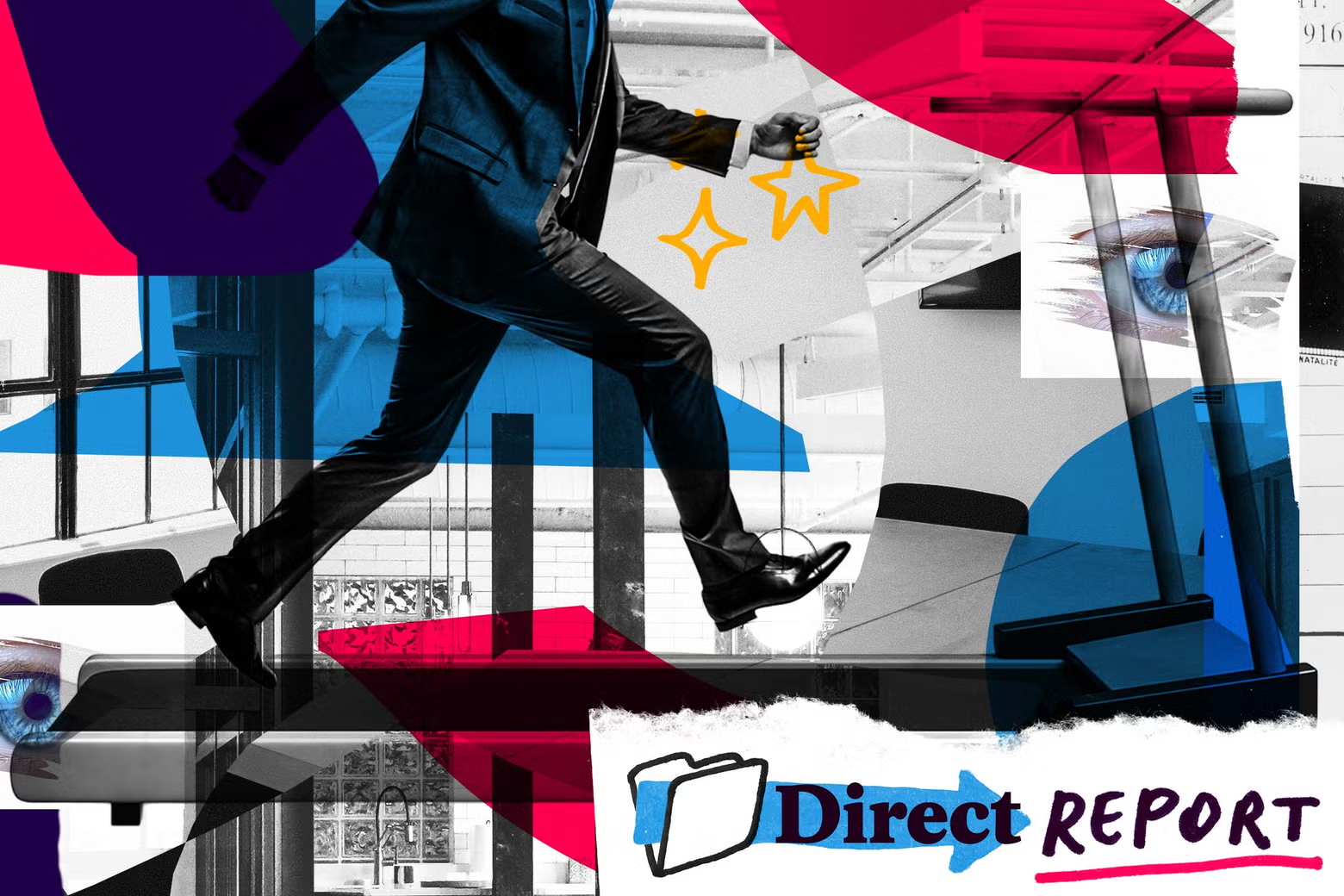
Many workplace wellness initiatives, such as fitness, nutrition, and mindfulness programs, are often out of touch with employees' boundaries and realities, leading to discomfort, resentment, and even harm, especially when they intrude on personal topics like body image and dieting. These programs tend to shift responsibility for well-being onto employees while neglecting systemic issues like understaffing and unreasonable workloads, making them ineffective and sometimes counterproductive.

Whoopi Goldberg, a long-time co-host of 'The View,' states she cannot afford to retire because she hasn't married well and still needs to pay bills, despite her successful career. Joy Behar also expresses a desire to continue working, emphasizing that creative people don't retire. The show has returned for its 29th season with high viewership.

Kevin Ford shares his experience of 'quiet cracking,' a self-destructive response to prolonged job dissatisfaction, which he experienced 15 years ago in IT, highlighting the importance of recognizing and addressing workplace unhappiness before it causes long-term harm.

'Quiet cracking' describes the silent struggle of employees feeling unhappy and disengaged at work but feeling unable to leave, often due to financial or emotional reasons. Workers share experiences of stress, mental health challenges, and the feeling of being trapped, highlighting the need for better workplace support and understanding.

'Quiet cracking' is a rising workplace issue where employees silently struggle and disengage, showing signs similar to burnout but often going unnoticed, driven by economic uncertainty and job market conditions, with potential impacts on morale and productivity.

A long-term employee feels overlooked for a key conference despite positive feedback from colleagues and managers, highlighting issues of recognition and access to professional development opportunities.
The article explores the transformative impact of AI on work, highlighting the potential for increased efficiency and displacement, the exploitation of invisible labor, and the importance of preserving human dignity through policy and societal values, emphasizing the need for a balanced approach to technological advancement.
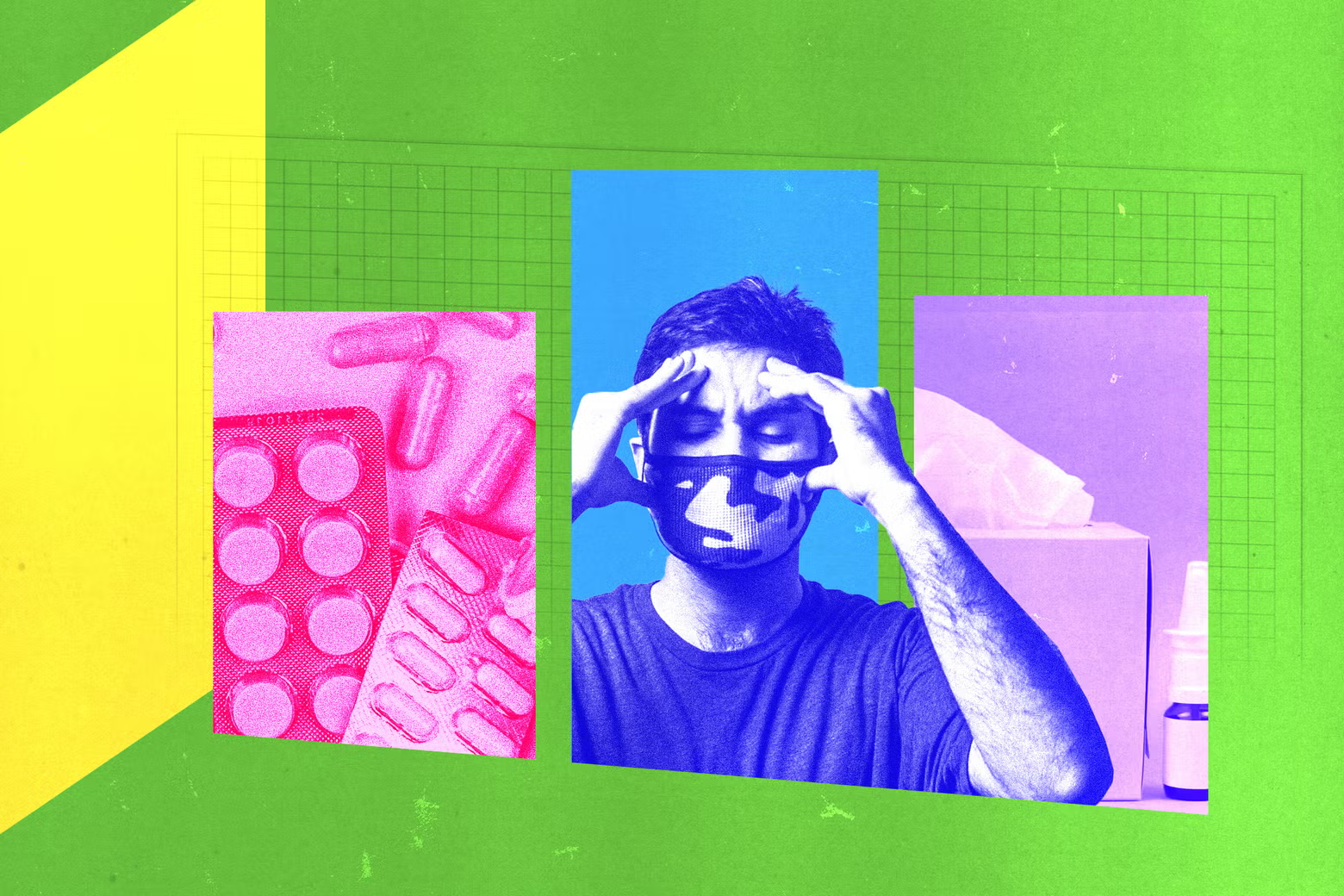
A workplace advice column discusses a boss with health anxiety who involves an employee in medical research, highlighting the importance of recognizing hypochondria and suggesting ways to set boundaries and encourage professional help. It also offers guidance for employees navigating job transitions and managing new job challenges, emphasizing patience, communication, and self-care.

The article discusses how adults with ADHD can manage their condition at work by finding community support, using organizational tools like lists and body doubling, requesting workplace accommodations, and embracing their unique strengths such as creativity and hyper-focus to turn ADHD into a potential advantage.

Today's career horoscope advises Aries to foster a positive workplace, Taurus to be cautious with opportunities, Gemini to stay diligent, Cancer to handle conflicts professionally, Leo to be open-minded, Virgo to handle pressure, Libra to not fear criticism, Scorpio to focus on practical actions, Sagittarius to improve skills, Capricorn to embrace inspiration, Aquarius to explore unconventional opportunities, and Pisces to be patient and seek advice.

A study of over 7,000 Norwegians has found that engaging in mentally stimulating work can help protect against cognitive decline in older age, with those in less mentally demanding jobs having a higher risk of mild cognitive impairment and dementia after the age of 70. The research suggests that education and cognitive stimulation at work play significant roles in building cognitive reserve, emphasizing the importance of using the brain through work and pursuing cognitively challenging activities outside of work to promote long-term cognitive health.

These affordable headphones offer impressive sound quality, comfortable fit, and effective noise-canceling, making them a great option for those who prioritize comfort and functionality at work, according to a BuzzFeeder's review and an Amazon customer's feedback. Priced at $65.99+, they are available in silver and black on Amazon.