The article explores the paradox of AI as both a powerful tool for content creation and a potential threat to traditional publishing and employment, emphasizing the enduring human desire for community, uniqueness, and beauty, and discussing long-term economic and societal implications of AI-driven inequality and technological abundance.
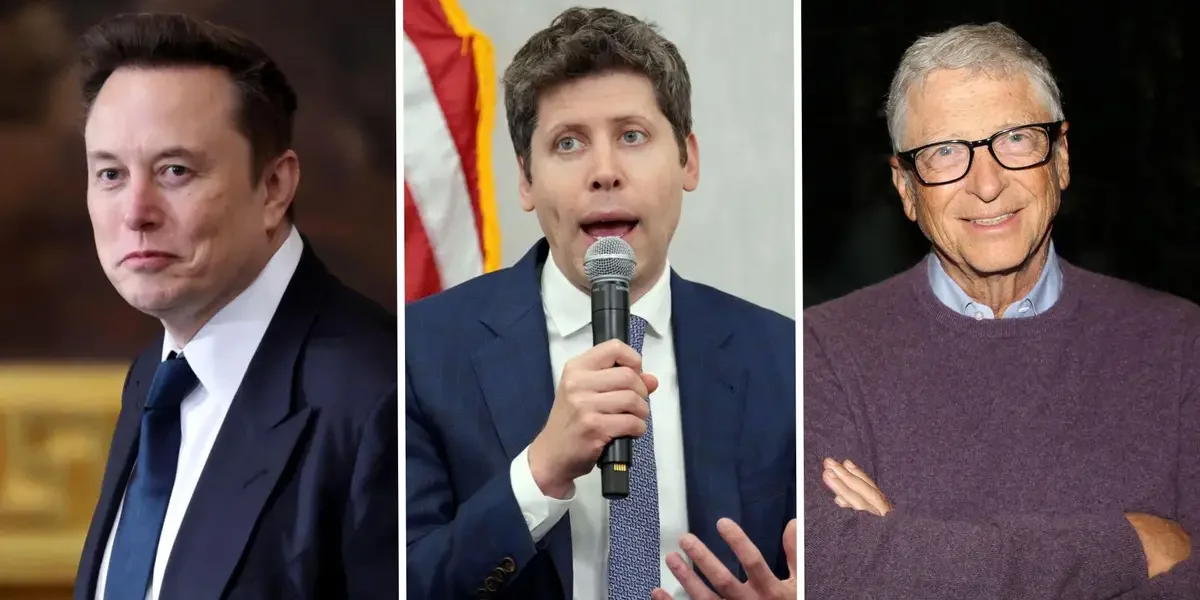
Prominent tech figures like Elon Musk, Bill Gates, and others envision a future where AI creates abundance, potentially eliminating the need for traditional work and leading to universal high income or wealth sharing, though opinions vary on how this will unfold and be distributed.
Over the past year, insights from 50+ tech leaders highlight that AI is transforming work by making AI fluency and soft skills essential, with a focus on the rapid evolution towards superintelligence and the importance of human control in AI development.
The article discusses how work has evolved in 2025 based on insights from HBR readers, highlighting changes driven by technology and data sharing practices.
AI pioneer Yoshua Bengio warns that automation and AI advancements are rapidly threatening jobs across all sectors, including trade jobs, and could even impact democracy within the next five years, urging leaders to address these risks proactively.
The article highlights how the rapid AI and digital transformation is reshaping the job market, with traditional roles declining and new, higher-skilled jobs emerging. Despite these changes, schools are not adequately preparing students—especially disadvantaged youth—for the future, as career aspirations remain outdated and essential skills like digital literacy, critical thinking, and emotional intelligence are undervalued. A comprehensive, system-wide approach involving real-time labour market data and integrated education strategies is needed to equip young people for the evolving workforce.
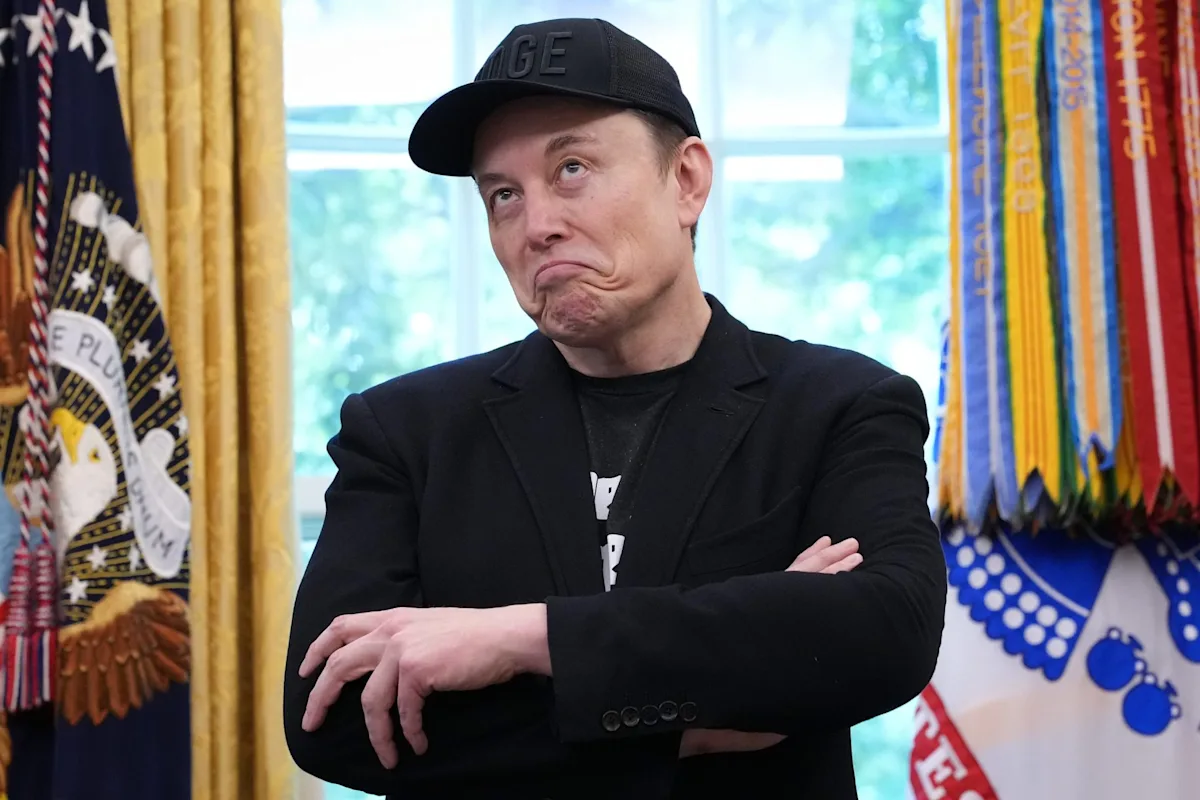
Elon Musk predicts that within 10 to 20 years, advancements in AI and robotics will make work and salaries obsolete, leading to a future where money becomes irrelevant as machines fulfill all human needs, raising questions about resource allocation and societal structure.
Elon Musk predicts that advancements in AI and robotics will make work and salaries obsolete within 10 to 20 years, leading to a future where money loses its relevance as basic needs are met without human labor, though government intervention like universal basic income may be necessary to manage wealth distribution.
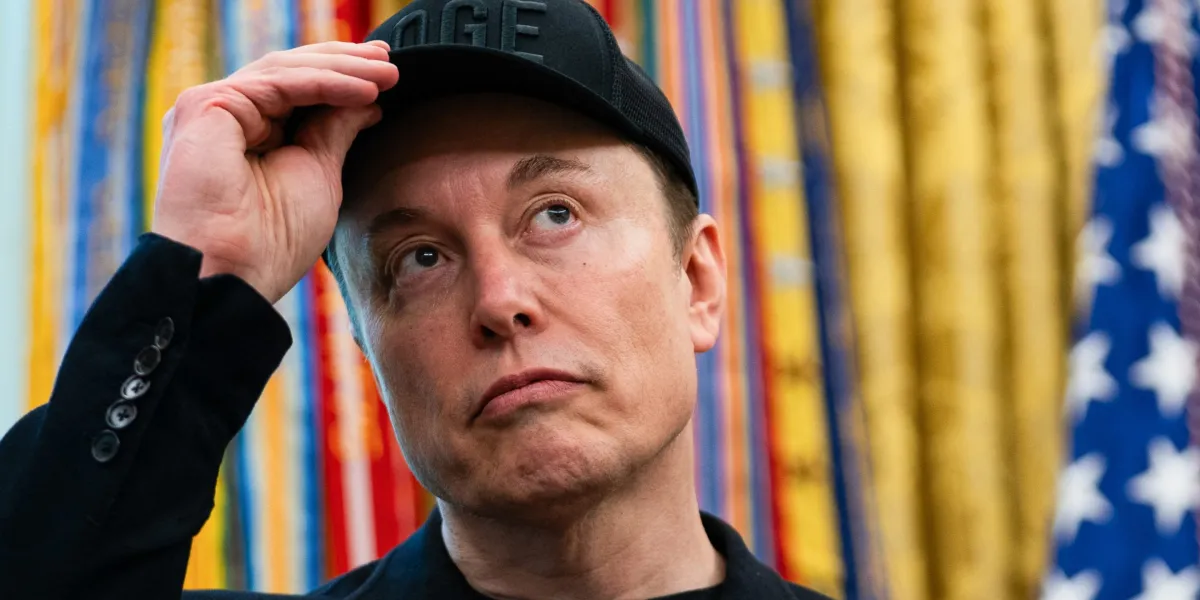
Elon Musk predicts that within 10 to 20 years, advancements in AI and robotics will make work optional for most people, transforming society to where jobs are a personal choice and living arrangements are flexible, supported by universal basic income. Other tech leaders like Bill Gates and Jensen Huang also foresee shorter workweeks driven by AI, though with increased productivity leading to more ideas and projects rather than less activity.
As layoffs increase, training AI models has become a lucrative side hustle, with humans performing tasks like data labeling and model fine-tuning to help develop autonomous systems, potentially at the cost of future jobs, while some workers see it as a way to stay relevant in an increasingly automated world.
Agentic AI is rapidly transforming the workforce by enabling professionals to work alongside autonomous AI agents, leading to new roles, organizational structures, and opportunities for innovation, with organizations needing to build robust data and management systems to thrive in this new era.
The article discusses the emerging trend of 'vibe working,' where generative AI is used to make work more fluid and improvised, with companies adopting new roles and language like 'vibe checks' and 'Chief Vibe Officer.' While it promotes a relaxed, innovative work culture, experts warn that vibe work still requires skill and effort, and the trend may obscure the true labor involved.
Jeff Bezos envisions millions living in space by 2045 with robots handling lunar work, while other tech leaders like Elon Musk and Sam Altman predict rapid advancements in space colonization and new careers in space. Despite optimism from billionaires, Bill Gates emphasizes focusing on Earth's issues, though he also foresees AI enabling a shorter workweek and more leisure time.
The CEO of LinkedIn and other business leaders are warning that college degrees are becoming less relevant in the evolving job market, with success increasingly dependent on adaptability and AI skills rather than traditional education, as prominent entrepreneurs and CEOs highlight the changing landscape of employment and the diminishing value of degrees.
LinkedIn CEO Ryan Roslansky emphasizes that in the evolving workplace, AI literacy and human skills like empathy, communication, and adaptability will be more important than traditional degrees, as AI integration increases and changes the skill requirements for jobs.