Merriam-Webster's 2025 Word of the Year is 'slop,' highlighting the surge of low-quality AI-generated digital content such as fake news, absurd videos, and junky books, reflecting the era of pervasive AI-produced media.

Merriam-Webster's 2025 word of the year is 'slop,' reflecting concerns about low-quality AI-generated digital content and a desire for authenticity, amidst the rise of generative AI tools and misinformation online.
Merriam-Webster has named 'slop' as its 2025 word of the year, reflecting the prevalence of low-quality digital content influenced by AI across social media, while Oxford chose 'rage bait' to highlight online engagement and ethics issues.
Merriam-Webster's 2025 word of the year is 'slop,' reflecting the rise of low-quality, AI-generated digital content and the public's growing awareness and desire for authenticity in the digital age.
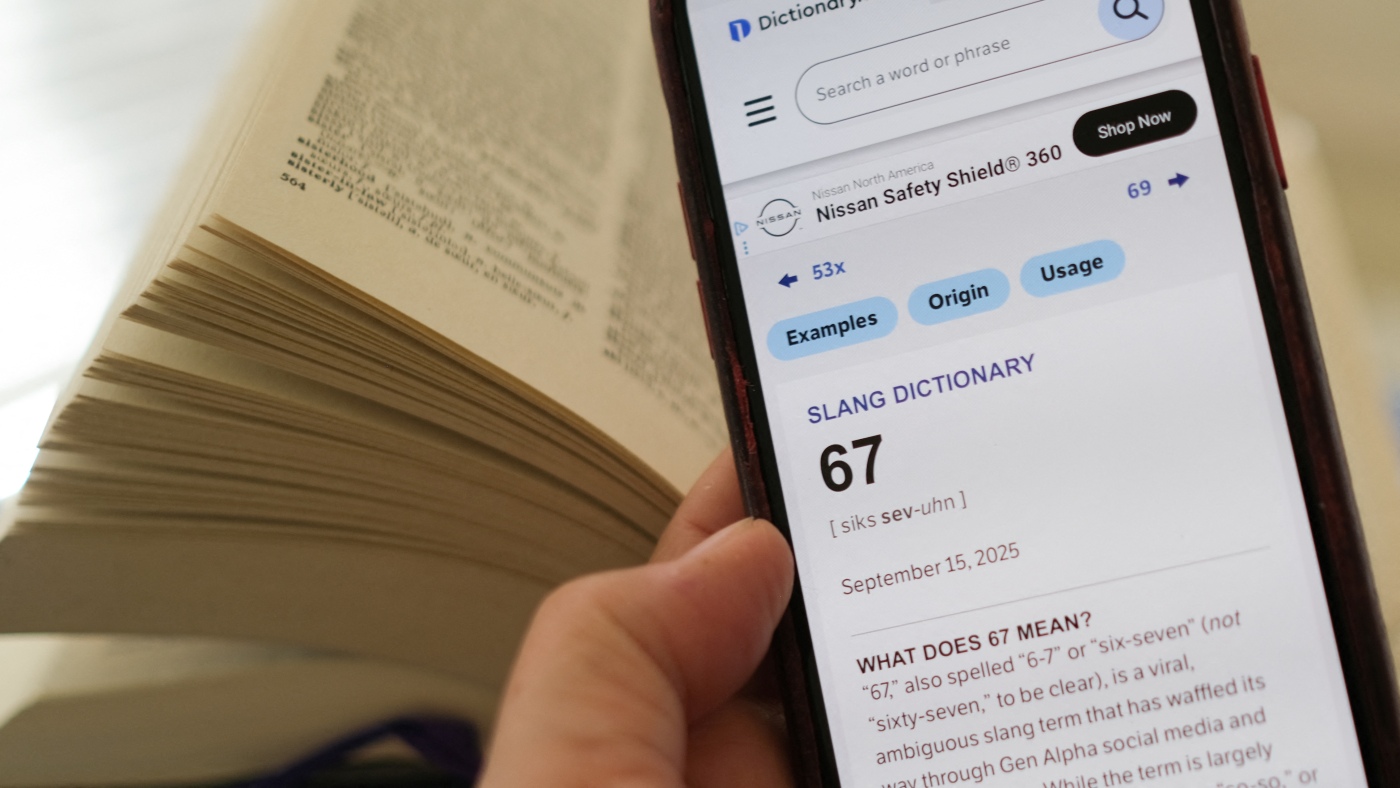
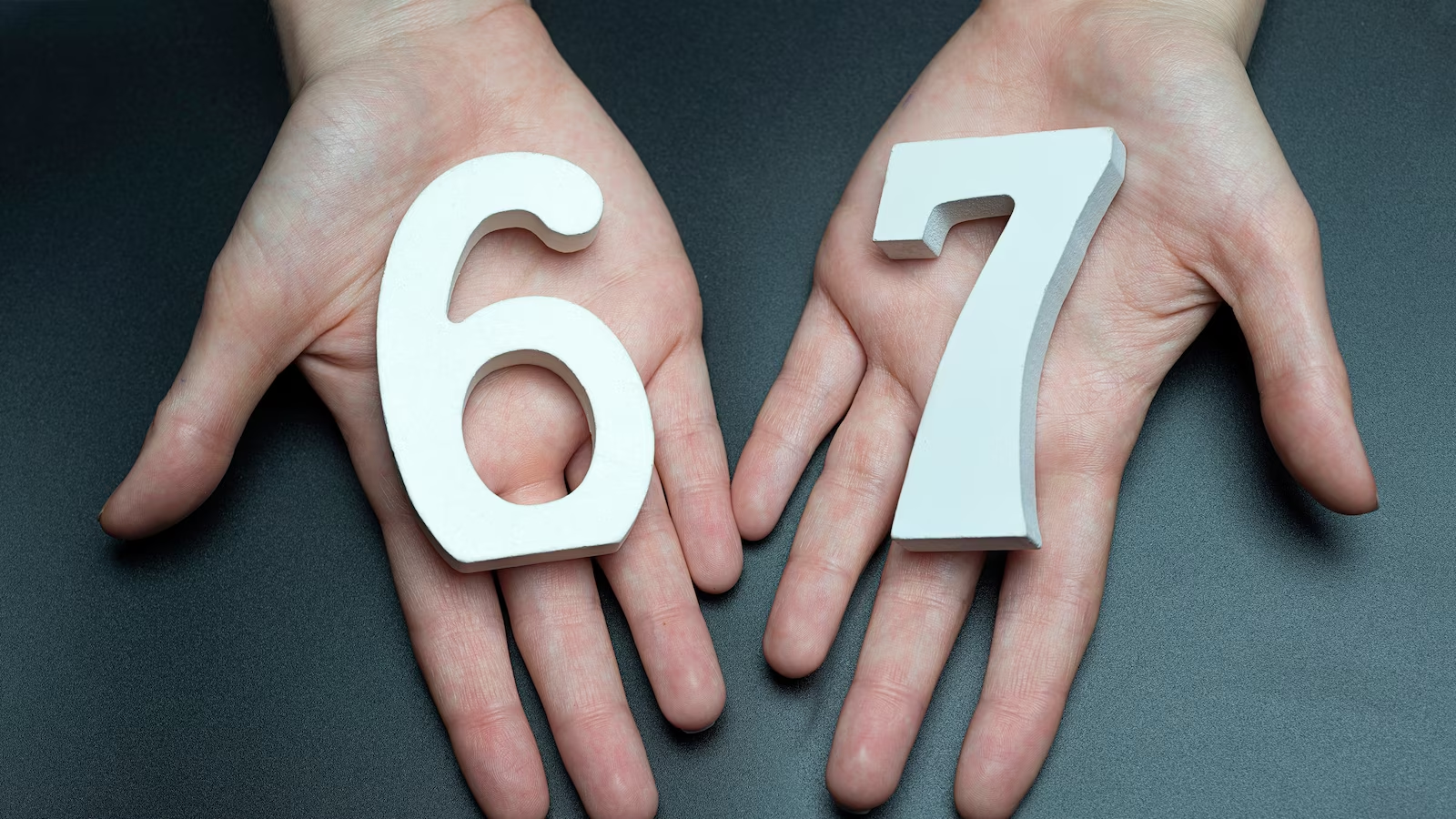
Dictionary.com named the viral, nonsensical social media phrase '6-7' as its Word of the Year, reflecting its popularity among teens and its status as an inside joke with unclear meaning, originating from TikTok videos and a rapper's song, and gaining widespread attention despite its ambiguity.
Dictionary.com named '67' as the 2025 word of the year, highlighting its viral spread among youth and its lack of a specific definition, symbolizing the rapid evolution of online language and social trends.
Dictionary.com has named '67' as its 2025 Word of the Year, highlighting its role as a social signal and expression of absurdity among youth, with origins linked to music, sports, and internet culture, reflecting rapid linguistic evolution.
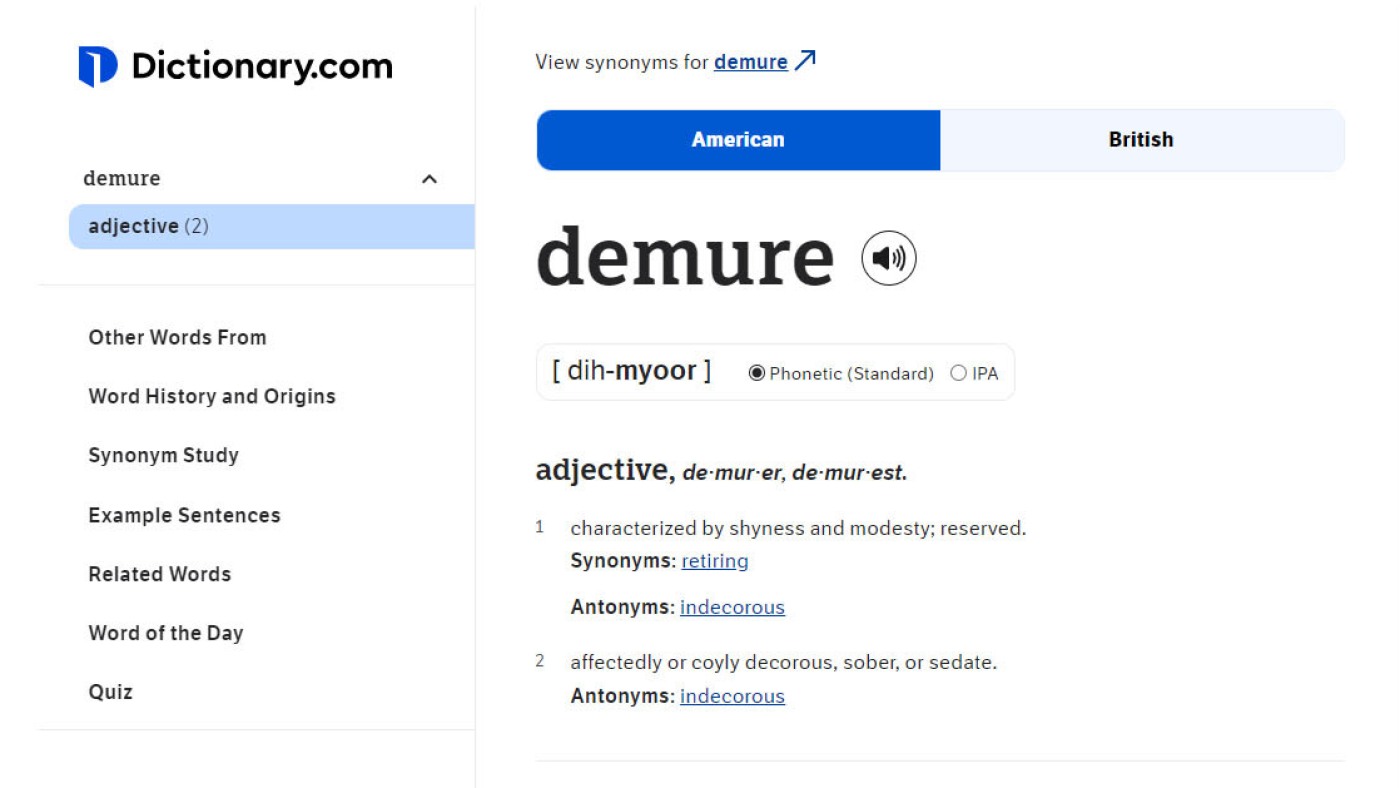
Dictionary.com has named "demure" as its word of the year, largely due to its popularization by lifestyle influencer Jools Lebron, who frequently used the phrase "very demure, very mindful." The word, meaning "reserved, quiet, or modest," saw a dramatic increase in searches and usage after Lebron's influence, with celebrities like Jennifer Lopez and Khloé Kardashian joining the trend. This surge in interest highlights the impact of social media on language trends.
Dictionary.com has chosen "demure" as its 2024 Word of the Year, a decision influenced by the word's viral popularity on TikTok, particularly through videos by Jools Lebron. The term, which means "characterized by shyness and modesty; reserved," saw a 1,200% increase in usage from January to August 2024. "Demure" was selected over other contenders like "Brainrot" and "Extreme Weather." Other dictionaries, such as Cambridge and Oxford, have also announced their Words of the Year, with Cambridge choosing "manifest."
As 2023 comes to a close, various words have emerged around the world that capture the popular mood. While some consider "AI" as the word of the year, other contenders include "authentic," "rizz," "password child," "kitawaramba," "bwa kale," "spy balloon," "kuningi," "c'est la hess," "zei," "nones," "shan dao hou zi," "bharat," and "quoicoubeh." These words reflect a range of sentiments and cultural contexts, from slang terms in Australia and Kenya to expressions of frustration in South Africa and France.
Oxford has named "rizz" as its word of the year, a term popularized by actor Tom Holland. The word is short for charisma and refers to style, charm, or attractiveness. Other finalists for the word of the year included "Swiftie" and "situationship." Some argue that the word "parasocial" should have won, as it describes the one-sided sense of intimacy felt by fans towards celebrities. The choice of "rizz" has sparked discussions about generational differences and the evolving nature of language.
"Rizz" has been named the word of the year for 2023 by the Oxford English Dictionary. The term, popularized on platforms like TikTok, refers to charisma, charm, and attractiveness. It can also be used as a verb. The word beat out other finalists such as Swiftie and situationship. "Rizz" reflects the growing influence of Gen Z and its impact on language and culture.
Oxford University Press has chosen "rizz" as its word of the year, highlighting its popularity among Generation Z. The term refers to someone's ability to attract or seduce another person and is believed to come from the middle of the word "charisma." This decision reflects how younger generations shape and define the language they use, both online and offline, as they have a growing impact on society.
Merriam-Webster has announced "authentic" as the Word of the Year for 2023, reflecting the increasing importance of authenticity in today's world. With the rise of artificial intelligence, deepfake technology, and influencer culture, people are seeking genuine experiences and connections. The word saw a significant increase in lookups, as individuals navigate a world where reality is often challenged. Merriam-Webster also highlighted other trending words, including "rizz," "deepfake," "coronation," "dystopian," "EGOT," "X," "implode," and "doppelgänger."