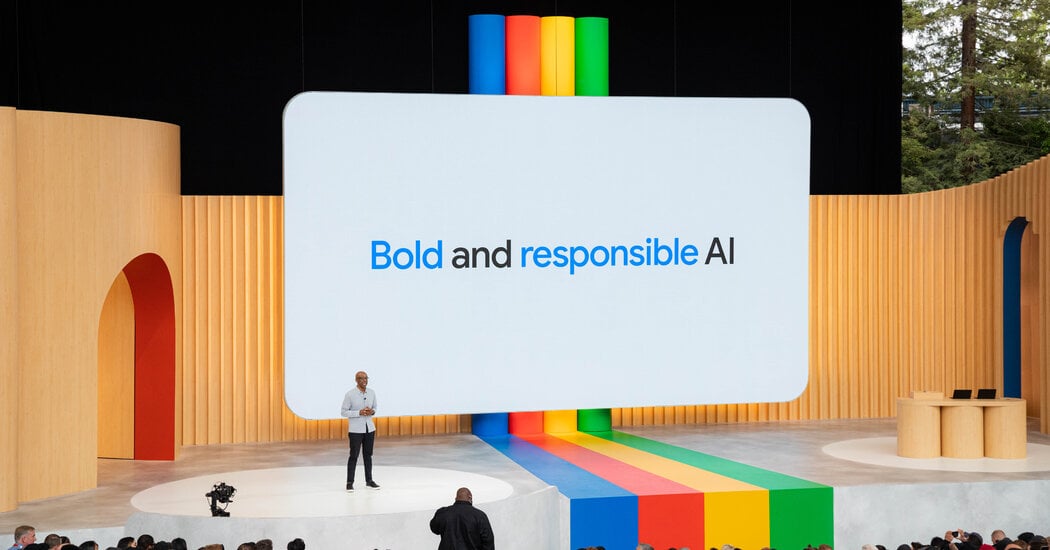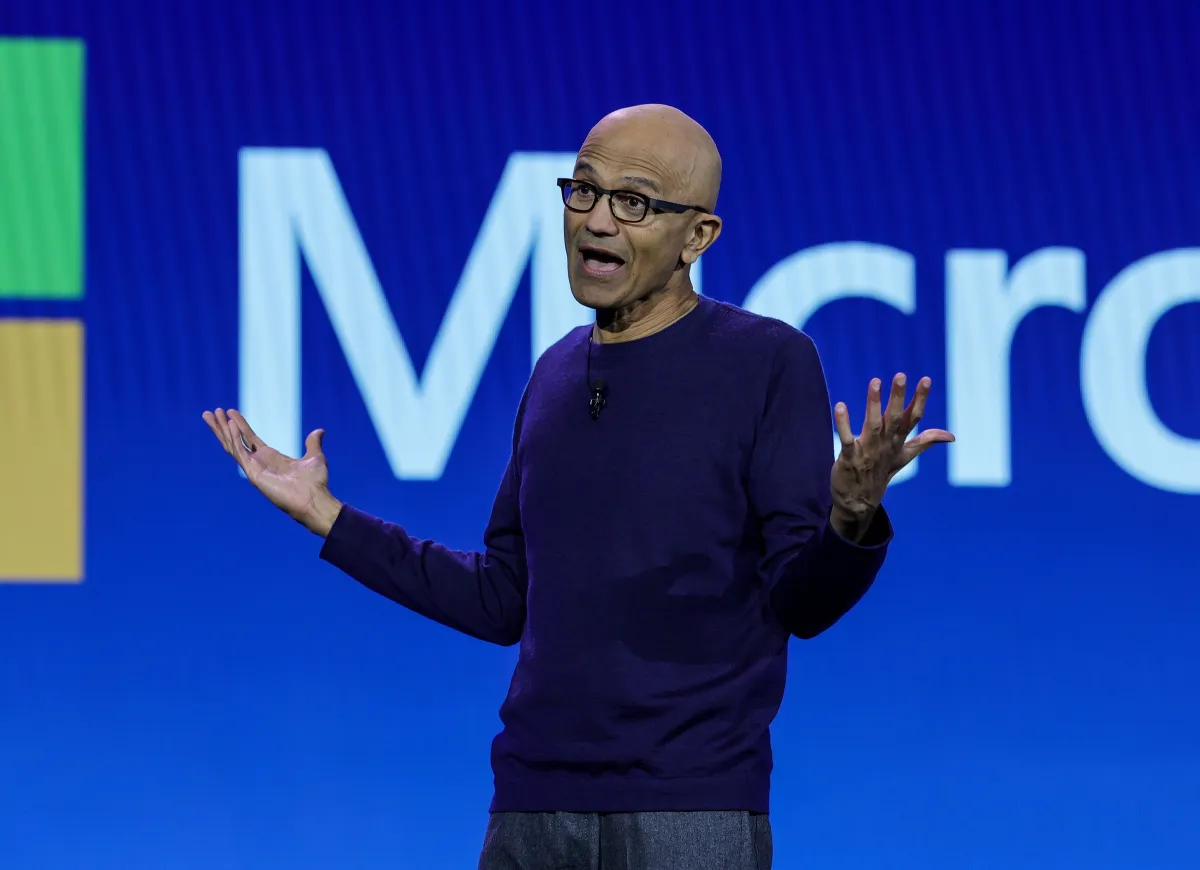
Microsoft CEO Satya Nadella urges people to move beyond the term 'slop,' which was Merriam-Webster's word of the year for 2025, describing low-quality AI-generated content, and emphasizes accepting AI as part of human progress despite consumer resistance and concerns about AI's impact on cognition.

Merriam-Webster's 2025 Word of the Year is 'slop,' highlighting the surge of low-quality AI-generated digital content such as fake news, absurd videos, and junky books, reflecting the era of pervasive AI-produced media.
Merriam-Webster's 2025 Word of the Year is 'slop,' highlighting the surge of low-quality AI-generated digital content that floods online platforms, spreads misinformation, and affects various aspects of life, reflecting concerns about the impact of AI on creativity and information integrity.
Merriam-Webster has named 'slop' as its 2025 word of the year, reflecting the prevalence of low-quality digital content influenced by AI across social media, while Oxford chose 'rage bait' to highlight online engagement and ethics issues.
The 2026 Forbes 30 Under 30 Media list highlights young innovators using technology to reshape the media landscape, from AI-powered creative tools and social media news platforms to engaging content creators and journalists, emphasizing adaptation and new possibilities in the evolving industry.
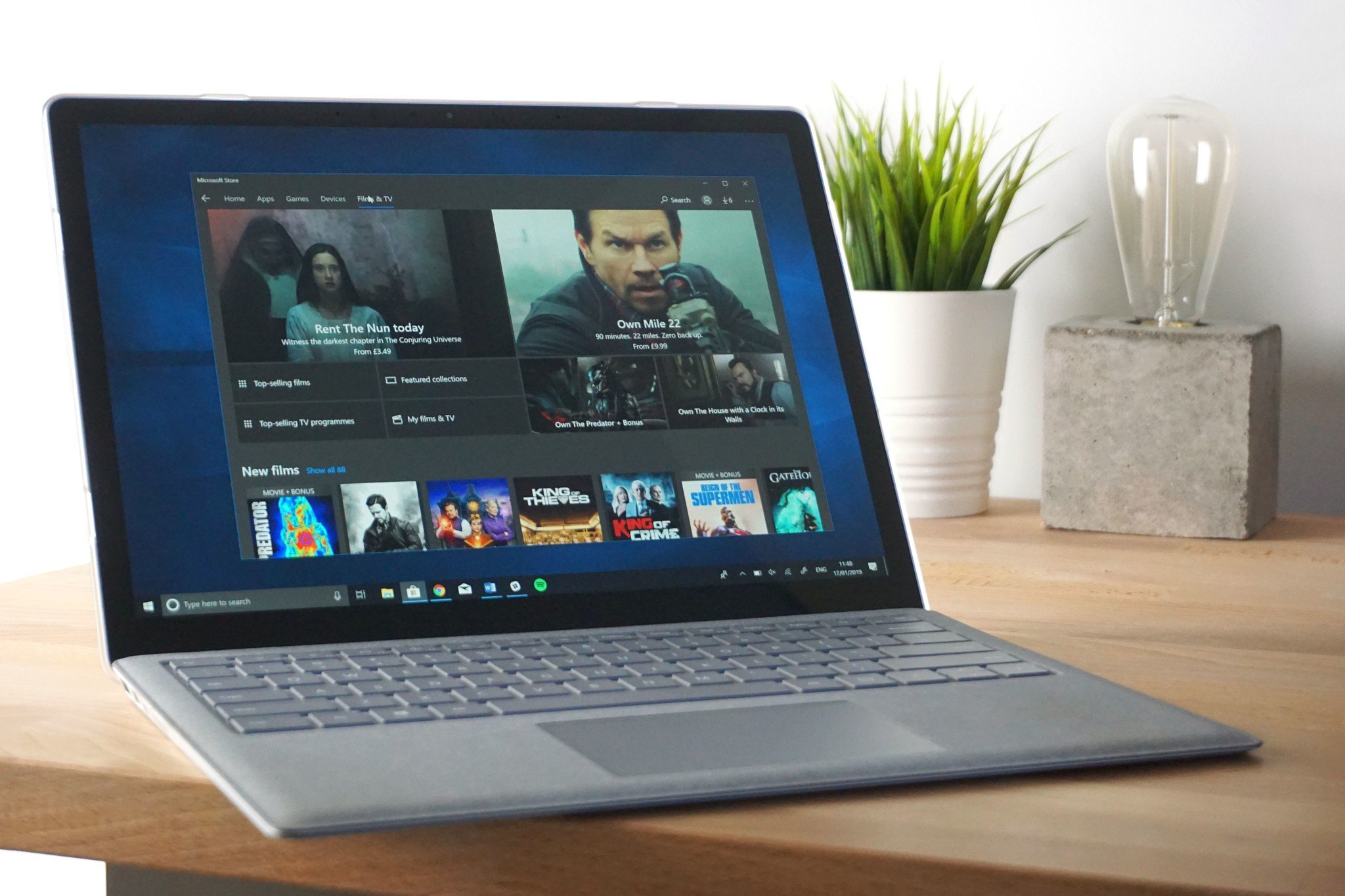
Microsoft is shutting down its Movies & TV storefront on the Microsoft Store as of July 18, meaning users can no longer purchase new movies or TV shows through the platform. Existing purchased content remains accessible via the Movies & TV app, but the storefront itself will be discontinued. Users are encouraged to switch to third-party streaming services for new content, marking the end of nearly 20 years of Microsoft's linear entertainment media sales.
Vice Media plans to cut hundreds of jobs and stop publishing on Vice.com as it shifts to partnering with established media companies for digital content distribution. The company, which filed for bankruptcy in the US and was bought by Fortress Investment Group, cited cost-effectiveness as the reason for the changes. This move comes amid a trend of job cuts in the media industry, with Vice continuing to sell the business and facing financial challenges despite its initial promise as a disruptive force in traditional media.
Vice Media's CEO confirmed plans to lay off "several hundred" staffers and transition to a "studio model," ceasing content publication on vice.com and seeking to distribute digital content through partnerships with other media companies. The company's flagship news website's future remains uncertain following its sale to former bankruptcy lenders, with staff expressing concern and seeking clarity from management. The decision to restructure comes amid a tech update and financial challenges, as Vice Media aims to adapt its strategies for long-term competitiveness.
Vice Media Group is set to lay off "several hundred" employees and discontinue publishing content on its website, Vice.com, as part of a major restructuring aimed at addressing financial challenges. The company plans to focus more on social channels and partner with established media companies to distribute its digital content. Additionally, Vice is in advanced discussions to sell Refinery29, the women-focused media company it acquired in 2019. The changes come after Vice filed for Chapter 11 bankruptcy protection last year and closed a $350 million sale to a group of its former lenders.
Sony's merger of Funimation with Crunchyroll will result in the erasure of purchased digital content, causing frustration among anime fans who had expected to have access to their content indefinitely. While physical copies will still provide access, the move serves as a reminder of the impermanence of digital content and the control companies have over it.
Google has joined the Coalition for Content Provenance and Authenticity (C2PA) to enhance transparency around AI-generated content and digital media. The C2PA aims to establish an open technical standard for tracing the origin and modifications of digital content, akin to a "nutrition label." With Google's support, widespread adoption of this standard may be on the horizon, potentially enabling users to access the history of online content. Other companies, such as Adobe, Microsoft, and Intel, are also involved in setting the technical direction of the group. This move comes amid growing concerns about deepfakes and AI-generated content, with efforts underway to develop solutions and tools to address these challenges.
Google has joined an effort to develop credentials for digital content, aiming to create a "nutrition label" that identifies when and how a file was produced or altered, including with A.I. The company will collaborate with other tech giants and organizations to fine-tune technical standards, following a similar promise by Meta. This move comes as the authenticity of online content is a high priority for lawmakers and tech watchdogs, with the aim of making the digital ecosystem more trustworthy.
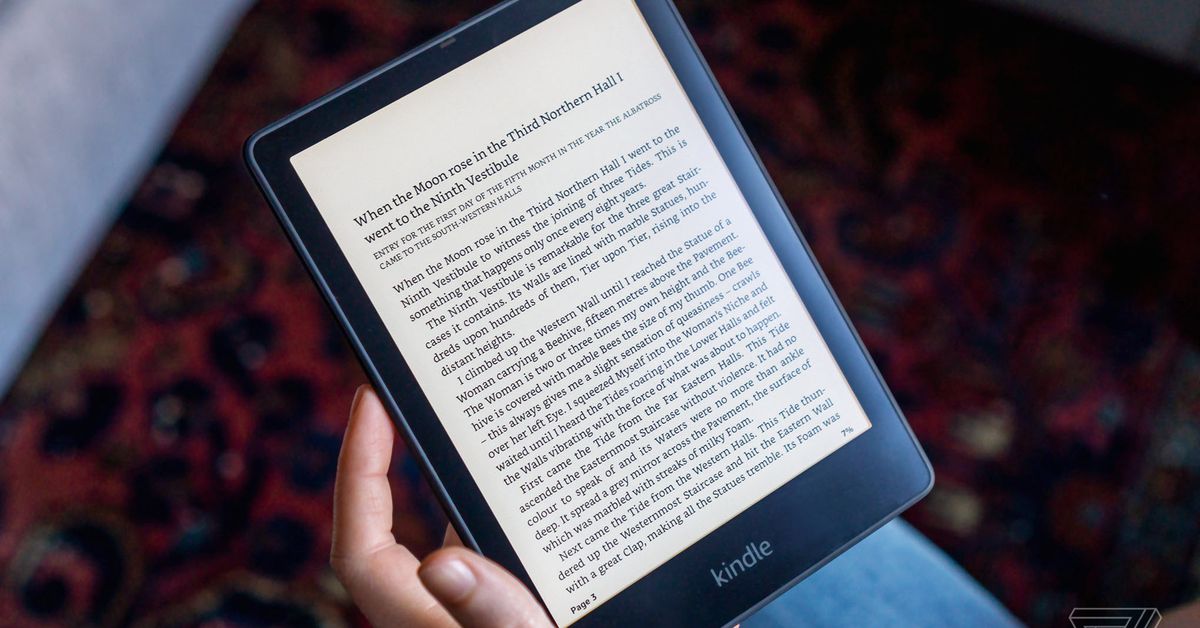
Amazon is introducing a new feature called Your Books, which allows users to access and search through their entire library of purchased books, including digital, physical, and audiobooks. The feature provides various filters for sorting, such as author, genre, and series, as well as personalized recommendations based on previous purchases. However, there are some issues with organizing digital comic books and manga. While the feature is a step in the right direction for managing digital content, adjustments are needed to make it a comprehensive hub for all mediums.
Dedicated Star Trek fans have been using AI to upscale the acclaimed series Deep Space 9, which was originally broadcast in the '90s at a low resolution. While the official remastering process for Star Trek: The Next Generation was a success, the rise of streaming services meant that the expensive Blu-ray set sold poorly. As a result, fans have taken matters into their own hands, using AI-based tools to improve the image quality of DS9. Although the process is time-consuming and costly, it has yielded impressive results, showcasing the potential of intelligent upscaling in the future of digital content. However, the lack of official support from studios like Paramount and CBS highlights a missed opportunity for professionals to enhance beloved shows.
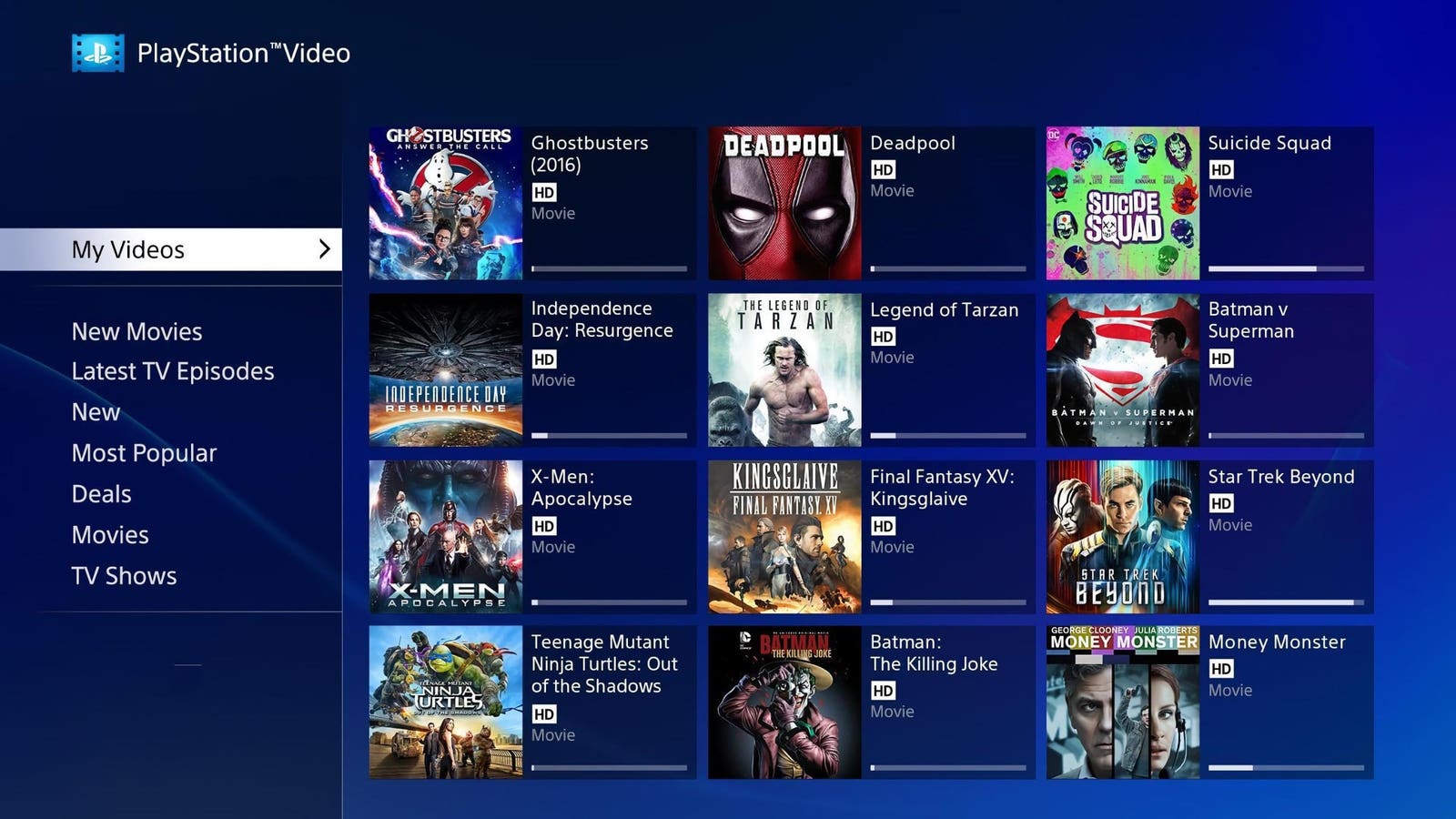
Sony has announced that certain TV shows purchased by players through PlayStation will be deleted from their libraries, specifically Discovery TV shows. This move is attributed to Warner Bros., which has been removing content from its service to save on residuals and obtain tax breaks. The deletion is likely due to the merger of Discovery and HBO Max into "Max." While there may be fine print indicating that users do not technically own the content, this incident raises concerns about purchasing digital content from PlayStation in the future.