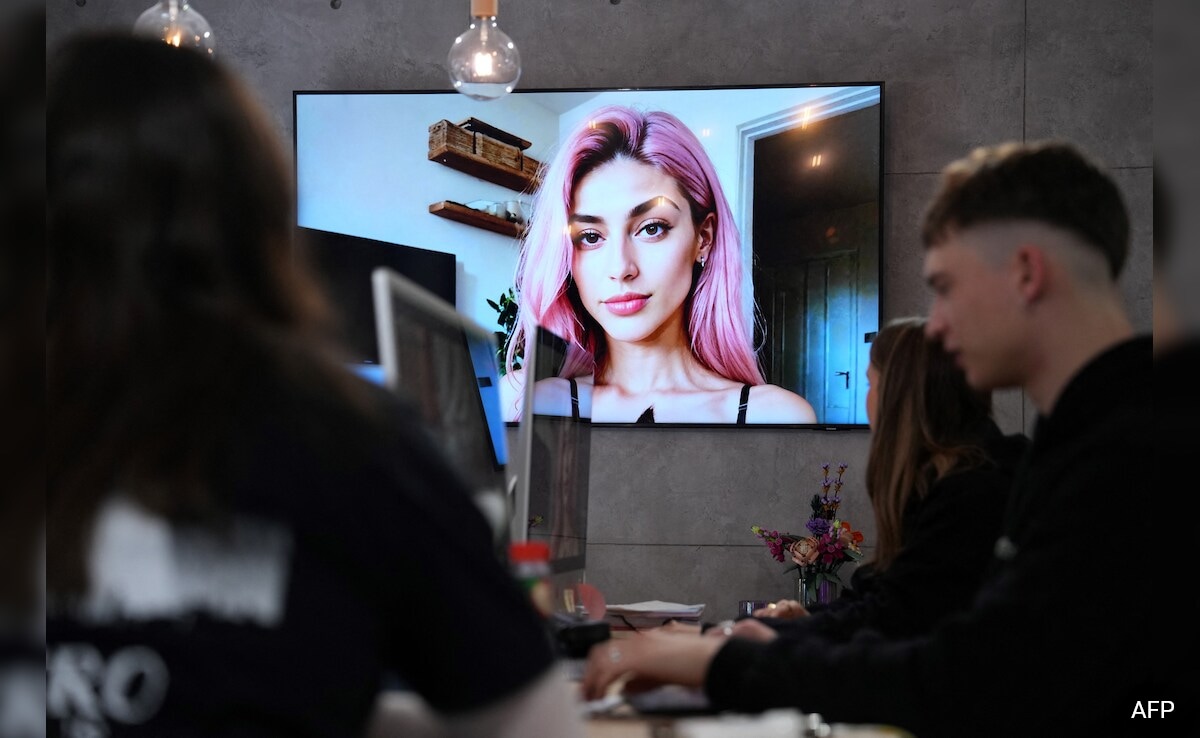
Social media influencers are facing competition from AI-generated models as companies like The Clueless create virtual influencers like Aitana Lopez, offering cost-effective and creatively controllable alternatives to human influencers. The rise of AI has also led to concerns about deepfake videos, prompting platforms like Meta to introduce "Made with AI" labels. While human influencers are also leveraging AI technology to improve their content, the influencer market is expected to grow significantly, presenting both challenges and opportunities for the industry.
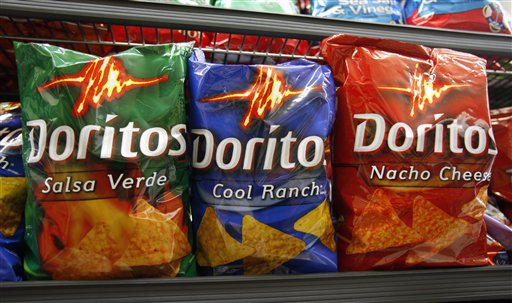
Doritos ended its collaboration with trans influencer Samantha Hudson after facing backlash for featuring her in an ad, with some critics citing controversial tweets from her past. The snack brand condemned any promotion of violence or sexism, and both the old tweets and Hudson's Instagram video for Doritos have been removed from the internet. Hudson had previously apologized for the posts, attributing them to "dark humor."
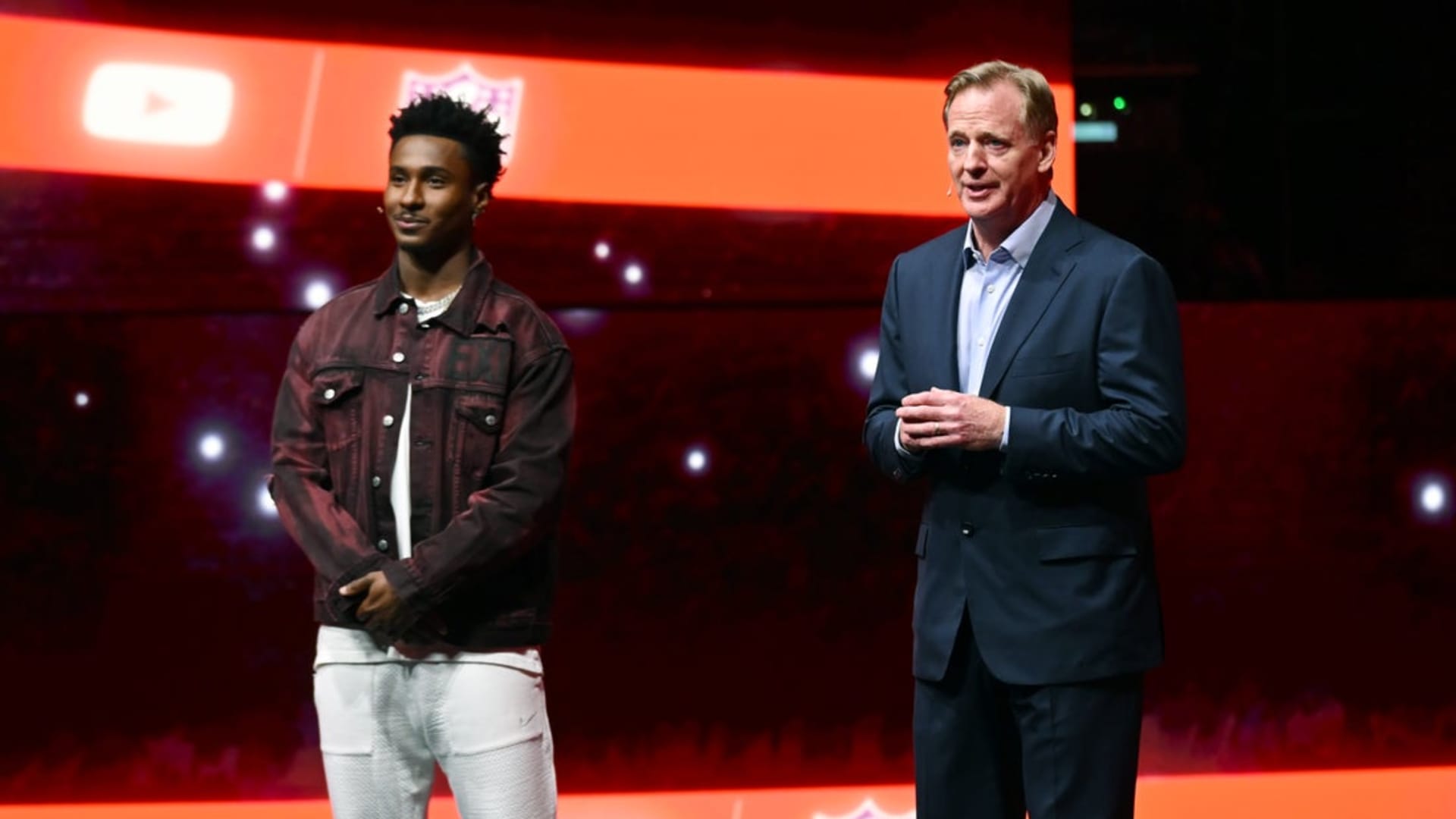
YouTube's $2 billion per year commitment to NFL Sunday Ticket has helped boost YouTube TV's subscriber base to over 8 million, with the help of top creators promoting the service. The partnership aims to attract new, younger fans to the NFL by enlisting popular YouTube stars to create engaging content around the football season. The strategy has been successful in increasing viewership and engagement, with the NFL launching various shows on YouTube and collaborating with influencers to extend the reach of the sport.
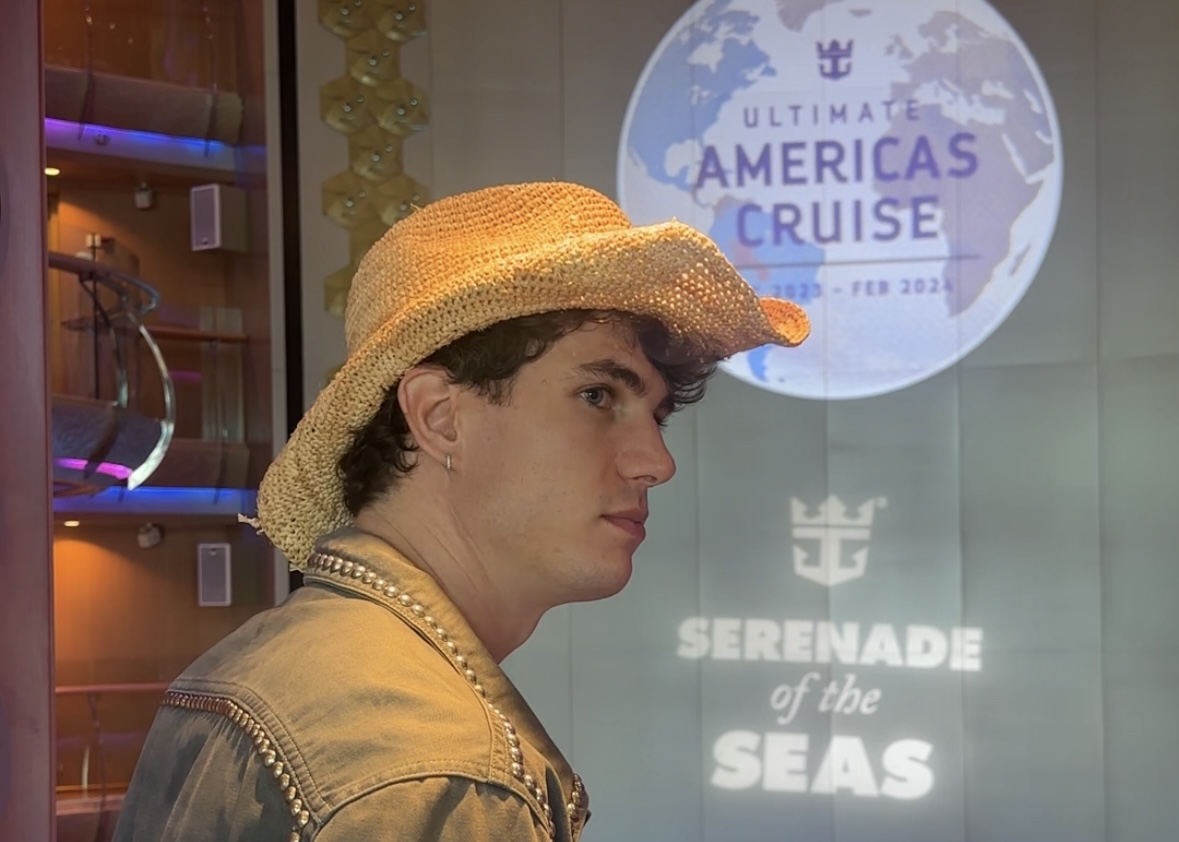
TikTok star Marc Sebastian gained popularity for his videos on fashion and pop culture, and recently embarked on Royal Caribbean’s Ultimate World Cruise, documenting his experiences and interactions on the nine-month global tour. His candid and entertaining content, including critiques of ship life and interactions with other influencers, garnered millions of views. Despite not monetizing his videos, Sebastian's cruise journey has boosted his visibility and led to coverage in major news outlets, marking a successful foray into influencer marketing.
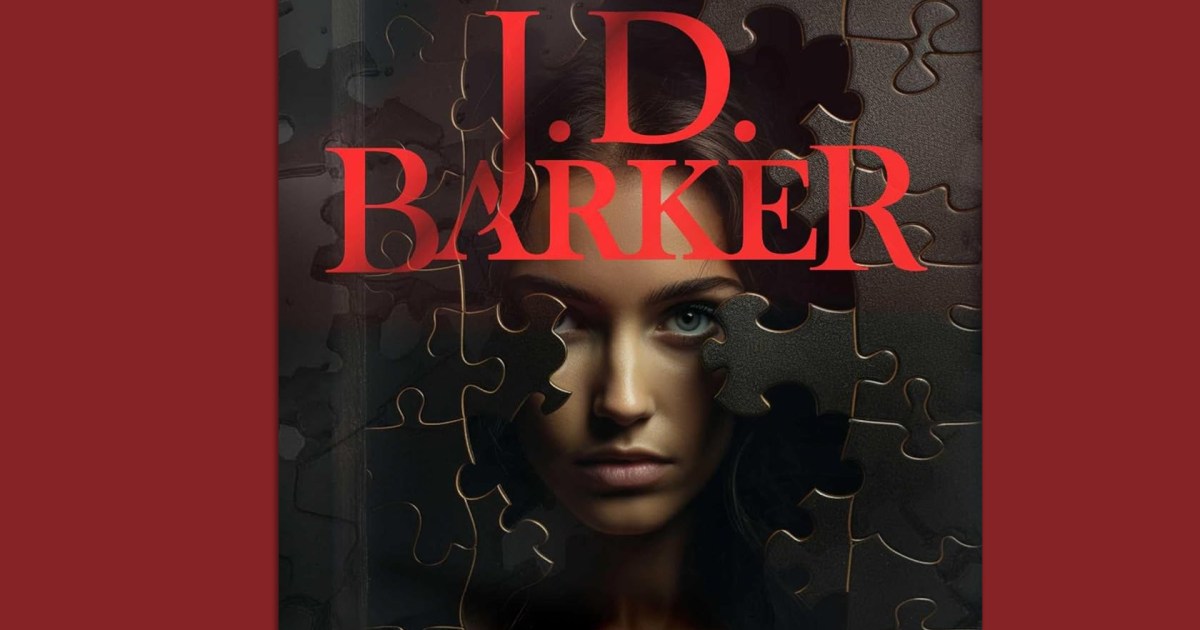
Bestselling author J.D. Barker faces backlash after a PR firm, allegedly owned by him, sent sexually suggestive promotional requests to BookTok creators for his upcoming erotic thriller novel. The email, which included inappropriate suggestions, sparked outrage and accusations of sexual harassment. Barker claimed the campaign was never approved and took responsibility, but some influencers felt his follow-up email did not adequately address the issues. The incident has led to professional fallout and raised concerns about the treatment of content creators in the literary community.
Merriam-Webster has announced "authentic" as the Word of the Year for 2023, reflecting the increasing importance of authenticity in today's world. With the rise of artificial intelligence, deepfake technology, and influencer culture, people are seeking genuine experiences and connections. The word saw a significant increase in lookups, as individuals navigate a world where reality is often challenged. Merriam-Webster also highlighted other trending words, including "rizz," "deepfake," "coronation," "dystopian," "EGOT," "X," "implode," and "doppelgänger."
The Federal Trade Commission (FTC) has sent warning letters to two food and beverage trade associations and a dozen dieticians and social media health influencers for not adequately disclosing paid posts promoting artificial sweeteners and sugary foods. The FTC hopes this crackdown will set a precedent for all influencer marketing. The influencers could face civil penalties if they continue to inadequately disclose sponsored posts and have been asked to address the FTC's concerns. The warning letters aim to ensure transparency in paid posts and partnerships among food influencers and influencer marketing as a whole.
Instagram, owned by Meta Platforms, is reportedly planning to introduce branded content tools to its social media platform Threads. These tools will enable marketers to collaborate with influencers on paid partnerships, providing an alternative for advertising on the platform. Threads, which recently reached 100 million users, allows users to transfer their accounts and followers from Instagram, giving the text-based platform access to Instagram's vast user base. However, the absence of hashtags and keyword search functions on Threads may limit its appeal to advertisers.
Influencers who were invited on a trip to visit a Shein factory in China faced backlash for promoting the controversial fast-fashion brand. The influencers documented their visit on social media, praising the factory's conditions and denying allegations of labor exploitation. However, critics pointed out that the influencers were reciting PR spin and accused Shein of using dangerous materials, employing enslaved labor, and having abhorrent working conditions. The backlash comes as Shein faces scrutiny from lawmakers and activists, with two bills introduced in Congress that could affect its shipping costs. Shein defended the trip, stating that it was an opportunity for influencers to share their own insights, but critics argue that the brand's environmental and quality issues need to be addressed.
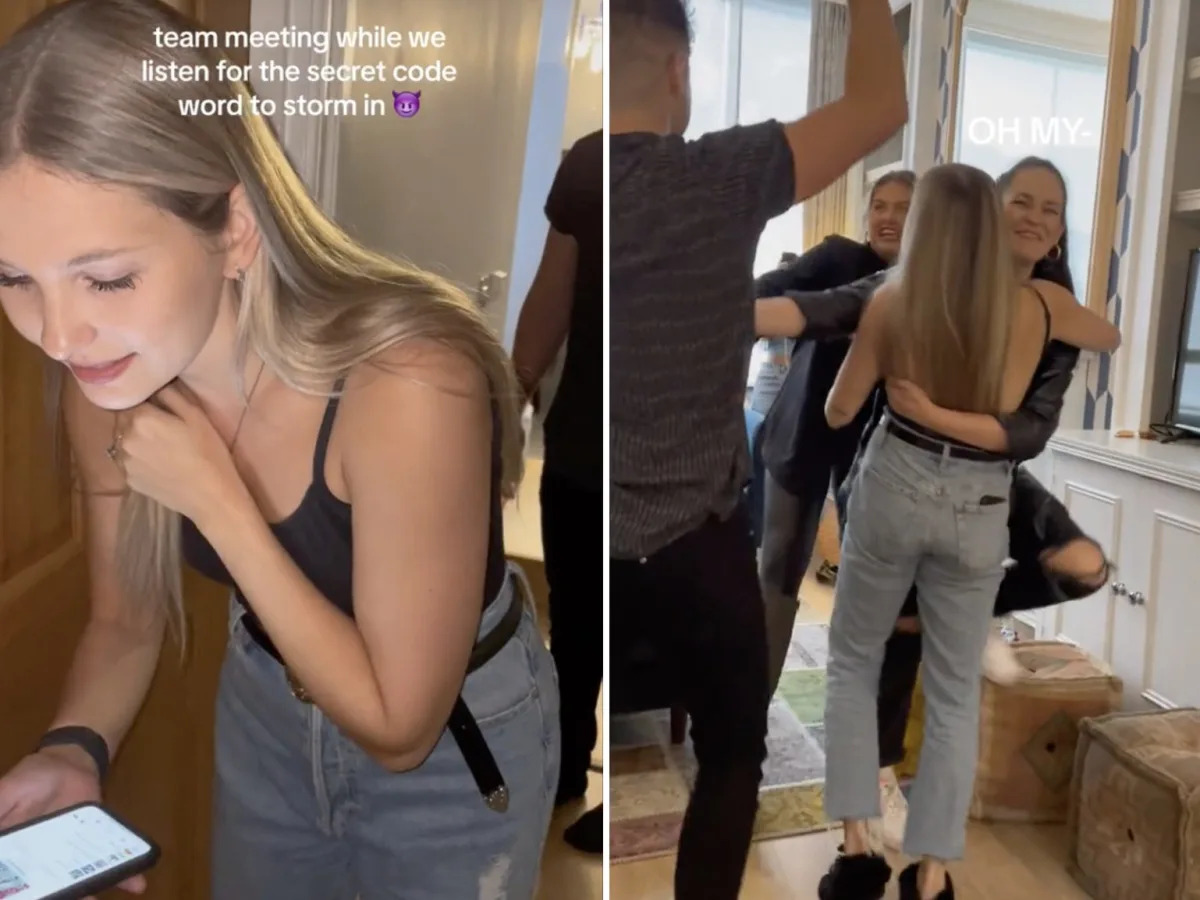
Two remote staffers at influencer marketing startup Lightning flew from Canada to London to surprise their UK teammates they'd been working with for roughly two years but had never met in real life. The documented journey was shared to TikTok, where commenters applauded the agency's "immaculate" corporate culture. The company had rented an Airbnb in Notting Hill, where they organized both work and bonding activities, including dinners, nightclubbing, karaoke, and outings to a soccer match and theme park. The video has resonated with fellow remote workers, which can be an "isolating" experience.
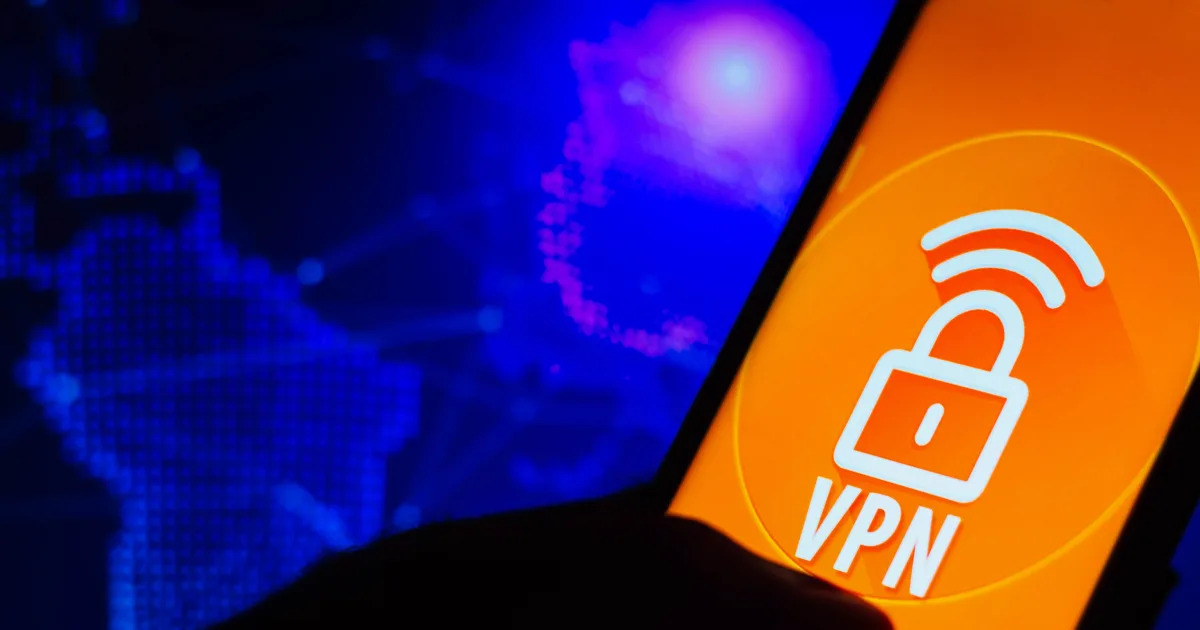
The sharp spike in VPN ads on YouTube adds to the confusion and jargon around cybersecurity, and it could be misleading us on how secure we really are. While VPNs can mask your IP address and encrypt your data, they can’t keep your identity secret, protect from financial exploitation, or offer “military-grade encryption” as advertised. The exaggerated claims made by influencers in VPN ads can be damaging, and users should be more skeptical of both the advertisements and the provider themselves.
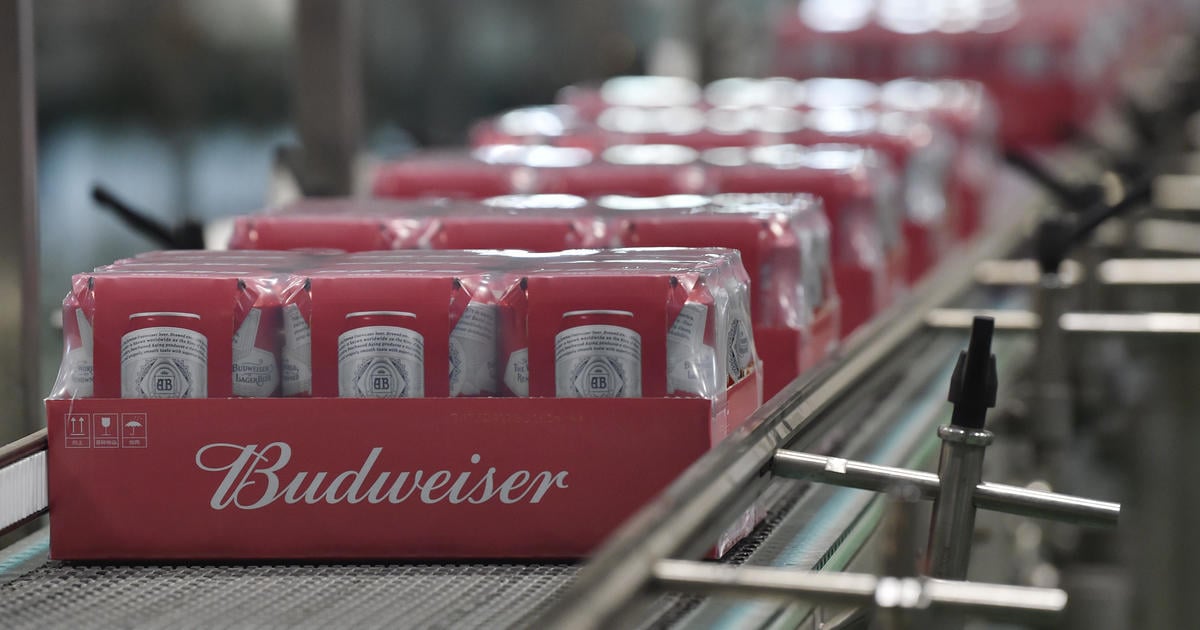
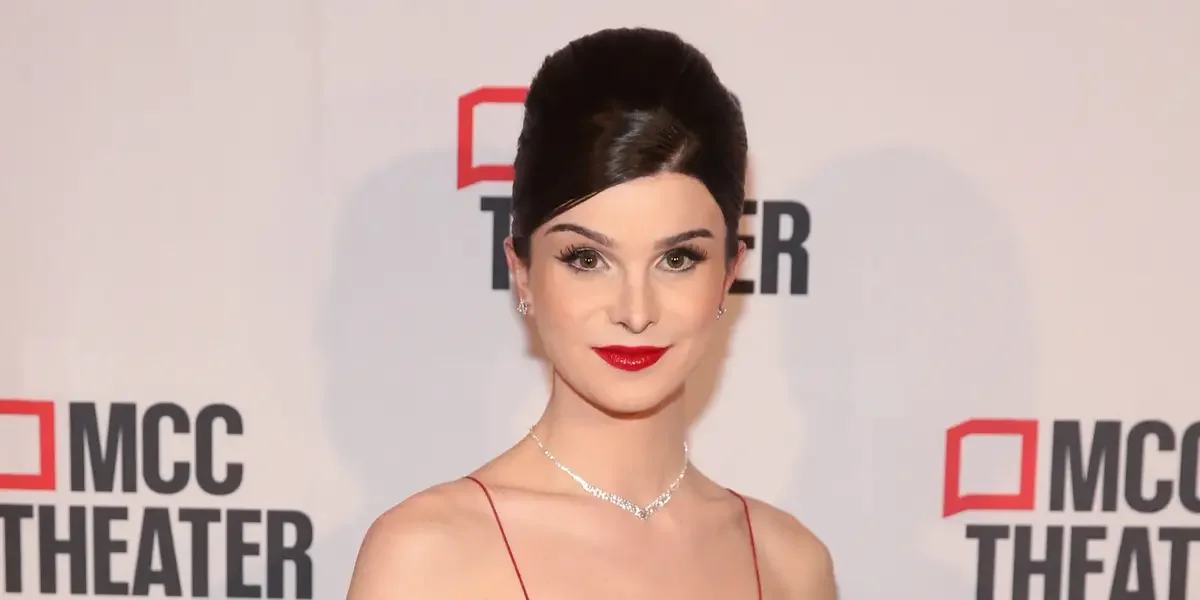
Budweiser released a new patriotic ad featuring its Clydesdale horse mascot after facing backlash from conservatives over its partnership with trans influencer Dylan Mulvaney. The ad shows the Clydesdale galloping past patriotic symbols, and the narrator says, "This is a story bigger than beer, this is the story of the American spirit." The beer company faced criticism after Mulvaney promoted a sweepstakes contest for the company and Bud Light created commemorative cans with her face on them. The backlash resulted in a drop in the company's stock, and the CEO released a statement alluding to the controversy.
Bud Light faced backlash from conservative groups and individuals, including Kid Rock, after partnering with trans influencer Dylan Mulvaney. However, the company stood by its choice, stating that the sponsorship was a gift to celebrate Mulvaney's personal milestone. Mulvaney rose to fame on TikTok and has over 10 million followers. The backlash sparked mockery from Mulvaney's supporters, and the company defended its use of influencers to connect with audiences. Mulvaney has not responded to the drama and has continued posting on social media, including a new partnership with Nike.