Instagram's head admits AI-generated content is becoming indistinguishable from real media, challenging creators to prove authenticity by embracing raw, unfiltered content and using technological solutions like cryptographic signatures and content credentials to verify originality in a landscape where AI's realism continues to improve.
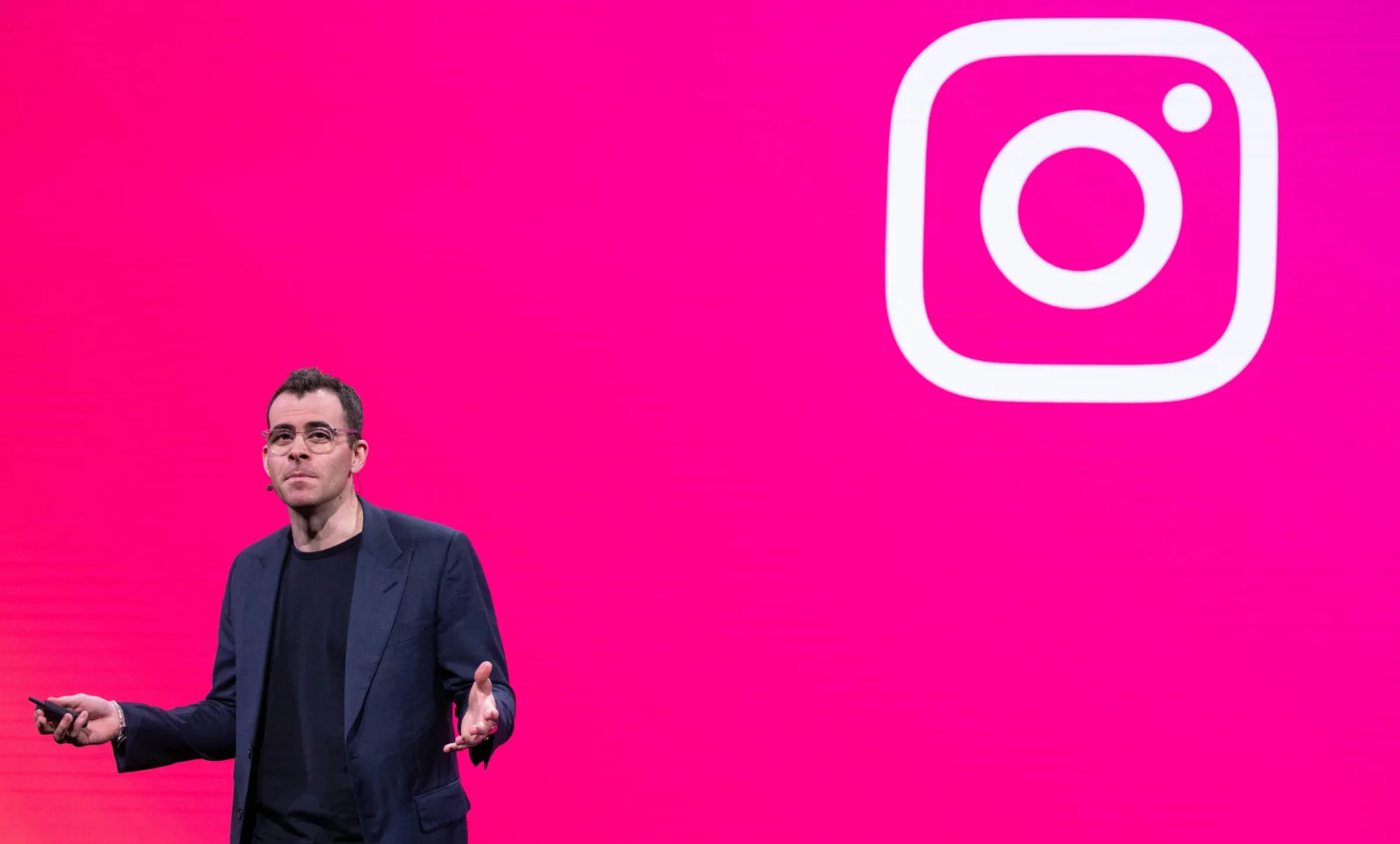
Instagram head Adam Mosseri criticizes camera companies for focusing on polished, professional-looking images, arguing that the future of social media lies in raw, authentic content. He highlights the rise of AI-generated images that mimic reality and suggests platforms may need to develop methods to identify and label AI content to maintain authenticity.
Instagram's head Adam Mosseri warns that AI makes it increasingly difficult to distinguish real from fake content, emphasizing the need for new tools and signals to verify authenticity and adapt to a world where imperfection signals reality, as platforms and creators must evolve quickly to maintain trust.
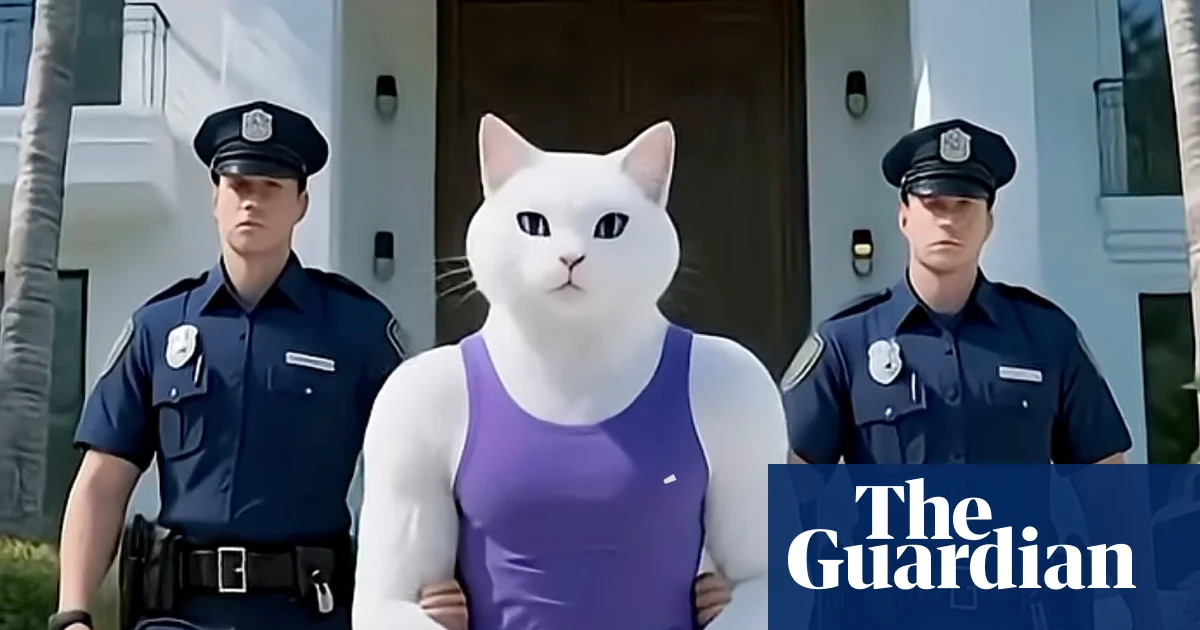
A study reveals that over 20% of videos shown to new YouTube users are low-quality AI-generated content, dubbed 'AI slop,' which has amassed billions of views and significant revenue, highlighting a growing industry of AI-driven, often low-quality content across social media platforms.
The article discusses how AI-generated content could benefit creators by offering new opportunities and tools amidst an era of abundant content, while also exploring its implications for human artists and society.
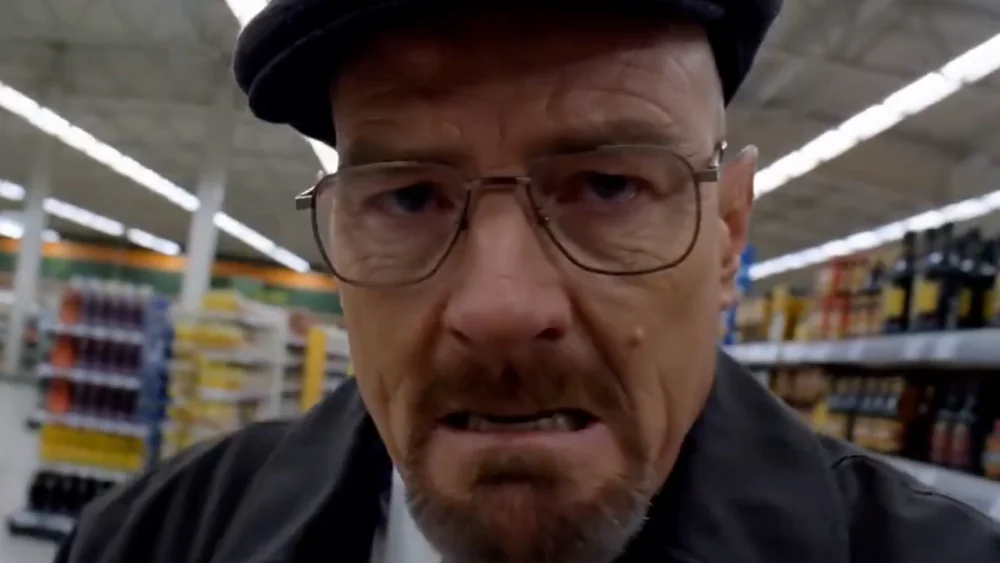
YouTube has terminated two popular channels, Screen Culture and KH Studio, for creating AI-generated fake movie trailers that violated policies on spam and misleading content, amid ongoing concerns over AI's impact on creative industries and copyright issues.
The European Commission has published the first draft of a voluntary Code of Practice to guide the marking and labeling of AI-generated content, including rules for detecting AI content and labeling deepfakes, with finalization expected by June 2026 and rules becoming effective in August 2026.
Merriam-Webster's 2025 Word of the Year is 'slop,' highlighting the surge of low-quality AI-generated digital content such as fake news, absurd videos, and junky books, reflecting the era of pervasive AI-produced media.
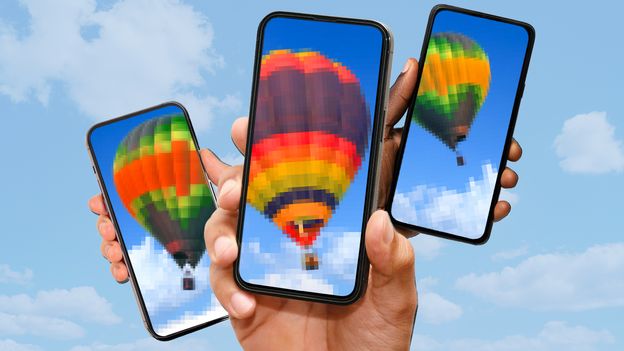
AI video generators have become so advanced that low-quality, grainy videos are often a sign of AI manipulation, but as technology improves, these visual cues will disappear, making verification more challenging. Experts recommend focusing on the source and context of videos rather than surface features, as future detection will rely more on provenance and digital fingerprints. The key challenge is adapting our understanding of authenticity in the age of AI-generated content.
The article discusses the impending burst of the AI bubble, predicting widespread company failures and a shift in internet content from AI-generated to human-curated, which could lead to a more trustworthy online environment and a potential societal reset. It highlights concerns about AI flooding the internet with fake content and the eventual decline of AI-driven media, advocating for a move towards more authentic, human-driven online communities.
Elon Musk launched Grokipedia, an AI-driven alternative to Wikipedia with a smaller, more biased content focus, aiming to promote 'truth' and preserve information for the future, but it features notable discrepancies and a different portrayal of controversial topics compared to Wikipedia.
A new report indicates that over 50% of recent internet articles are now AI-generated, with the share plateauing around this level since late 2024, suggesting a stabilization in AI content production and potential shifts in content creation practices.
The rise of 'workslop,' AI-generated but low-quality work, is causing frustration and inefficiency in American offices, highlighting issues with overreliance on AI tools that often lead to more work for humans and erode trust among colleagues.
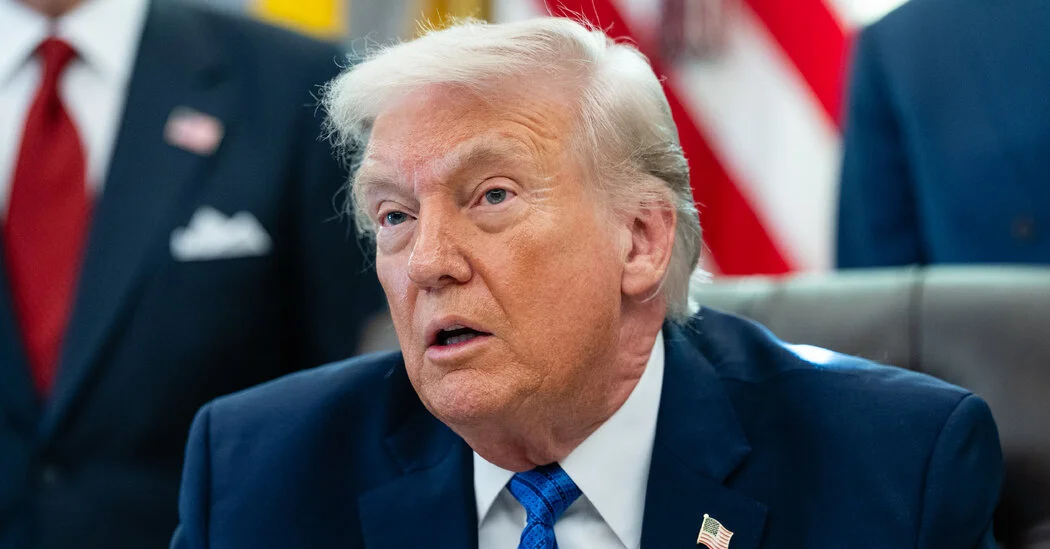
President Donald Trump was seen active at a golf course and posting AI-generated videos on social media, dispelling rumors of his death and health issues that circulated after he missed public appearances. Despite speculation fueled by visible bruises and comments from Vice President Vance, Trump remains engaged publicly and online, sharing various digital content and maintaining his political influence.
The article discusses Sam Altman's views on the future of photos and AI-generated content, highlighting the distinction between real and fabricated images. While agreeing that our perception of reality is shifting due to AI and digital manipulation, the author argues that people will still care about whether content is real, especially when it affects enjoyment and trust. The piece emphasizes that although technology blurs the lines of authenticity, societal and individual perceptions of reality will continue to matter.