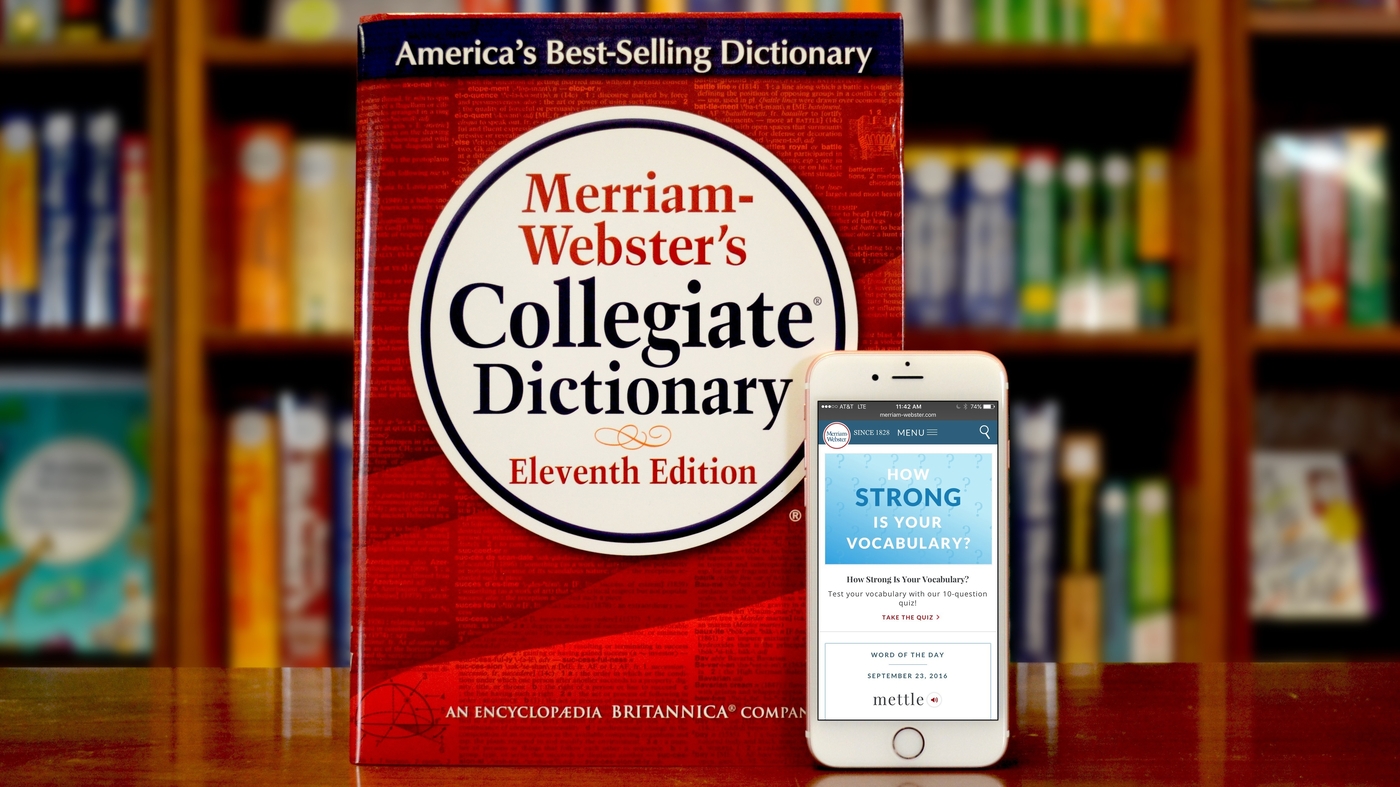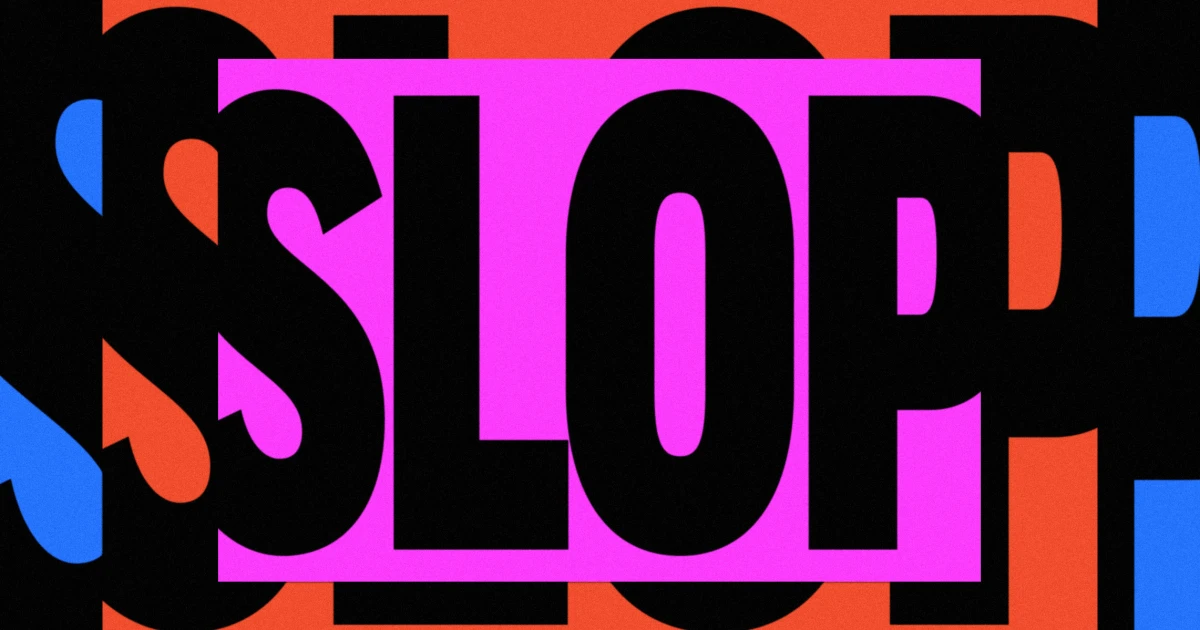
Merriam-Webster has named 'slop' as its 2025 word of the year, reflecting the prevalence of low-quality digital content influenced by AI across social media, while Oxford chose 'rage bait' to highlight online engagement and ethics issues.
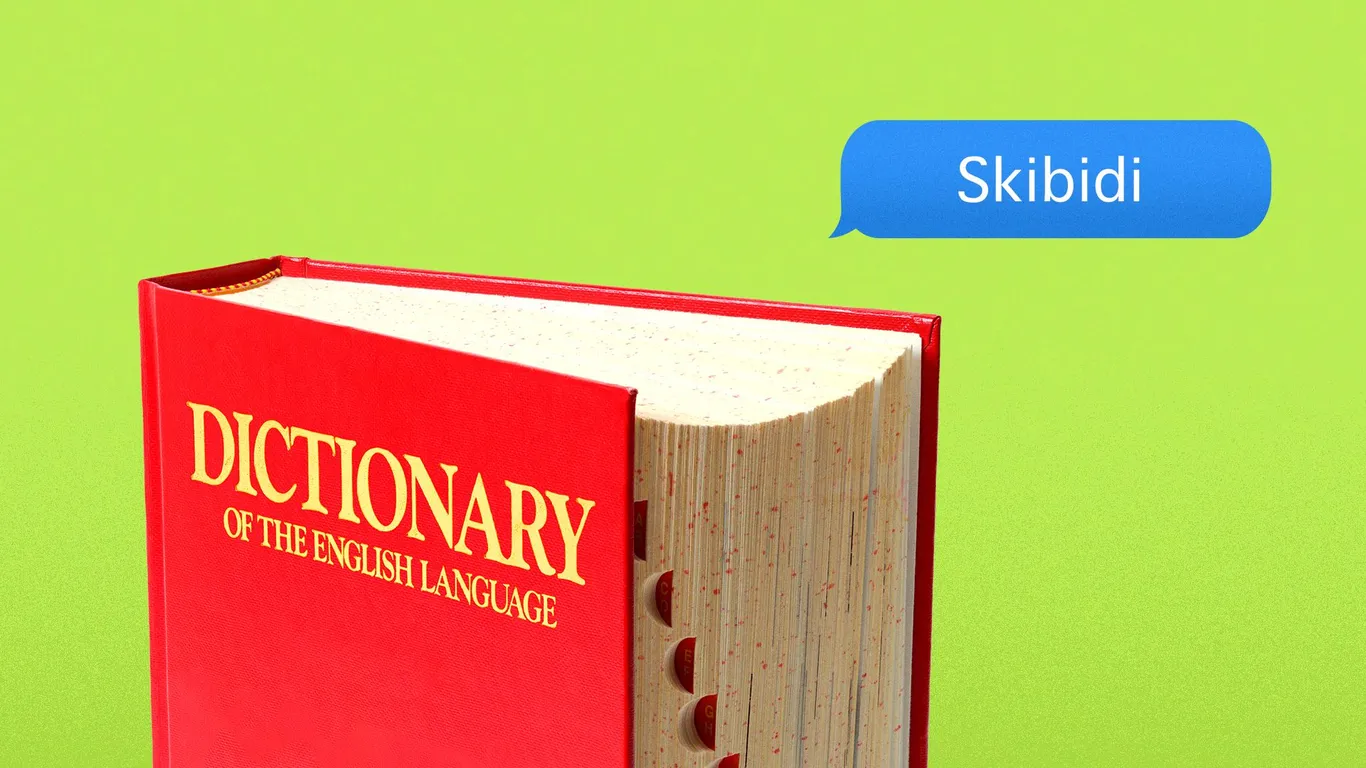
Cambridge Dictionary has added 6,000 new words, including internet slang like skibidi, tradwife, and delulu, reflecting the evolving influence of internet culture on language, with a focus on words' staying power rather than popularity.
The Cambridge Dictionary has added 6,212 new words, including 'skibidi,' 'delulu,' 'tradwife,' and 'lewk,' reflecting how internet and social media culture are influencing the English language, especially among younger generations and influencers.
Cambridge Dictionary has added new slang terms like 'skibidi,' 'delulu,' and 'tradwife,' reflecting the influence of internet culture on language. These words, often popularized on social media, are gaining recognition for their staying power, with each having unique meanings and usage contexts. The trend highlights how online communities and social media trends shape modern language and dictionary entries.
The Cambridge Dictionary is adding over 6,000 new words this year, including social media slang like 'skibidi' and 'tradwife', reflecting the influence of internet culture and remote work on language, with definitions and examples provided for each term.
Runglish is a hybrid language that fuses elements of English and Russian, commonly spoken by English-speaking astronauts and Russian cosmonauts aboard the International Space Station (ISS). It has emerged throughout history whenever English and Russian speakers have come into contact, and is characterized by a mix of words, sounds, phrases, and expressions from both languages. Runglish is not the only example of people melding their mother tongue with a second language, as similar instances can be found among immigrants in other communities, such as the development of "Spanglish" dialects.
As 2023 comes to a close, various words have emerged around the world that capture the popular mood. While some consider "AI" as the word of the year, other contenders include "authentic," "rizz," "password child," "kitawaramba," "bwa kale," "spy balloon," "kuningi," "c'est la hess," "zei," "nones," "shan dao hou zi," "bharat," and "quoicoubeh." These words reflect a range of sentiments and cultural contexts, from slang terms in Australia and Kenya to expressions of frustration in South Africa and France.
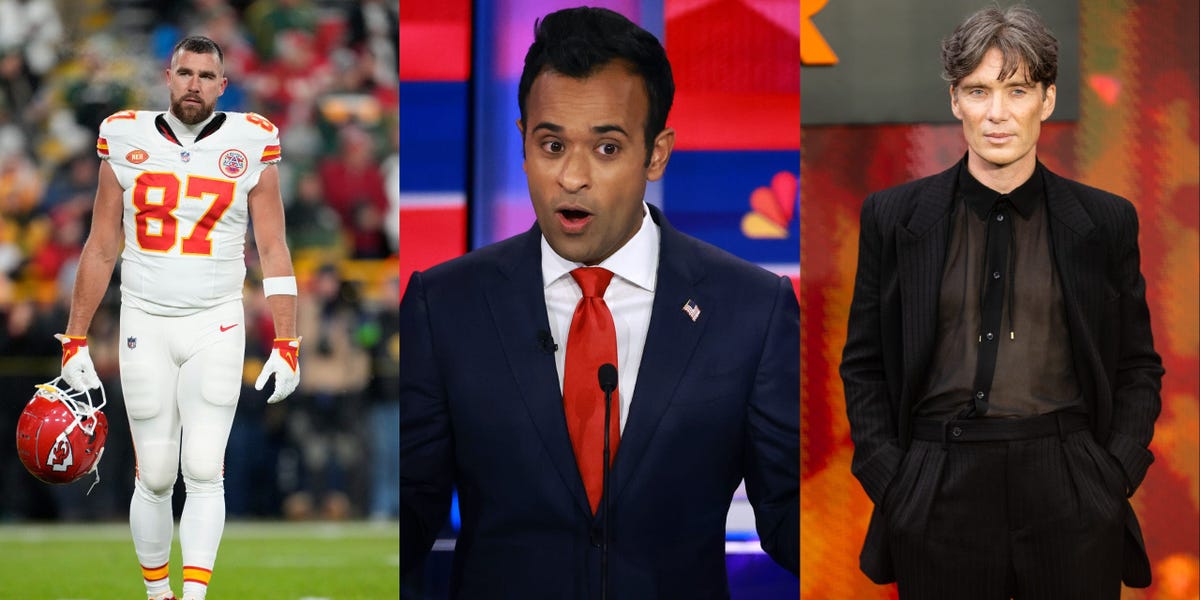
'Nepo baby' and 'psammophile' were among the most frequently mispronounced words of 2023, along with names like Vivek Ramaswamy and Travis Kelce. The Captioning Group compiled the list, which also included Saturn's sixth moon and other geological and astronomical terms. The year saw a trend of mispronouncing names, from politicians and athletes to high-profile celebrities and fictional characters.
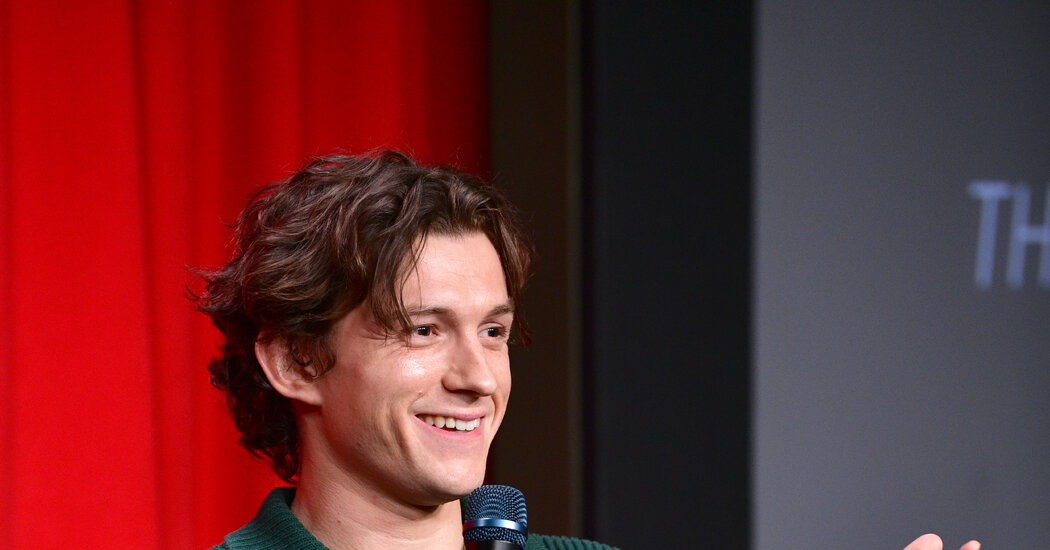
The Oxford Word of the Year for 2023 is "rizz," derived from "charisma," and refers to a person's ability to attract a romantic partner through style, charm, or attractiveness. The word gained popularity after Spider-Man actor Tom Holland mentioned it in an interview. The other finalists for the word of the year were "prompt," "situationship," and "Swiftie."
Oxford has named "rizz" as its word of the year, a term popularized by actor Tom Holland. The word is short for charisma and refers to style, charm, or attractiveness. Other finalists for the word of the year included "Swiftie" and "situationship." Some argue that the word "parasocial" should have won, as it describes the one-sided sense of intimacy felt by fans towards celebrities. The choice of "rizz" has sparked discussions about generational differences and the evolving nature of language.
"Rizz" has been named the word of the year for 2023 by the Oxford English Dictionary. The term, popularized on platforms like TikTok, refers to charisma, charm, and attractiveness. It can also be used as a verb. The word beat out other finalists such as Swiftie and situationship. "Rizz" reflects the growing influence of Gen Z and its impact on language and culture.
Oxford University Press has chosen "rizz" as its word of the year, highlighting its popularity among Generation Z. The term refers to someone's ability to attract or seduce another person and is believed to come from the middle of the word "charisma." This decision reflects how younger generations shape and define the language they use, both online and offline, as they have a growing impact on society.
Oxford University Press has named "rizz" as its 2023 Word of the Year, a Gen Z slang term meaning "style, charm, or attractiveness." The term gained popularity after actor Tom Holland claimed to have no "rizz" in an interview, sparking a surge in usage and memes. Oxford's selection reflects the rapid pace of language change driven by social media. The Word of the Year is chosen based on usage evidence from a corpus of over 22 billion words. Oxford has involved the public in the selection process in recent years, with "rizz" emerging as the winner after a public vote.
Merriam-Webster has announced "authentic" as the Word of the Year for 2023, reflecting the increasing importance of authenticity in today's world. With the rise of artificial intelligence, deepfake technology, and influencer culture, people are seeking genuine experiences and connections. The word saw a significant increase in lookups, as individuals navigate a world where reality is often challenged. Merriam-Webster also highlighted other trending words, including "rizz," "deepfake," "coronation," "dystopian," "EGOT," "X," "implode," and "doppelgänger."
Merriam-Webster has chosen "authentic" as its word of the year for 2023, reflecting the ongoing debate and difficulty in defining the term. The word saw a substantial increase in look-ups, as people sought to understand its various meanings and connotations in a changing age. Other notable words in the look-up data included coronation, dystopian, EGOT, and deepfake, highlighting the connection between language and current events.