The Healey-Driscoll Administration announced public listening sessions in Massachusetts to gather input on expanding hunting opportunities, including Sunday hunting, crossbow use, and setback distances, aiming to balance wildlife management, public health, and outdoor traditions.
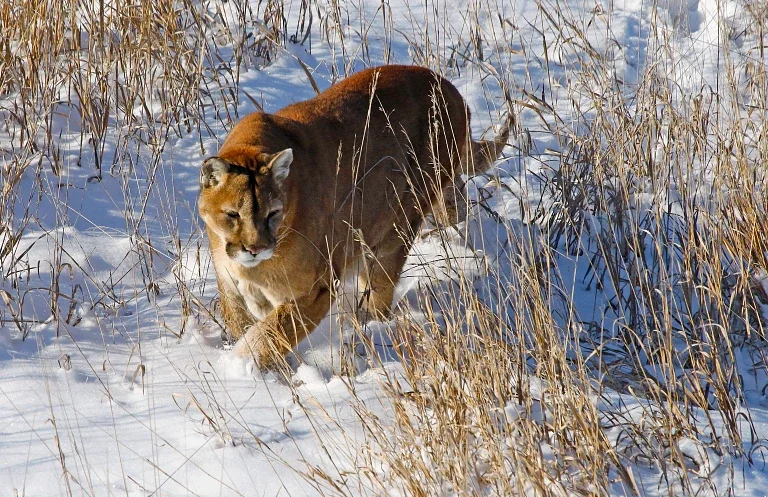
A mountain lion in northern Colorado killed a hiker, with human DNA found on its paws, marking Colorado's first fatal mountain lion attack in over 25 years. Authorities euthanized two lions linked to the incident, which occurred in an area with recent lion sightings and attacks, highlighting ongoing wildlife safety concerns.
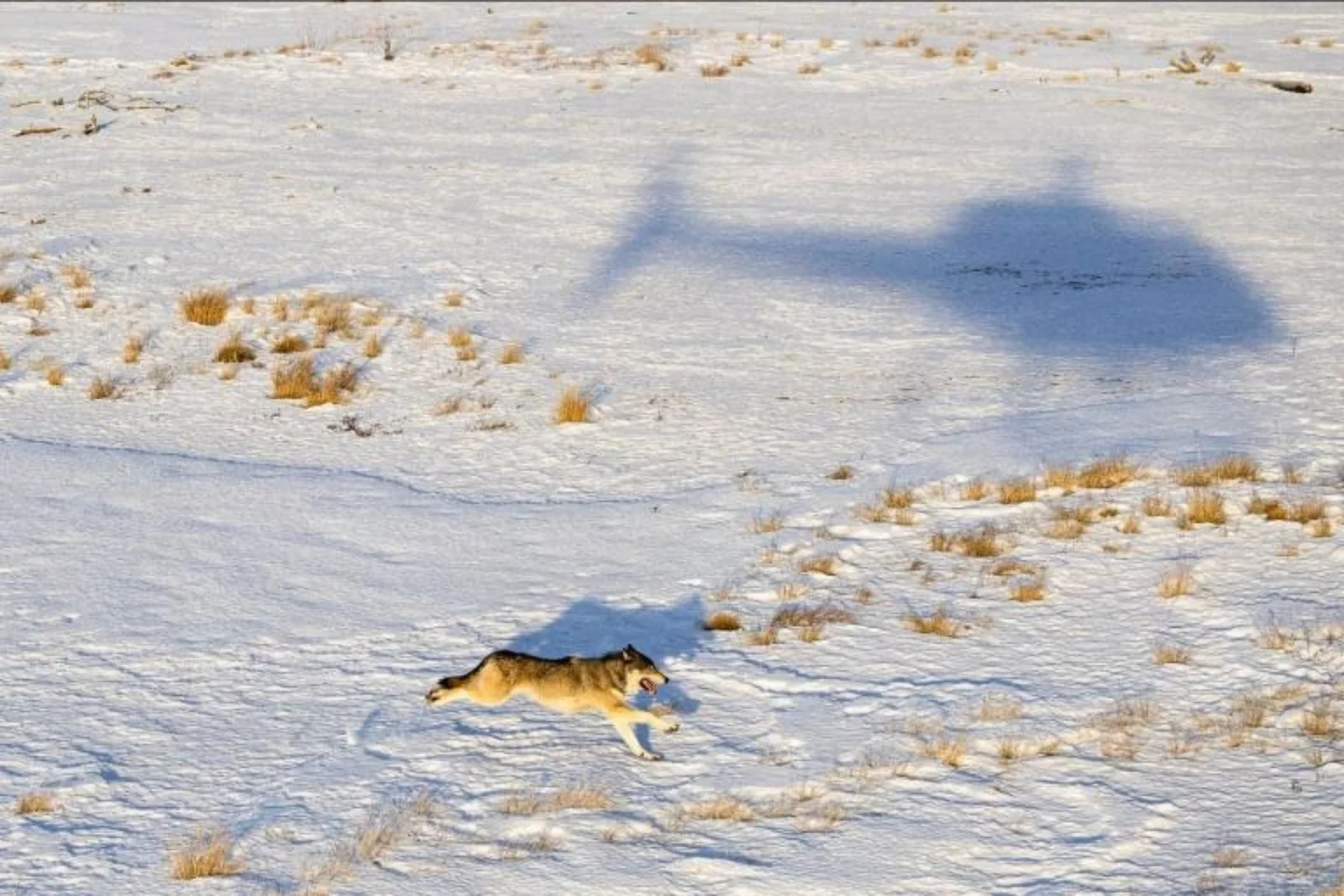
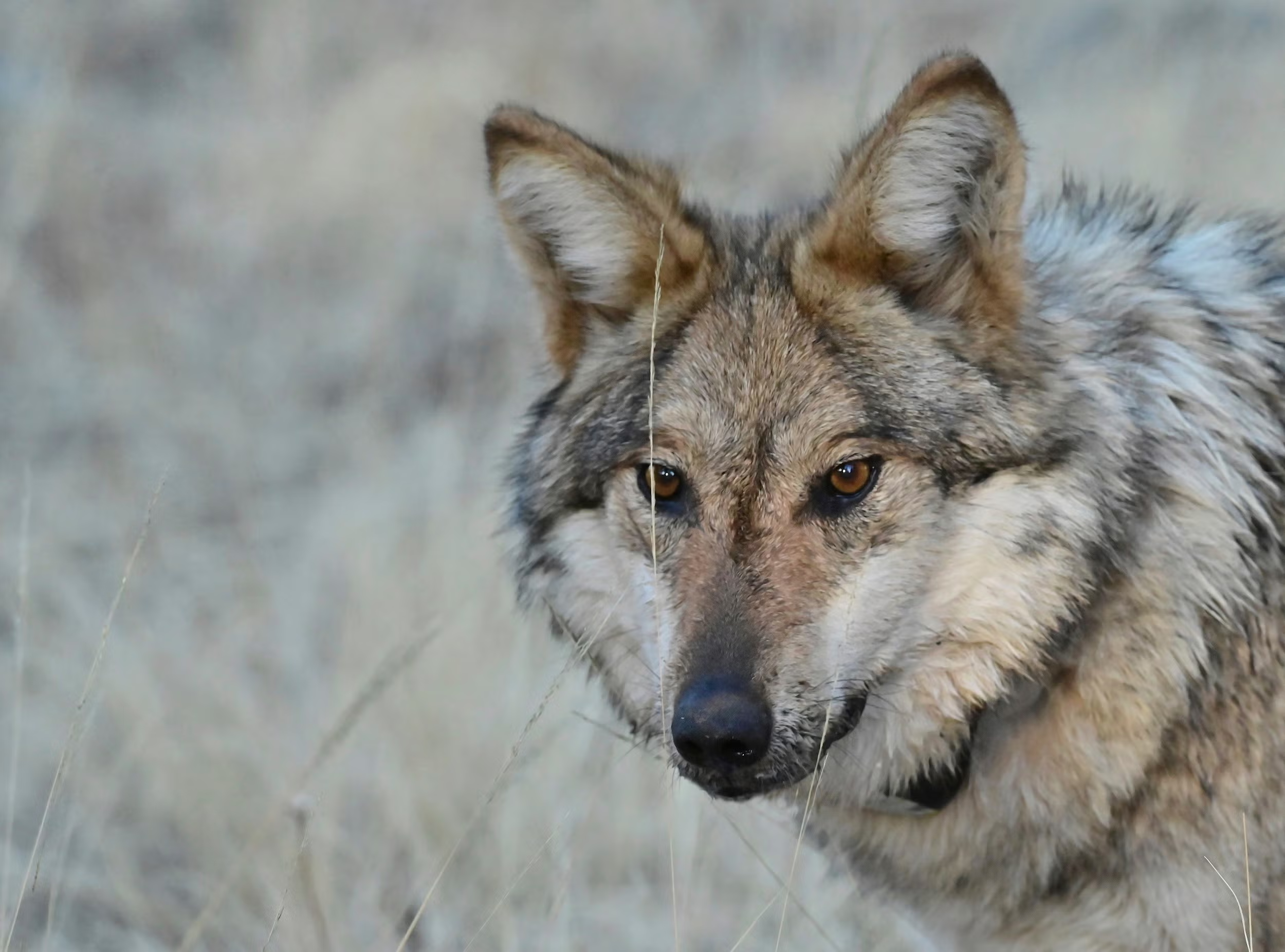
The Trump administration is threatening to revoke Colorado's authority to manage its wolf reintroduction program, citing alleged violations of management plans, which could halt efforts to restore wolves in the state. Colorado's plan, approved after a 2020 ballot initiative, involves reintroducing wolves from Canada and other regions, but the federal government disputes some of these actions, raising legal and political tensions amid ongoing debates over wolf conservation and management authority.
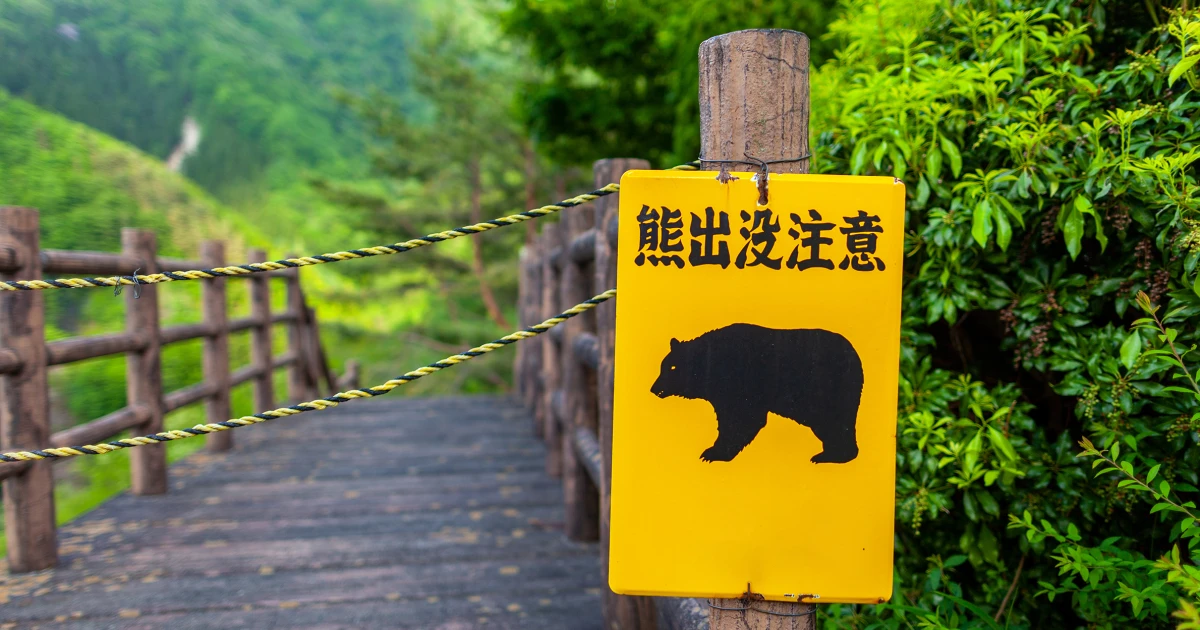
Japan is experiencing an unprecedented surge in bear attacks, especially in Akita prefecture, prompting extensive safety measures including patrols, tree removal, and deployment of wildlife control tactics, amid concerns over increasing bear populations driven by climate change and habitat changes.
A 550-pound black bear has been living in the crawl space under a homeowner's house in Altadena, California, causing damage and prompting wildlife officials to set traps and monitor the situation, highlighting the importance of securing crawl spaces to prevent bear intrusions.
Britain's deer population has surged to around two million, causing significant ecological, agricultural, and road safety issues, prompting calls for more aggressive management strategies including culling, fencing, and rewilding with predators like wolves and lynx, though these solutions face social and logistical challenges.
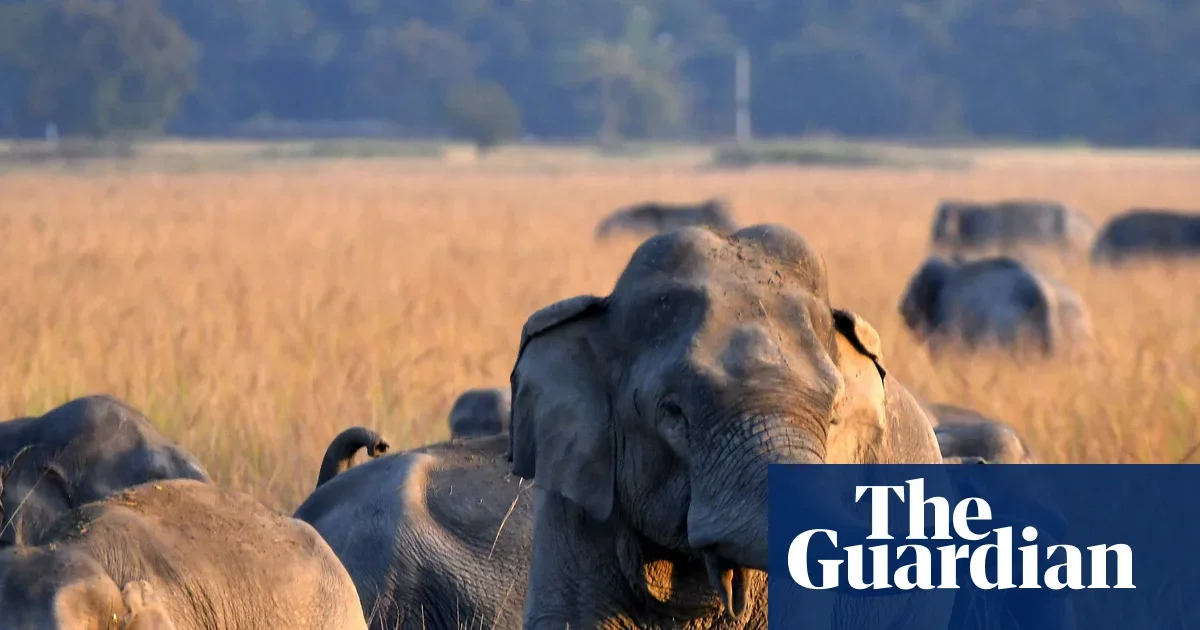
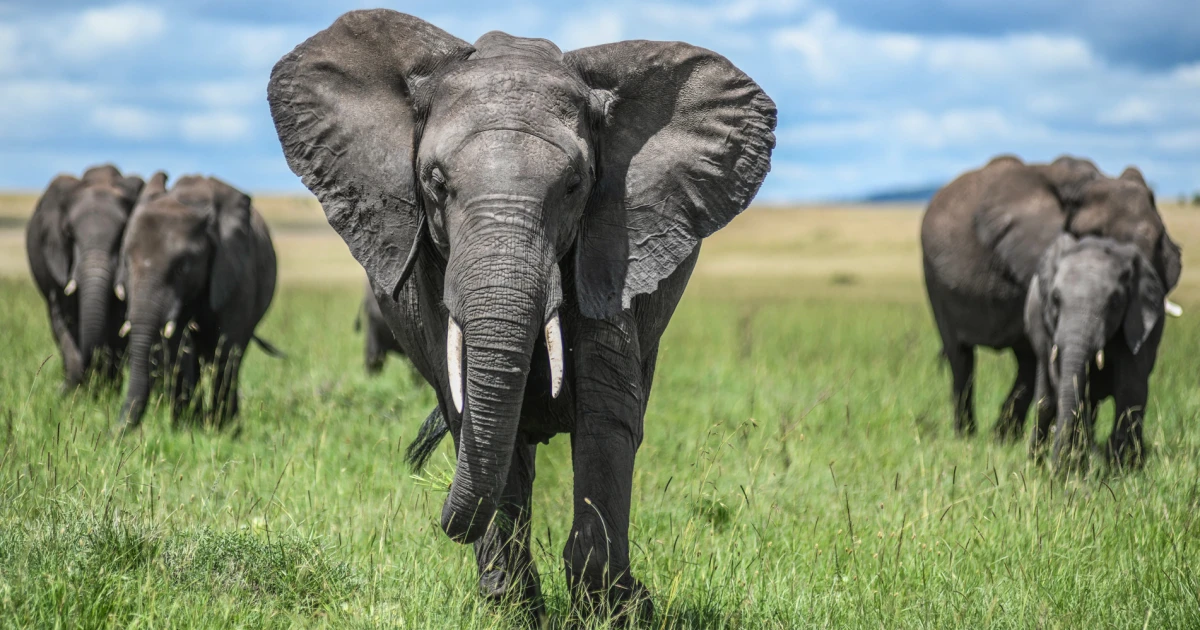
In Kenya, protests erupted after roaming elephants killed four people in a week, driven by resource scarcity and increased elephant movement due to below-average rainfall. Authorities responded by shooting one elephant believed to have caused two deaths and pledged to enhance prevention and response measures, while continuing a compensation program for victims of wildlife conflicts.
In Kenya, protests erupted after elephants killed four people in a week, with experts attributing the increase in elephant sightings and attacks to scarcity of vegetation caused by below-average rainfall, leading to heightened human-wildlife conflict. The Kenya Wildlife Service responded by shooting one elephant believed to be involved and pledged to enhance prevention and response measures.
Originally Published 20 days ago — by Maryland.gov
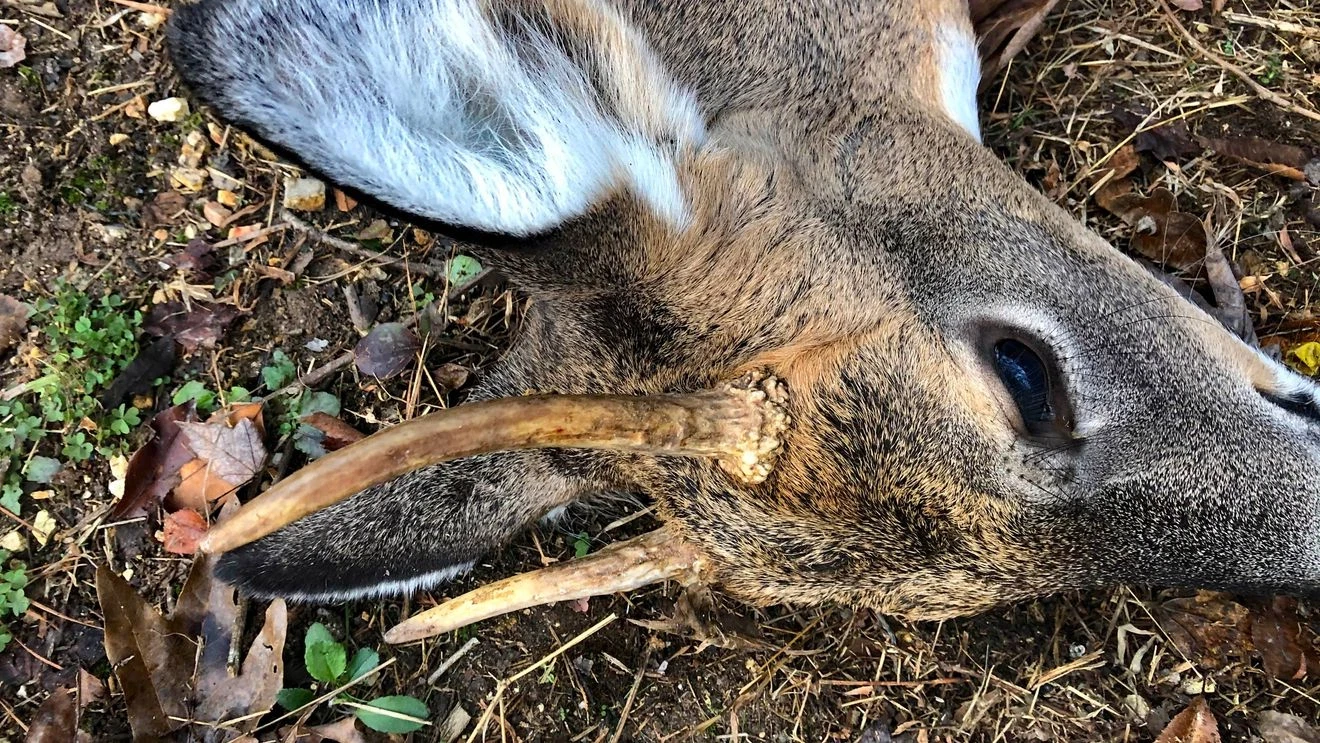
Maryland hunters harvested 27,620 deer during the two-week firearm season, a 10.4% decrease from last year but close to the five-year average, with variations across regions and deer types, reflecting typical fluctuations influenced by environmental factors.
The US House of Representatives passed a bill to remove federal protections for gray wolves nationwide, aiming to give states more control over wolf management, despite concerns from environmental groups about potential threats to wolf populations and legal protections.
Chronic wasting disease (CWD) in Tennessee whitetail deer is spreading eastward, with the first positive test in Wayne County confirming its presence in 20 counties. The Tennessee Wildlife Resources Agency maintains restrictions on carcass movement and feeding within the CWD Management Zone to control its spread, and hunters are encouraged to participate in testing programs to aid surveillance efforts.
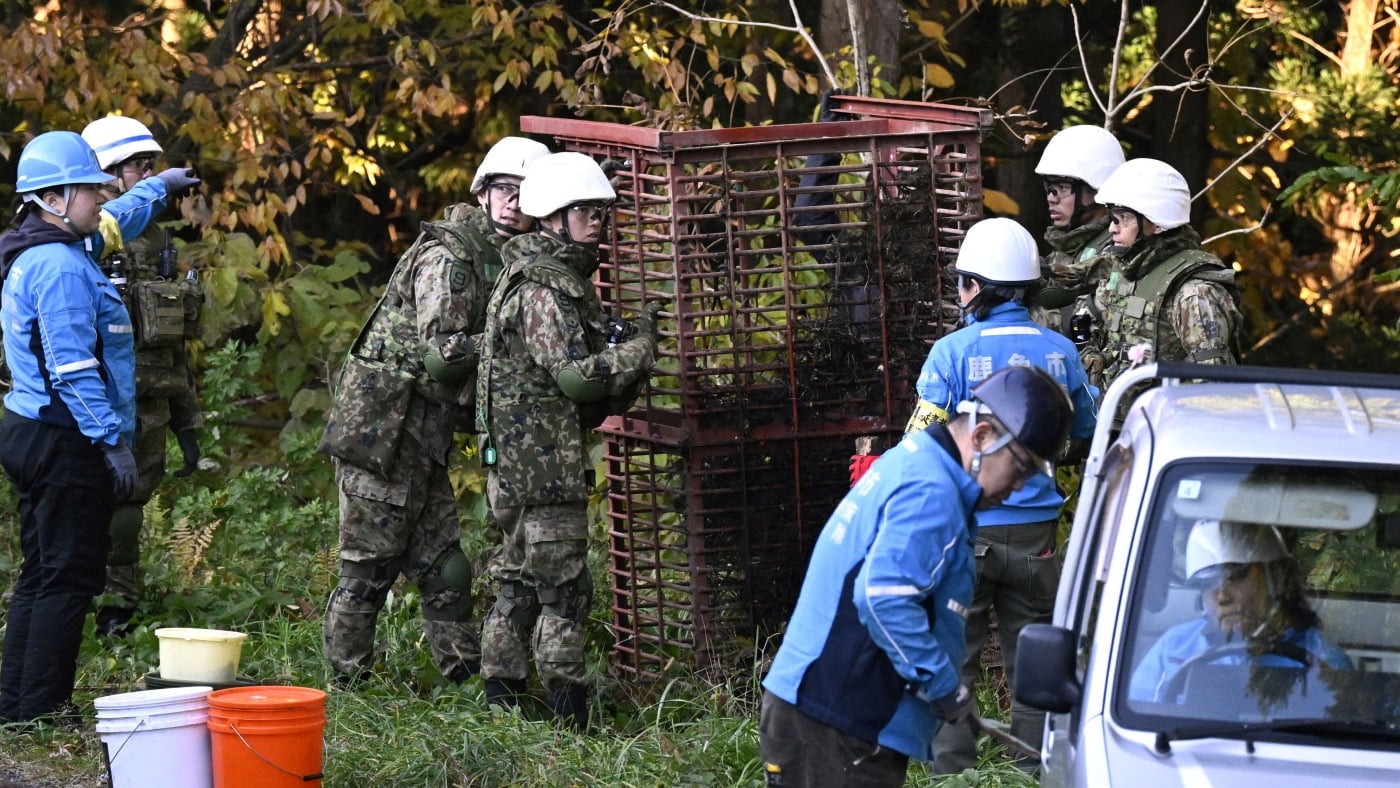
Japan has deployed the Ground Self-Defense Force to assist in trapping and managing a surge in bear attacks in Akita prefecture, where over 100 people have been injured and 12 killed since April, due to increasing bear populations encroaching on residential areas amid a declining human population. The military's role is limited to trapping and transportation, not hunting, as authorities seek to control the growing threat.
Japan has deployed troops in the northern prefecture of Akita to address a surge in bear attacks that have resulted in at least 12 deaths and over 100 injuries, with the military setting traps and assisting local hunters to control the growing bear population amid increasing human-wildlife conflicts in rural areas.
Japan has deployed troops to Akita prefecture to assist in managing a surge of bear attacks that have caused injuries and fatalities, with authorities seeking to control the growing bear population and protect residents amid challenges like aging hunters and depopulated areas.
Japan has deployed soldiers to Akita prefecture to address a surge in bear attacks, with over 100 incidents and 12 fatalities nationwide since April, mainly in Akita. The military is assisting in trapping and culling bears as residents live in fear, driven by increased bear sightings linked to climate change and rural depopulation.