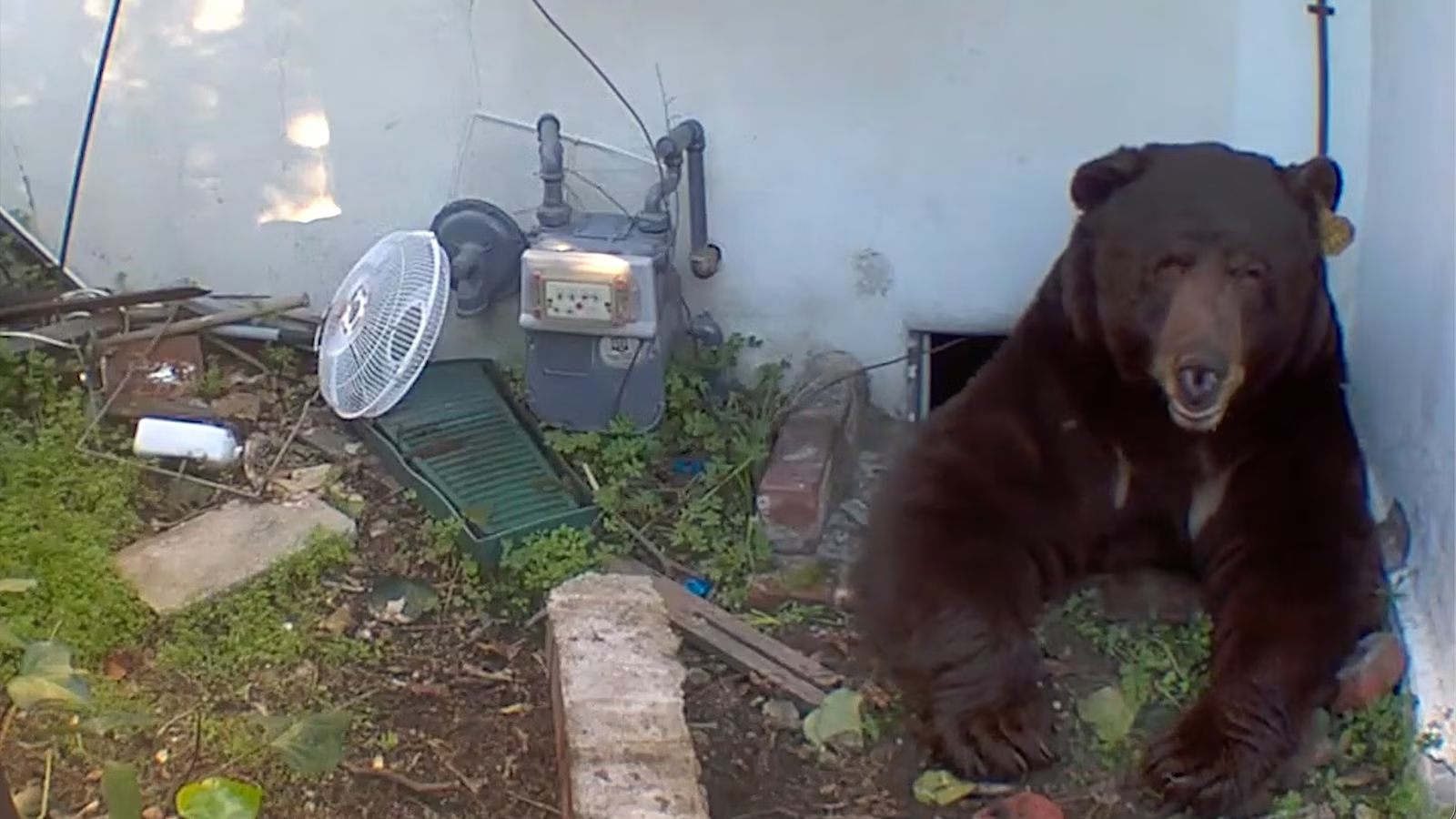
A 550-pound black bear has been living in the crawl space under a homeowner's house in Altadena, California, causing damage and prompting wildlife officials to set traps and monitor the situation, highlighting the importance of securing crawl spaces to prevent bear intrusions.
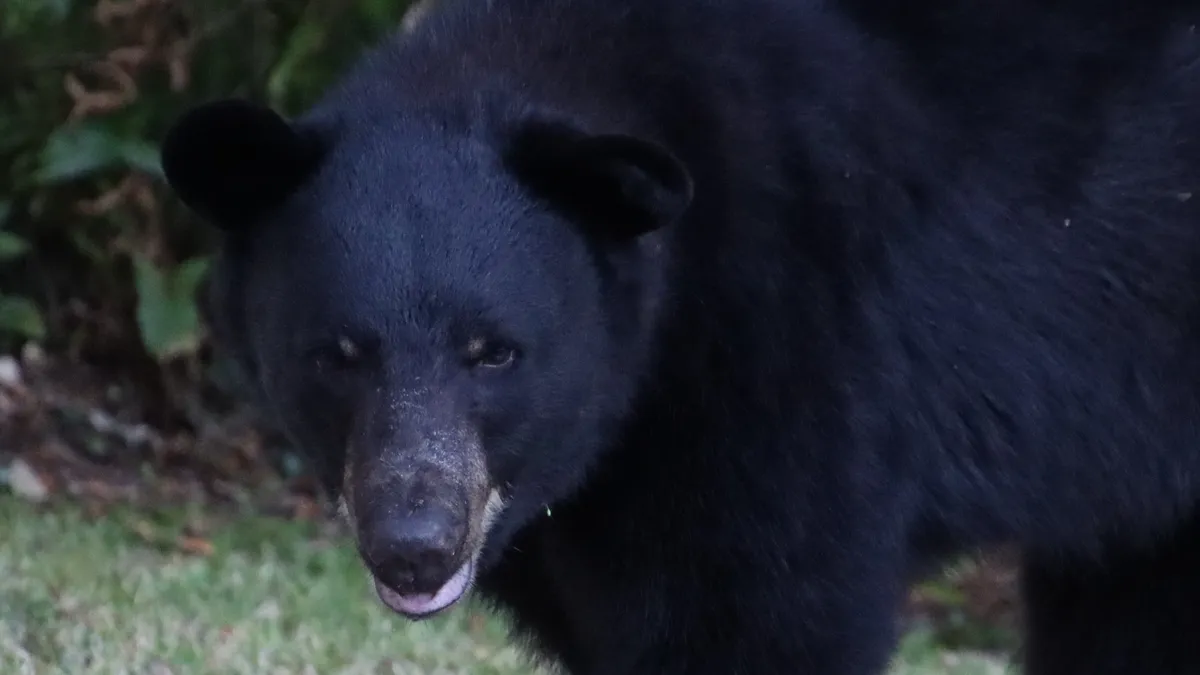
A section of the Blue Ridge Parkway near Asheville, North Carolina, has been closed due to visitors feeding and attempting to hold a young bear, posing a danger to both visitors and the bear. The closure affects an eight-mile stretch during peak leaf-peeping season. The National Park Service emphasized the importance of not approaching bears and properly storing food, providing safety tips for encounters. The closed section includes the Lane Pinnacle Overlook, while the Craggy Gardens recreational area can still be accessed from the north. The Blue Ridge Parkway is the most-visited site of the National Park Service.
A Florida black bear was caught on video hanging out on a 50-foot sailing catamaran at the Naples Sailing and Yacht Club. The bear had swum across the harbor and climbed onto the boat, surprising onlookers. While it has since left the yacht, the bear is still roaming around downtown Naples. Although it's not uncommon to see black bears in the area, residents are advised to keep a safe distance and follow guidelines from the Florida Fish and Wildlife Conservation Commission if they encounter a bear.
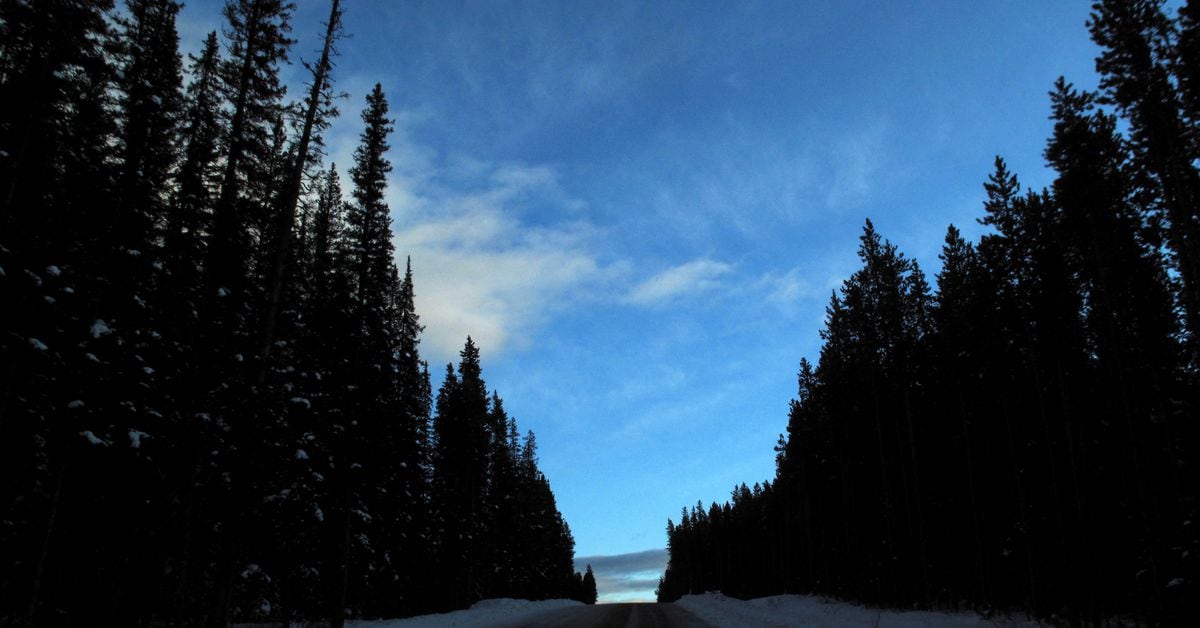
Two individuals, who were on a permitted hiking and camping trip in Banff National Park, Canada, were killed by a grizzly bear. There was no active bear warning at the time of the incident, and park officials found bear spray at the scene. The bear involved was not collared, tagged, or previously known to park staff. It was shot and killed by the response team. Bear sightings increase during autumn as they search for food before hibernation. Banff National Park is home to both grizzly and black bears, with approximately 60 grizzlies considered a threatened population in Alberta.
Two individuals, who were on a permitted hiking and camping trip in Banff National Park, Canada, were killed by a grizzly bear. There was no active bear warning at the time of the incident, and the victims were carrying bear spray and had appropriately hung their food to avoid attracting animals. The bear involved was not collared, tagged, or previously known to park staff. A necropsy revealed that the bear was a non-lactating older female in fair condition but with less body fat than normal and bad teeth. Parks Canada does not believe another bear was involved and has implemented an area closure as a precaution. Bear sightings increase during autumn as they search for food before hibernation. Banff National Park is home to both grizzly and black bears, with approximately 60 grizzly bears considered a threatened population in Alberta.
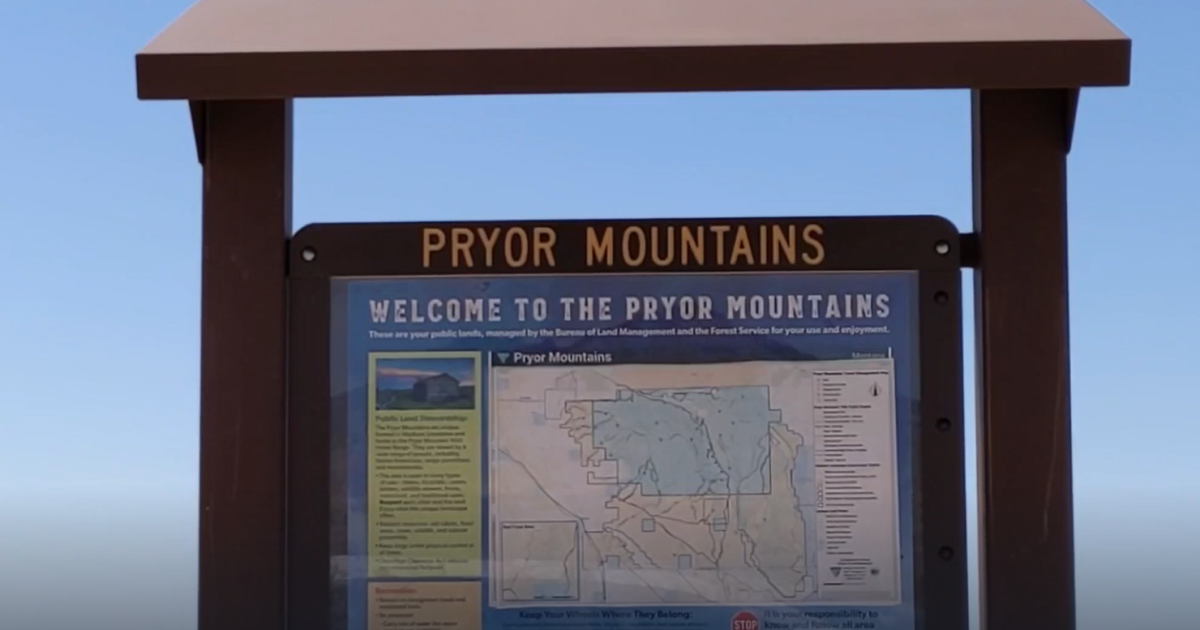
State wildlife officials have confirmed the first sighting of a grizzly bear in the Pryor Mountains, Montana, through a photograph. Grizzly bears have not inhabited this area since the late 1800s and are federally protected under the Endangered Species Act. Landowners have been alerted, and measures such as installing game cameras and searching for bear sign are being taken. Bear safety protocols have been provided for those recreating or living in the Pryor Mountains.