In Hopedale, Massachusetts, police euthanized a raccoon on Christmas Day after reports of aggressive and erratic behavior, likely due to rabies, to protect public safety. The officers used a lawful and necessary method, supported by town officials, despite some reports of harassment against them.
A wildlife park in New Zealand, Kamo Wildlife Sanctuary, is closing down and plans to euthanize seven elderly lions due to financial difficulties, as they cannot afford the costs of care or find alternative homes.
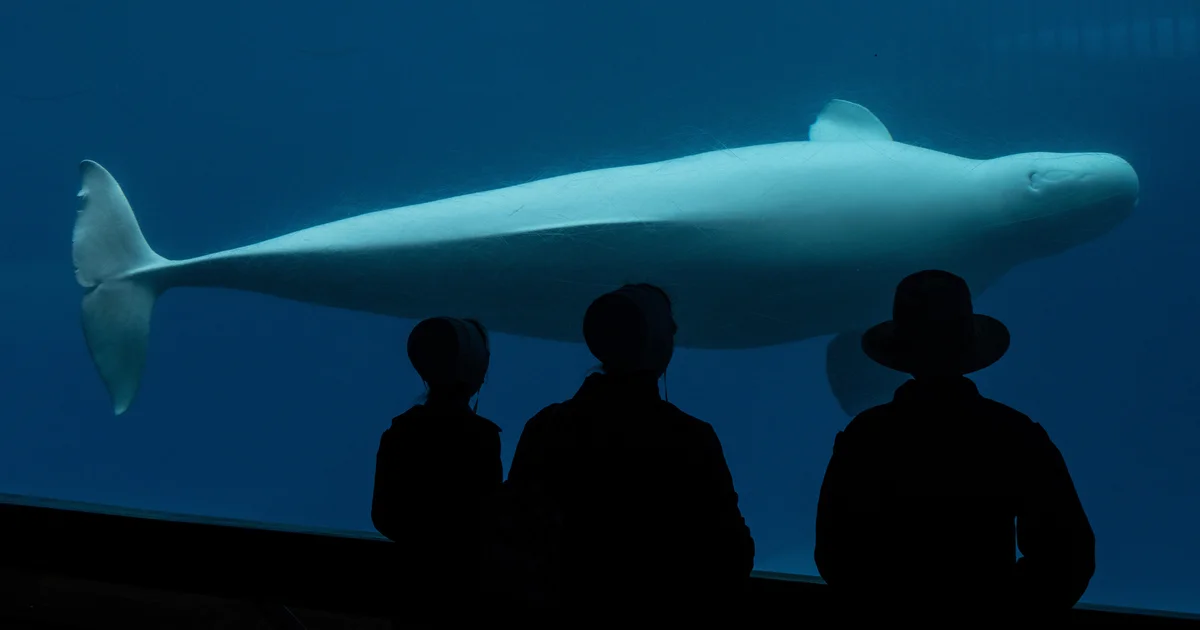
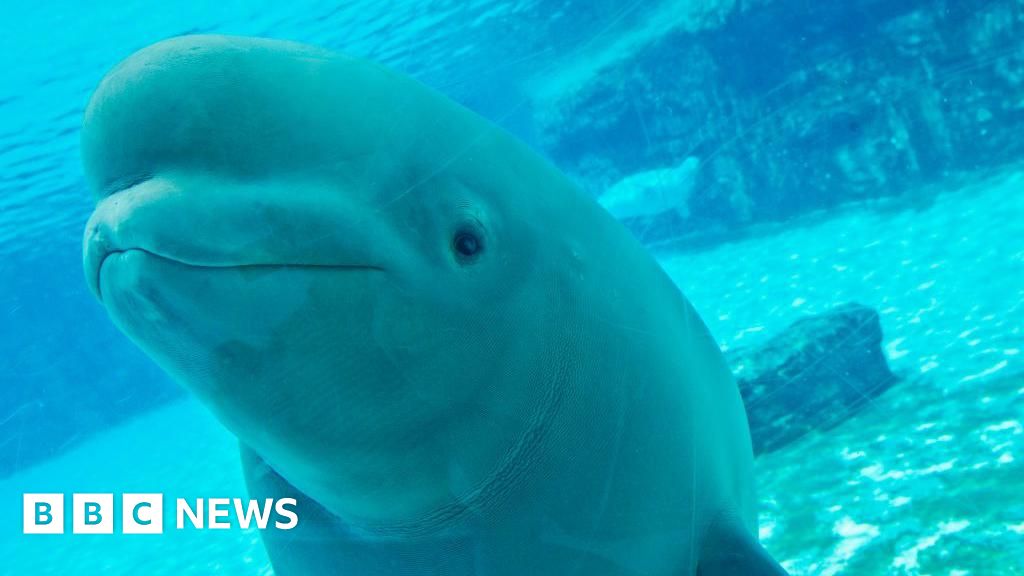
Marineland in Canada faces the potential euthanasia of 30 beluga whales if it does not receive emergency funding from the government, as the park struggles financially and has been denied permission to export the whales to China. The park's request was rejected amid ongoing scrutiny over animal treatment and legal restrictions on keeping whales in captivity.
Canada's Marineland theme park warns it may have to euthanize 30 beluga whales without emergency funding, as it struggles to care for the last captive whales in the country amid declining attendance and animal welfare concerns.
A Canadian amusement park, Marineland, is considering euthanising 30 beluga whales after the government denied its request to send them to China and refused funding to care for them, citing concerns over animal welfare and financial difficulties.
A moose that had been lingering around a New York Adirondack trail, causing its closure, was euthanized after showing signs of severe health deterioration, with authorities planning further studies to understand its decline and threats to local moose populations.
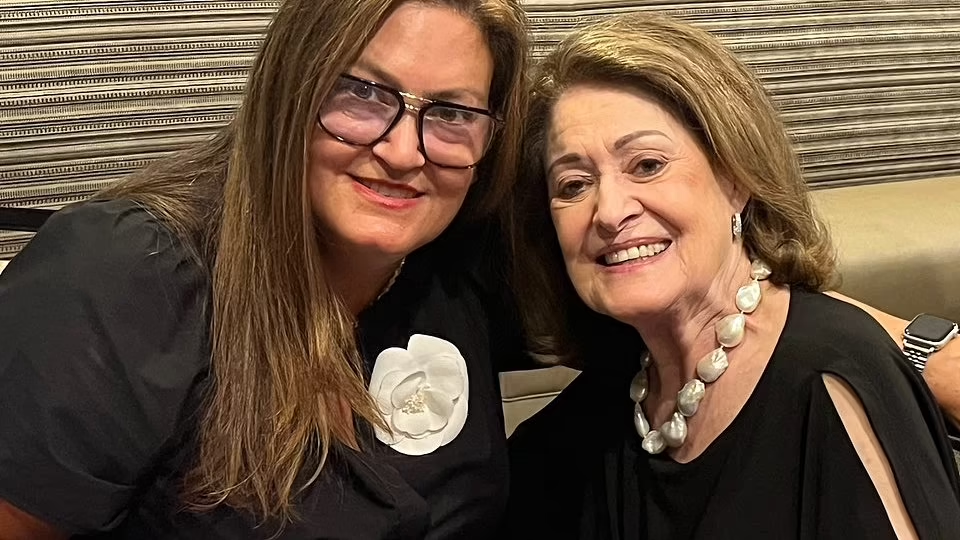
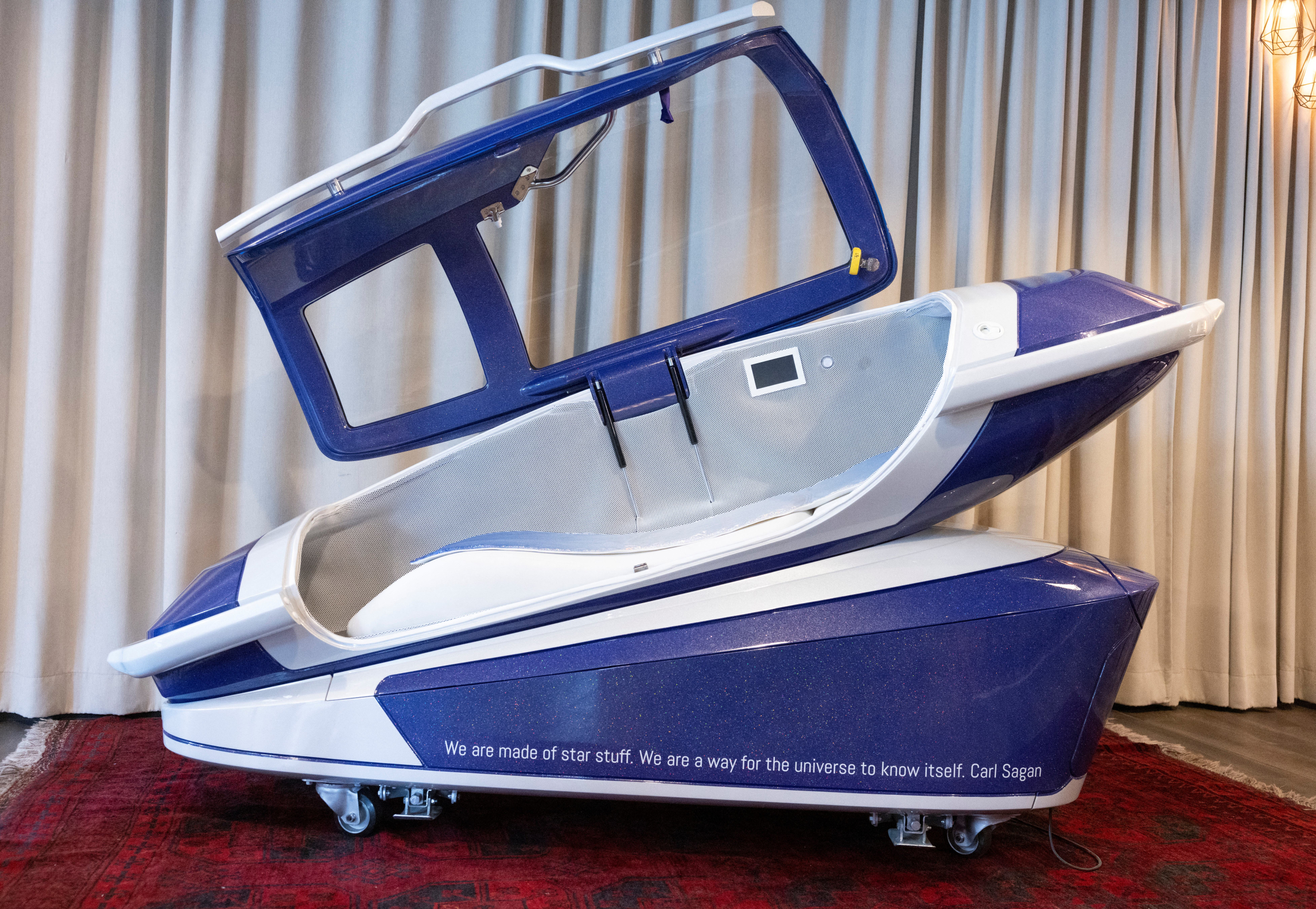
Barbara Goodfriend, an 83-year-old woman diagnosed with ALS, chose to end her life through Medical Aid In Dying in New Jersey, citing a desire to avoid suffering and die with dignity. The law allows terminally ill residents to self-administer prescribed drugs to peacefully end their lives, a choice she made after discussing her decision with family and her doctor. Her case highlights ongoing debates over assisted dying laws in the U.S.
A doctor shares a poignant experience witnessing the peaceful and dignified death of his patient, Mrs. MacNeil, through medical assistance in dying (MAID), emphasizing the importance of patient autonomy and the profound respect for a person's right to choose their end-of-life process.
Euthanasia now accounts for nearly 1 in 20 deaths in Canada, with over 15,000 cases in 2023, according to a government report. Since the legalization of Medical Assistance In Dying (MAID) in 2016, more than 60,000 Canadians have chosen euthanasia, primarily older adults with terminal illnesses. The report highlights a significant ethnic disparity, with 96% of recipients being white. The majority of cases occur in Quebec, Ontario, and British Columbia. Canada's euthanasia law expanded in 2021 to include chronic conditions, and similar laws exist in several other countries and U.S. states.
Canada's medically assisted deaths reached a record high in 2023, with over 15,000 cases, primarily for terminal illnesses like cancer. This represents 4.7% of all deaths, a slight increase from 4.1% in 2022. While the growth rate of assisted deaths has slowed, the government is considering expanding eligibility to include advanced requests for conditions like Alzheimer's. Assisted death for mental illness is expected by 2027. Overall, deaths in Canada decreased by 2.4% in 2023, with cancer remaining the leading cause.
"Dreaming of Lions," an absurdist black comedy by Greek-Portuguese director Paulo Marinou-Blanco, explores themes of euthanasia and assisted suicide, inspired by his personal experiences with his father's prolonged illness and his own struggles with insomnia. The film, featuring Denise Fraga and João Nunes Monteiro, was well-received at the Red Sea International Film Festival. Marinou-Blanco's work reflects on the choice of life and death, drawing from his family's experiences and symbolically referencing Ernest Hemingway's "The Old Man and the Sea."
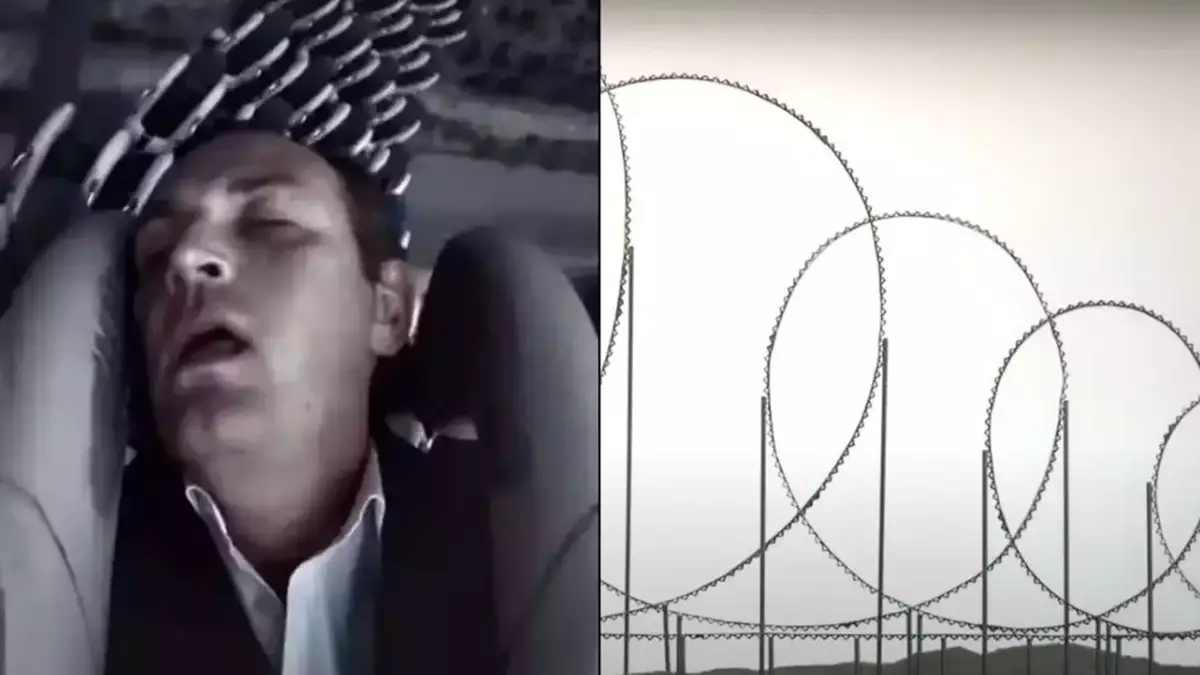
Lithuanian engineer Julijonas Urbonas designed a conceptual 'euthanasia rollercoaster' intended to kill its passengers through extreme G-forces. The ride, which features a series of increasingly tight loops, would subject riders to 10Gs of force, leading to cerebral hypoxia and eventual death. The design includes a protocol where all 24 passengers must press 'go' to proceed, allowing them to say their final words before the ride begins. The project, which won a technological art prize in 2013, remains a hypothetical exploration of euthanasia.
A vervet monkey was euthanized at the Chattanooga Zoo after being shot by a Soddy-Daisy woman it attacked. The woman, recovering from hip surgery, used a shotgun to defend herself when the monkey approached her while she was feeding her cats. The injured monkey was taken to the zoo by police, where it was determined that euthanasia was the most humane option due to the severity of its injuries. The incident highlights the risks associated with owning exotic pets.
Zoraya ter Beek, a 29-year-old Dutch woman diagnosed with autism and suffering from severe mental health issues, died by assisted suicide after a three-year wait for approval. Despite being physically healthy, her unbearable psychological suffering led her to seek euthanasia, which is legal in the Netherlands under strict conditions. Ter Beek, who had a history of depression, anxiety, and an unspecified personality disorder, believed in the safety and necessity of the Dutch euthanasia laws but opposed the availability of unregulated "suicide kits."
A 29-year-old Dutch woman, Zoraya ter Beek, who struggled with severe mental health issues including autism, depression, and anxiety, died by assisted suicide after a three-year wait for approval. Despite being physically healthy, she experienced "unbearable suffering with no prospect of improvement," a requirement for legal euthanasia in the Netherlands. Ter Beek had long desired to end her life due to lifelong bullying and feeling out of place, and she saw herself as an advocate for the Dutch euthanasia program.