Senate Republicans' latest bill includes a special tax deduction increase for Alaskan whaling captains, raising the whale-hunting expense deduction from $10,000 to $50,000, reflecting longstanding Alaskan interests amidst broader legislative negotiations on tax, healthcare, and energy policies.
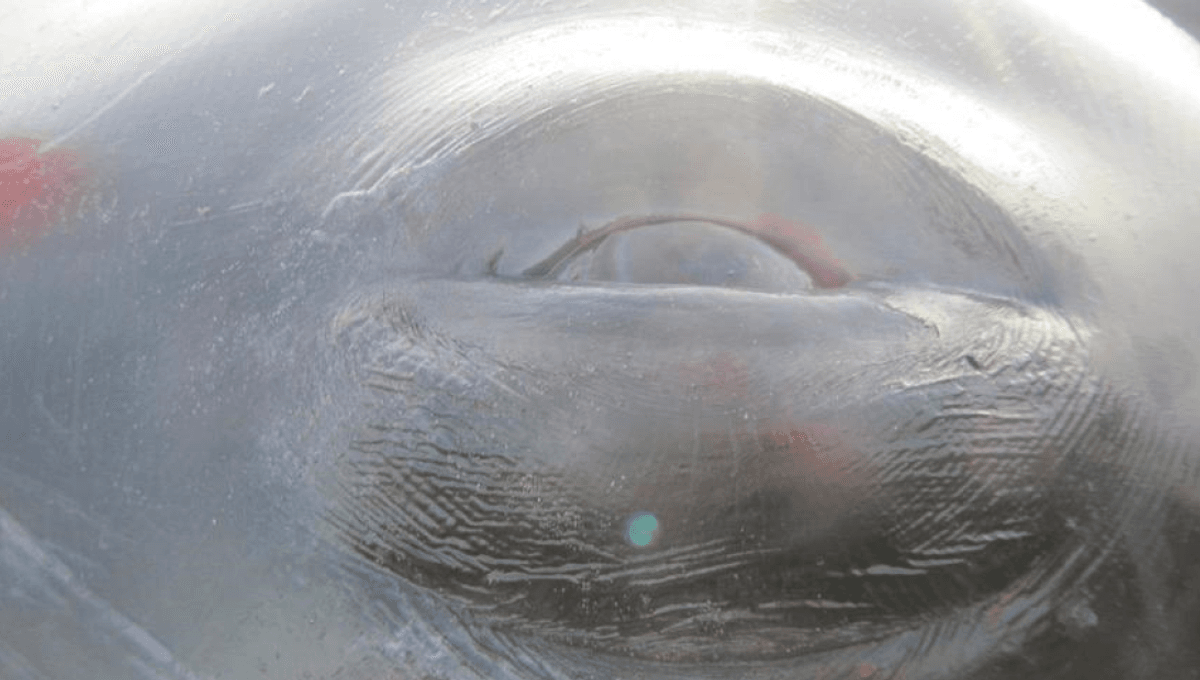
In 2007, Inuit whalers in Alaska discovered a 100-year-old harpoon embedded in a bowhead whale, indicating the whale's age to be around 115 years. This finding highlights the exceptional longevity of bowhead whales, which can live over 200 years, making them the longest-living mammals. The harpoon, an exploding lance from the late 1800s, was identified by a historian, adding to the evidence of the species' resilience and survival despite historical commercial whaling.
Blue whales, the largest animals on Earth, are making a comeback in the Seychelles after being wiped out by Soviet hunters. Researchers detected the presence of blue whales in the area, suggesting they could be breeding there. The species, once prolific in the Indian Ocean, was heavily hunted in the 20th century, resulting in a significant decline in their population. However, conservation efforts and a ban on whaling have led to an increase in their numbers. The return of blue whales to the Seychelles is seen as a conservation success.
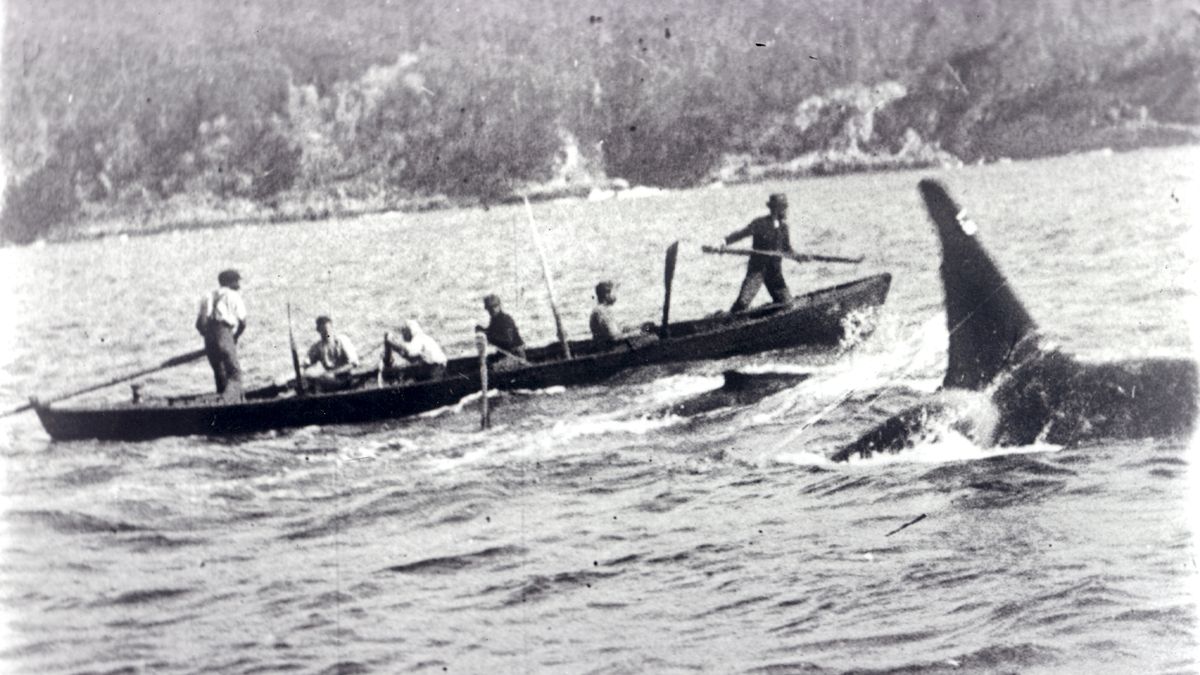
Genetic analysis suggests that a population of orcas that hunted alongside Indigenous Australian and European whalers for centuries is likely extinct. The orcas, known as "killers of Eden," had a mutually beneficial relationship with the whalers, where they would lead them to whales and help secure the kill. The DNA of a male orca named Old Tom, who played an active role in the hunts, showed significant genetic differences from living orcas, indicating the extinction of this unique population. The relationship between Indigenous Australians and the orcas is believed to have existed for thousands of years, but the exact origins remain unknown.
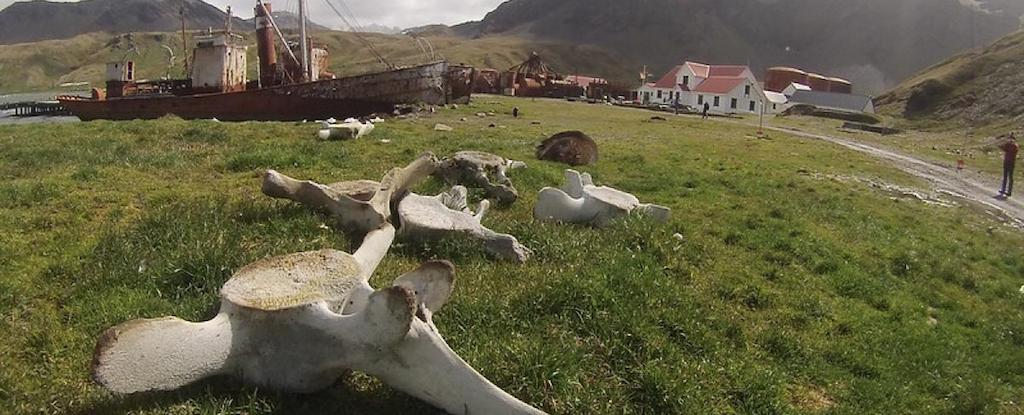
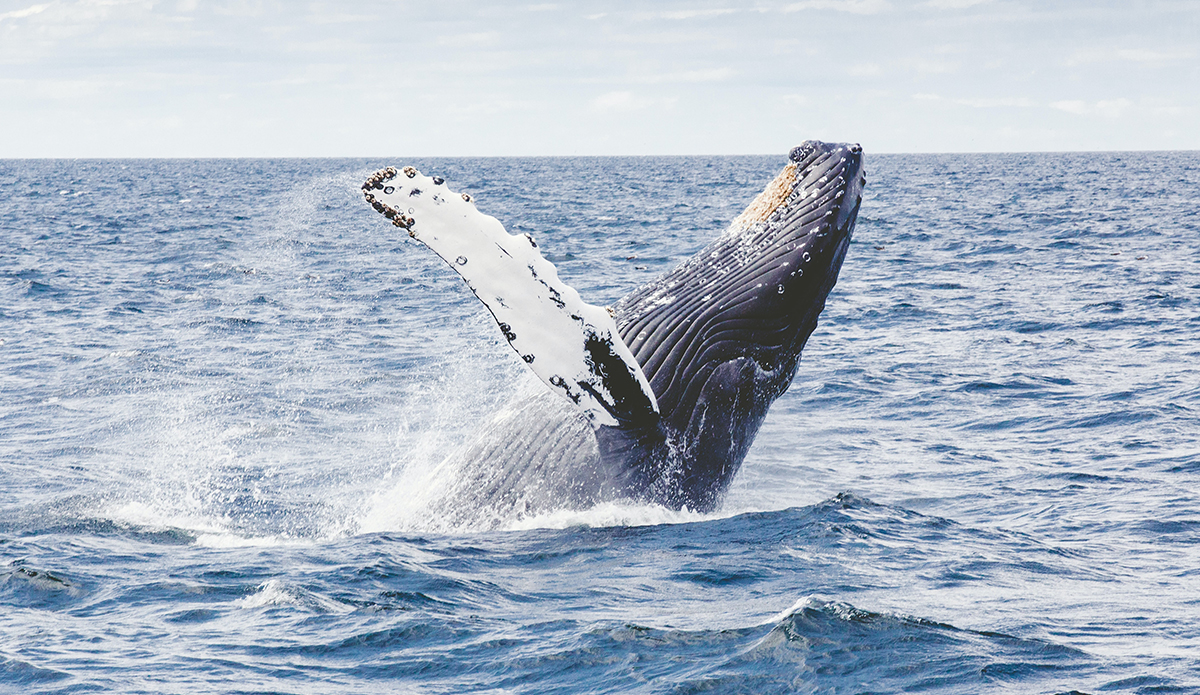
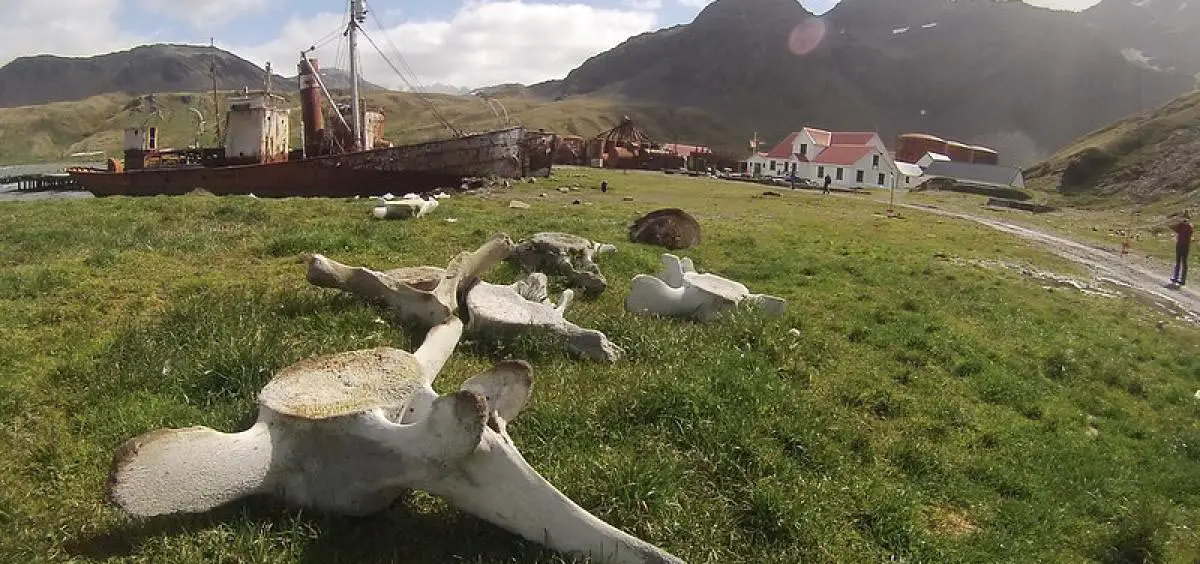
A new study has found that the genetic diversity of blue and humpback whales has been significantly reduced due to the whaling industry of the 20th century. Researchers compared DNA from whale bones found near abandoned whaling stations on South Georgia Island with DNA from present-day whales in the South Atlantic. The study suggests that these species have lost entire maternal DNA lineages, which contain important cultural memories passed down through generations. While some whale populations are recovering, many are still below pre-whaling numbers. The study highlights the urgency of recording genetic information from elder whales before they die out, as well as the need for continued efforts to protect and conserve whale populations.
A study from Oregon State University has found that commercial whaling in the 20th century has led to a loss of genetic diversity in surviving whale populations, specifically the maternal lineage of blue and humpback whales. Researchers compared DNA from whale bones found near abandoned whaling stations to present-day whales and discovered a significant decline in maternal DNA lineages. The loss of these lineages may result in the disappearance of cultural knowledge passed down through generations. While whales have started to return to the region since the end of commercial whaling, the long-term effects may still be felt as some whales alive today may have experienced the whaling era. Continued monitoring and conservation efforts are necessary to ensure the recovery and preservation of these populations.
Research from Oregon State University reveals that 20th-century commercial whaling has had a lasting impact on the genetic diversity of surviving whale populations. DNA analysis of whale bones found on South Georgia Island, a former whaling hub, shows a loss of maternal DNA lineages among blue and humpback whales. This loss of genetic diversity highlights the importance of understanding and conserving the genetic history of whales. The study emphasizes the need to preserve genetic information from whales to reconstruct their history and aid in conservation efforts.
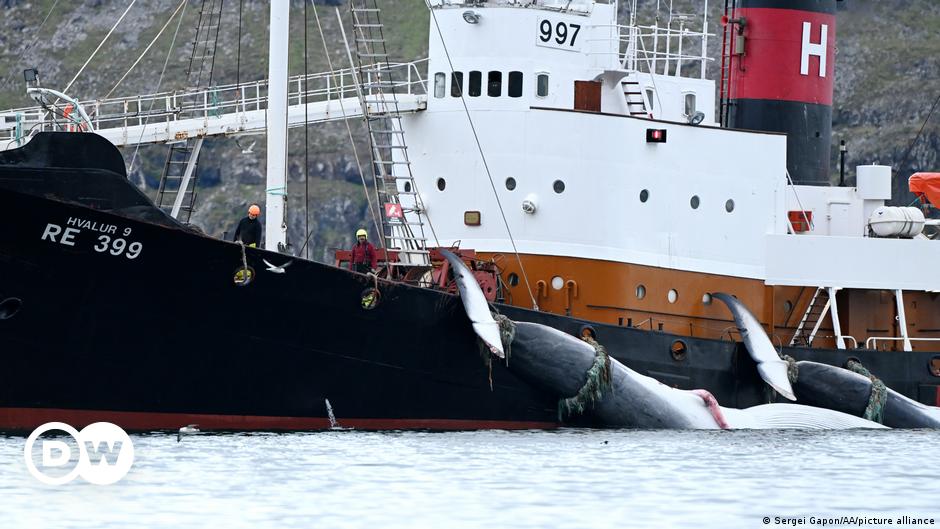
The temporary ban on whaling in Iceland has expired, allowing the hunting of whales to resume. The government has implemented stricter requirements for hunting equipment and methods, as well as increased supervision. Animal protection charity Humane Society International criticized the decision, while opponents of whaling continue to call for a permanent ban. Iceland is one of three countries that still allows commercial whaling, but the practice has declined due to a drop in demand for whale meat and pressure from animal welfare campaigners.
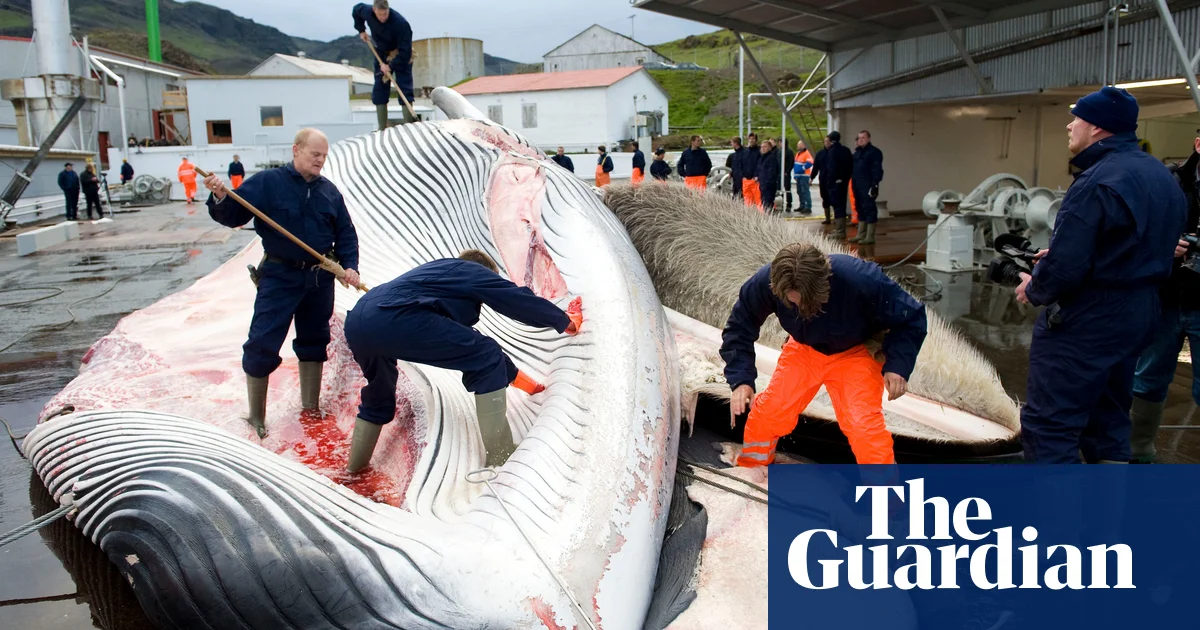
Iceland has lifted its summer suspension on whaling, allowing hunting to resume under strict new regulations. Only one company, Hvalur, still hunts whales off Iceland, and the whaling season has only weeks to run. The decision has sparked opposition from opponents who are calling for an end to whaling. The government's decision is based on a license granted earlier this year, and the Fisheries and Foods Minister acknowledges the changing values of Icelanders but believes it is up to parliament and society to discuss the next steps. Despite declining profits and growing opposition, the practice of whaling in Iceland continues, with 209 fin whales and 217 smaller minke whales allowed to be killed under annual quotas.
Iceland has lifted the temporary ban on commercial whaling, allowing the country's fin whale hunt to resume. Animal rights groups and environmentalists have criticized the decision, stating that the new regulations are "pointless and irrelevant" as whales will still suffer agonizing deaths. Fin whales are considered globally vulnerable to extinction. Some conservationists fear that this decision may jeopardize the long-term phasing-out of whaling in Iceland. However, others see it as a step towards ending the industry, hoping that the government will stop issuing licenses once the current permit expires.