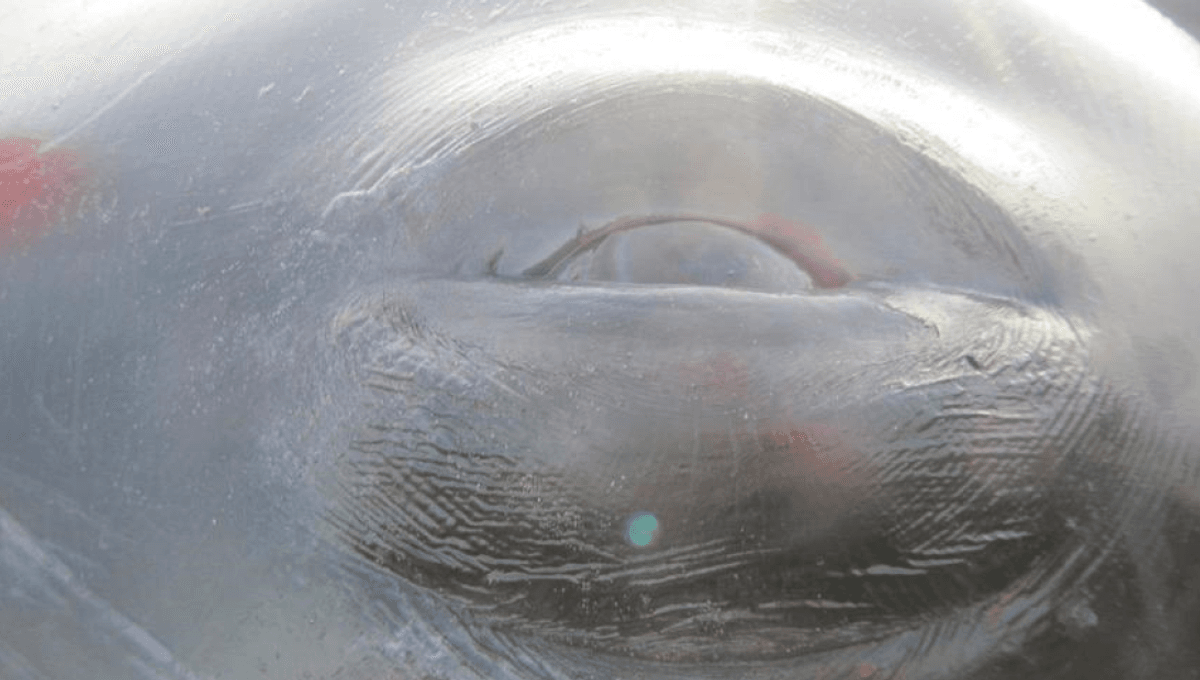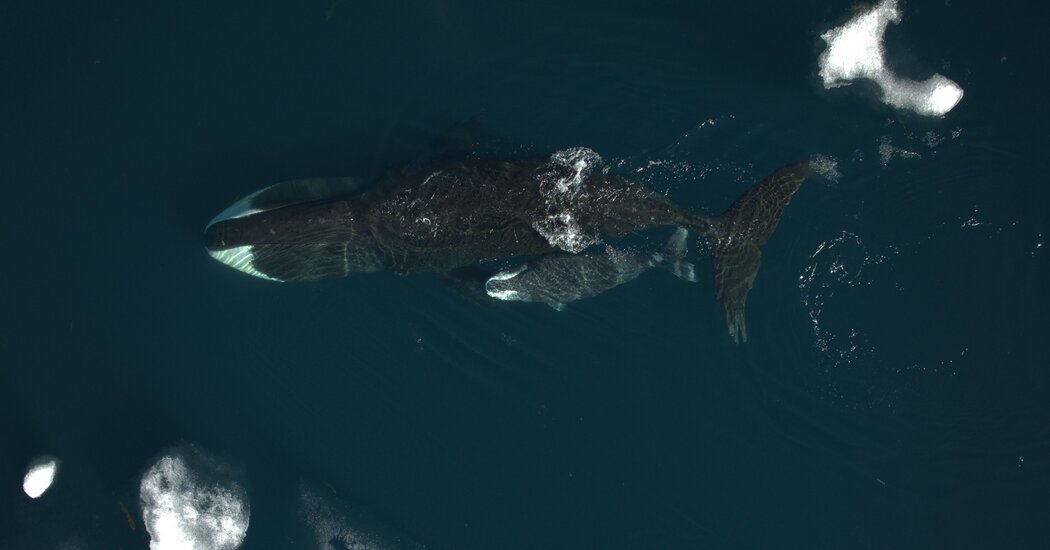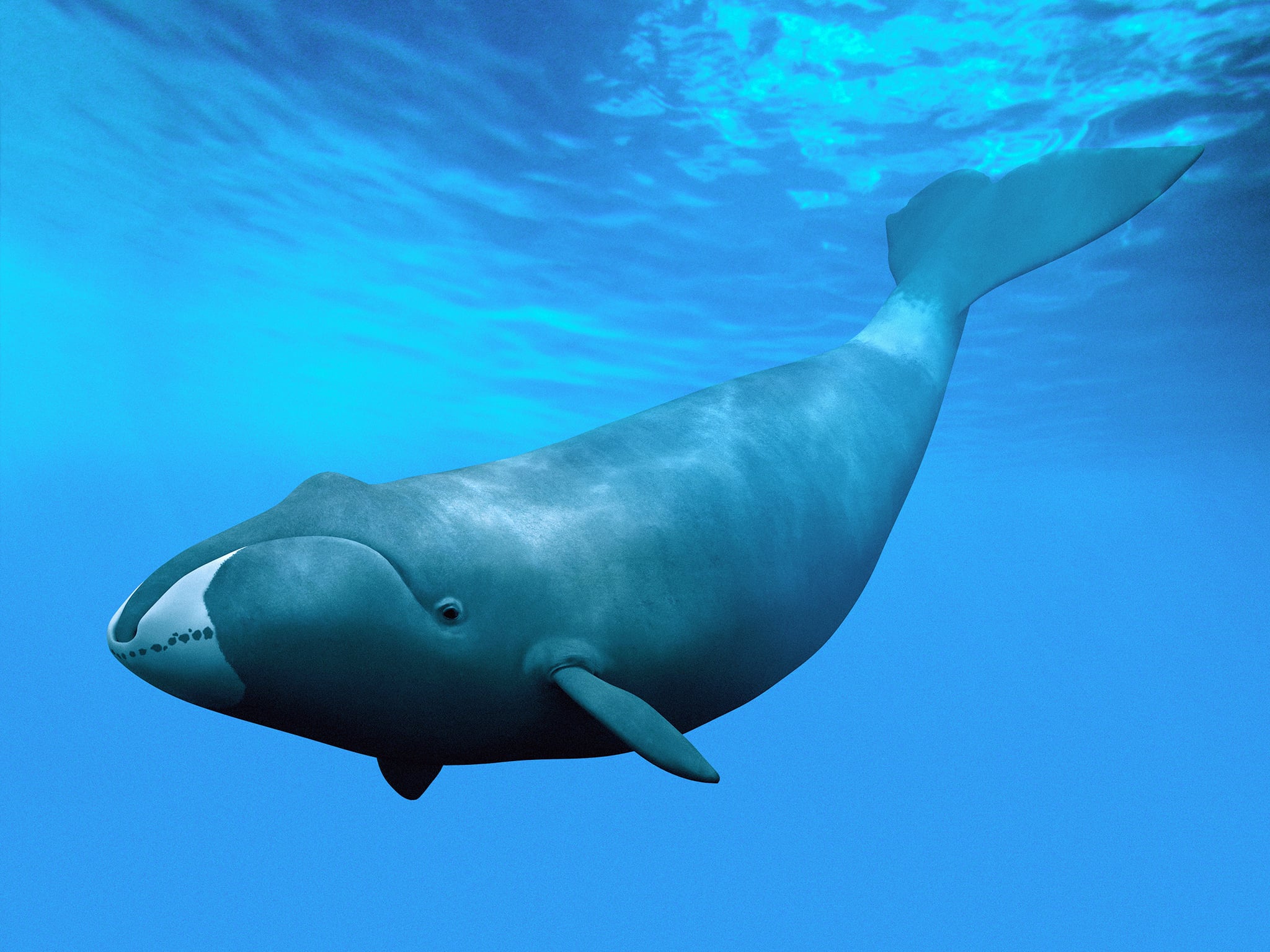
Scientists have discovered that bowhead whales live over 200 years partly due to high levels of the DNA repair protein CIRBP, which could inspire new ways to enhance human lifespan and disease resistance, though practical applications are still in early stages.
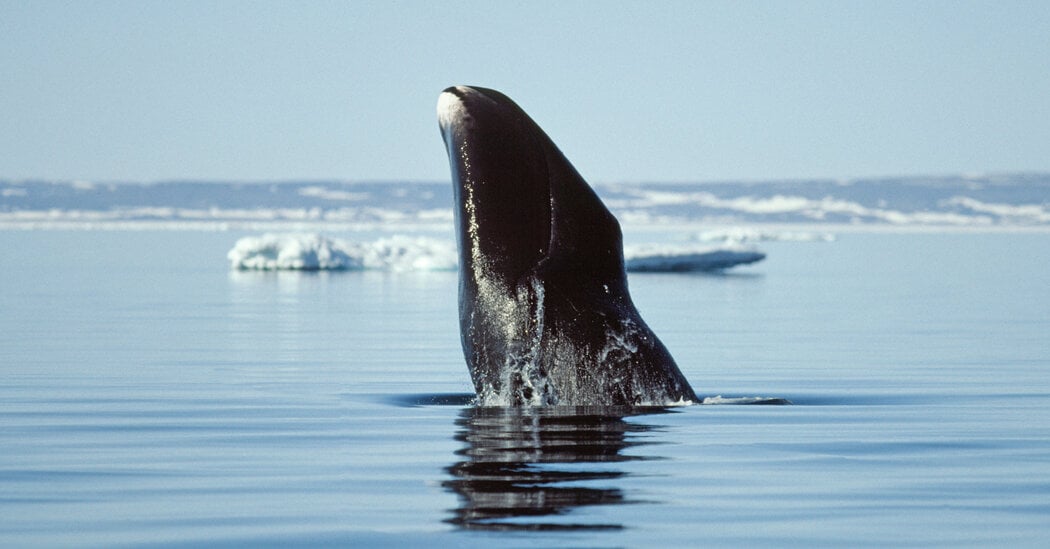
Scientists have found that bowhead whales can live up to 268 years, partly due to their exceptional ability to repair damaged DNA, offering insights into longevity and resilience that could inform human aging research.
In 2007, Inuit whalers in Alaska discovered a 100-year-old harpoon embedded in a bowhead whale, indicating the whale's age to be around 115 years. This finding highlights the exceptional longevity of bowhead whales, which can live over 200 years, making them the longest-living mammals. The harpoon, an exploding lance from the late 1800s, was identified by a historian, adding to the evidence of the species' resilience and survival despite historical commercial whaling.
Bowhead whales, known for their long lifespans and slow growth, may have the longest known pregnancy in mammals, lasting up to 23 months. Researchers studied samples from 10 female bowhead whales and analyzed hormone concentrations in their baleen, revealing two surges in progesterone that suggested either a 23-month pregnancy or a prolonged state of estrus followed by a 14-month pregnancy. The findings shed light on the complexities of bowhead whale reproduction and could aid conservation efforts for this vulnerable species.